Paysage provençal — History & Analysis
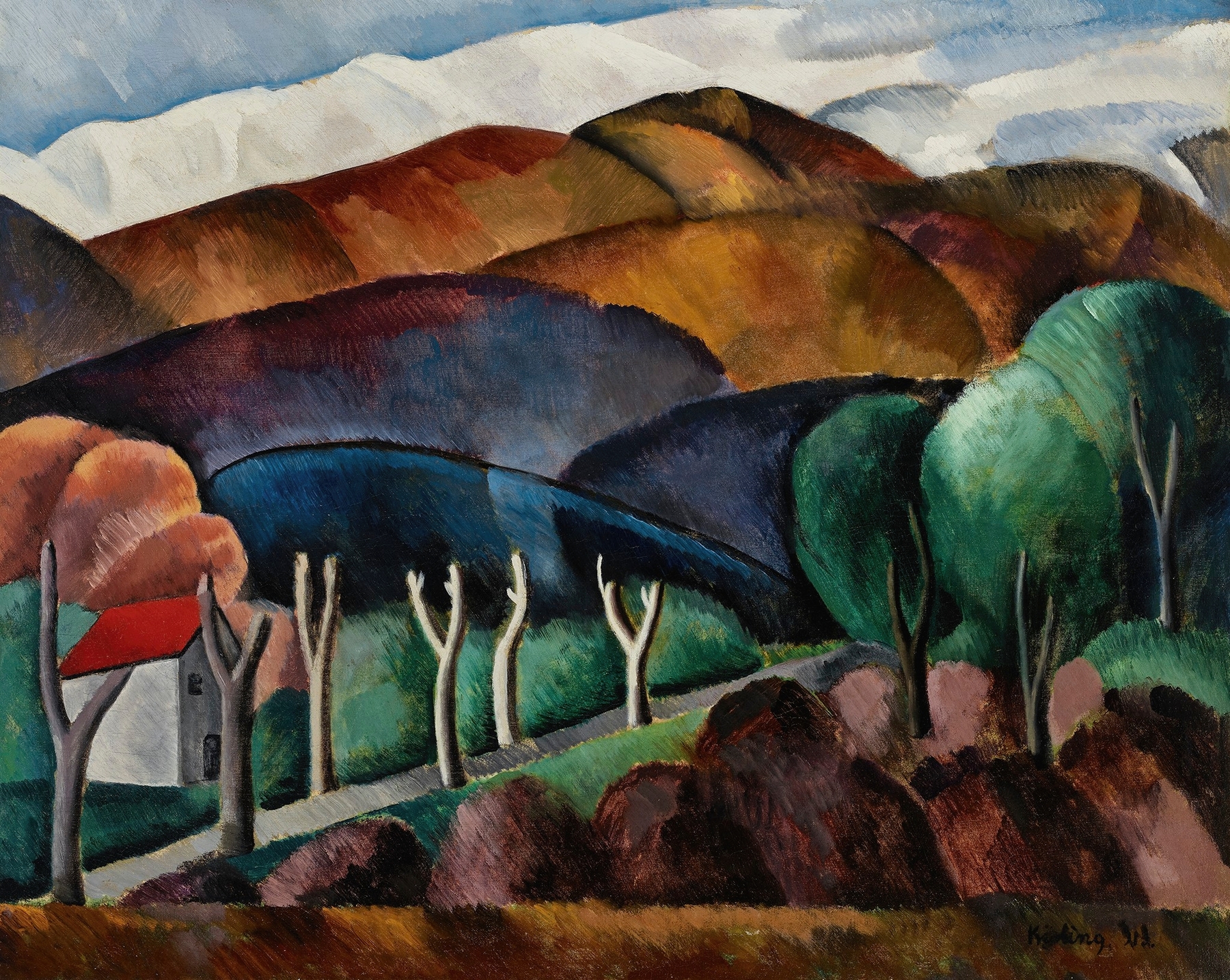
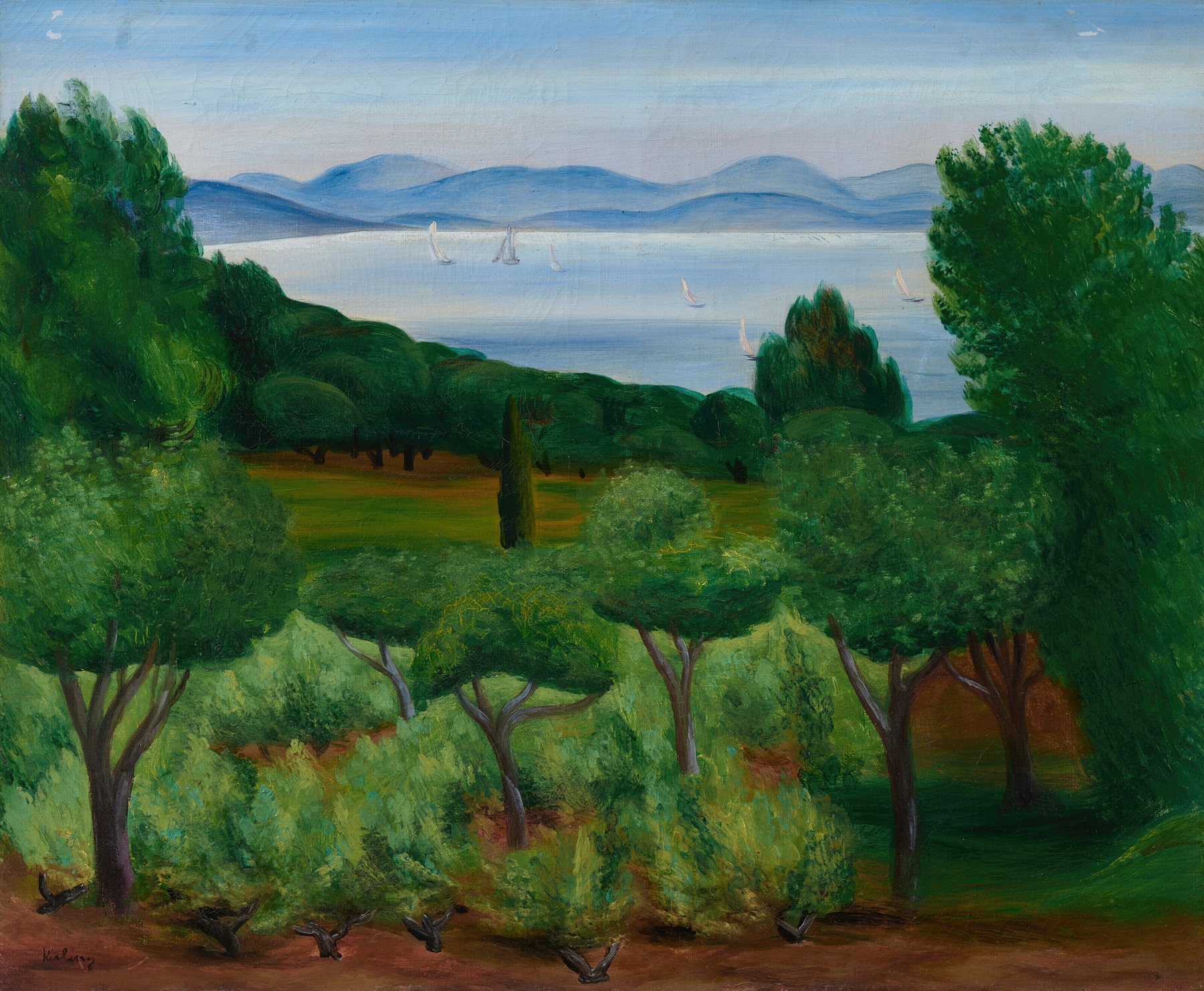
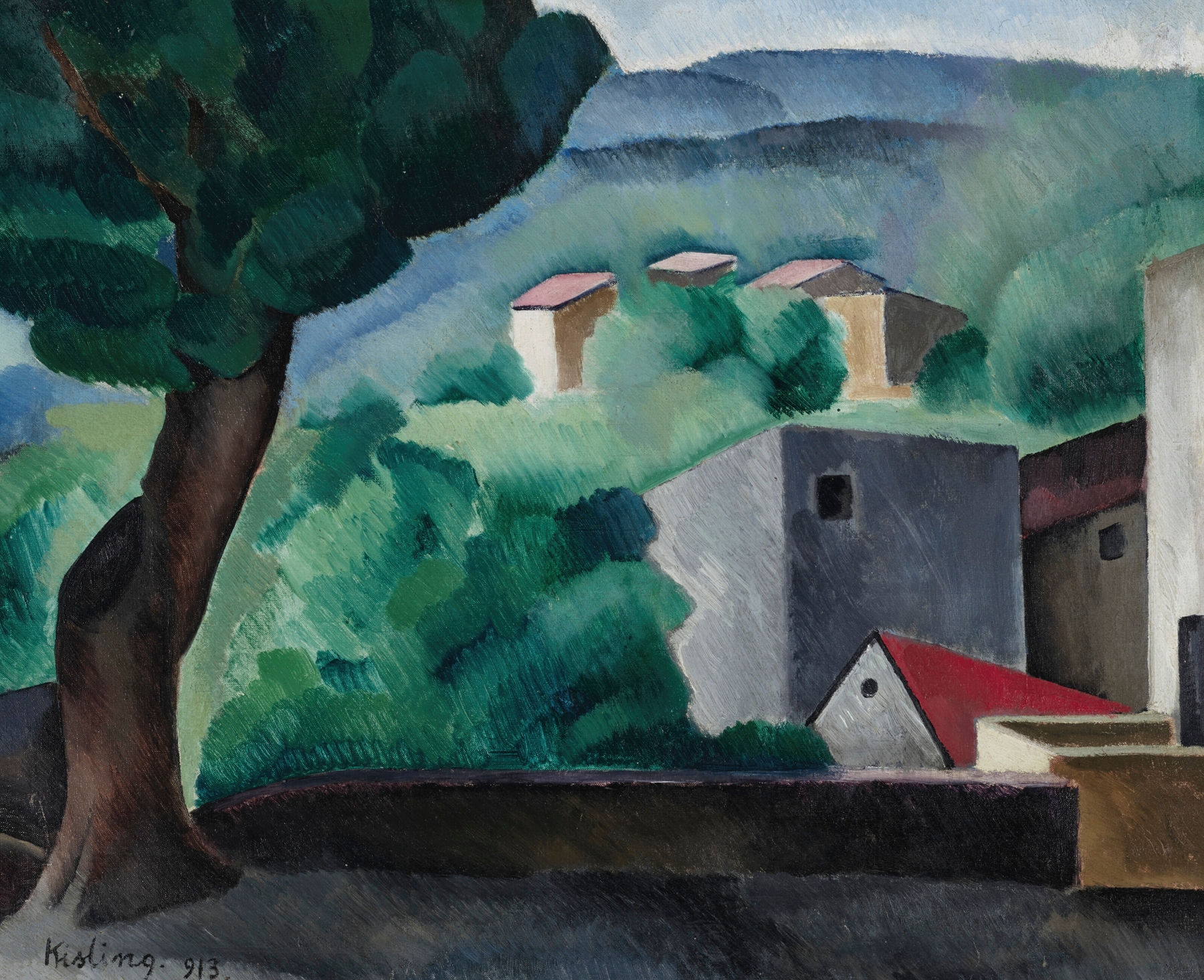
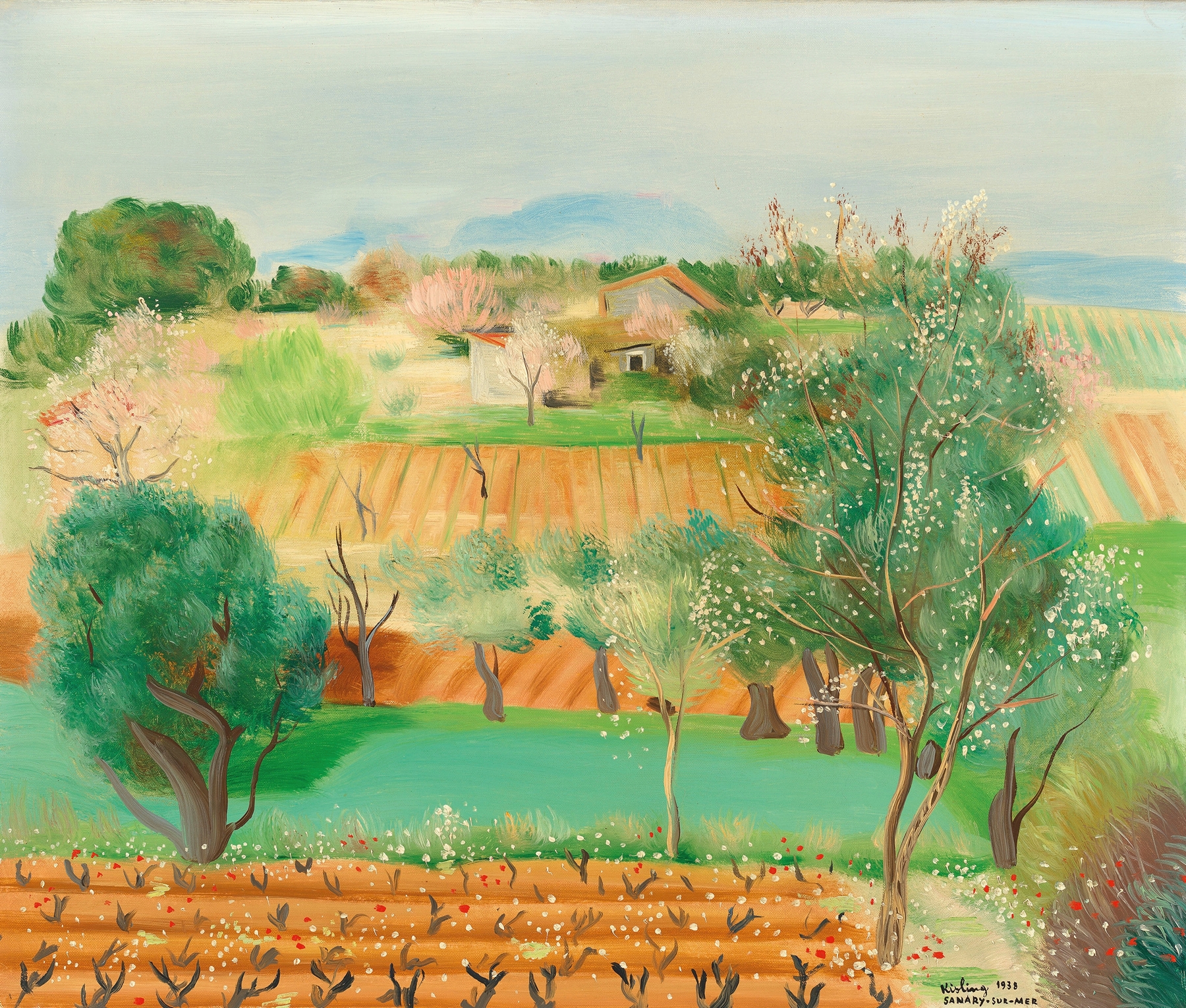
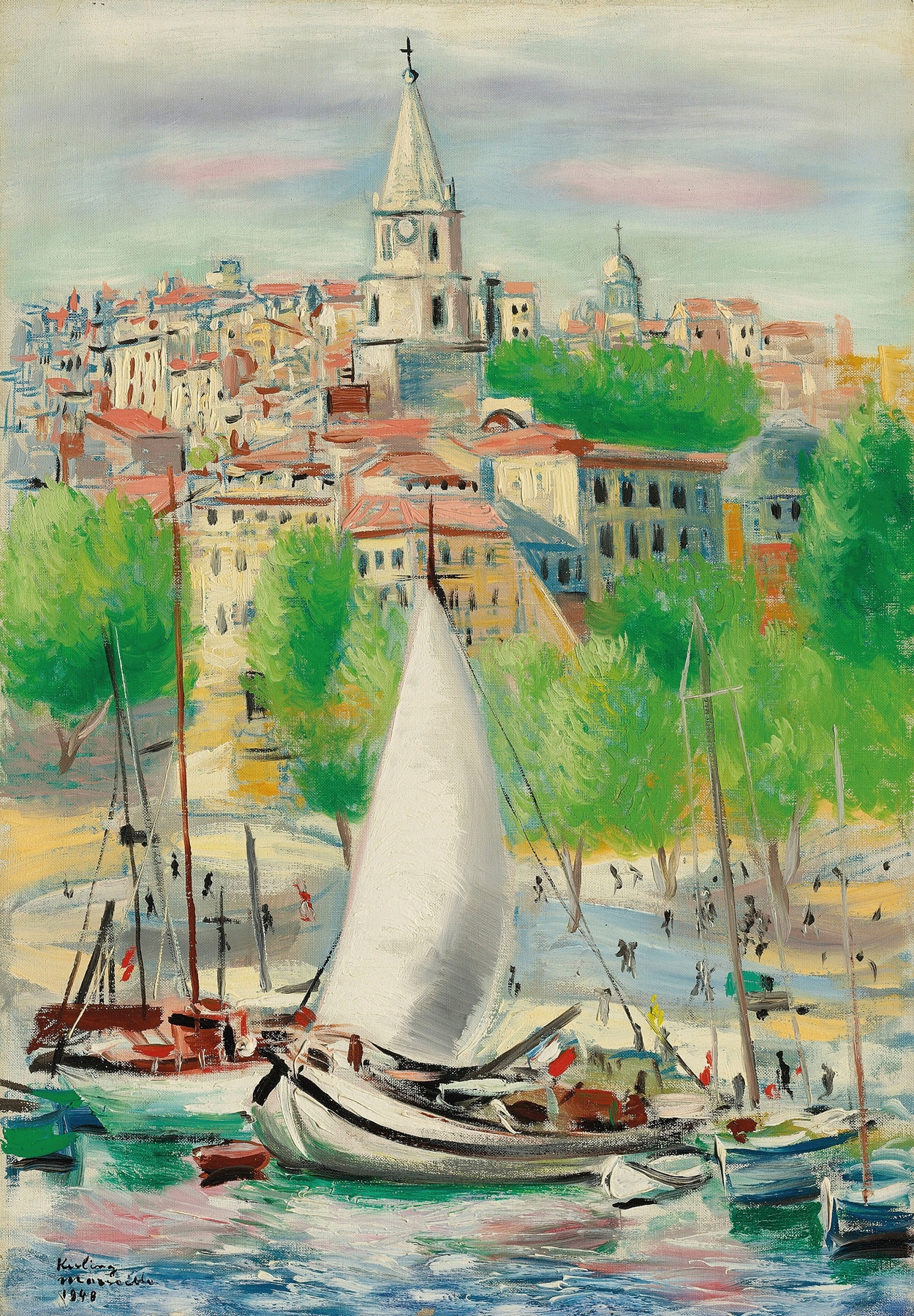
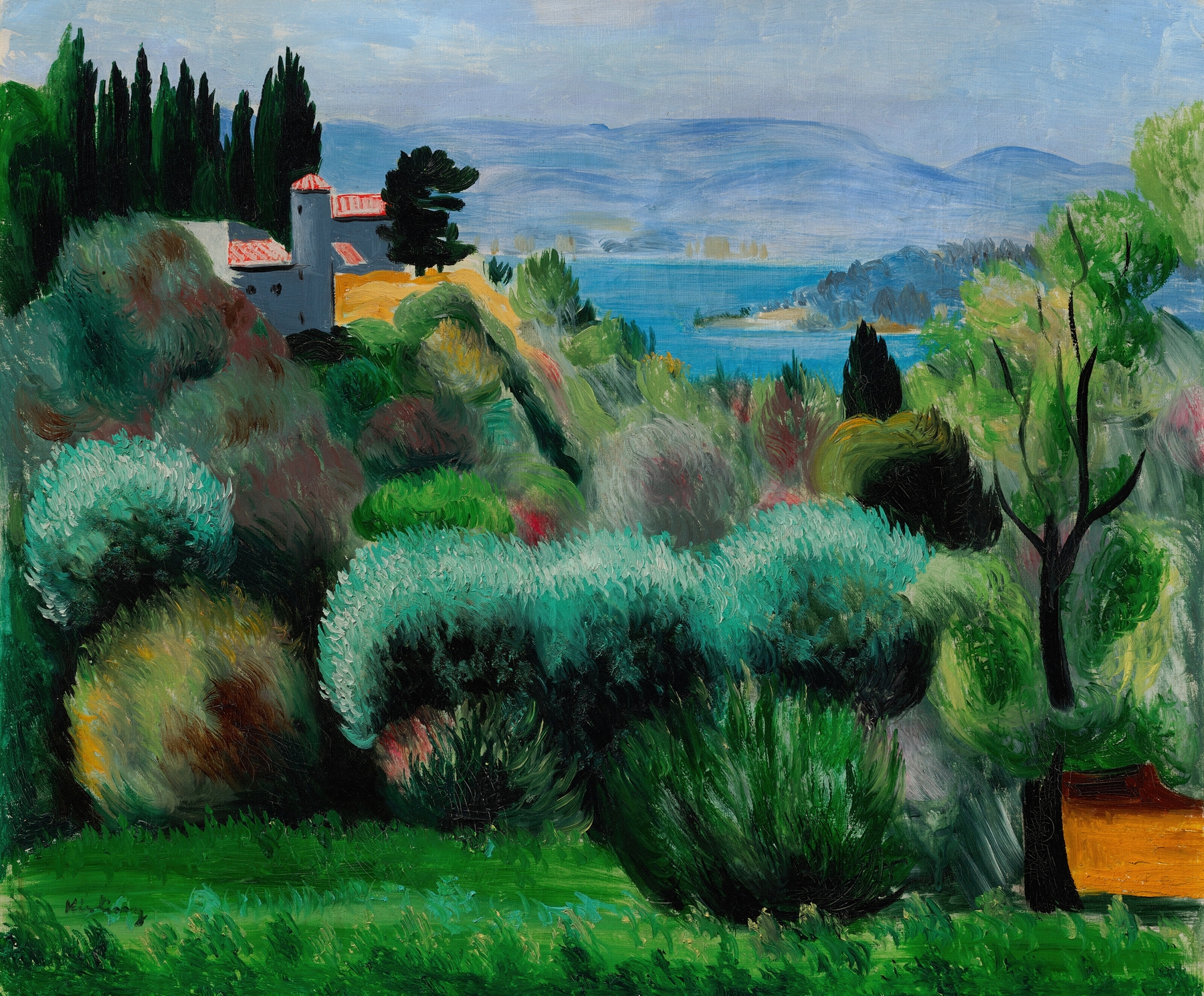
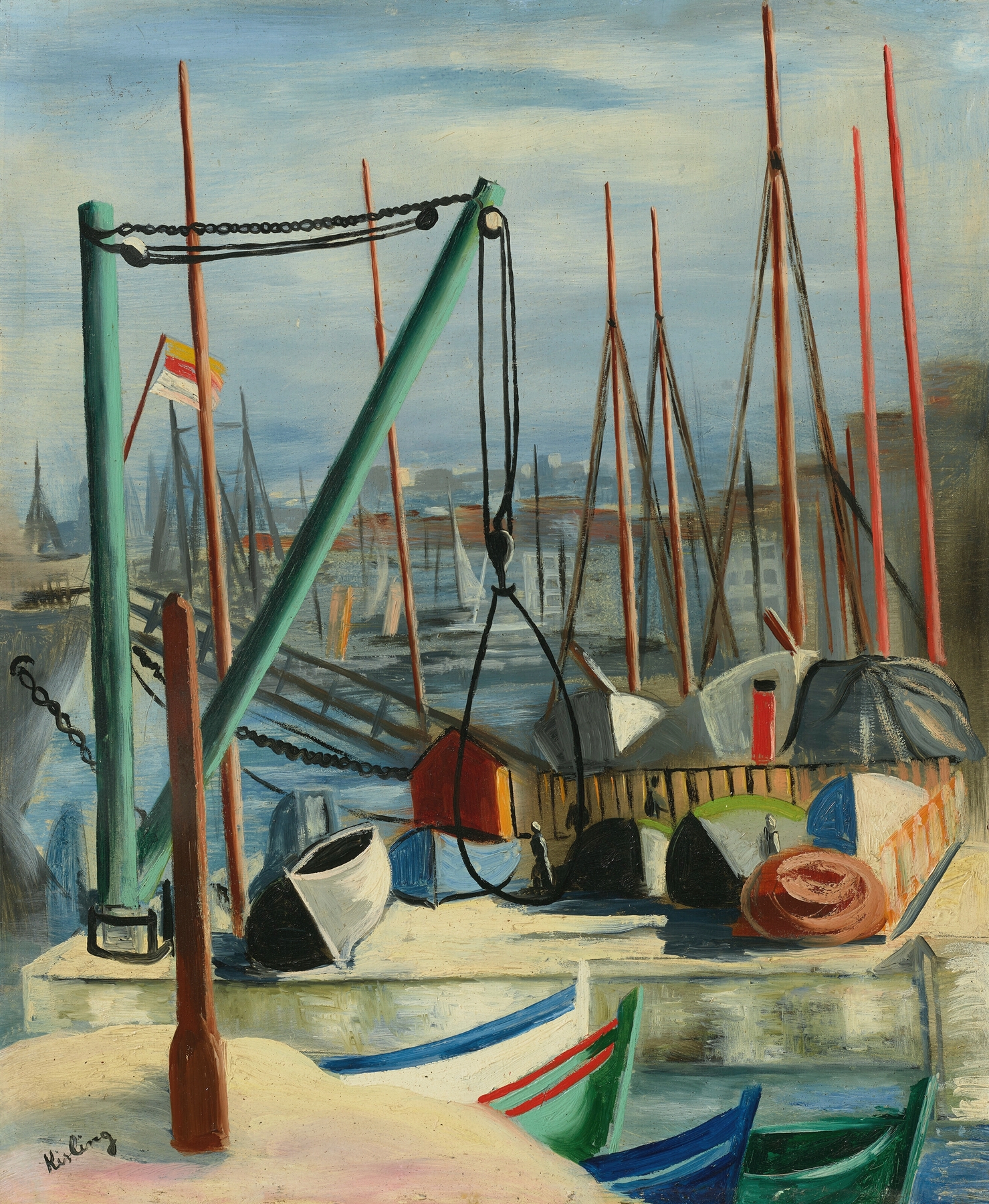
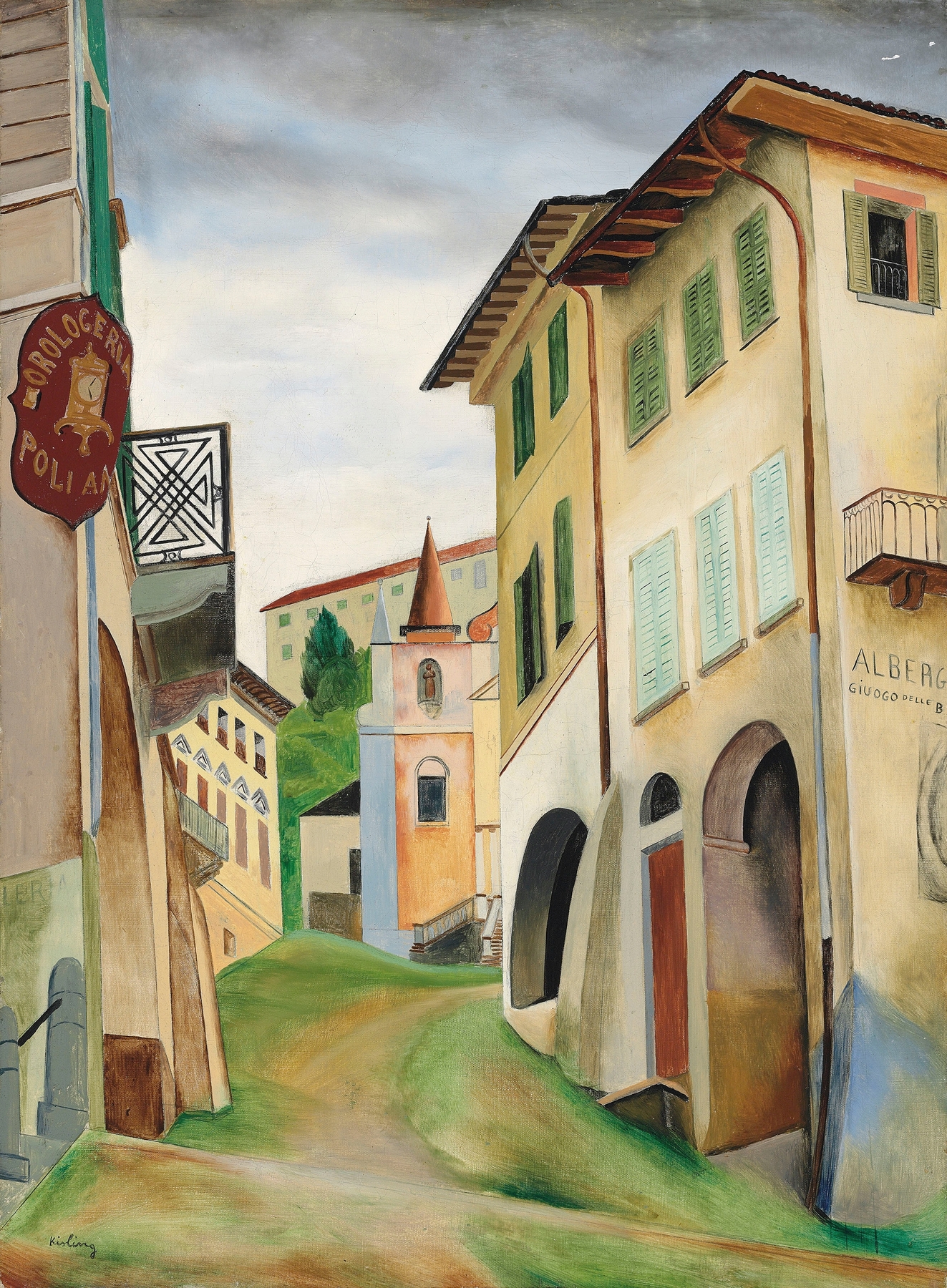
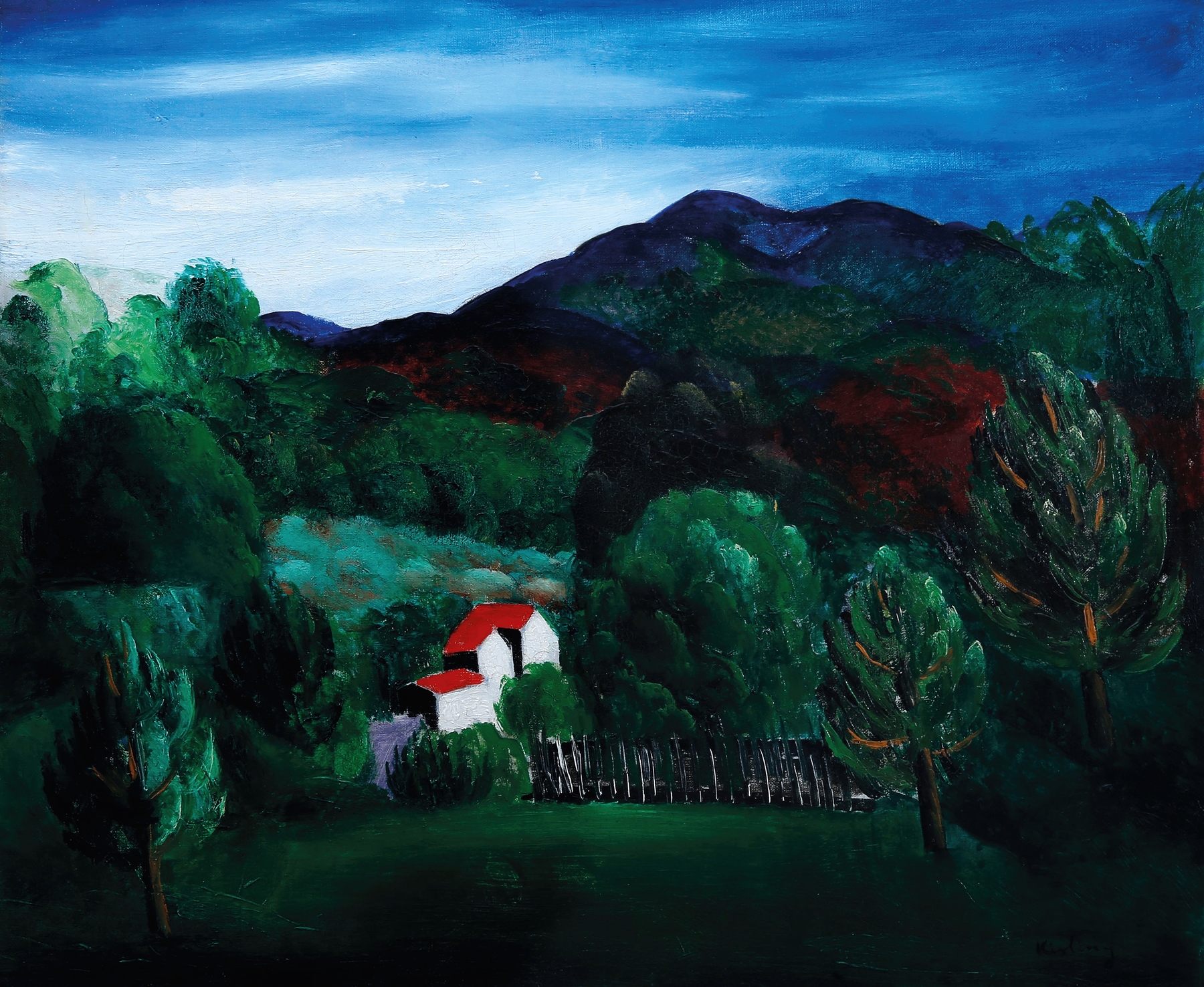
“Every brushstroke is a heartbeat remembered.” In a world poised on the brink of revolution, the canvas becomes a tapestry of emotion and history, weaving together the past and present in a vivid embrace. Look to the left at the rolling hills, where vibrant greens and golds pulse with life, each stroke exuding warmth and vitality. The sky, a swirling mix of azure and soft whites, draws your gaze upward, framing the rustic charm of the Provençal landscape. Notice how the interplay of light and shadow creates depth, inviting you to wander through the idyllic scenery that Kisling has so masterfully rendered.
Beneath the surface of the countryside lies a sense of unease, as the tranquility of the landscape belies the turbulence of its time. The harmonious colors evoke feelings of nostalgia, yet there’s an undercurrent of tension, a hint of the changes to come in post-war Europe. The vibrancy of nature juxtaposed with the looming shadows encapsulates a world caught between beauty and upheaval, manifesting a poignant commentary on existence itself.
In 1918, as Europe emerged from the devastation of World War I, the artist found himself in Paris, surrounded by a milieu of artistic innovation and societal change. Kisling, a prominent figure in the School of Paris, blended influences from his Polish heritage with the vibrant styles of the French avant-garde, capturing an era of renewal, yet tinged with the remnants of conflict. In this moment of creation, Paysage provençal stands as both a celebration of life and a reflection on the fragility of peace.