Paysage de Céret — History & Analysis
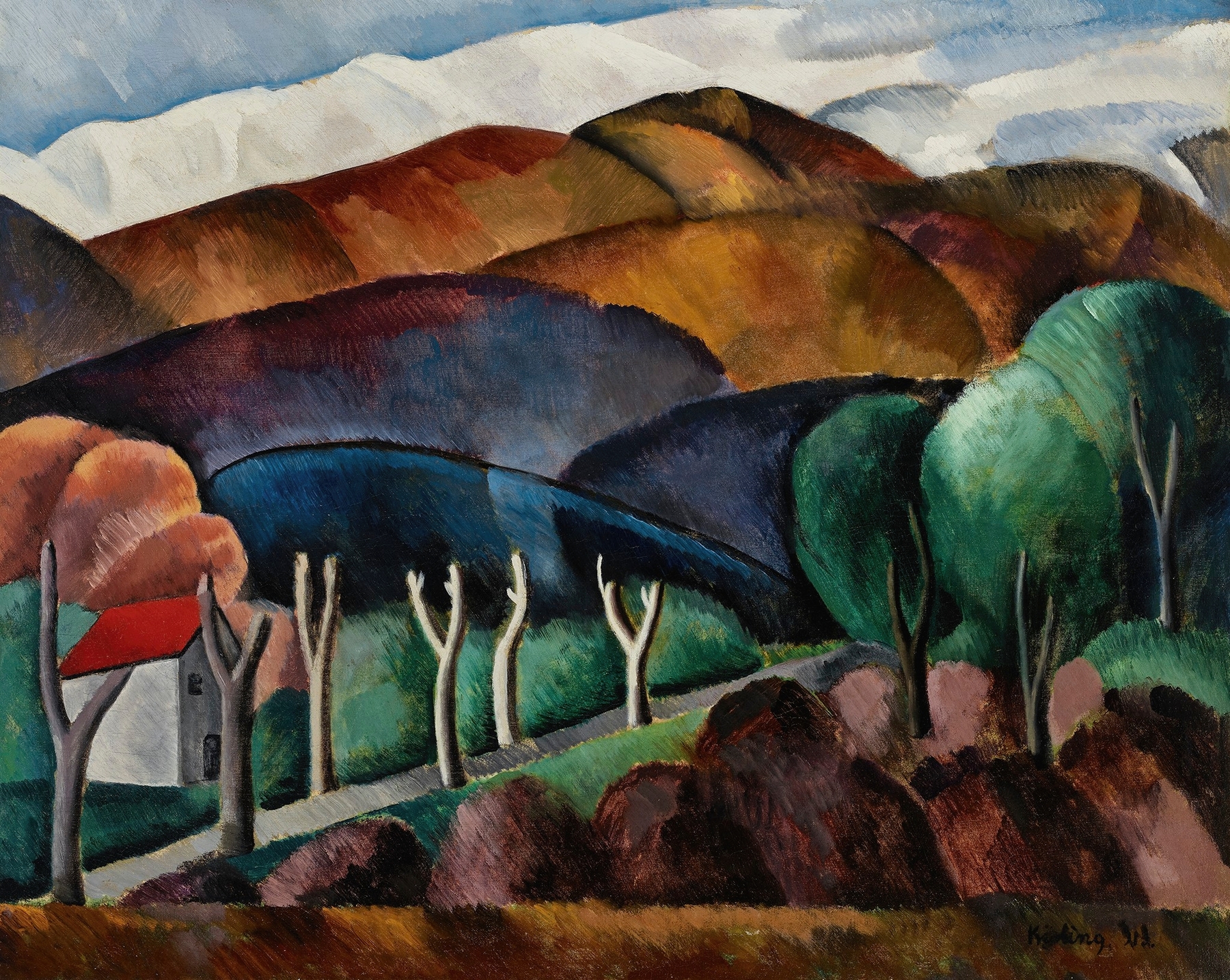
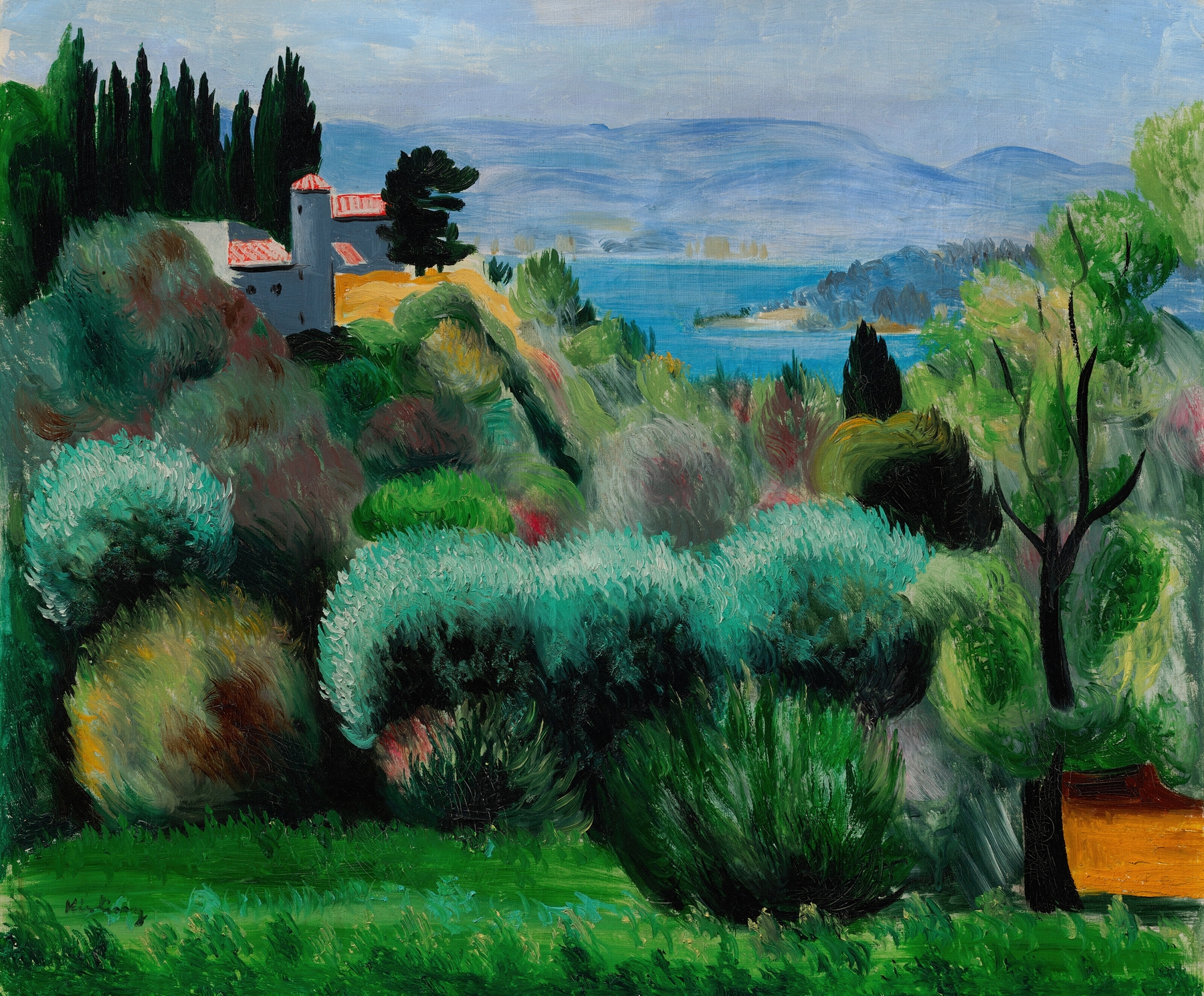
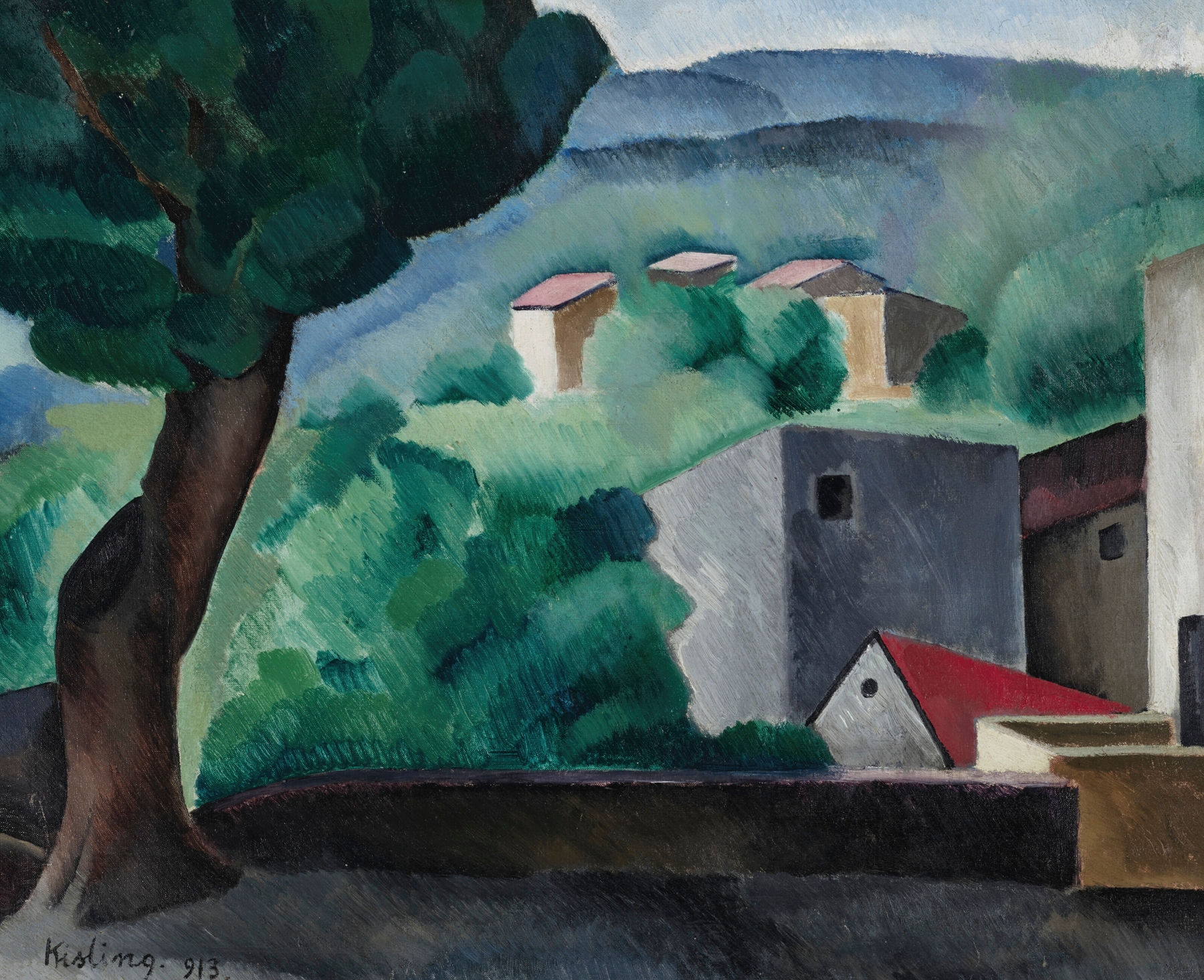
When did color learn to lie? It seduces the viewer with a vivacious palette, enticing them to question the authenticity of the world it portrays. In Paysage de Céret, the vibrant hues weave a narrative that transcends mere representation, inviting us to explore the depths of desire hidden beneath the surface. Look to the left at the rolling hills, kissed by a warm, golden light that spills across the canvas. The artist’s brushstrokes dance between impressionistic and expressionistic, creating a landscape that vibrates with life.
Notice how the lush greens and ochres blend seamlessly, while the deep blues of the sky provide a breathtaking backdrop, hinting at both serenity and turmoil. This juxtaposition of color not only showcases Kisling’s technical prowess but also establishes an emotional resonance that beckons the viewer to linger. Delving deeper, we find the layers of longing embedded within the composition. The interplay between light and shadow reflects the tension between reality and imagination, conjuring a sense of yearning that courses through the landscape. The vibrant colors evoke the desire for connection with nature, yet they also hint at an elusive beauty, something just beyond reach.
This duality crafts a rich emotional tapestry that captures the complexities of the human experience. In 1913, Kisling painted Paysage de Céret during a transformative period in his career, while living in Paris, surrounded by avant-garde movements. This was a time marked by both personal struggle and artistic exploration, as he sought to blend influences from Post-Impressionism and his own unique vision. The world of art was in flux, and his work encapsulated this vibrant energy, marking him as a significant figure within the modernist landscape of the time.