Sanary — History & Analysis
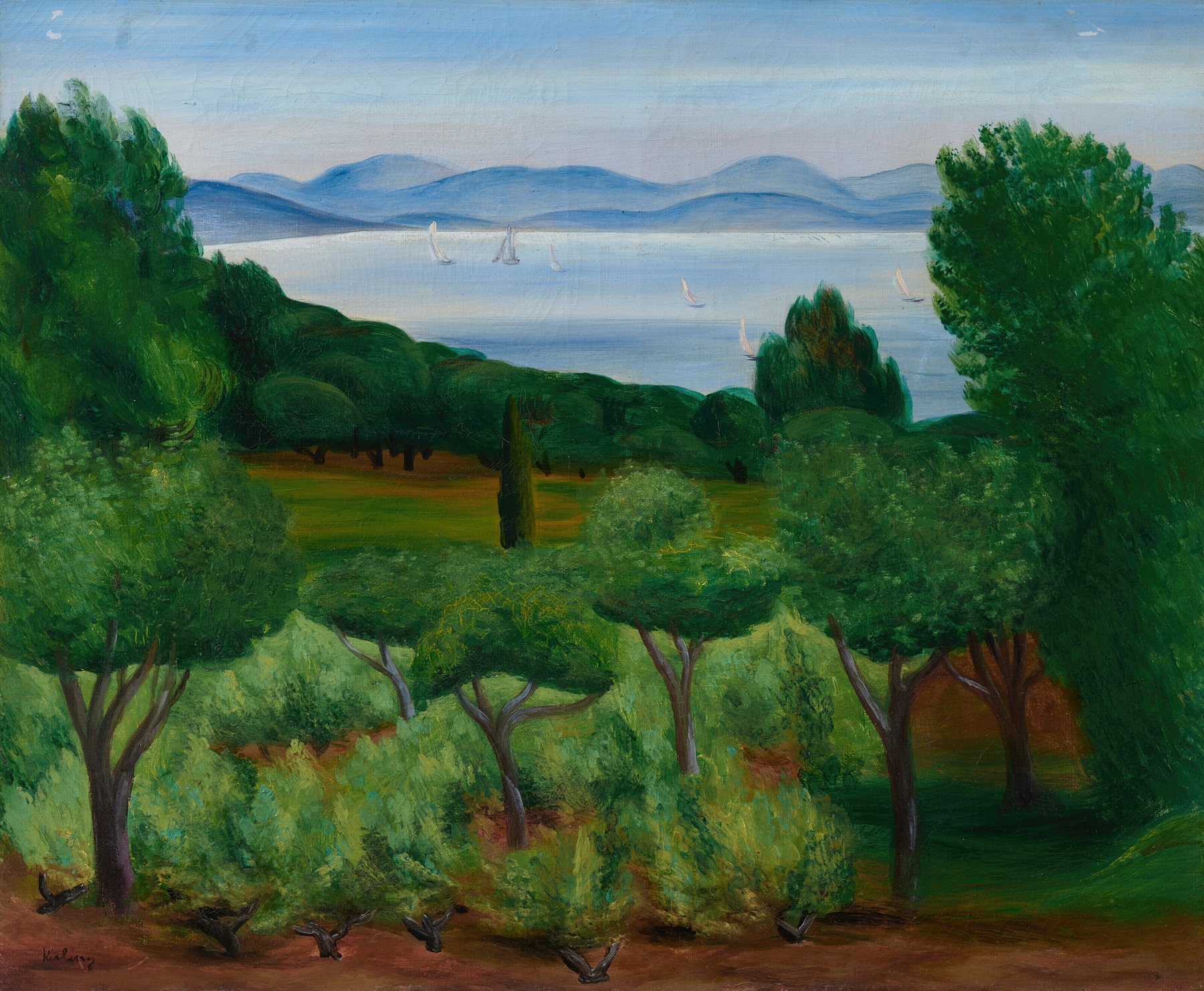
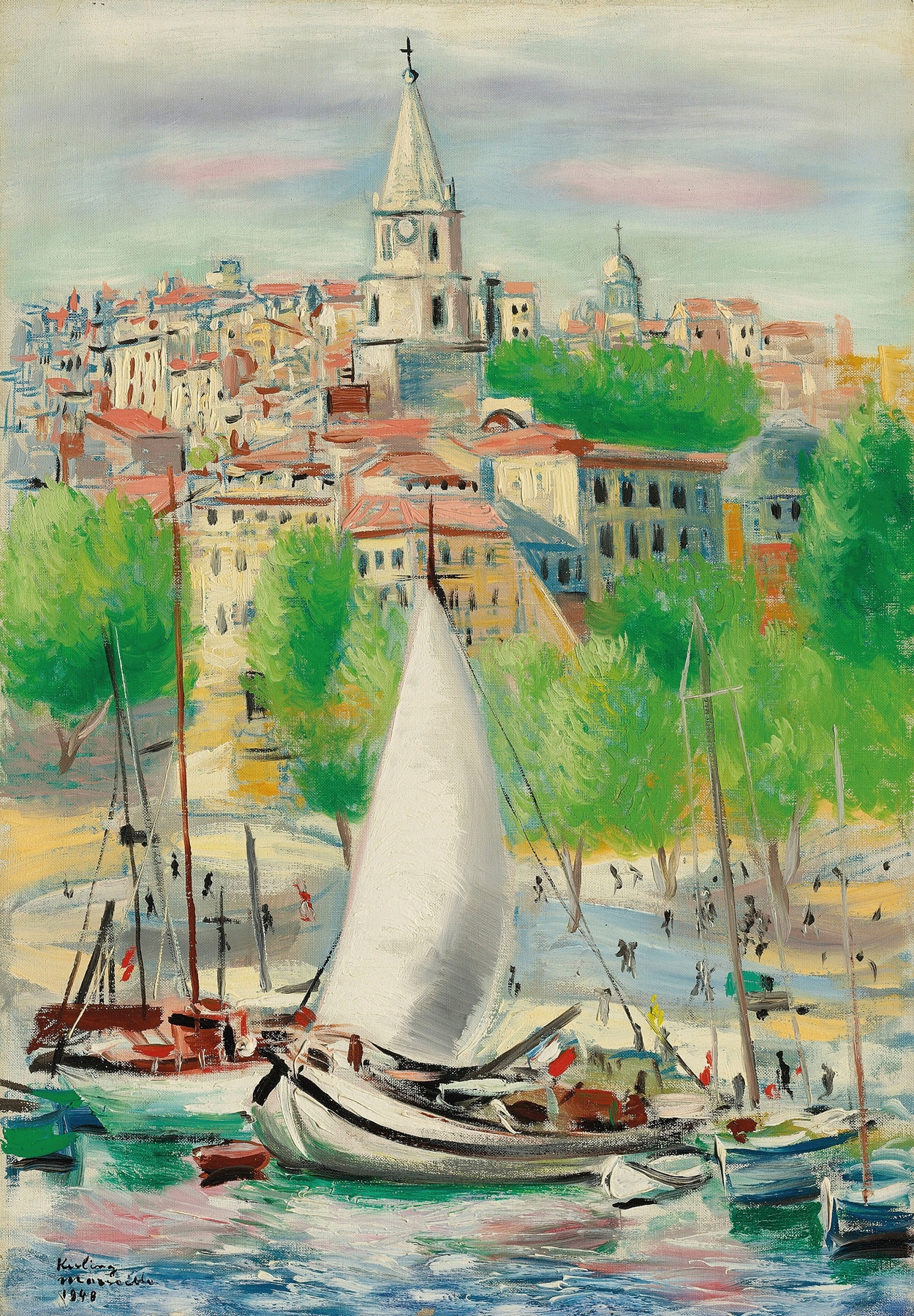
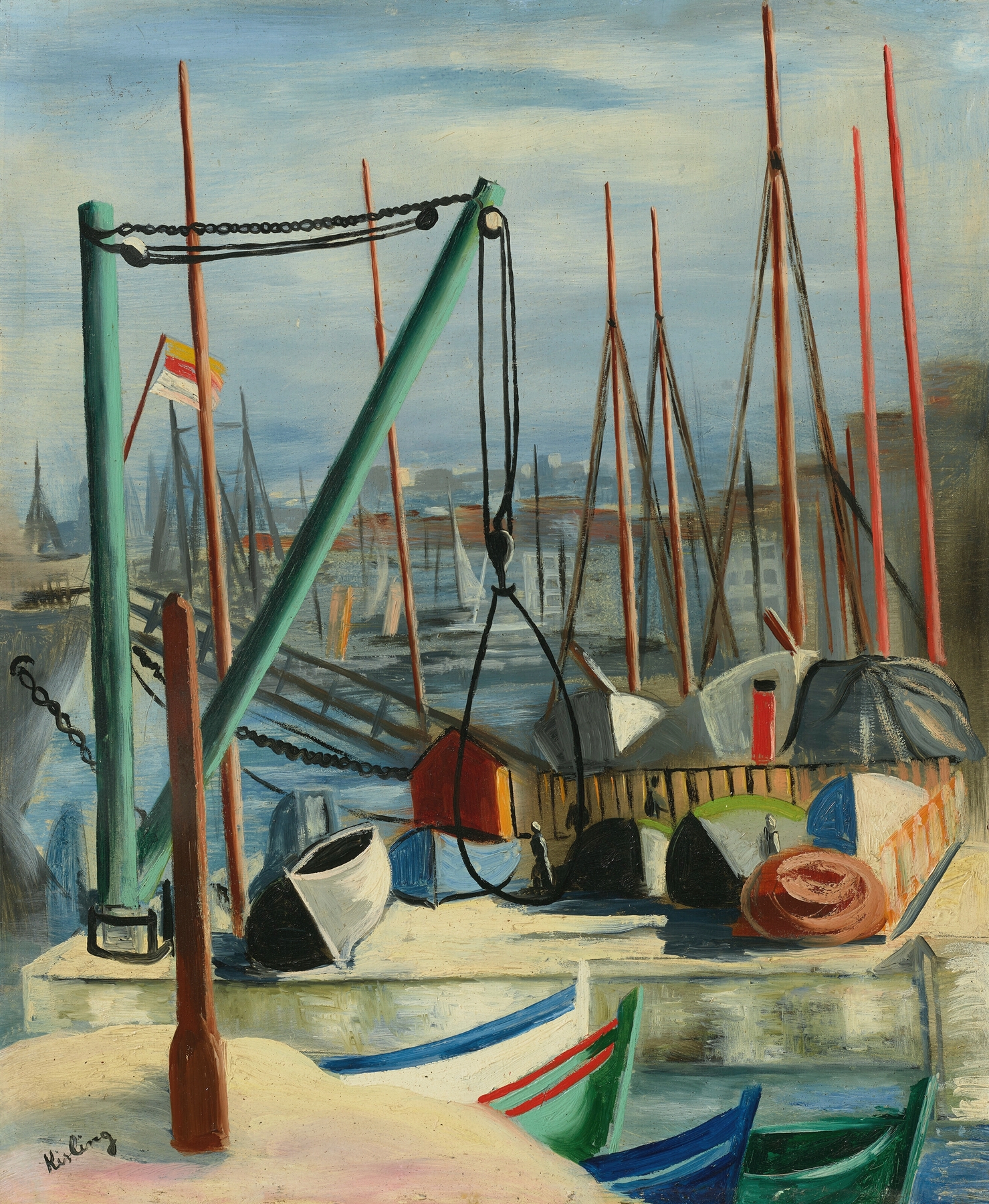
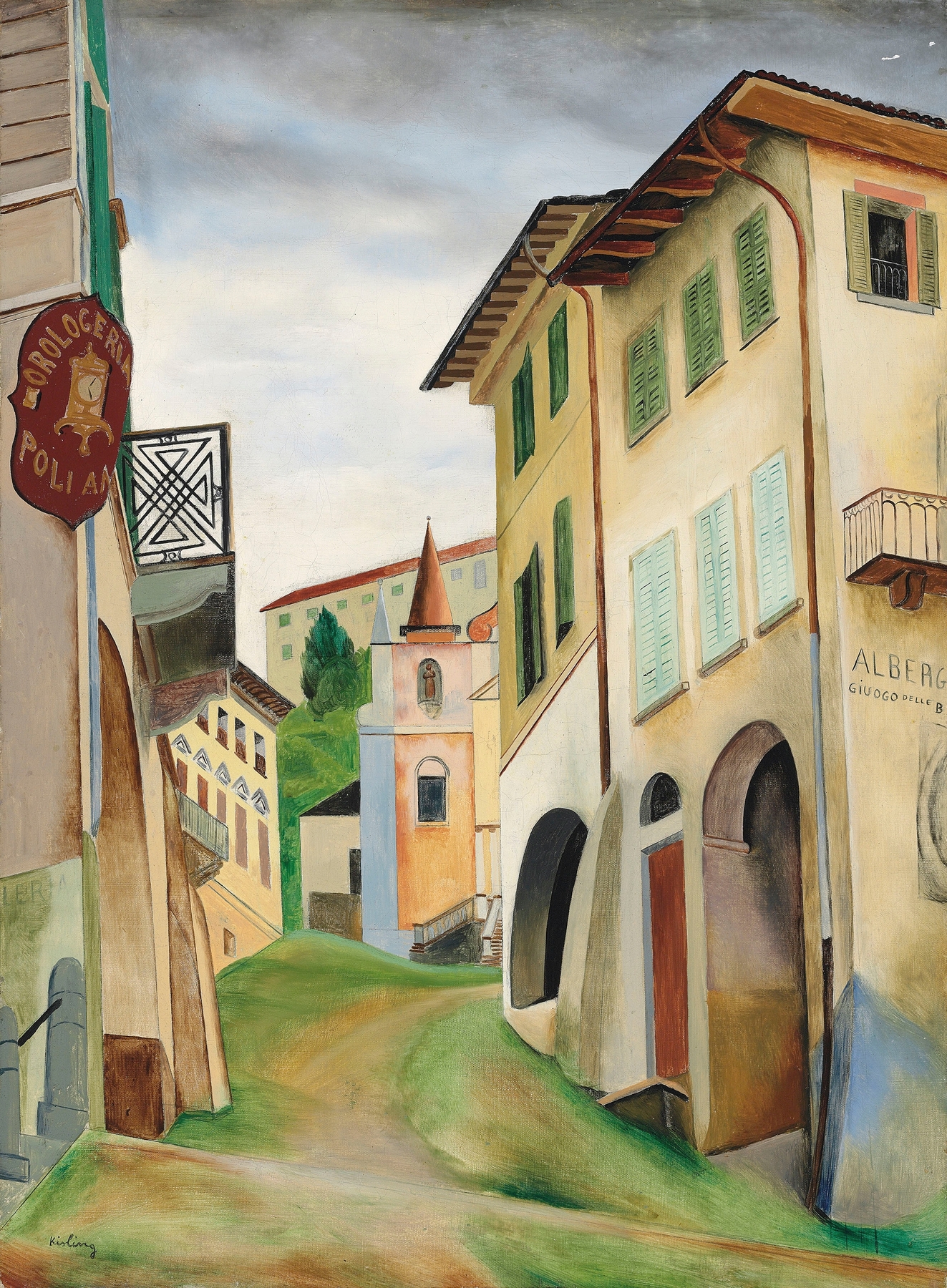
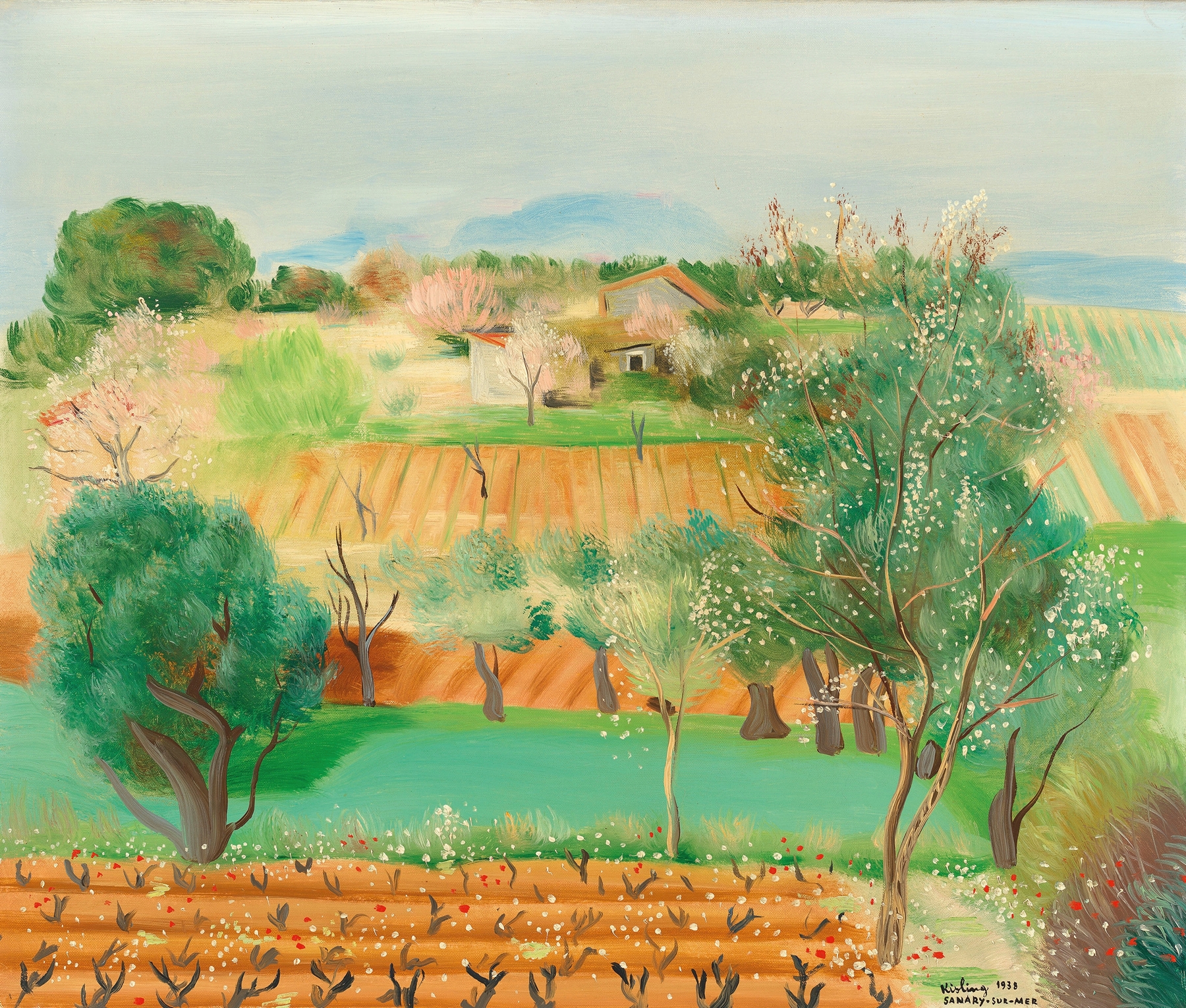
“Under the brush, chaos becomes grace.” In the delicate balance of a single moment, we find the essence of melancholy that weaves through life’s canvas. It is an invitation to linger in the depths of emotion, to explore how beauty and sorrow exist side by side. Focus on the gentle shoreline to the left, where the calm azure waters meet the sandy beach. Notice how the painter captures the dappled light dancing on the surface, creating ripples of glistening color that draw the eye. The warm tones of the sunlit buildings in the background evoke a sense of nostalgia, framing the scene with a soft golden embrace, while the cool shadows hint at the passage of time.
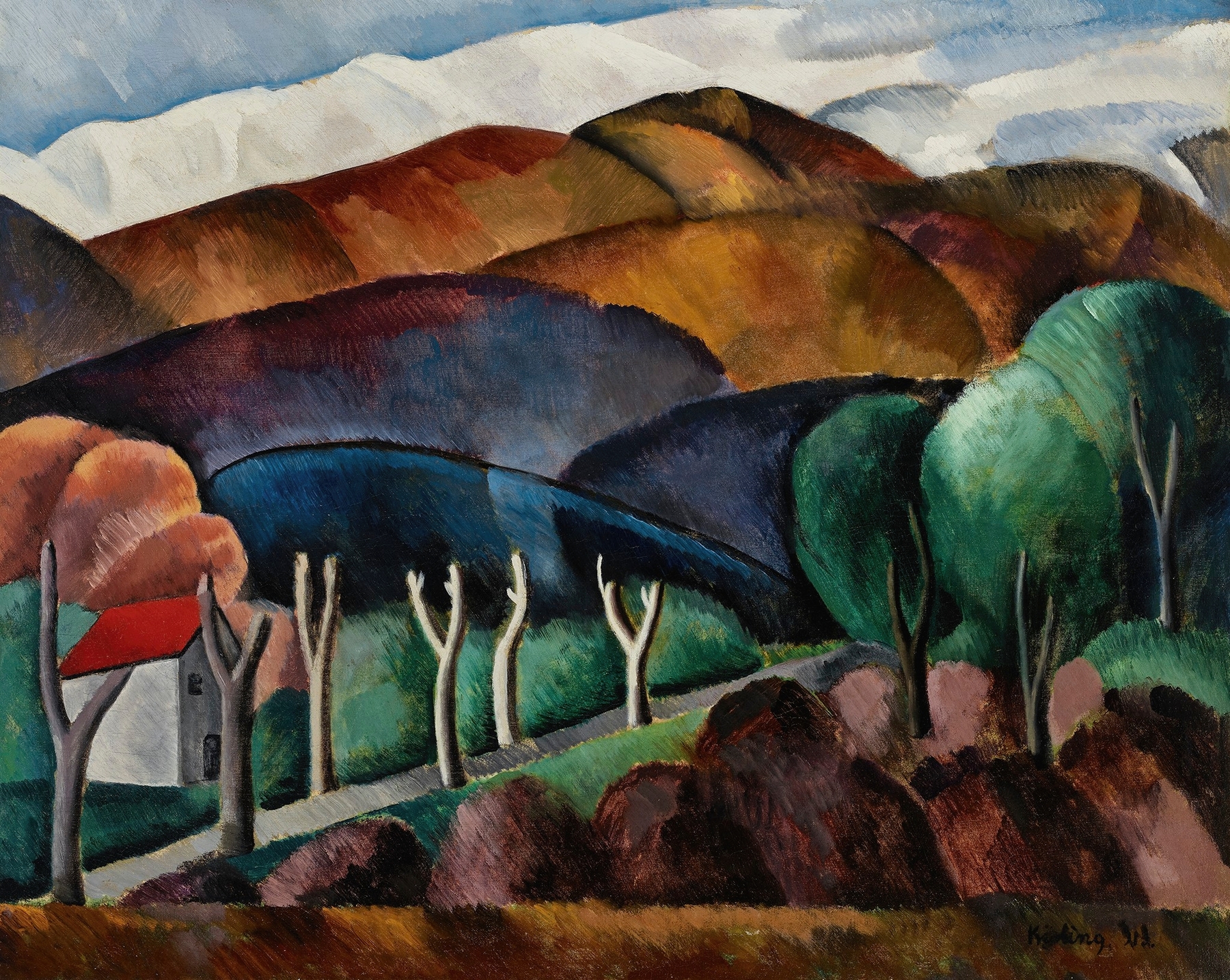
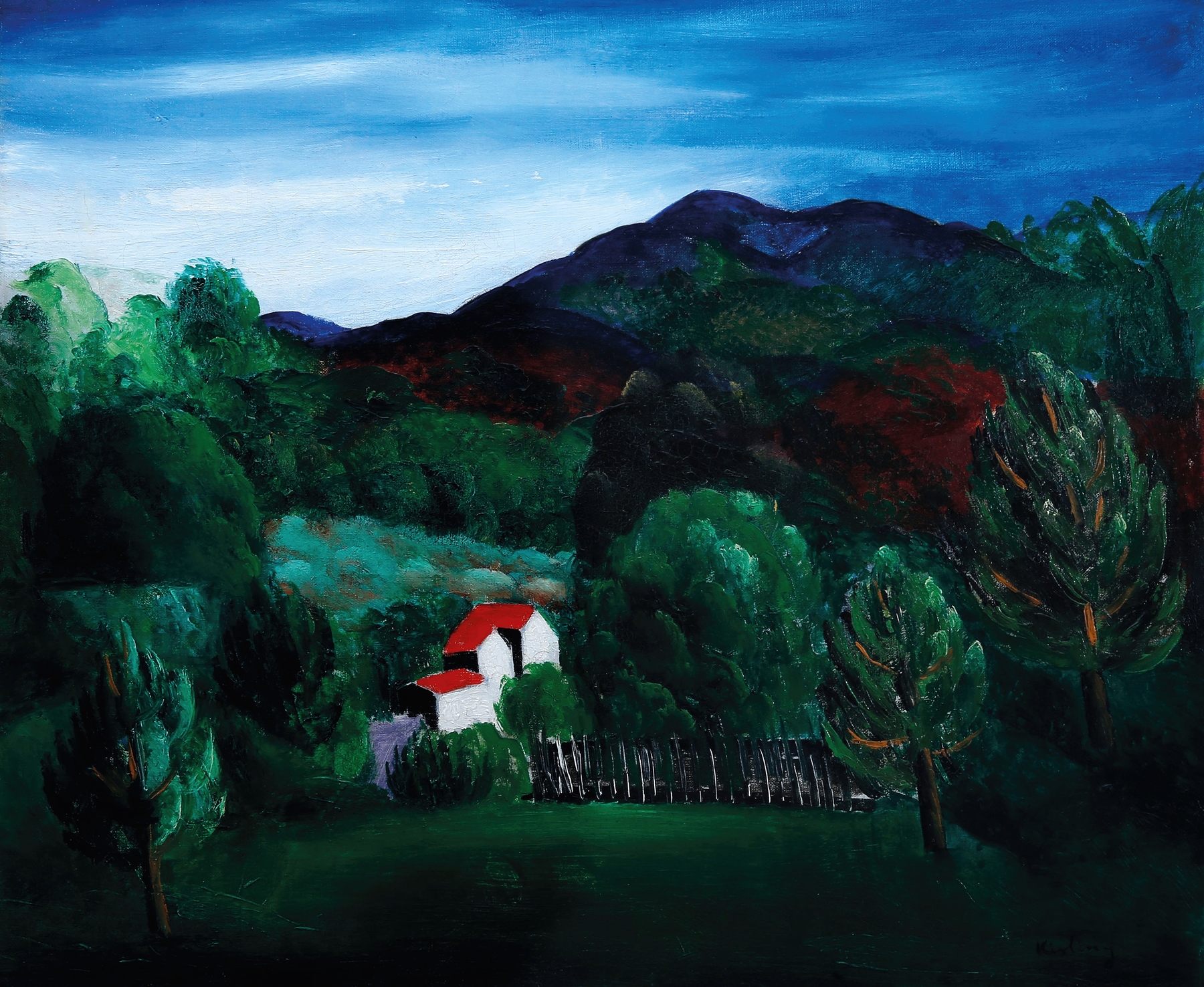
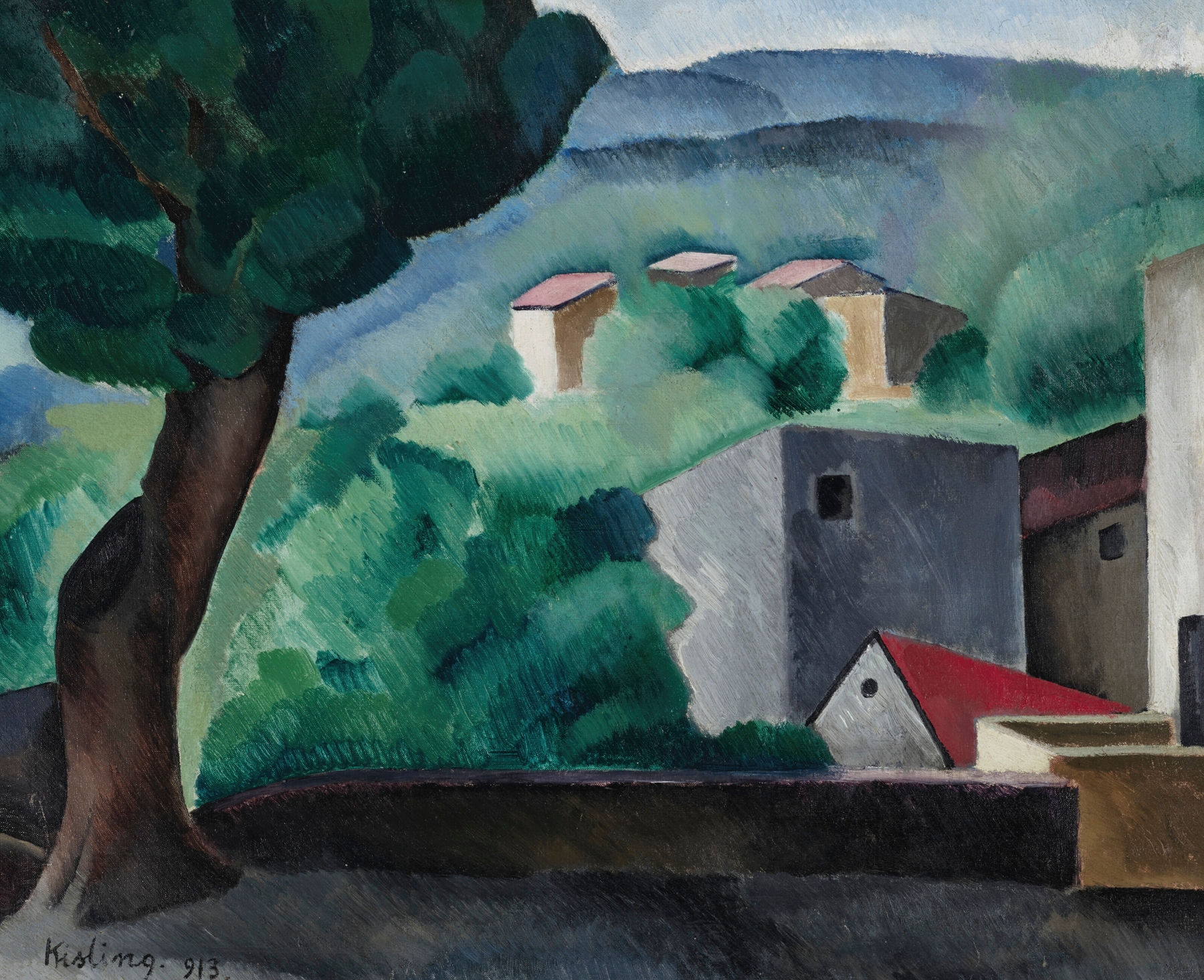
Kisling’s brushwork harmonizes expressionism and impressionism, infusing life into each stroke, inviting contemplation. The juxtaposition of vibrant hues with muted shadows unveils a poignant narrative lurking beneath the surface. The figures, portrayed with a sense of distance, evoke a longing that transcends the idyllic setting. Their positioning suggests an emotional isolation within the beauty, hinting at stories untold and unexpressed desires.
Here, the interplay of light and shadow serves not just as a backdrop, but as a reflection of the internal struggles we often carry, even in moments of serene beauty. In 1938, Moïse Kisling was living in Paris, a hub of artistic innovation and expression. Amidst the backdrop of political upheaval and the rise of fascism, his work began to explore deeper themes of identity and belonging. Drawing inspiration from his Jewish heritage and the turbulent world around him, Sanary emerged as a meditation on the bittersweet nature of existence, reflecting both personal and collective emotions during an era marked by uncertainty.