Ville-d’Avray — History & Analysis
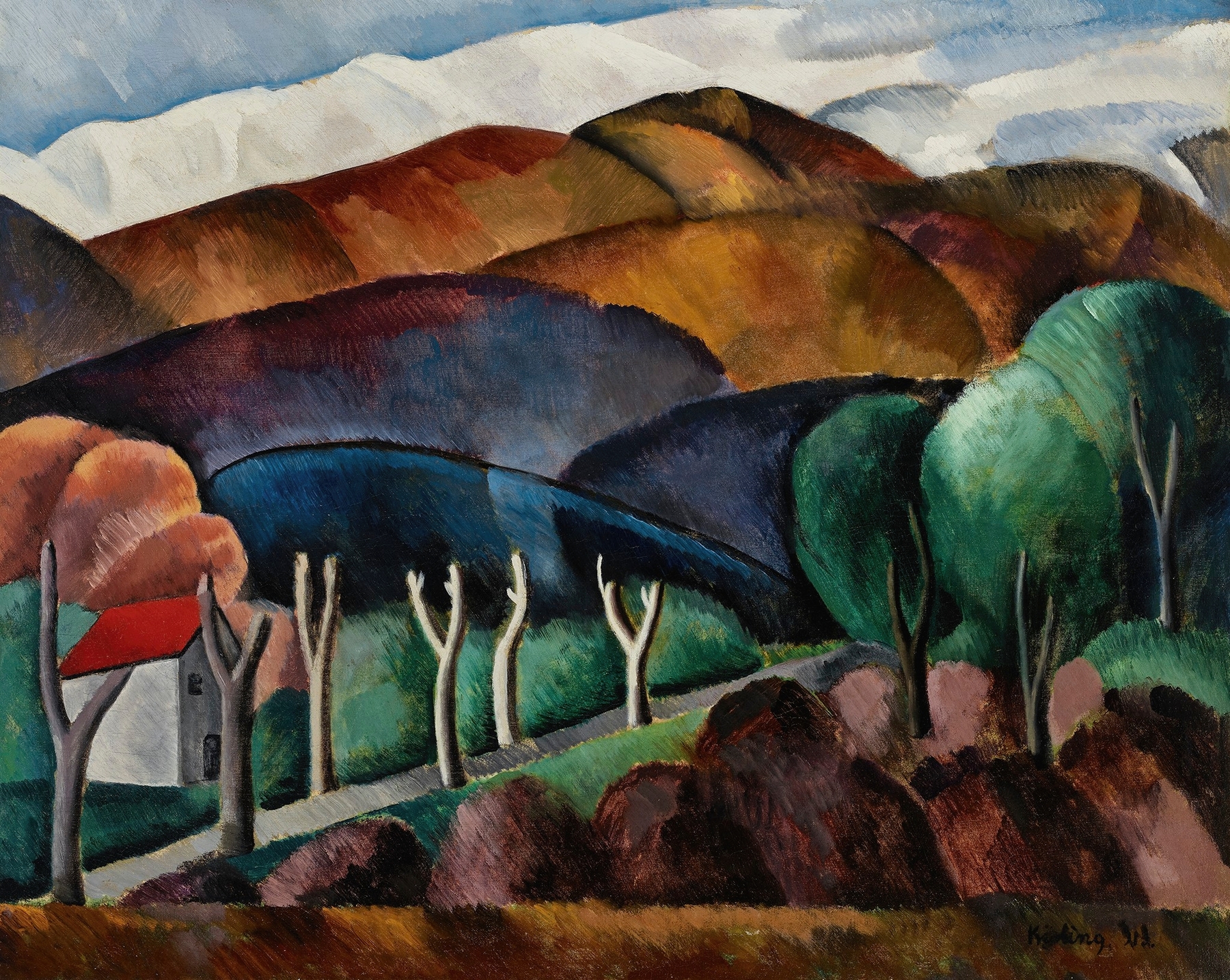
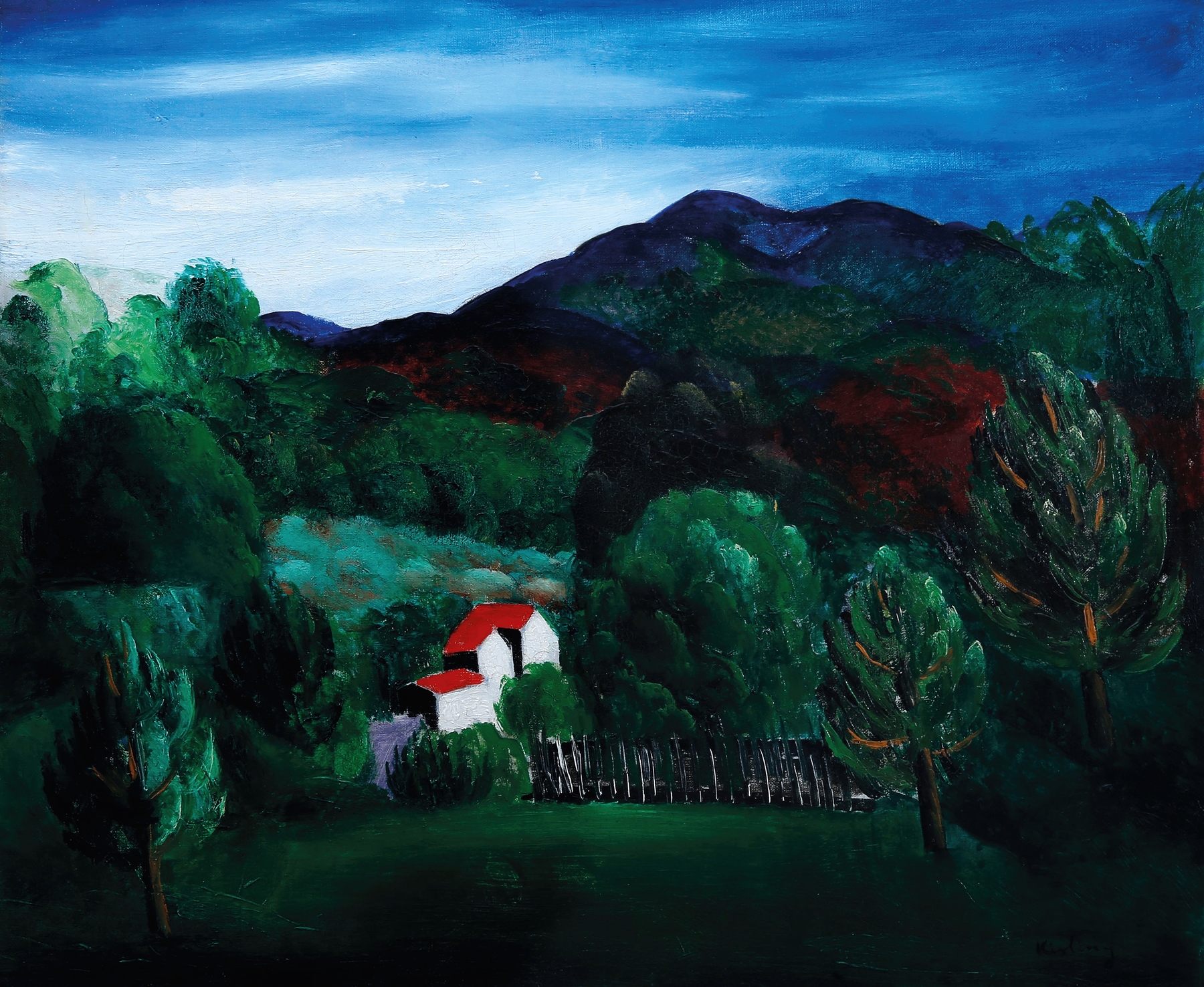
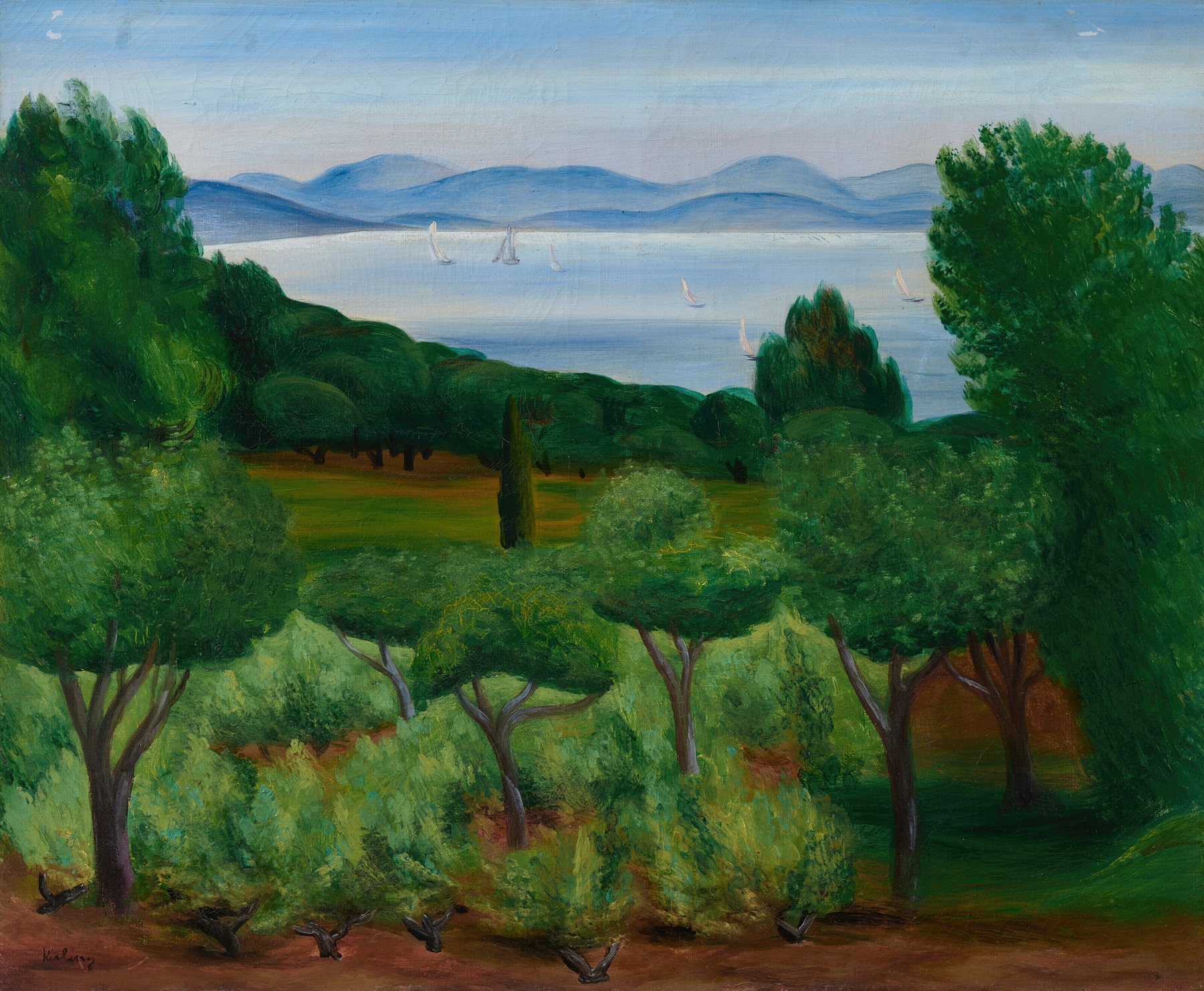
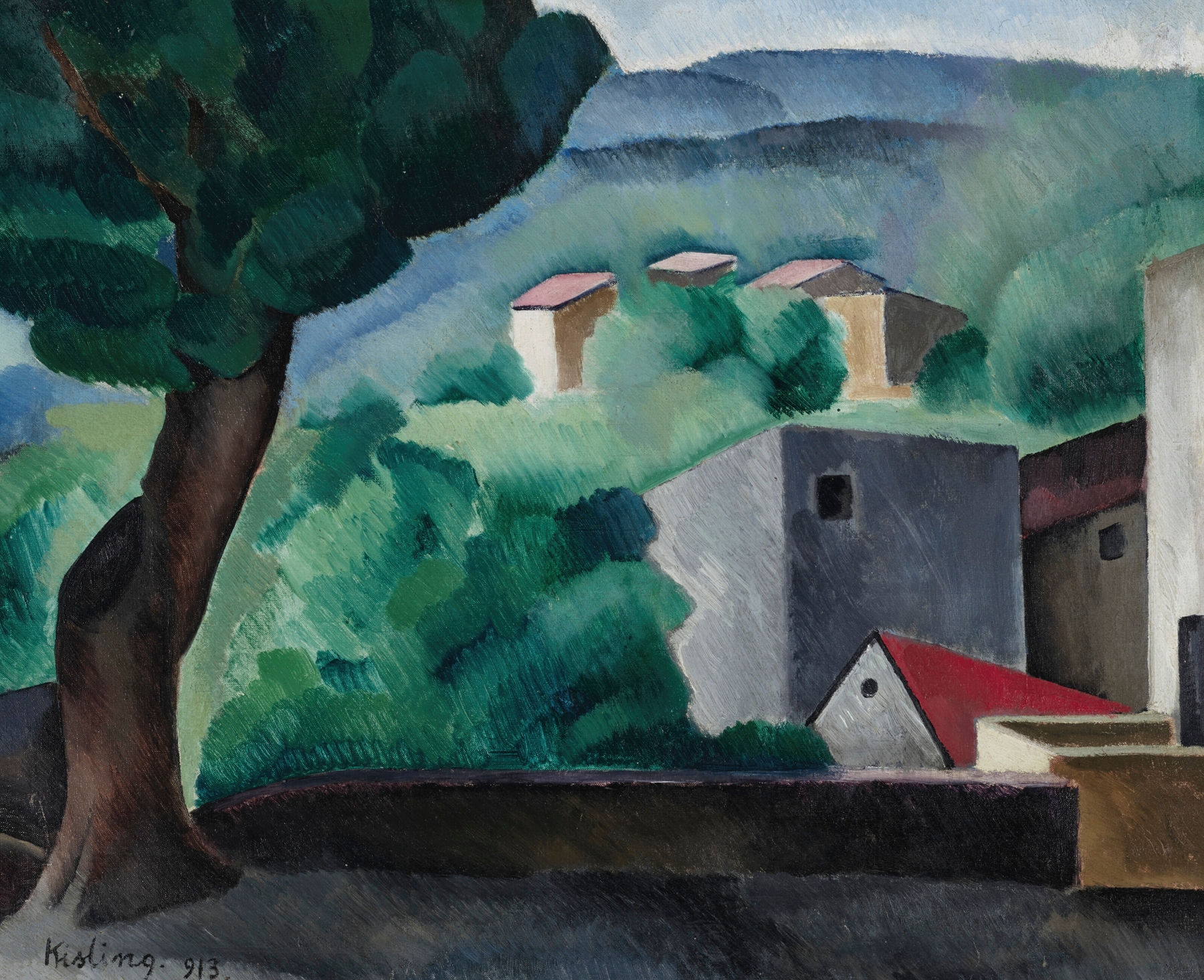
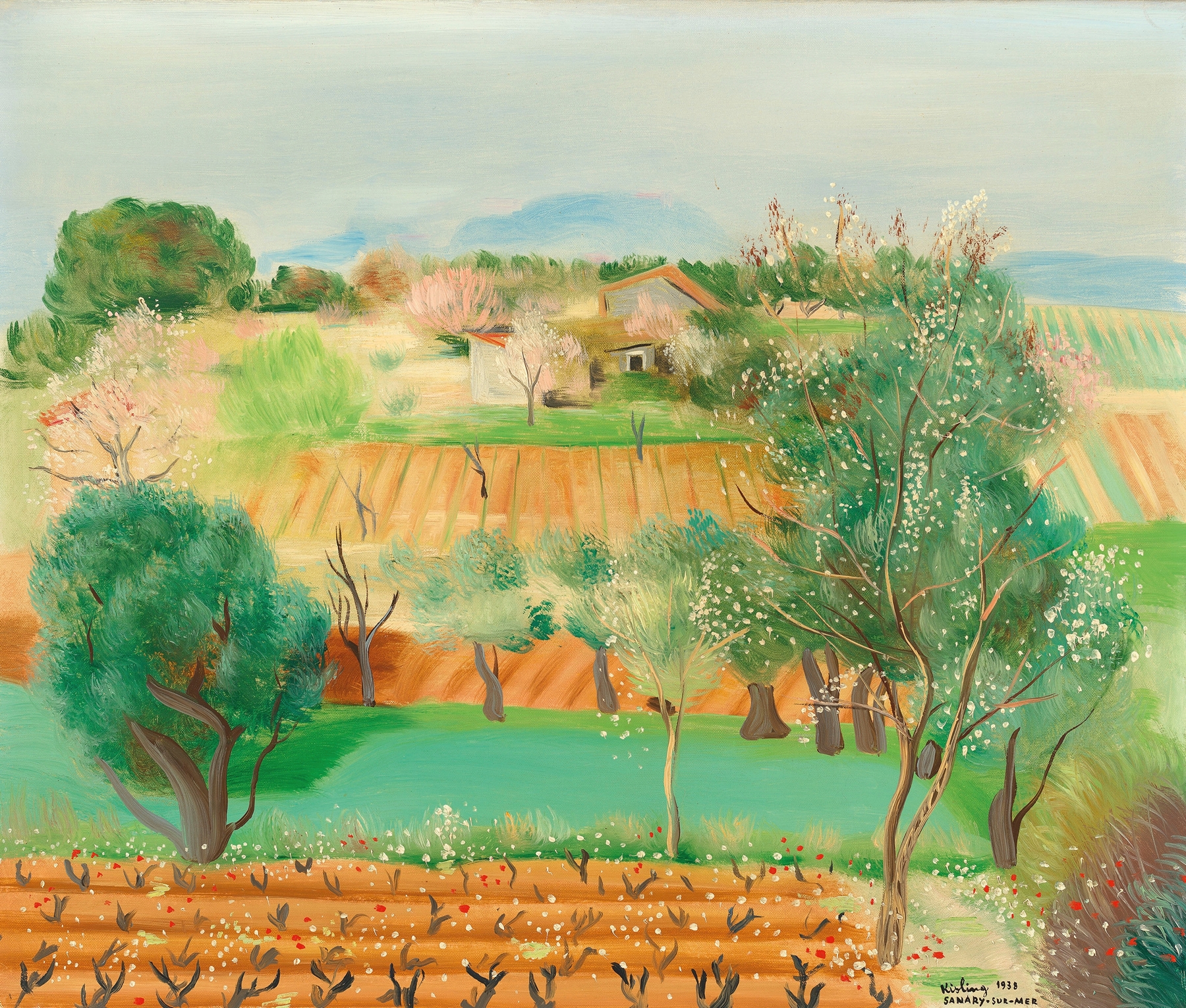
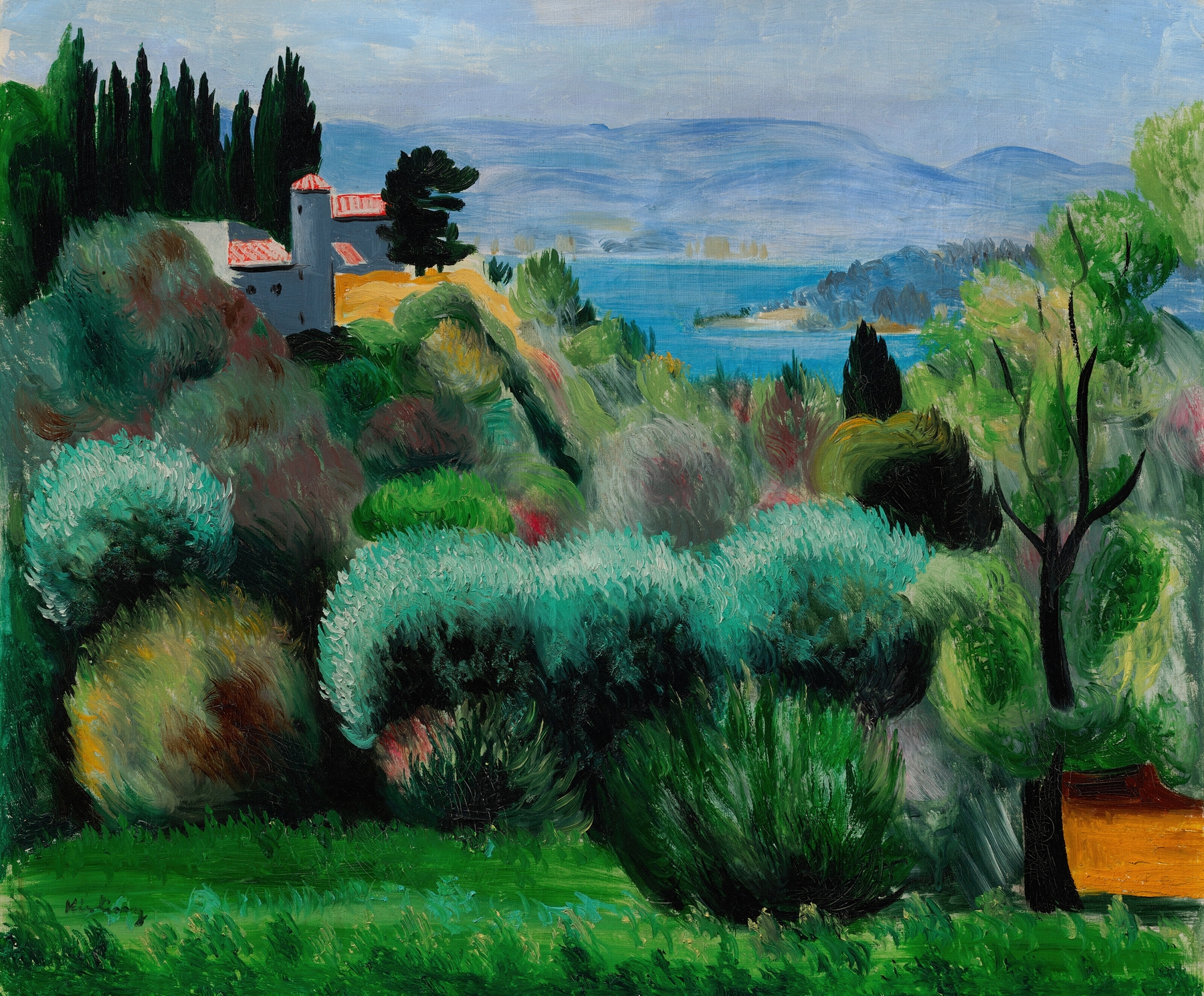
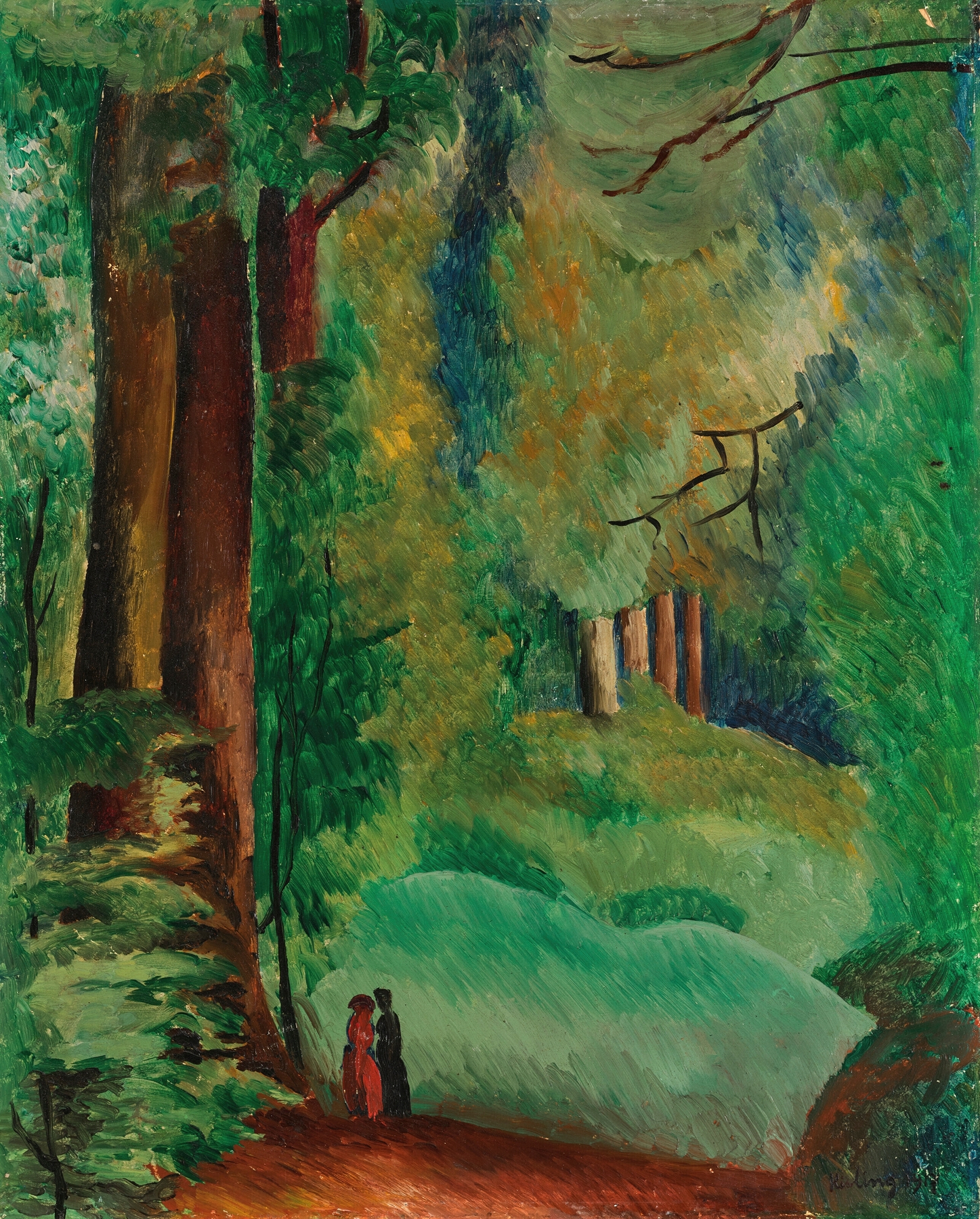
When did color learn to lie? In a world where hues often mask hidden truths, the vibrancy of Ville-d’Avray compels us to confront our perception of reality. Focus on the lush greens that dominate the canvas, leading your gaze towards a tranquil lake cradled by tall trees. The brushstrokes pulse with life, as if the foliage whispers secrets of nature’s hidden narratives.
Notice how the interplay of light and shadow dances across the surface of the water, reflecting not just the trees, but an emotional landscape that invites introspection. The palette melds rich tones with softer pastels, creating a sense of serenity that belies the tumult of the outside world. Beneath this idyllic scene lies a profound contrast between the peaceful setting and the chaotic backdrop of a world embroiled in war. The harmonious colors echo a longing for beauty and stability, yet the viewer is reminded of the upheaval of 1917, when such tranquility felt like an illusion.
Small, almost imperceptible details, like the rippling water or the flickering light, suggest a transient existence—an image frozen in time, while life outside rages on. In 1917, Moïse Kisling was creating Ville-d’Avray in Paris, amidst the fallout of World War I, a period marked by both artistic innovation and societal upheaval. As a part of the École de Paris, he was influenced by the vibrant colors of post-impressionism, yet his work also reflected the emotional complexities and the upheaval of his time. Kisling’s choice to depict a serene landscape during such a tumultuous era speaks to the power of art to both escape and confront reality.