L’Albergo — History & Analysis
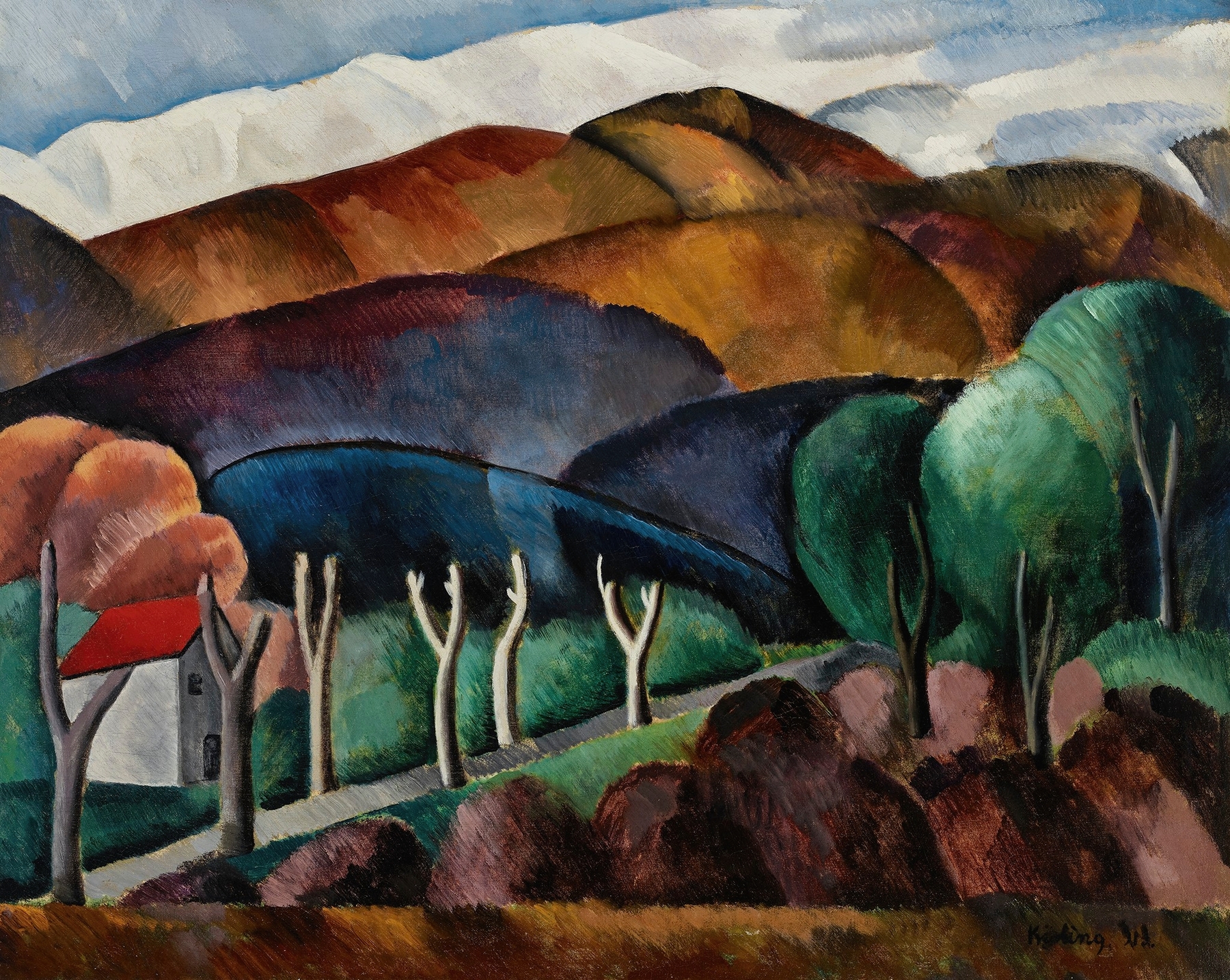
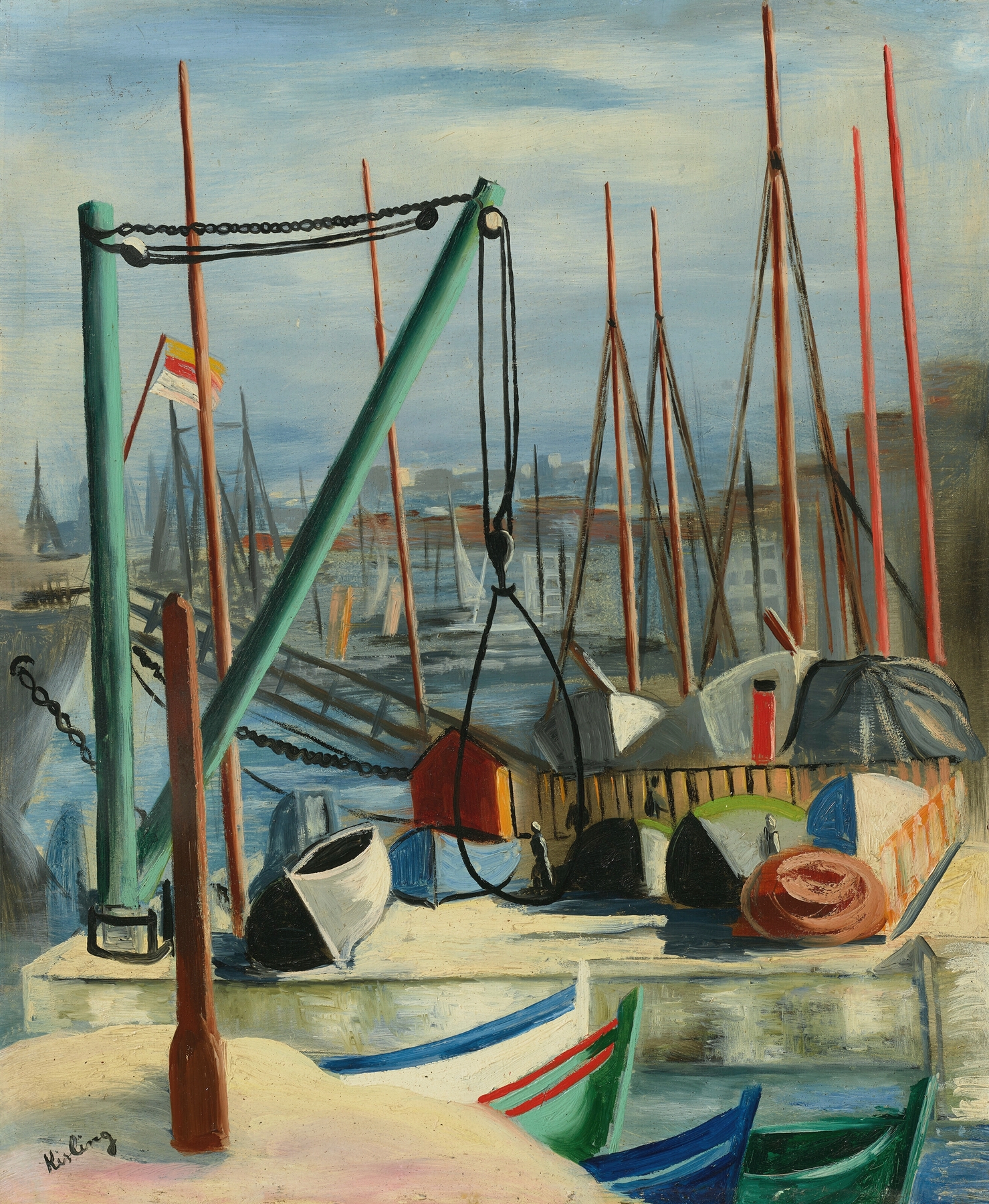
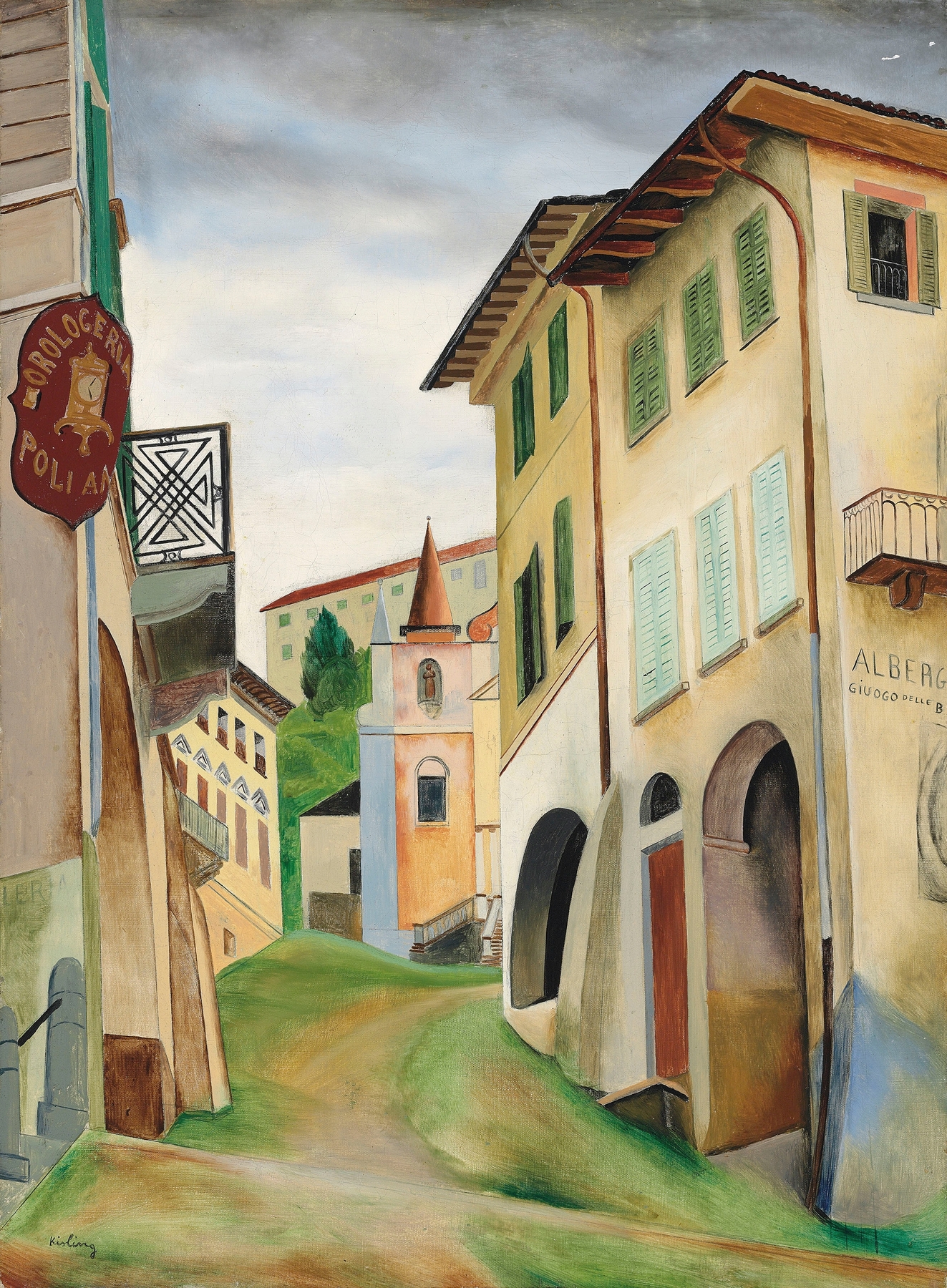
What secret hides in the quiet of the canvas? In L’Albergo, a seemingly simple interior invites us into a world layered with emotion and contemplation. Look to the center of the composition, where a cozy room unfolds before us, illuminated by soft, natural light filtering through a window. The warm tones of ochre and deep reds embrace the details of a solitary chair and a carefully placed table, grounding the scene in a sense of intimate domesticity.
Notice how the shadows play along the walls, accentuating the contours of furniture, creating a space that feels both inviting and haunting. Delve deeper into the subtleties: the abandoned chair speaks of solitude, while the silent table suggests a gathering place long forgotten. Each brushstroke conveys the weight of stillness, evoking a sense of nostalgia intertwined with longing. The contrasts between light and dark reflect the duality of presence and absence, hinting at stories left untold, memories clinging to the air like whispers.
In 1922, Kisling painted L’Albergo during a period of exploration and transition. Living in Paris, he was immersed in a vibrant artistic community, yet he often grappled with the weight of his own history as a Jewish artist in post-war Europe. This work emerges from a desire to create beauty amidst turmoil, revealing both the artist's introspection and a broader cultural dialogue, encapsulating the essence of a moment in time.