Marseille — History & Analysis
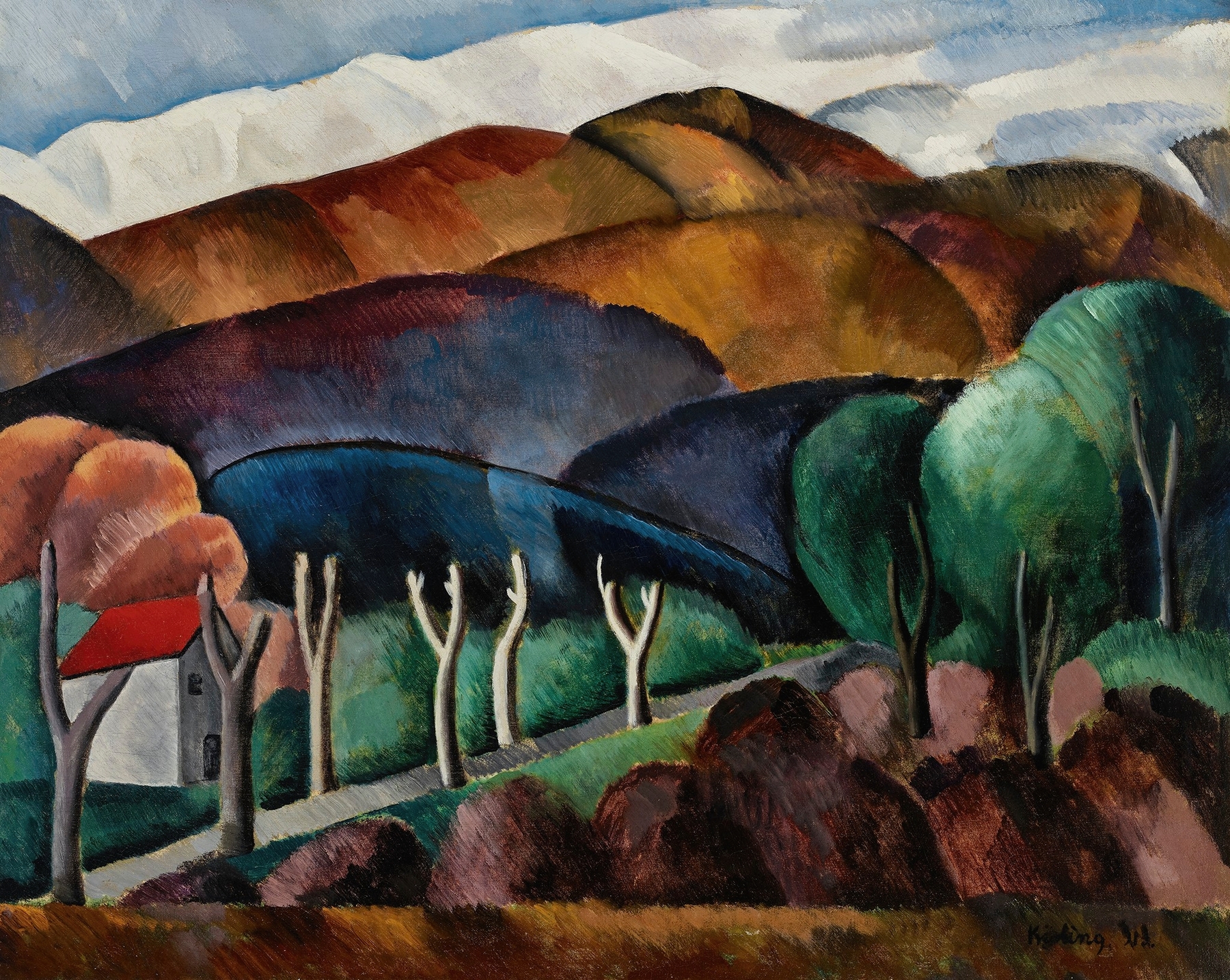
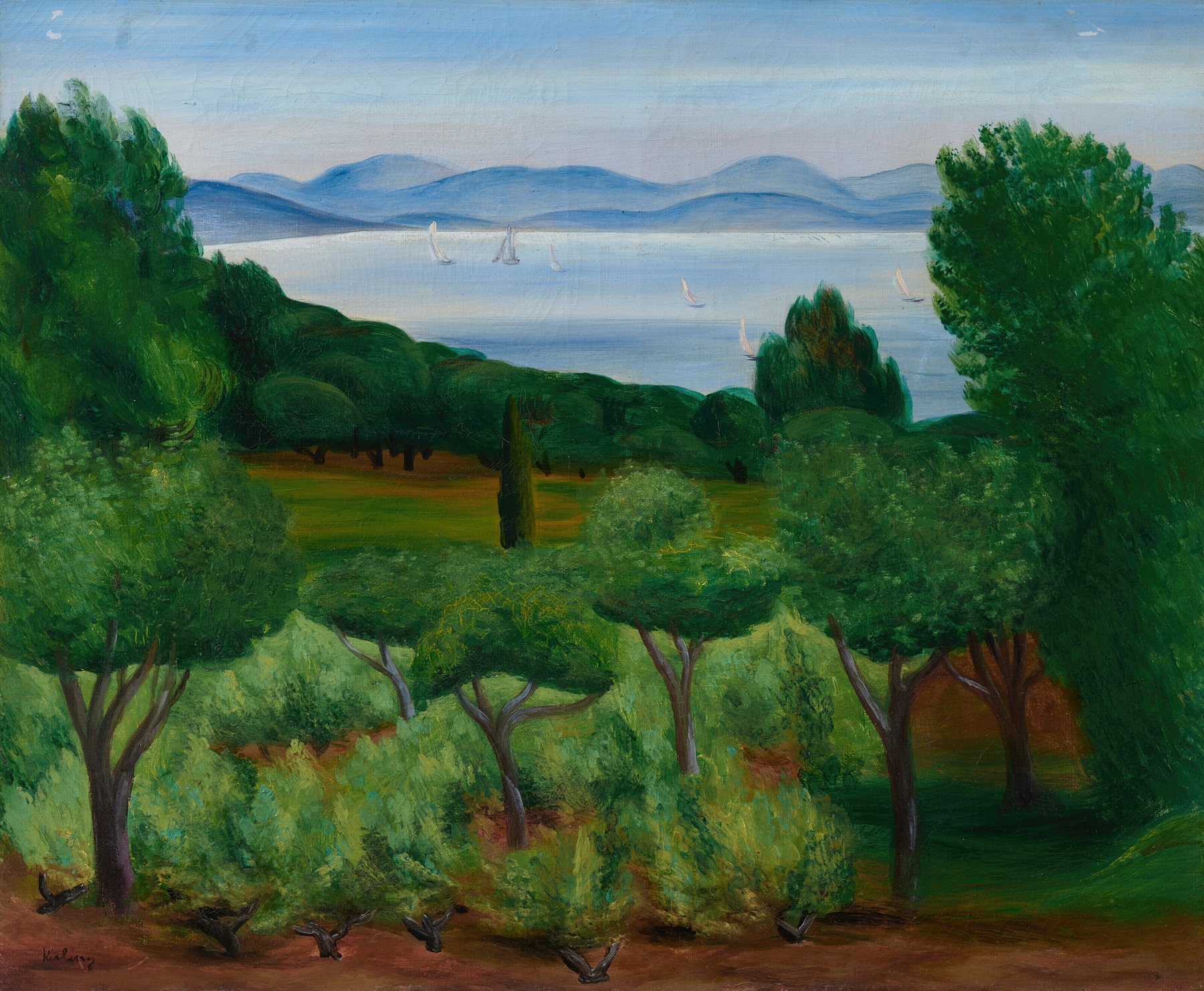
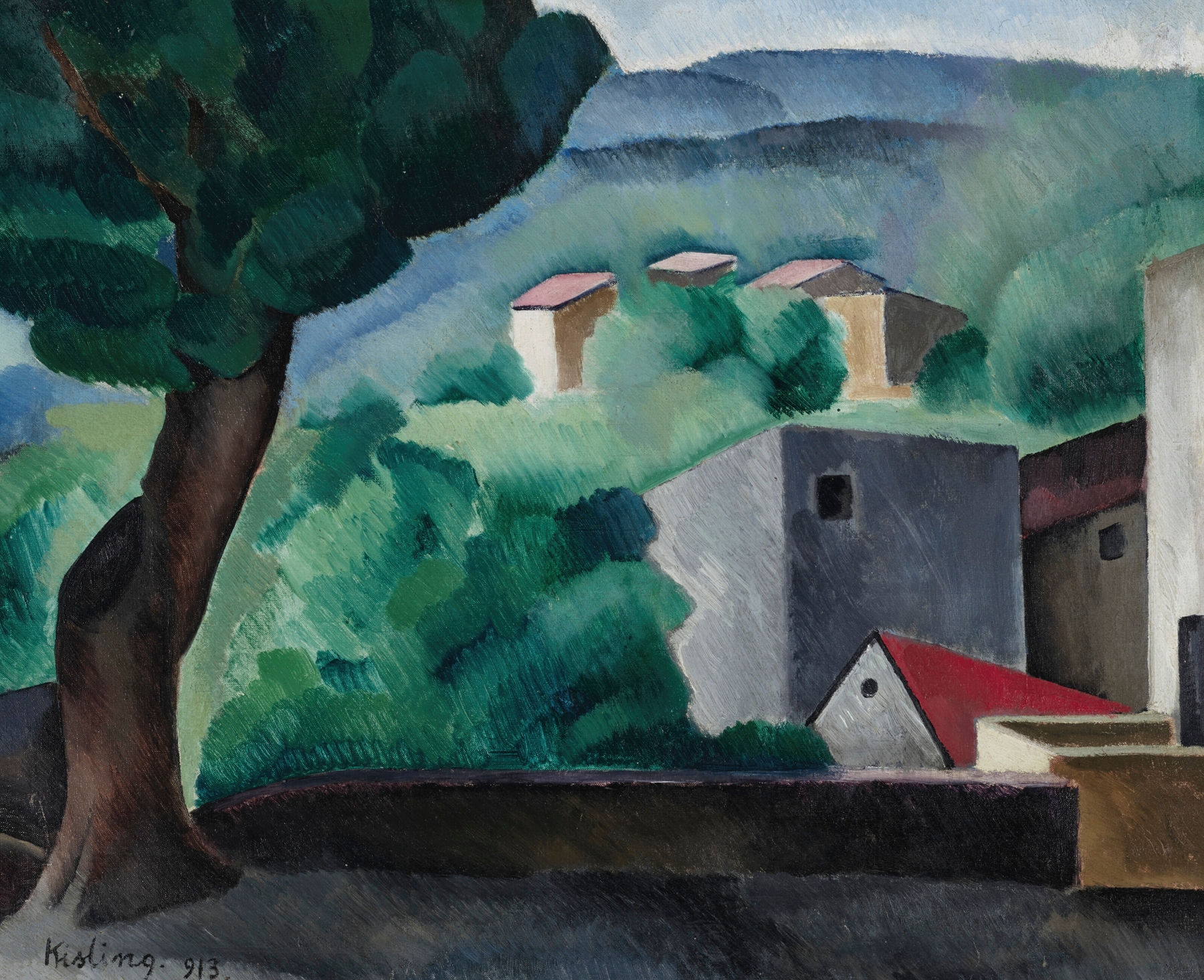
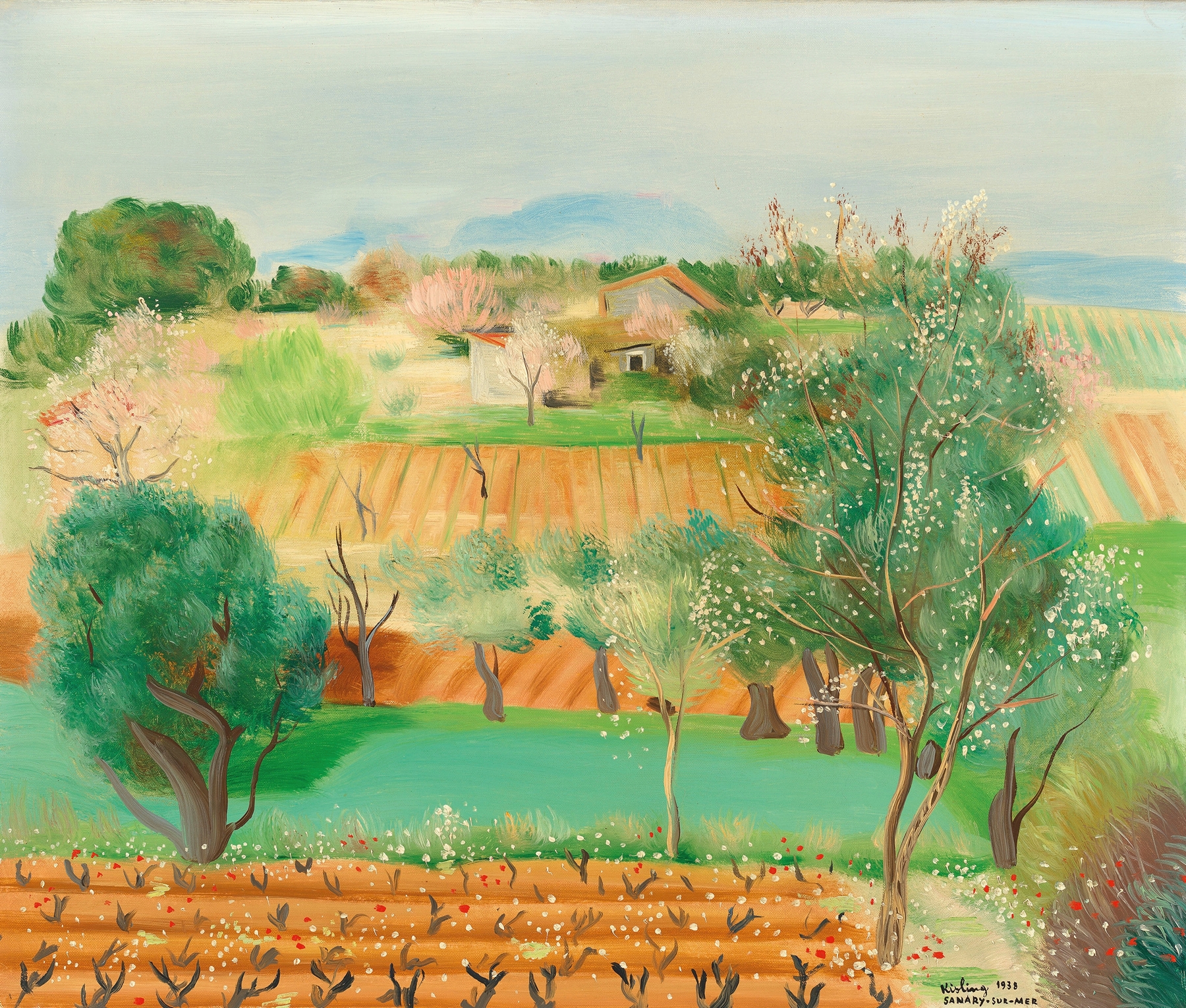
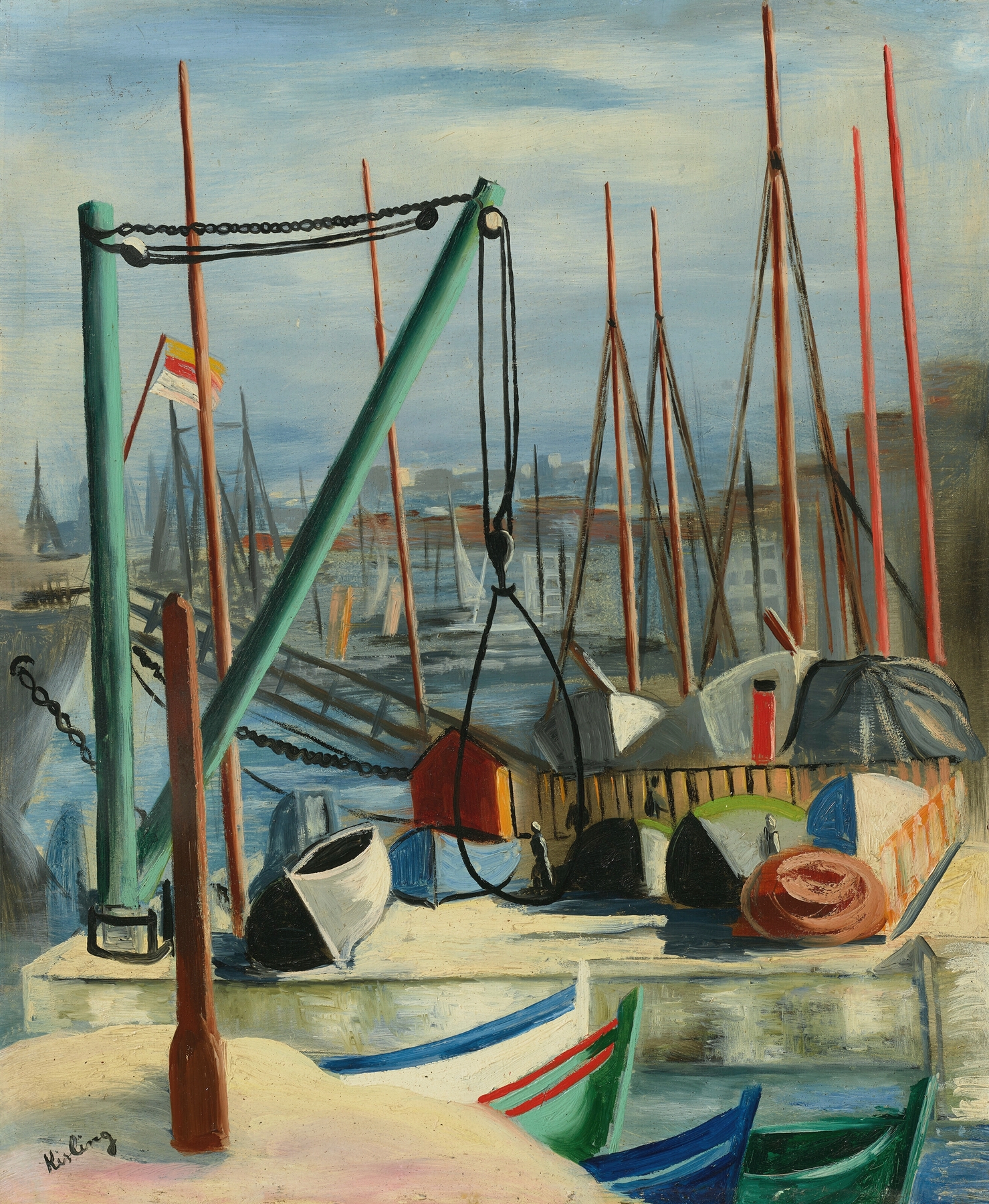
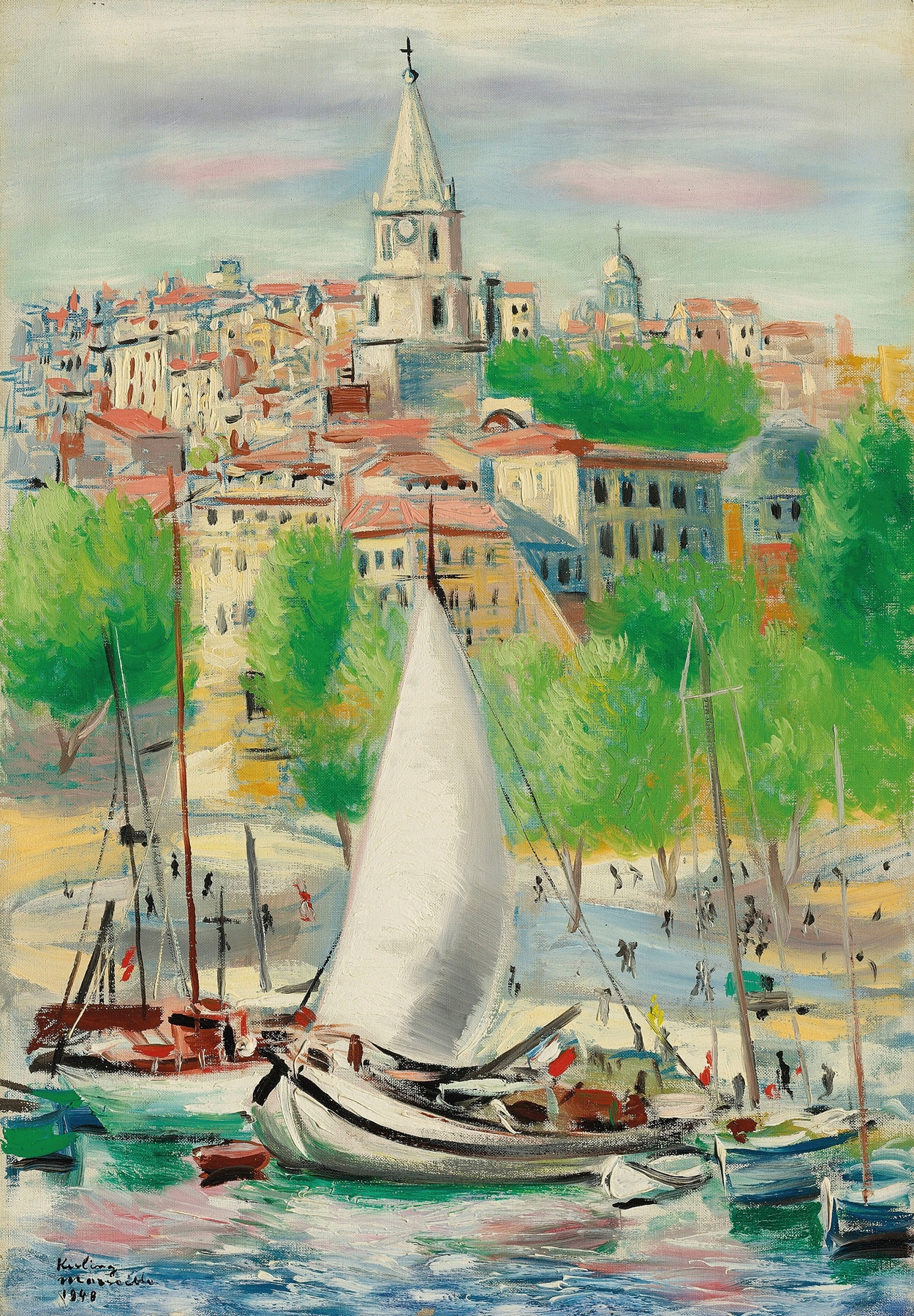
Did the painter know this moment would outlive them? In Marseille, the awe of the Mediterranean unfolds with a vibrant embrace, capturing the essence of a sun-kissed coastal city that dances on the edge of time. Look to the right at the luminous azure waters, where kiss of sunlight casts shimmering reflections against the soft brushstrokes. The composition beautifully balances the lively harbor bustle with tranquil moments; boats sway gently as they cradle the spirit of the sea.
Vibrant hues of orange and yellow intermingle with the deep blues, while the architecture rises in a harmonious blend of shapes, inviting the eye to explore every corner of this idyllic scene. There exists a juxtaposition between the bustling life of the port and the stillness of the surrounding landscapes. The painter emphasizes this contrast through the interaction of light and shadow; the sunlit areas feel alive, while the shaded parts evoke a sense of serene contemplation. Each detail, from the elegantly rendered boats to the distant hills, pulses with the breath of history, suggesting that beyond this moment lies a rich narrative filled with dreams and memories.
In 1948, Moïse Kisling painted Marseille in the wake of World War II, a time when artists grappled with the boundaries of representation and abstraction. Living in Paris yet inspired by the landscapes of his native Poland and travels, Kisling responded to a world yearning for beauty and solace through this vibrant portrayal. His work exemplifies the post-war desire to celebrate life and resilience through art, marking a pivotal moment in the evolution of European painting.