Vue du temple (View of the temple) — History & Analysis
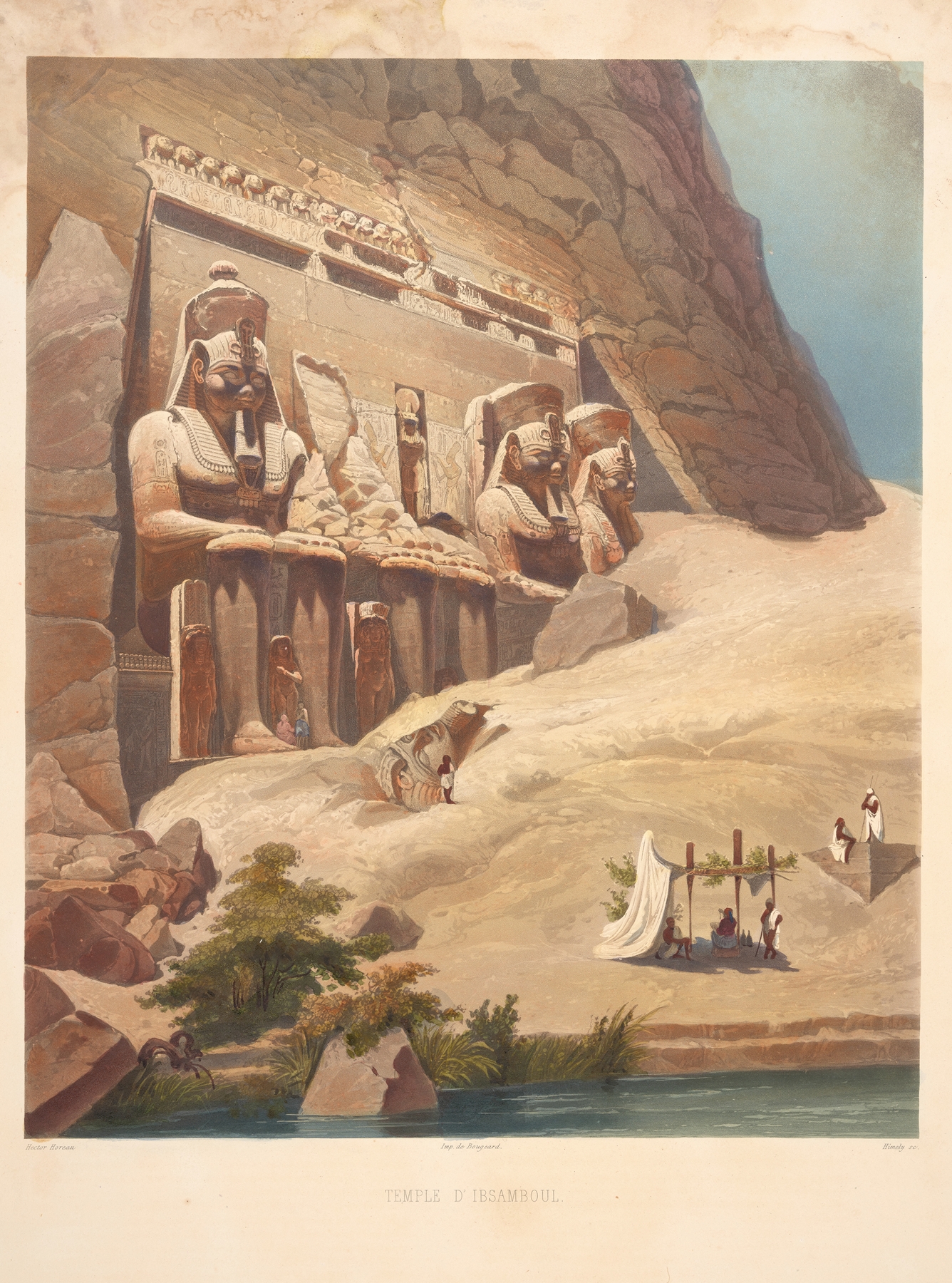
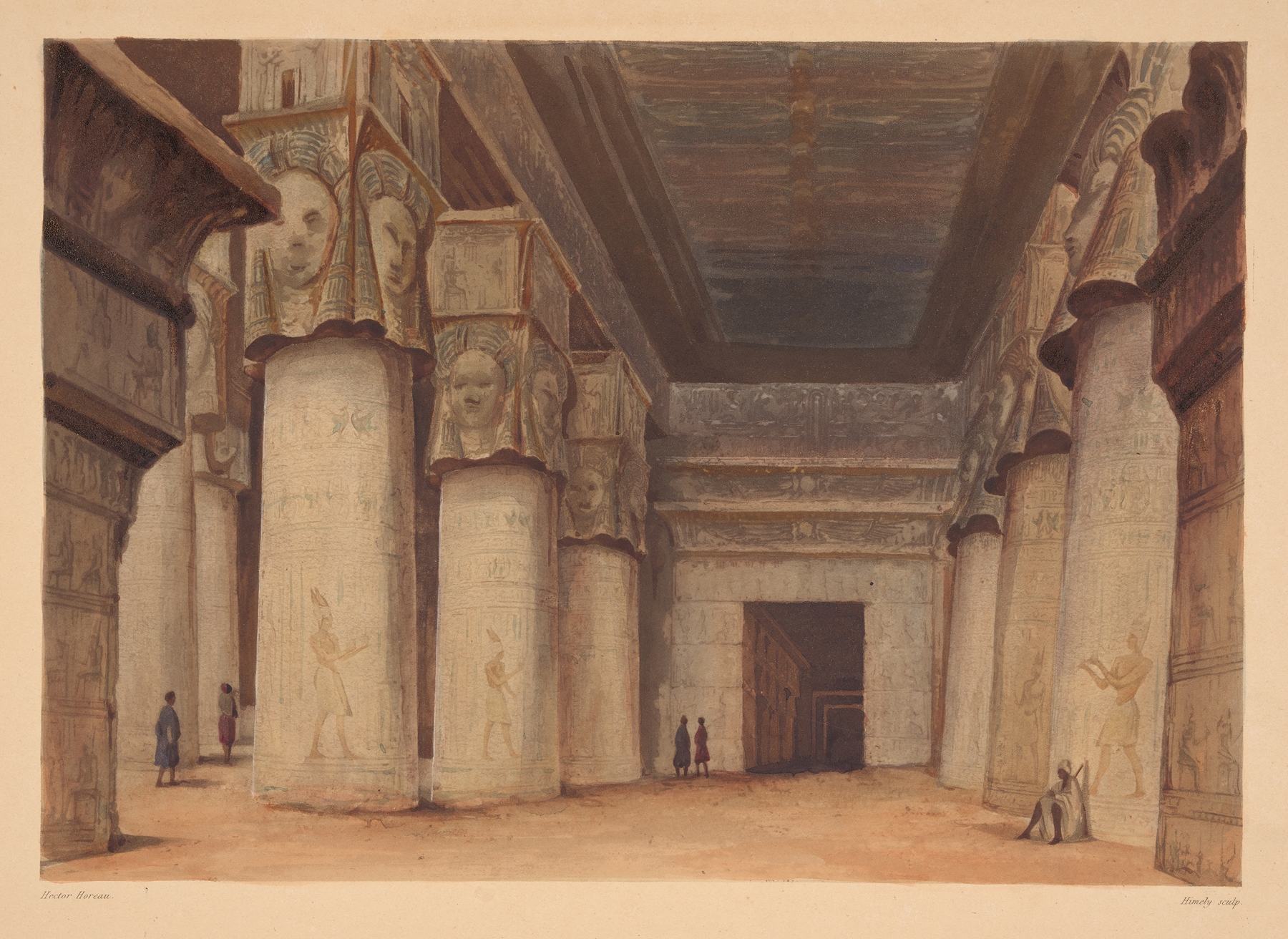
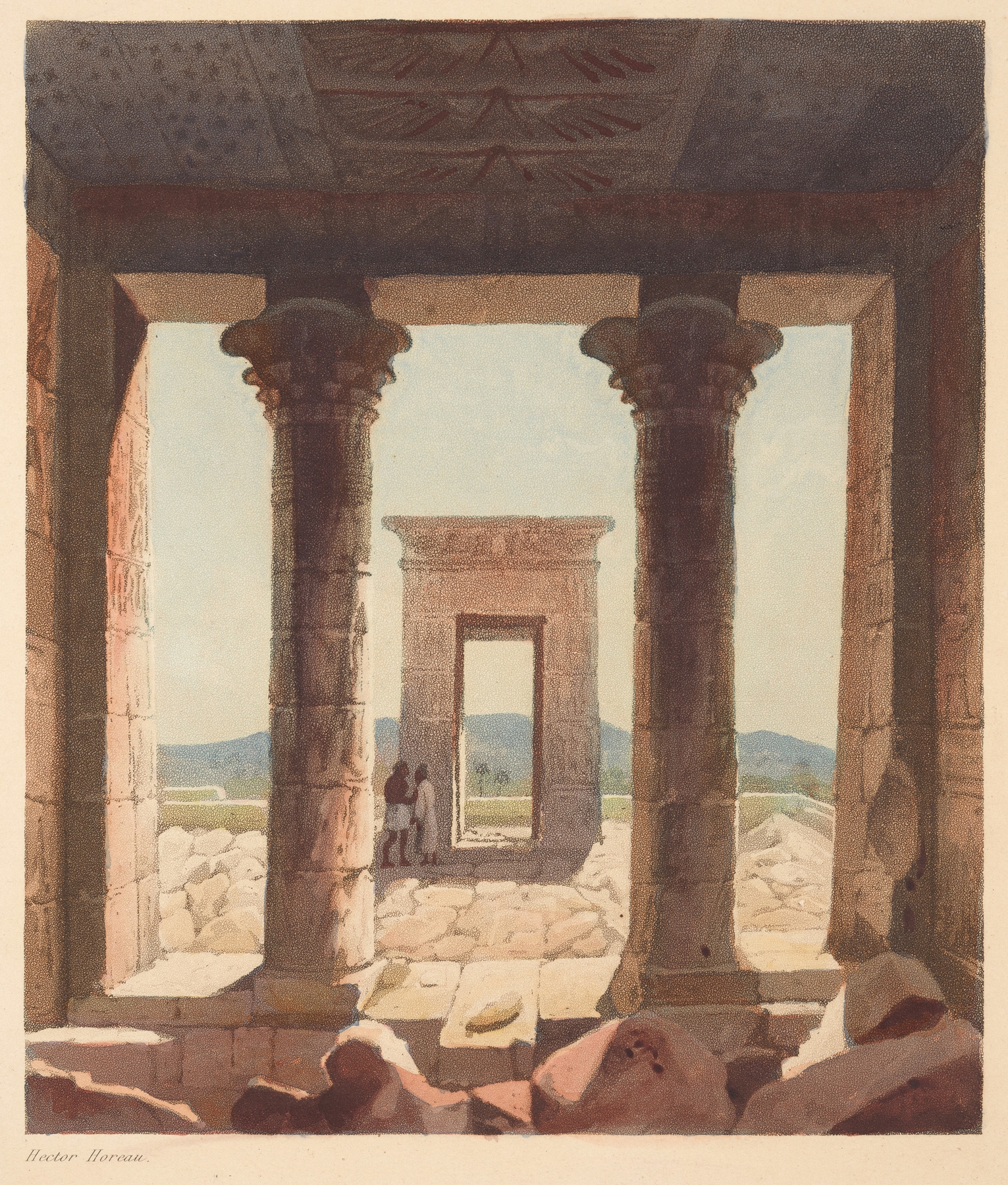
“Every brushstroke is a heartbeat remembered.” In a world bustling with noise and haste, serenity often feels elusive, captured fleetingly, like a whisper carried on the wind. Look to the left at the temple’s grand façade, where light gently caresses the stone, illuminating the intricate carvings with a soft glow. The composition draws the viewer in, leading the eye through the delicate interplay of shadows and highlights, revealing the profound tranquility that permeates the scene. The muted earth tones evoke a sense of history, while the careful placement of trees in the foreground adds depth and a touch of life to the stillness.
Within this serene landscape, contrasts emerge—the solidity of the temple against the fluidity of nature surrounding it. The serene blue sky looms vast above, signifying a promise of peace, while the intertwining branches suggest a connection between the celestial and the earthly. Each detail, from the texture of the stone to the gentle sway of the leaves, speaks to the harmony found in this moment, inviting contemplation and introspection.
In 1841, while creating this work, Horeau found himself in the midst of burgeoning Romanticism, a movement that sought to evoke emotion and individualism. Living in Paris, he was influenced by the artistic milieu of the time, which championed nature and its spiritual significance. His interpretation of the temple is a reflection of both personal serenity and the cultural zeitgeist, encapsulating a moment of tranquil beauty in a rapidly changing world.
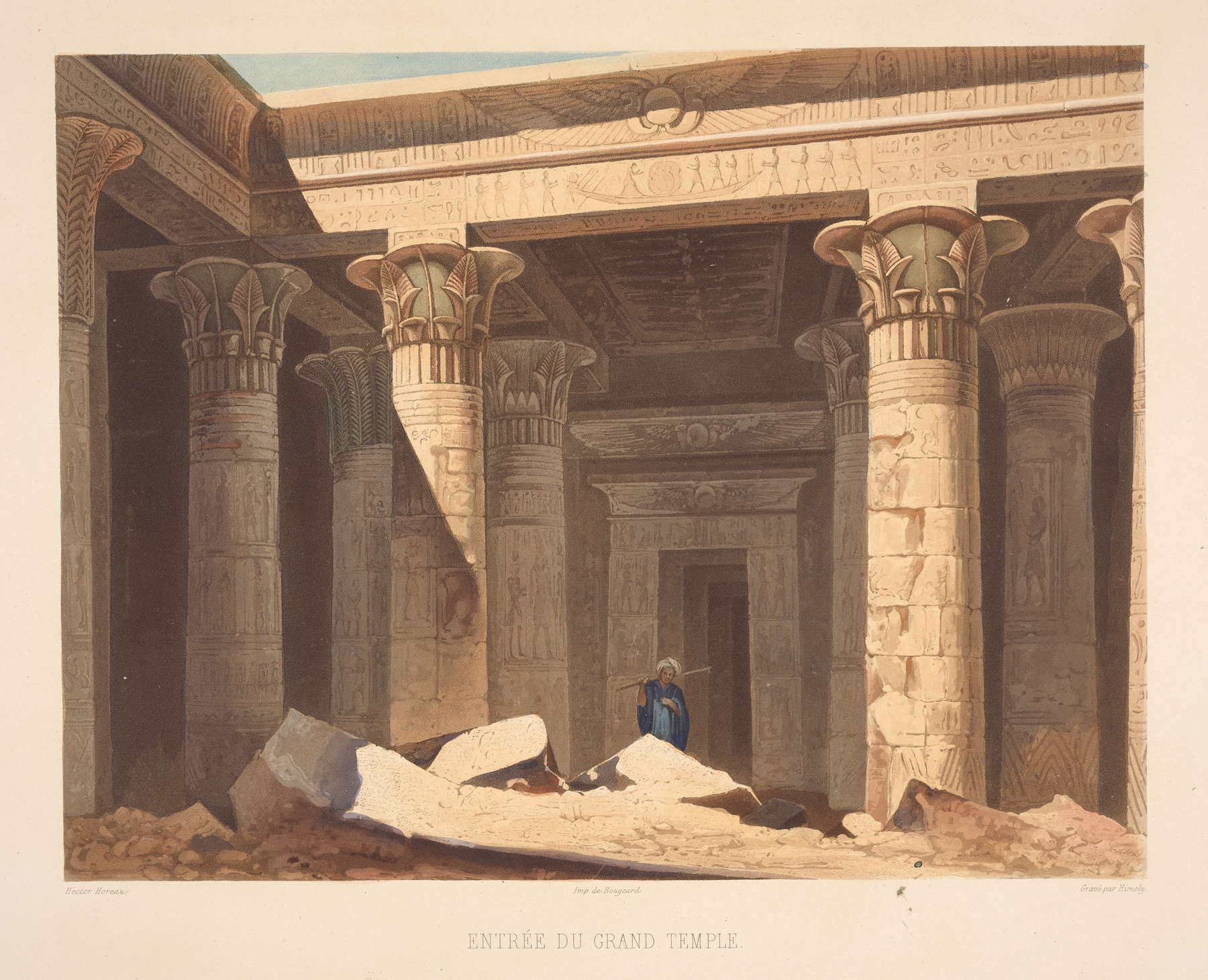
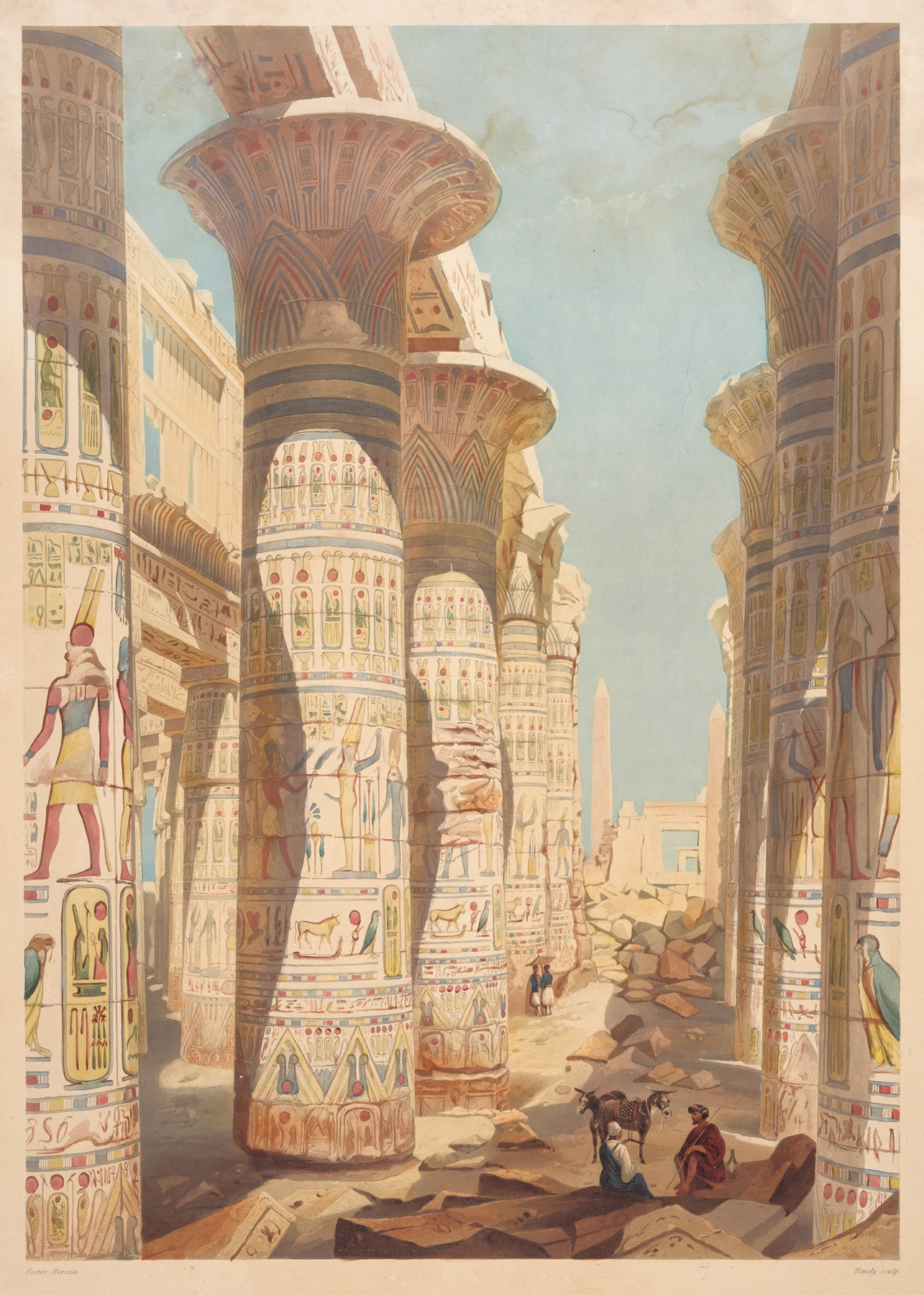
![Temple d’Ibsamboul [Interior view] (Temple of Abu Simbel), by Hector Horeau, public domain](https://froigstrpvutwqtqikzt.supabase.co/storage/v1/object/public/art-images/artworks/3156dbe8015f5681be442de2c2c50af40c84d5e10e8f68f04f9a54d6d857255f.jpg)