Das Innere eines Urwaldes (Im Paradies II) — History & Analysis
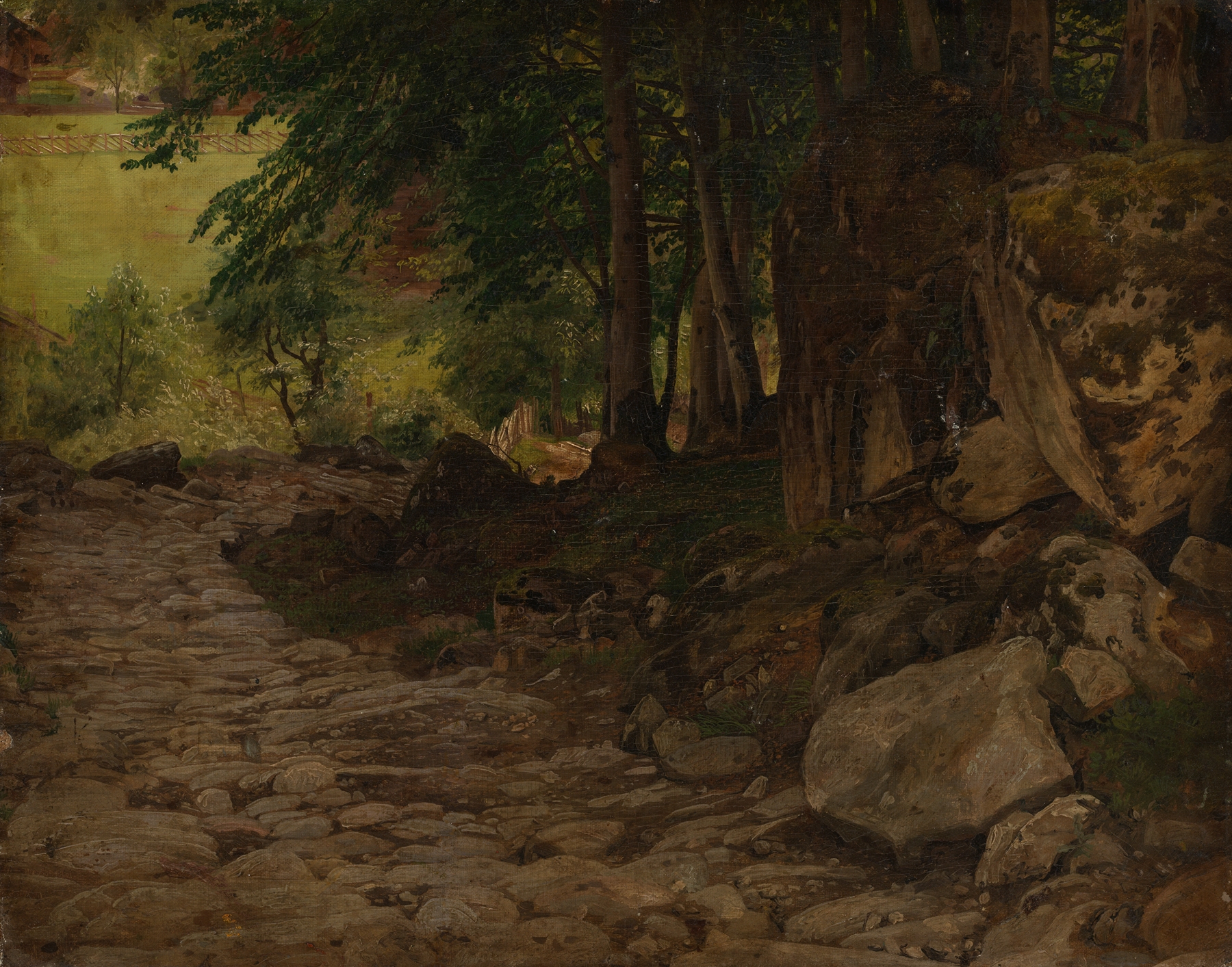
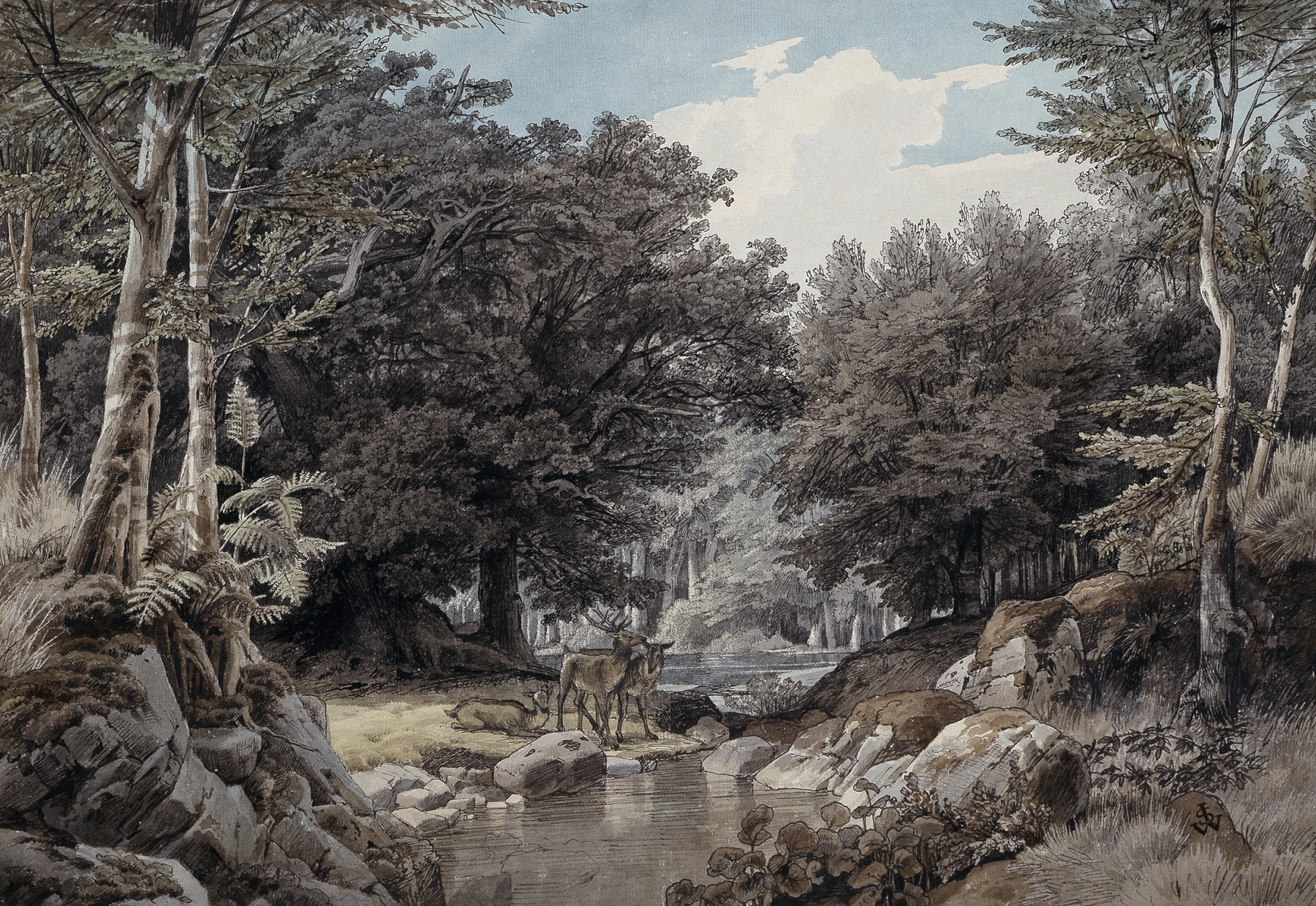
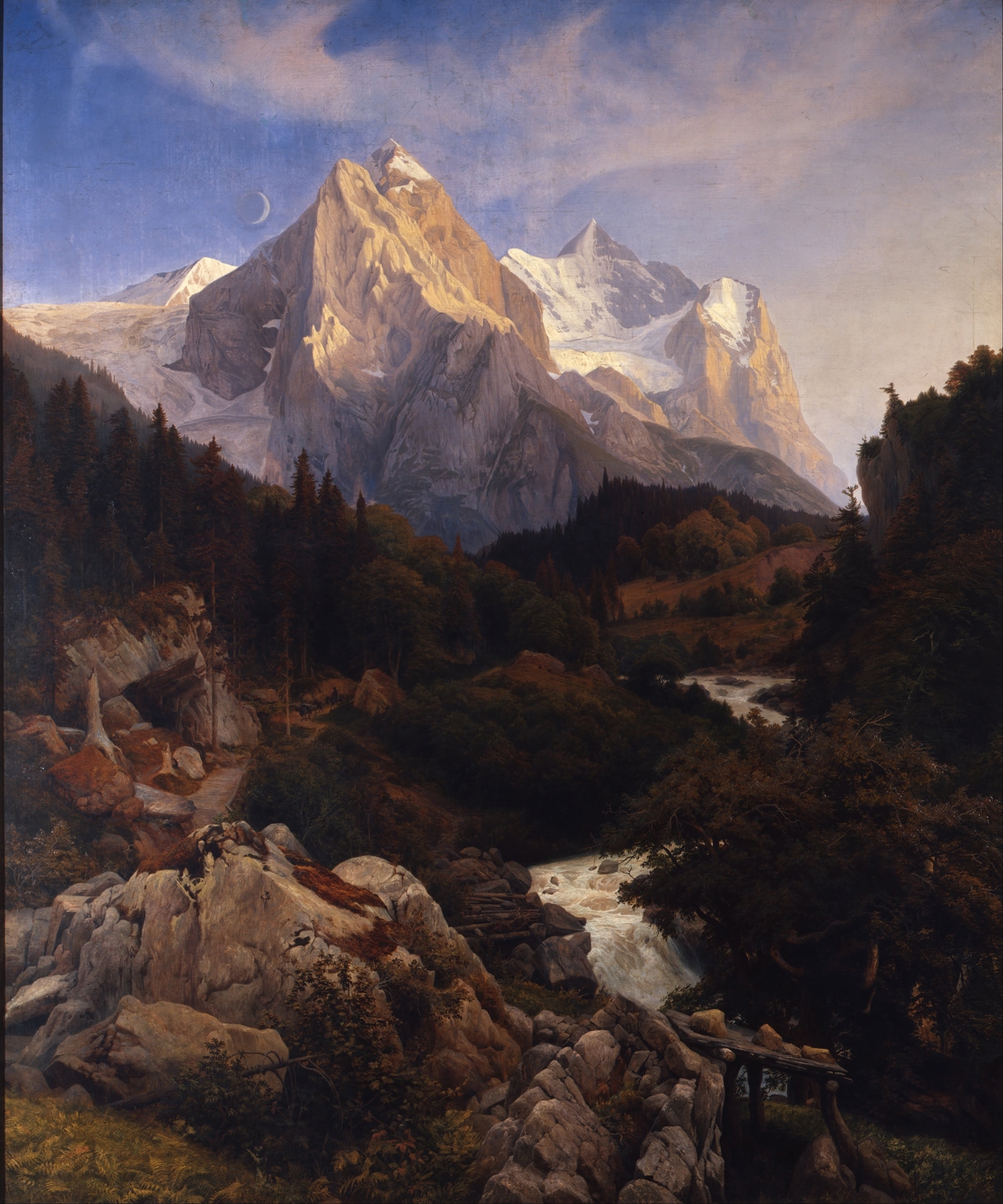
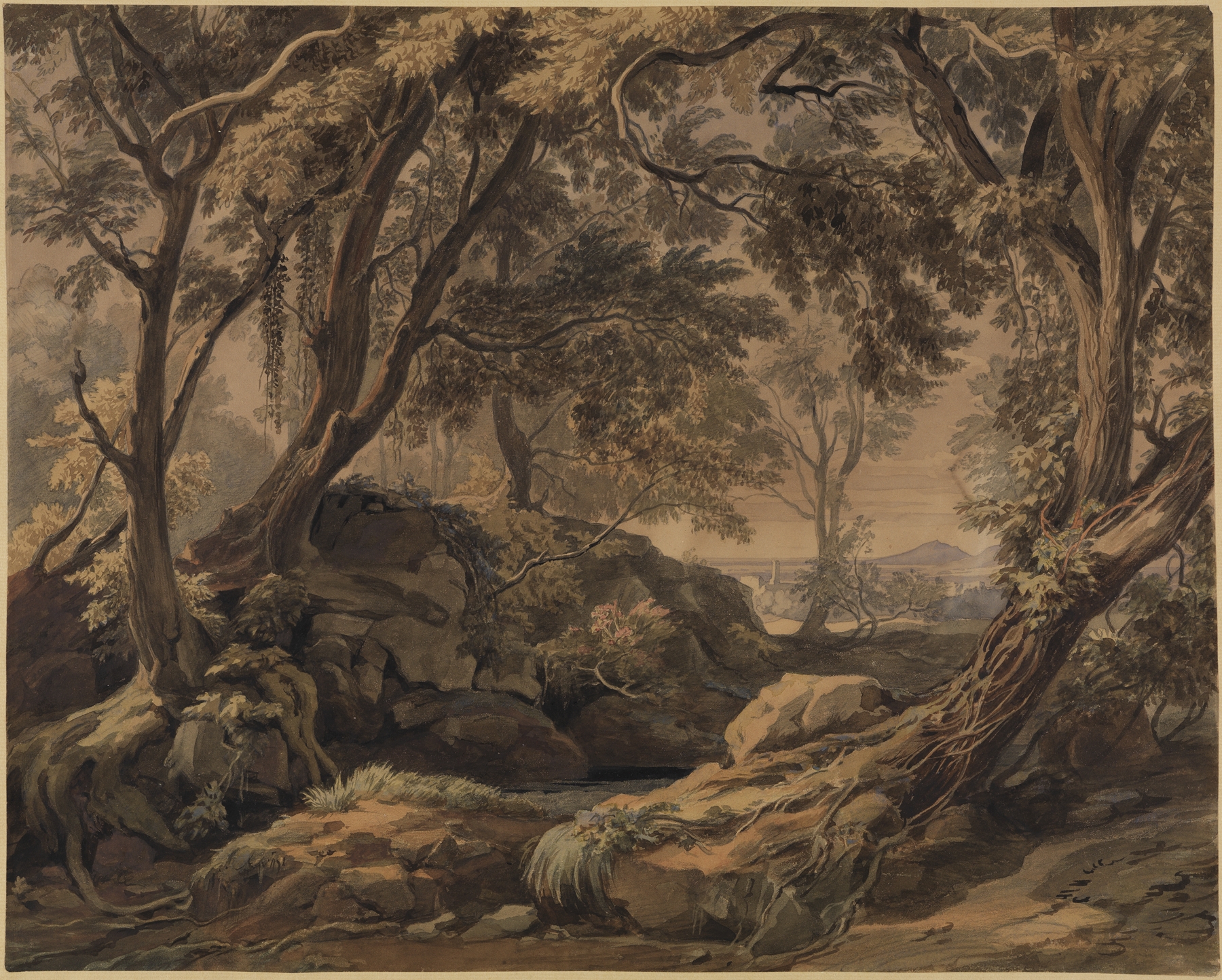
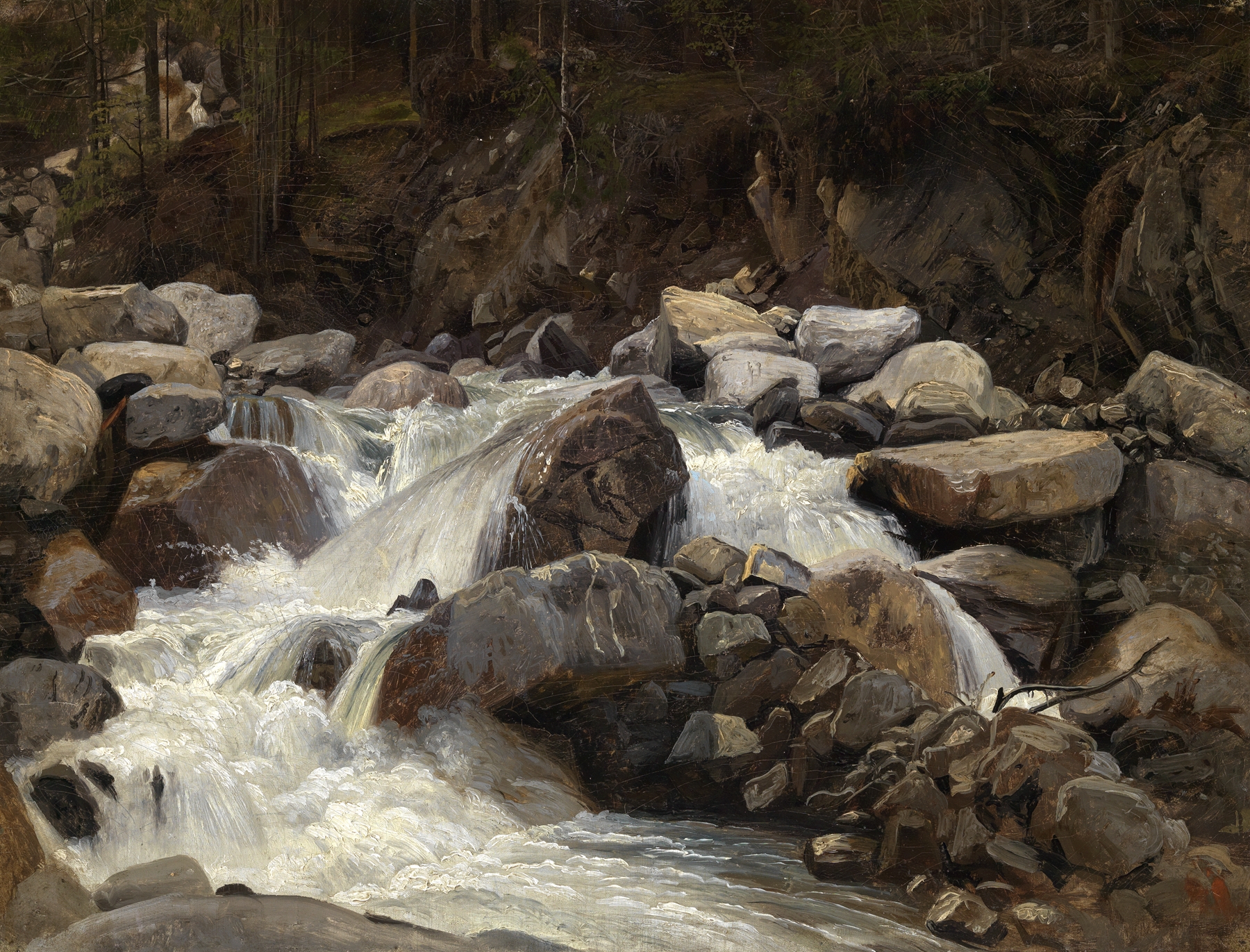
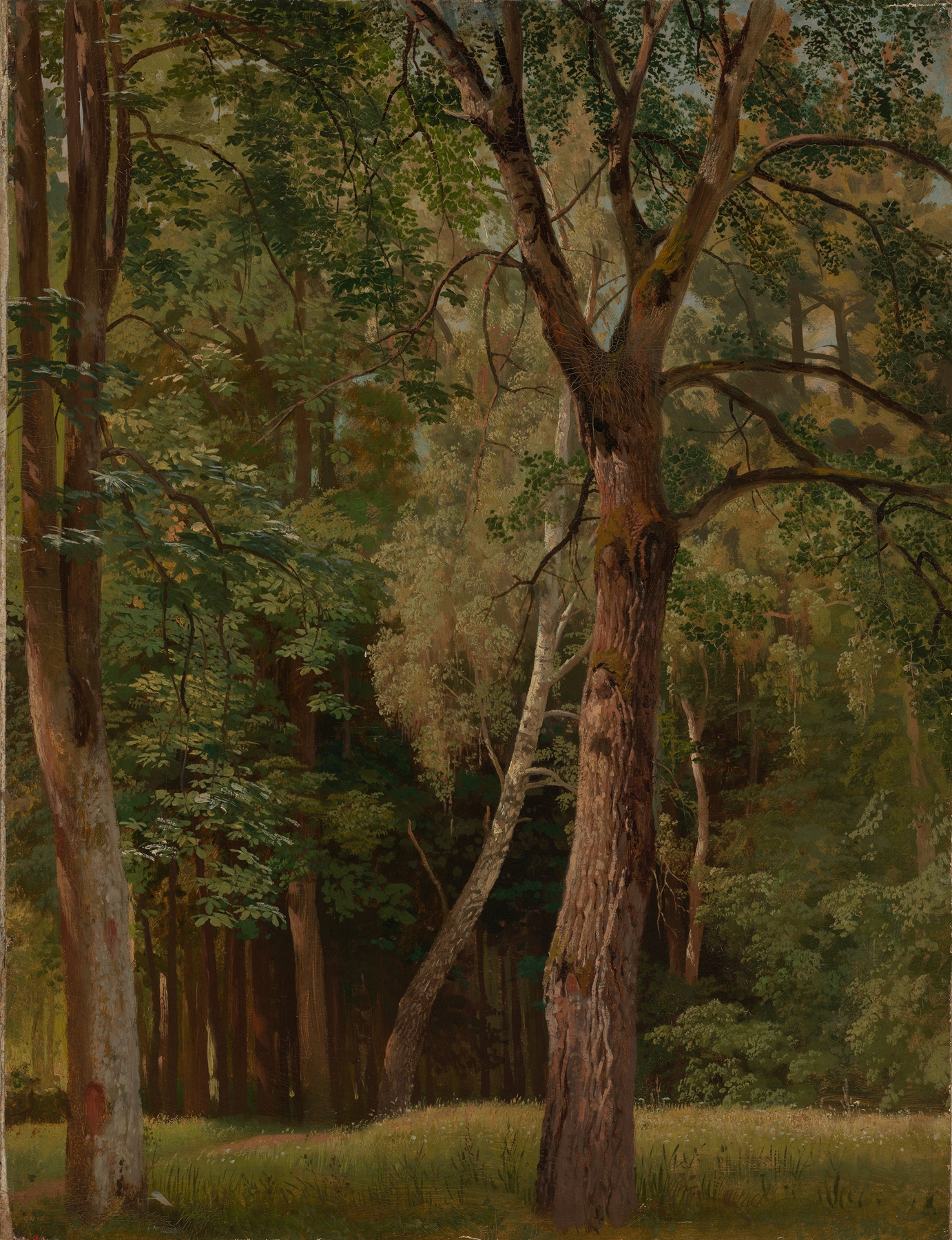
Where does light end, and longing begin? In the lush depths of a primeval forest, Das Innere eines Urwaldes (Im Paradies II) beckons us to explore the delicate dance between nature’s vibrant splendor and the quiet ache of yearning. Look to the left, where a cascade of dappled sunlight filters through the canopy, illuminating a riot of greens and browns. Notice how the artist masterfully contrasts the light against the shadowy underbrush, creating a sense of depth and mystery.
Each leaf and vine is rendered with meticulous detail, inviting the viewer to wander deeper into the thicket, while the warm palette instills both tranquility and a hint of unease. Beneath the surface, this work reflects a profound transformation, a juxtaposition between the serene beauty of the natural world and the uncertainties of human emotion. The interplay of light and dark symbolizes not just the physical landscape but also the internal struggles of desire and fulfillment. Hidden within the foliage are traces of life—perhaps the fleeting presence of a creature or the whisper of a breeze—inviting viewers to contemplate their own connection to nature and the longing for something beyond.
Johann Wilhelm Schirmer created this piece in 1855 during a pivotal time in the Romantic movement, where artists were increasingly captivated by the sublime qualities of nature. In Germany, this moment was marked by a growing fascination with landscape painting as a means to explore the complexities of human emotions and the inherent beauty of the untamed world. As he painted, Schirmer found himself at the intersection of personal and collective transformations, reflecting society's evolving relationship with the environment.