Das Oostal mit Blick auf die Rheinebene und die Vogesen, Abend — History & Analysis
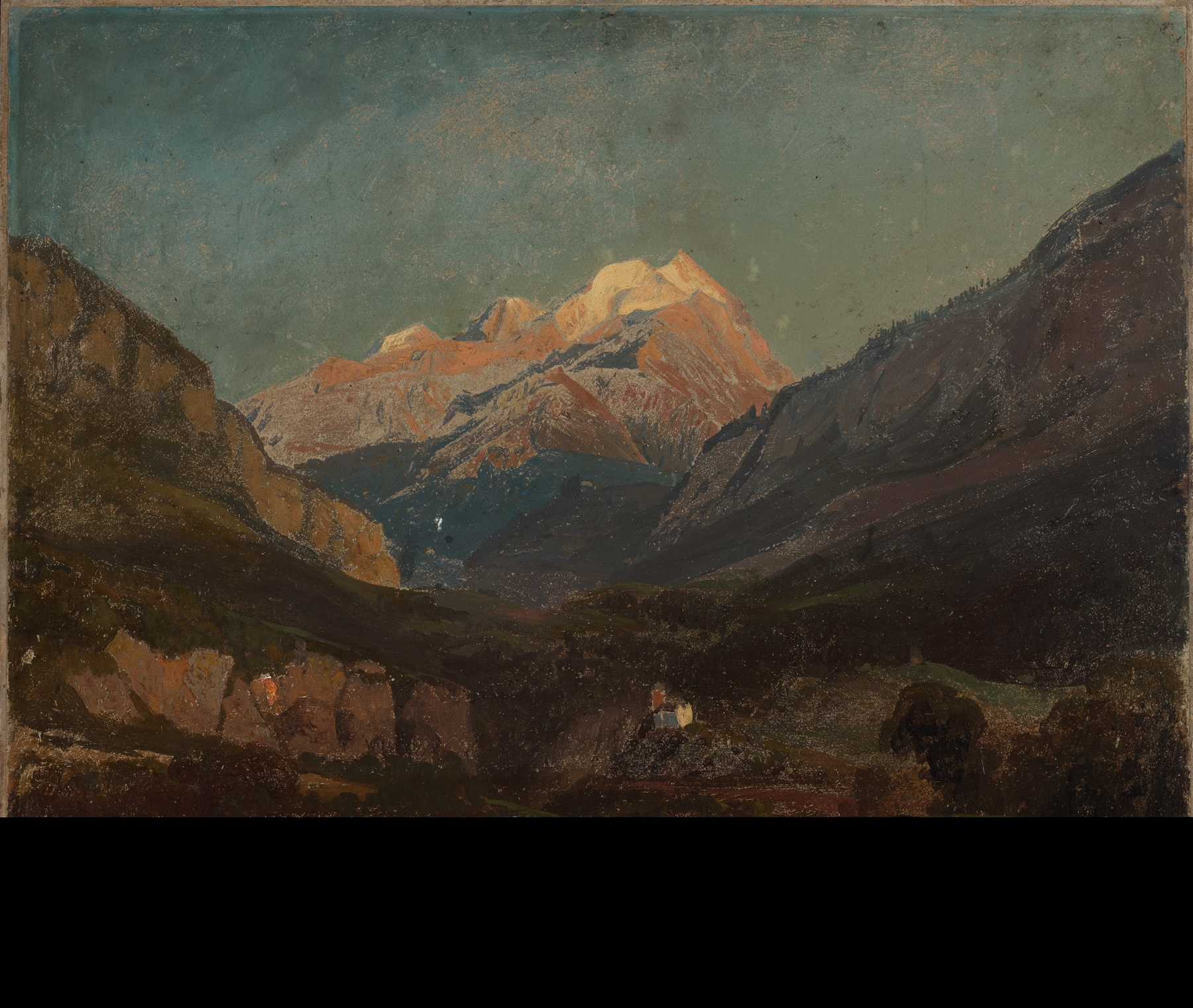
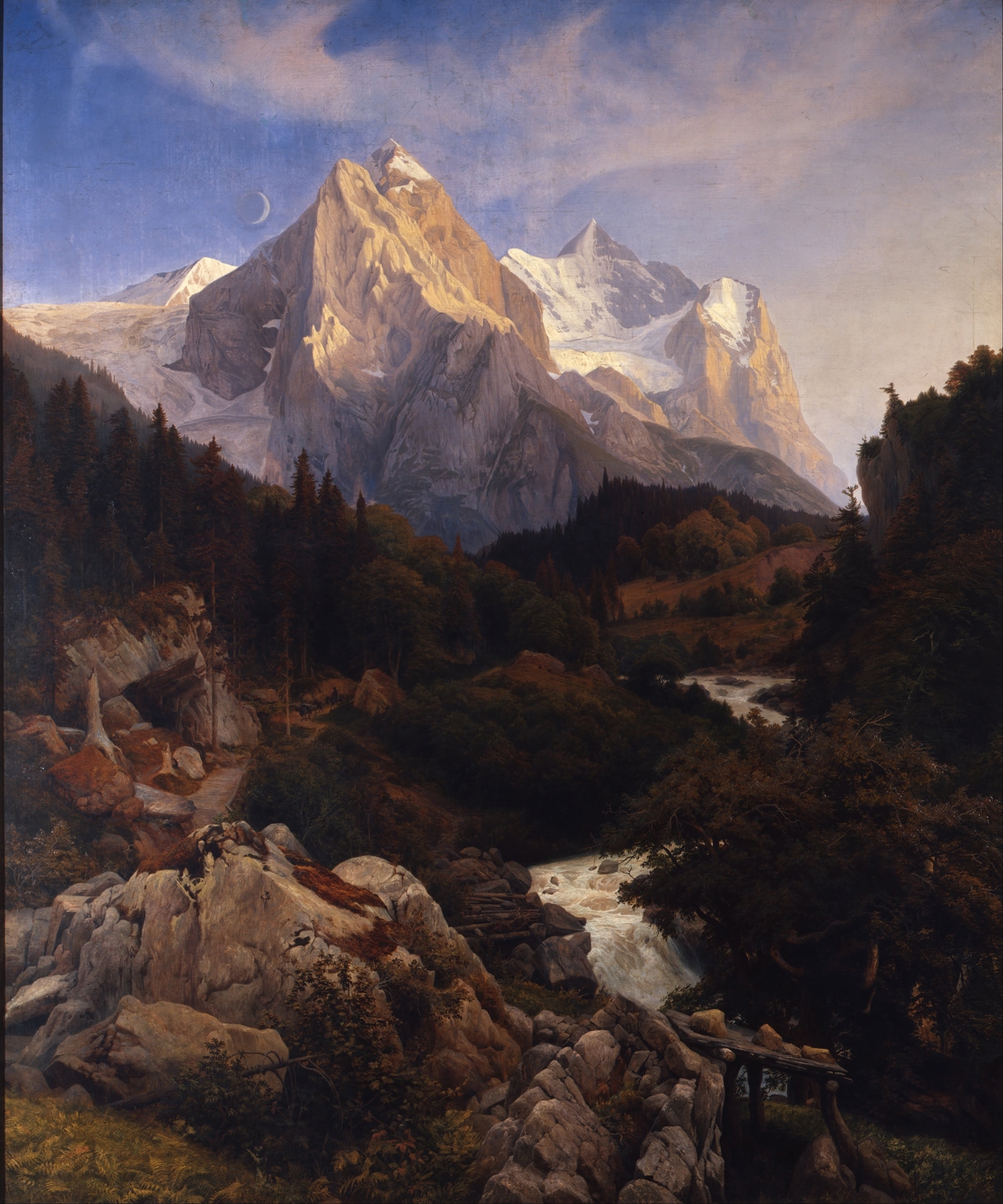
Where does light end, and longing begin? In the interplay of dusk and shadow, Das Oostal mit Blick auf die Rheinebene und die Vogesen, Abend captures the whisper of twilight, inviting the viewer into the depths of emotion. Look to the horizon, where the warm embrace of the setting sun gently fades, casting a golden hue across the undulating hills. The composition draws the eye toward the distant mountains, their silhouettes softened by layers of atmospheric perspective.
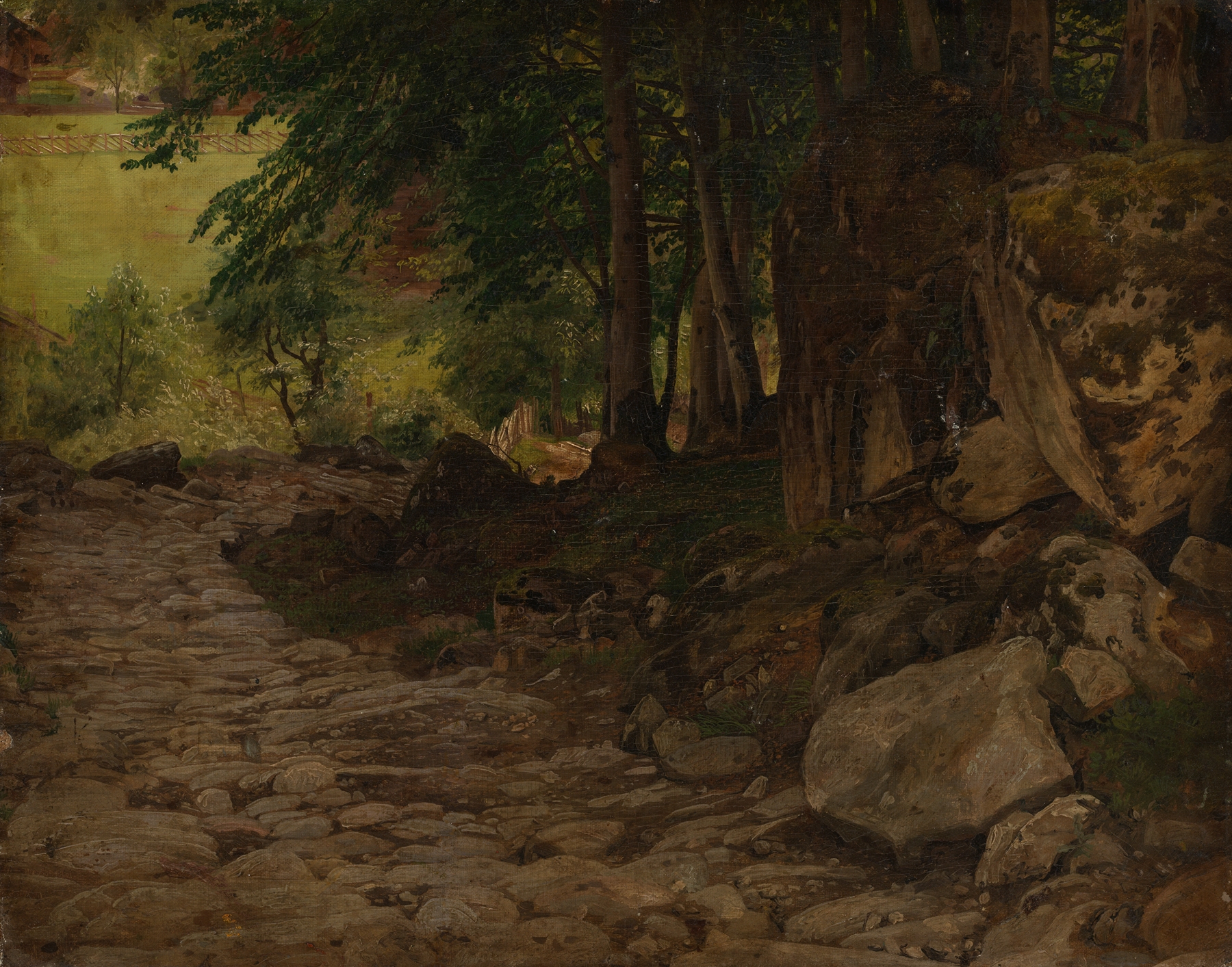
Notice how the interplay of cool blues and warm golds brings a sense of tranquility, while the deft brushwork creates an almost tactile softness in the landscape. The artist's attention to detail reveals a world poised between reality and reverie. Within this serene vista lies a rich tension; the foreground, cloaked in shadow, suggests the passage of time and the mysteries it holds. The juxtaposition of light and dark speaks to the duality of hope and despair, while the fluttering clouds above hint at the impermanence of beauty.
Each element—the trees, the fields, and the shimmering light—interacts with the viewer’s emotions, evoking a sense of longing that transcends the physical realm. In 1855, Johann Wilhelm Schirmer crafted this serene landscape during a period when Romanticism was deeply influencing European art. Working in Germany, Schirmer explored the emotional resonance of nature, reflecting the philosophical currents of his time, which often sought harmony between humanity and the natural world. As the artist navigated his own artistic journey, he contributed significantly to the evolving narrative of landscape painting, capturing not just vistas but the essence of human experience intertwined with them.