Das Paradies als ein Frühlingsmorgen (Im Paradies I) — History & Analysis
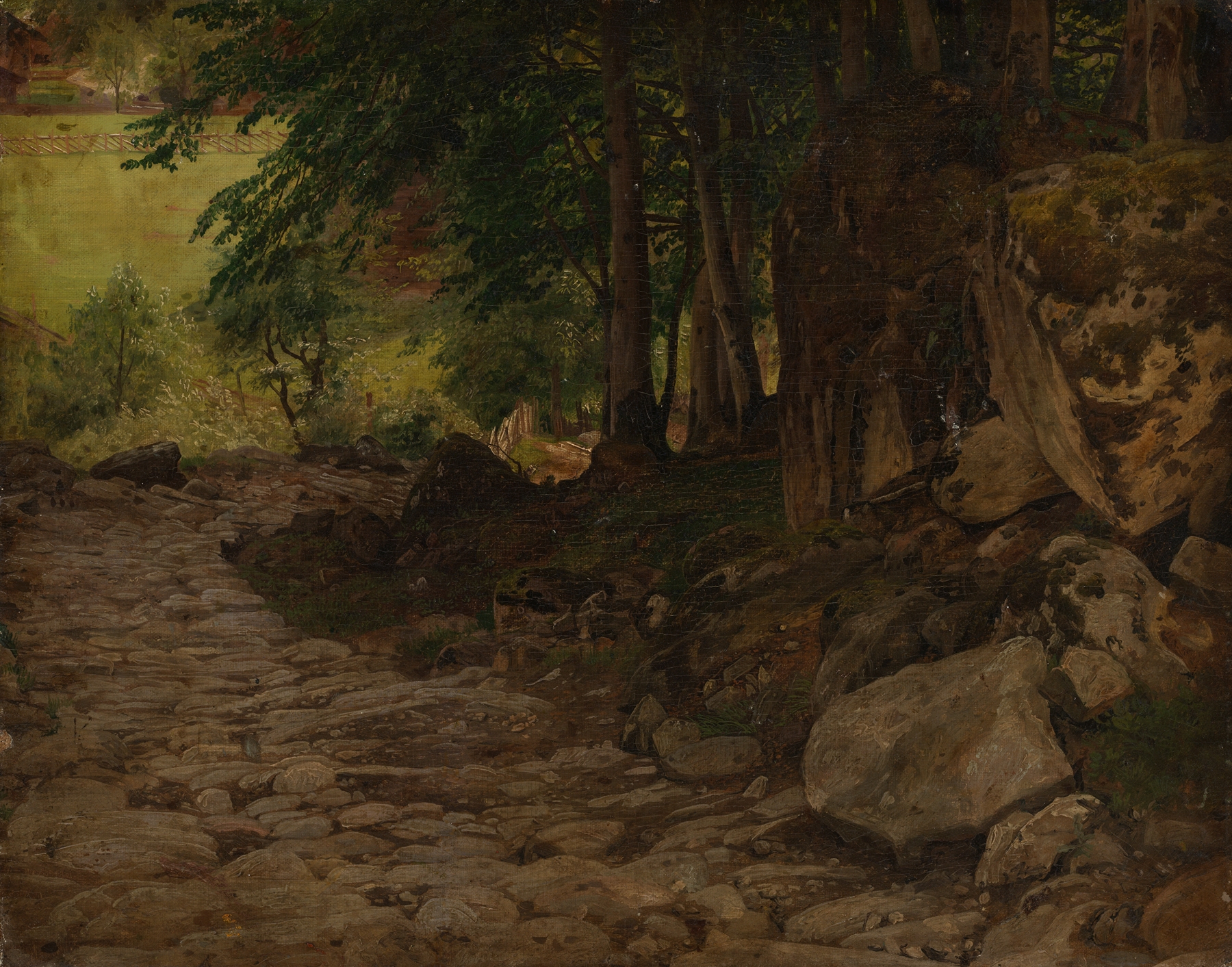
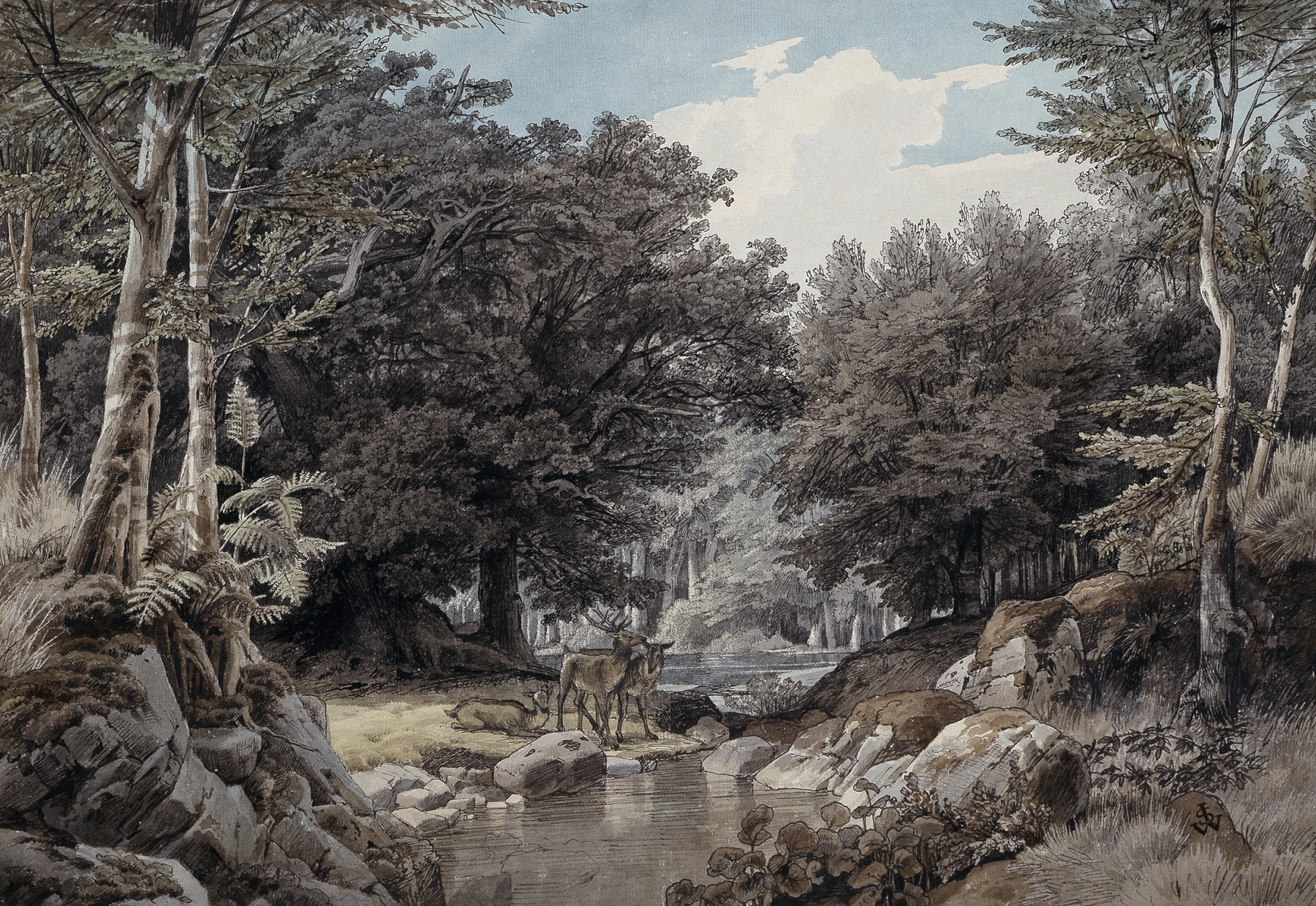
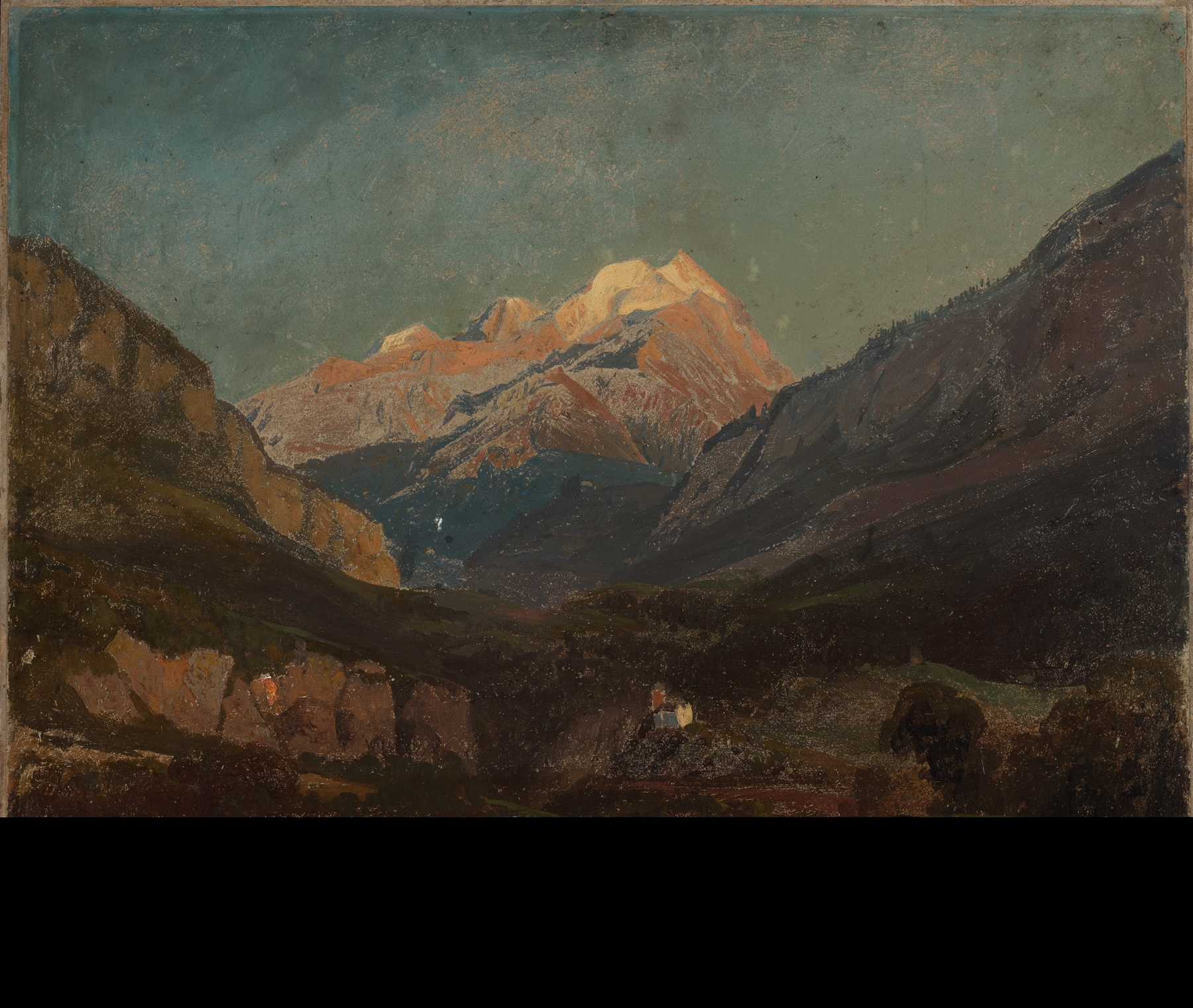
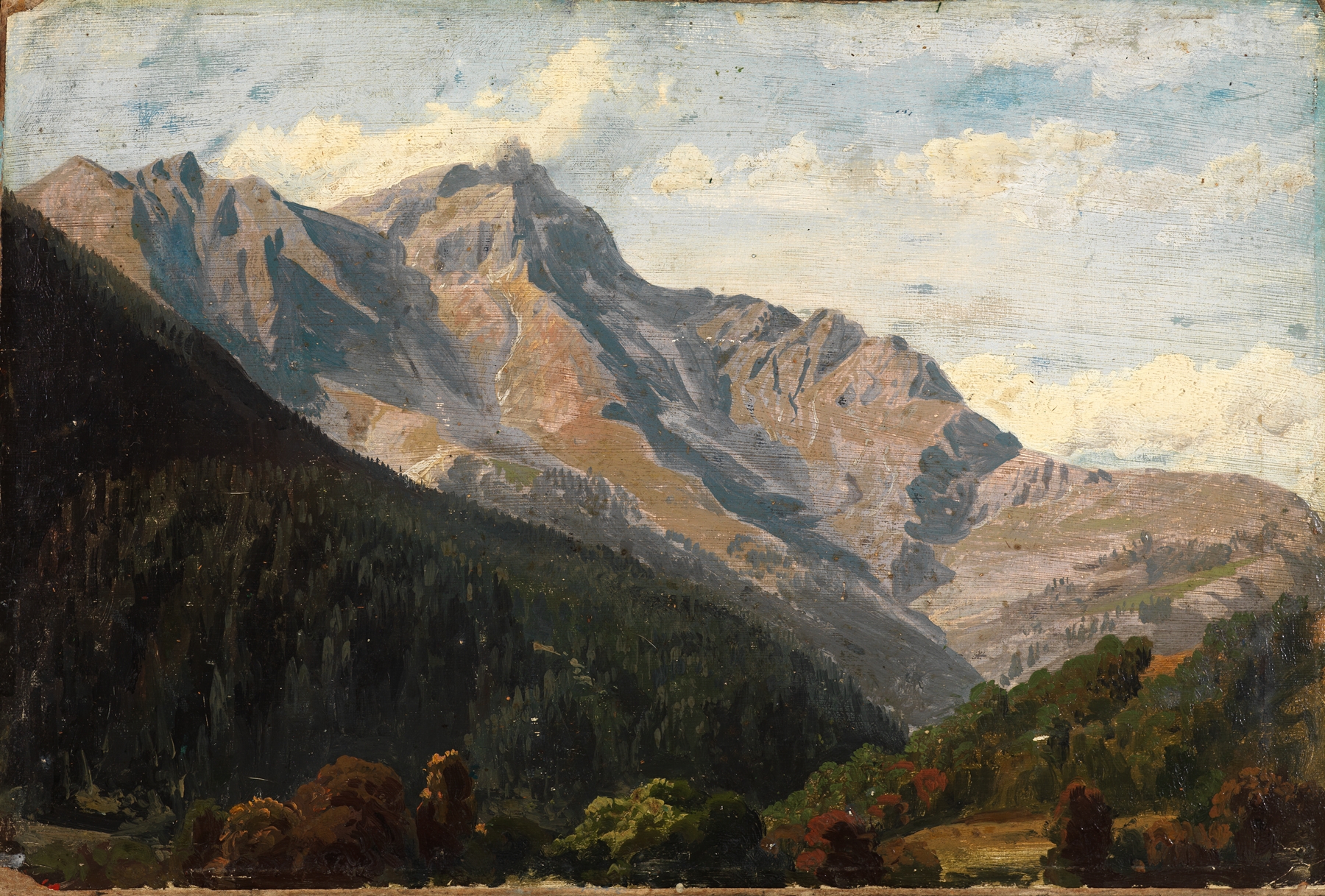
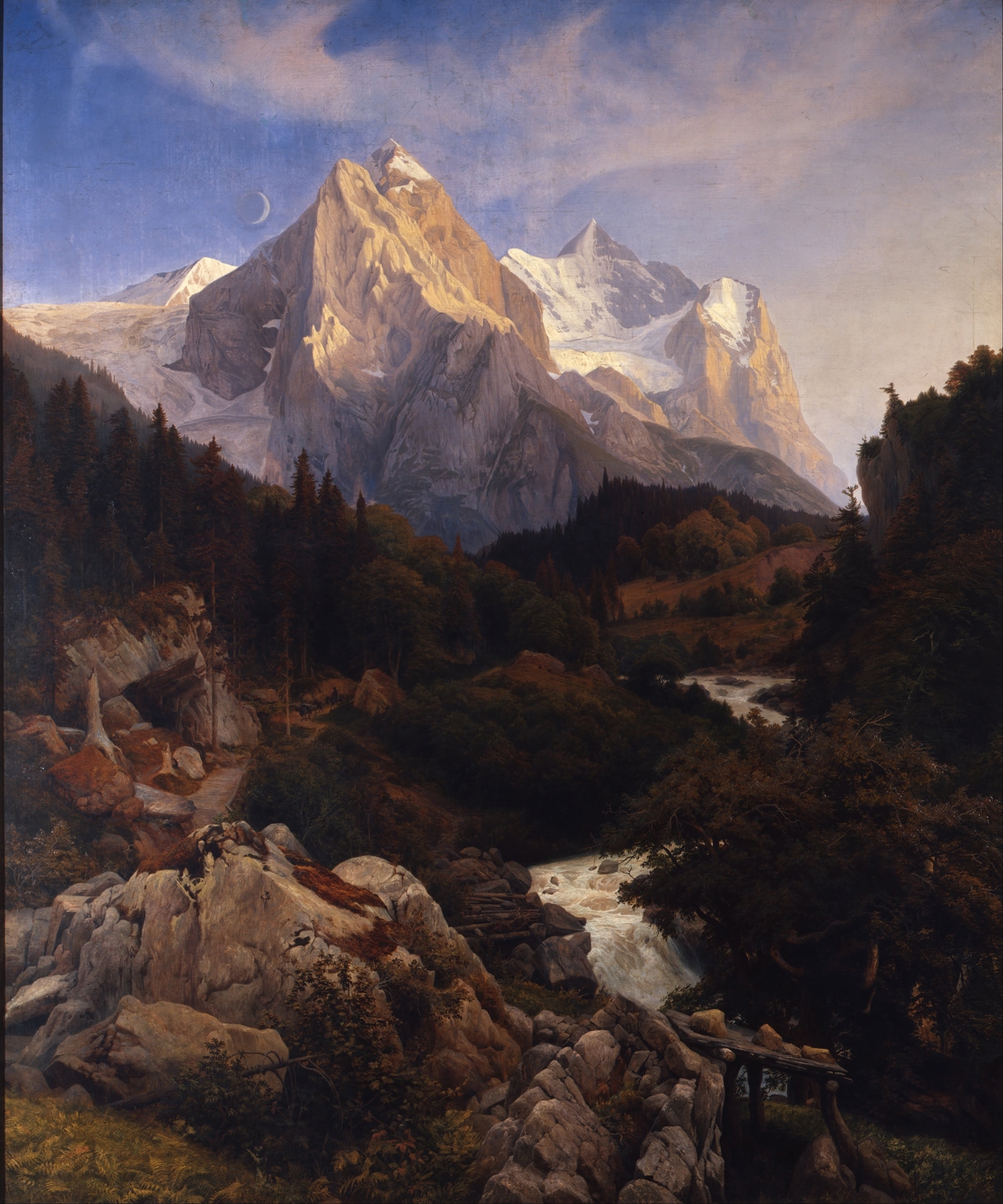
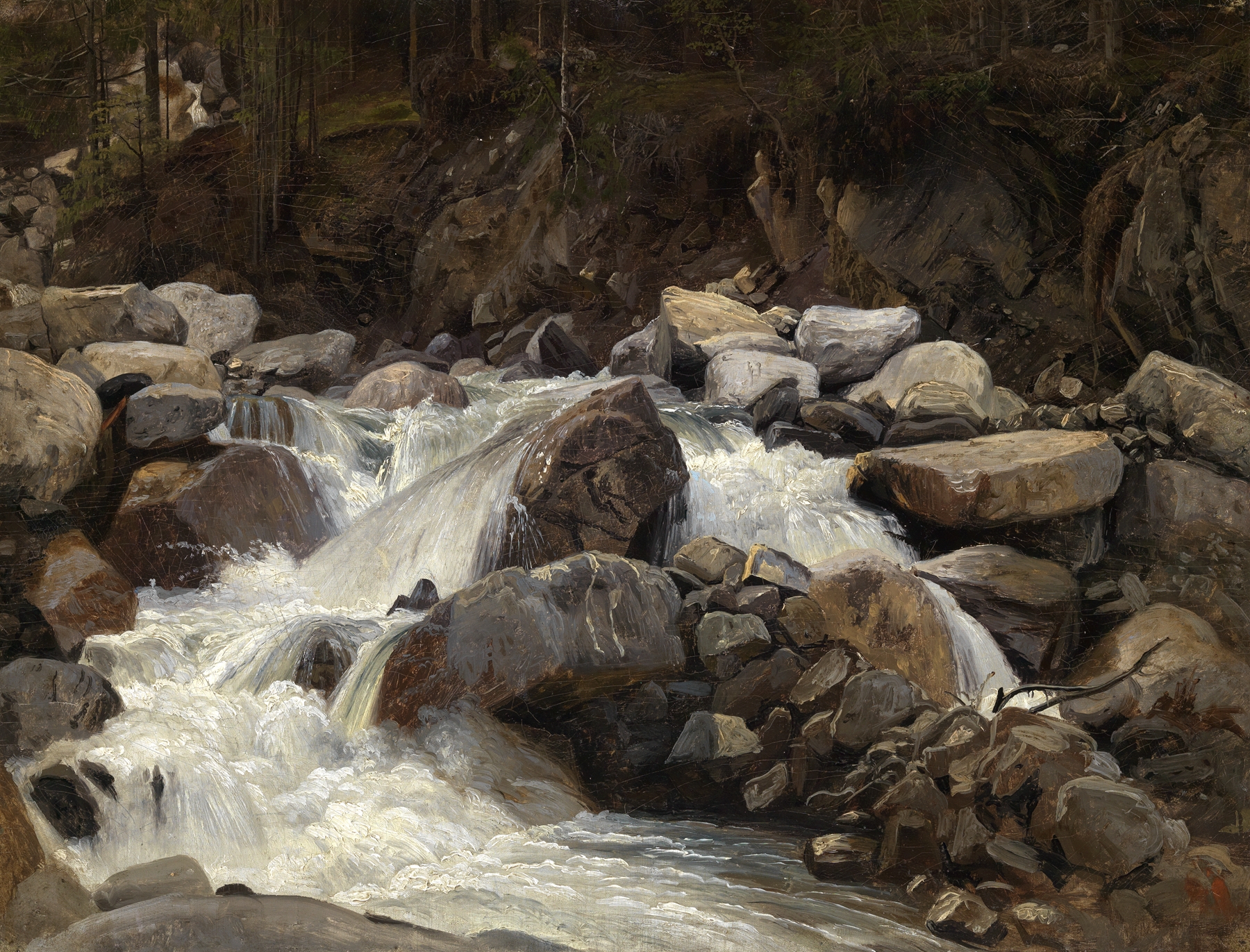
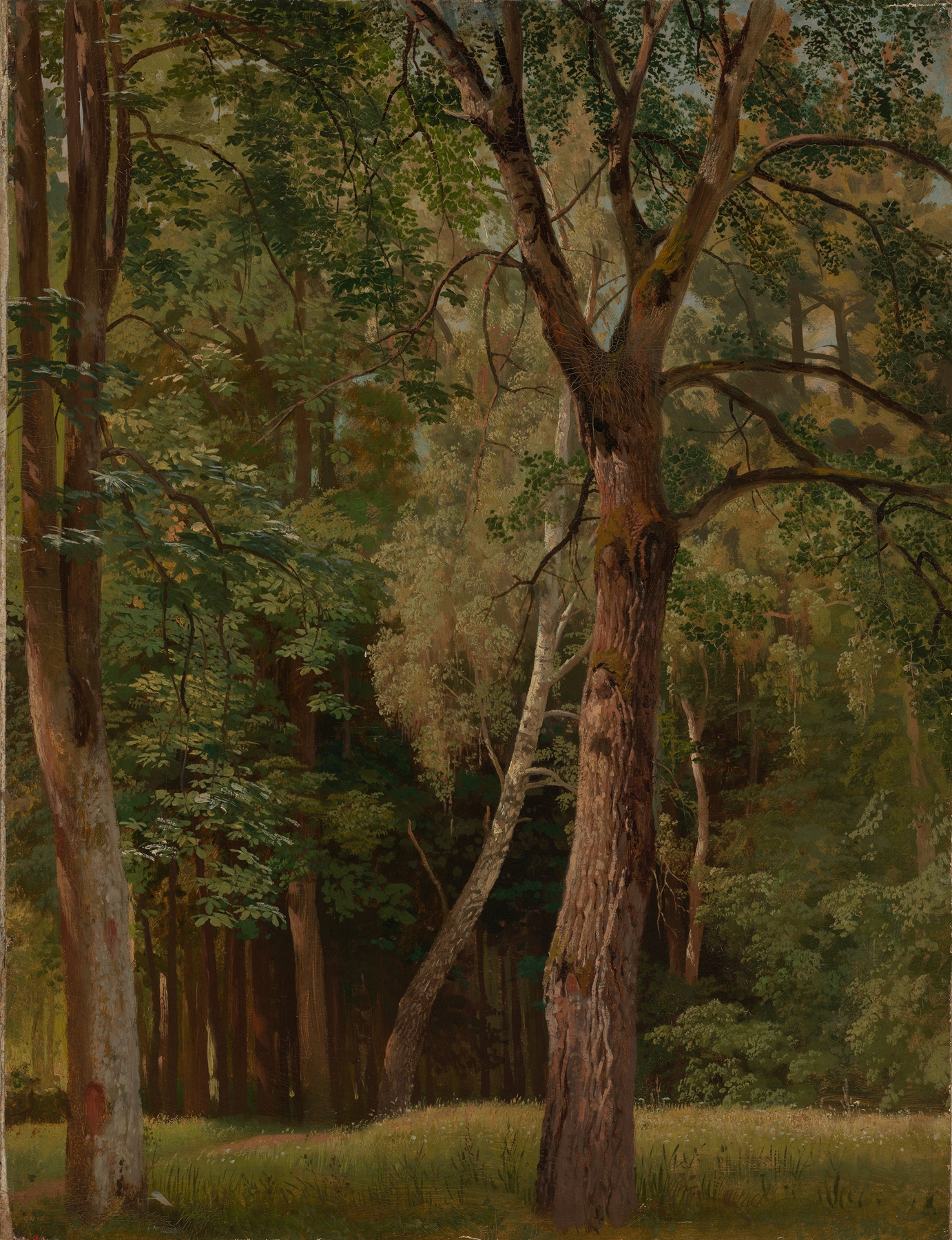
What if beauty was never meant to be finished? The ethereal quality of this work invites contemplation, leaving the viewer suspended between longing and the fleeting nature of perfection. Start your exploration by focusing on the gentle interplay of light and color. Notice how the soft pastels of spring are masterfully rendered, with delicate hues of green and pink blending seamlessly into the landscape.
The horizon is filled with an awakening of life, where blossoming flowers and lush foliage create a vibrant tapestry, pulling you into the scene's embrace. The brushstrokes are fluid, evoking a sense of serenity that contrasts with the undercurrent of melancholy. As you delve deeper, consider the wistful expression of the distant figures, their gazes fixed on the idyllic surroundings yet tinged with an ineffable sadness. This juxtaposition invites reflection on the transient nature of beauty and the inevitability of change.
The tranquil composition, while visually stunning, holds an emotional weight, suggesting that paradise may carry the burden of impermanence—echoing the artist's own grappling with the beauty that life offers. In 1855, Johann Wilhelm Schirmer painted this piece amidst a changing artistic landscape in Europe, where Romanticism was giving way to newer movements. Residing in Germany, he was influenced by the burgeoning appreciation for nature and the emotional depth it could convey. This work encapsulates a pivotal period in his career, as he sought to connect the viewer with the tranquility of nature while simultaneously acknowledging a profound sense of loss and longing.