David and Goliath — History & Analysis
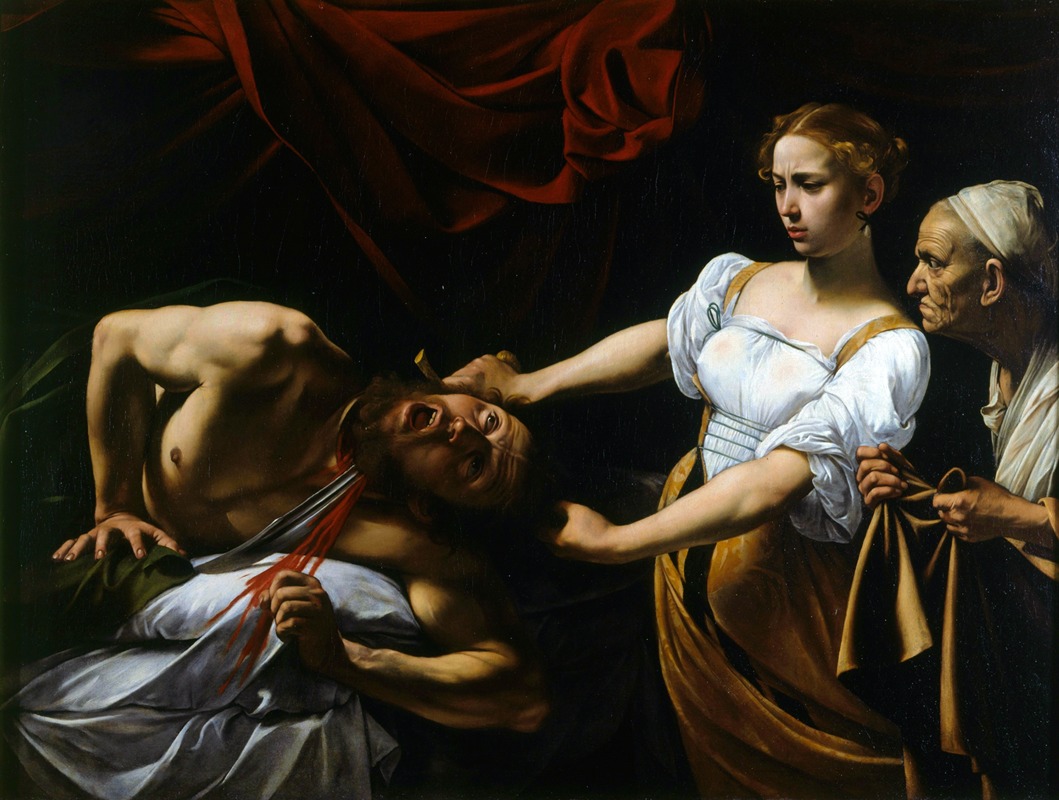
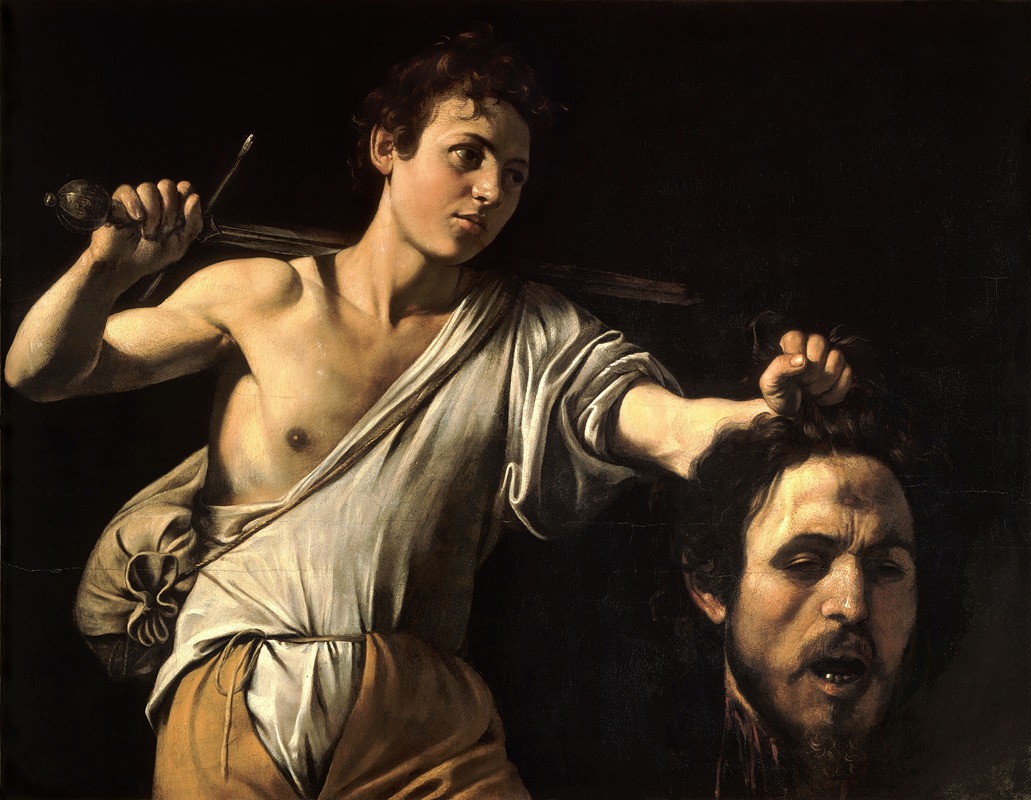
When did color learn to lie? In David and Goliath, a tale of triumph unfolds, yet the hues tell a story deeper than mere representation. The interplay between light and shadow reveals the profound layers of human experience, where victory and vulnerability coexist in a striking tableau. Focus on the stark contrast of the figures in the foreground: David, with his youthful strength, stands resolute, while the fallen Goliath looms behind him, a testament to both the fragility of life and the weight of conquest.
The dramatic chiaroscuro draws your gaze to David's determined expression, illuminated by a divine light that bathes the scene in ethereal warmth. Notice how the colors—earthy browns juxtaposed with the vivid crimson of David’s cloak—serve not only to capture the eye but evoke a visceral reaction, heightening the emotional charge of this moment. Within this painting lies a tension between the heroic and the tragic; David’s piercing gaze hints at the weight of his victory, underscoring the loss of life that accompanies triumph. The severed head of Goliath, rendered with raw realism, forces the viewer to confront the consequences of conflict, while the gentle grace of David’s posture suggests a transcendence that goes beyond the physical battle.
This juxtaposition of strength and sorrow invites introspection into the nature of heroism itself. In 1600, Caravaggio painted this emblematic work during a period of personal turmoil and burgeoning fame. Living in Rome, he was at the center of a dramatic shift in the art world, where his groundbreaking use of light and realistic portrayal of human emotion challenged the conventions of his time. His tumultuous life echoed the dichotomies present in his art, and David and Goliath stands as a profound reflection of both his struggles and his mastery.