Judith beheading Holofernes — History & Analysis
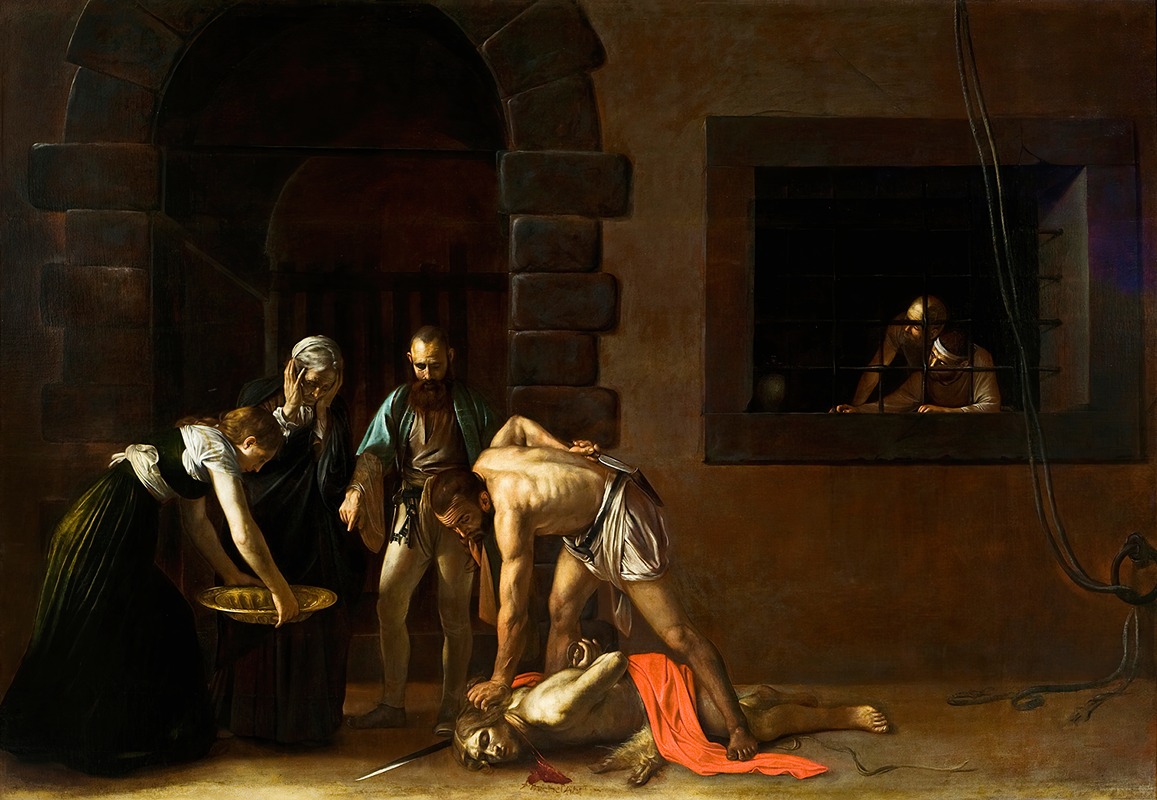
“To paint is to remember what time wants us to forget.” In a world obsessed with power and vengeance, there lies a stark confrontation between desire and morality. The struggle encapsulated in this moment etches itself into the mind, compelling the viewer to reflect on the darker facets of human nature. First, focus on the dramatic interplay of light and shadow, where the figures are almost sculpted from darkness. The halo of illumination surrounds Judith’s determined expression and the gleaming blade she wields. Notice how the cold steel contrasts against Holofernes' lifeless, contorted form, evoking the raw tension in the scene.
Caravaggio employs a stark chiaroscuro that enhances the visceral emotions, drawing the eye toward the moment of decisive action. Delve deeper into the emotional weight of this confrontation. The obsessive gaze of Judith reflects not just fear, but a resolute commitment to her cause. In Holofernes’ defeated expression, one can sense the tragic irony of his fate, a powerful general brought low by a woman’s cunning. This duality of strength and vulnerability enhances the painting’s dramatic tension, inviting contemplation on the nature of power and the sacrifices made to attain it.
In 1599, Caravaggio painted this work in Rome, a period marked by artistic innovation and personal turmoil. His life was riddled with conflict and violence, mirroring the themes of his art. This painting emerged during a time when the Baroque style was flourishing, and Caravaggio was at the forefront of a movement that sought to portray intense emotion and realism, challenging the conventions of the time. The canvas not only reveals his skill but also the haunting obsessions that drove him.