Saint John the Baptist — History & Analysis
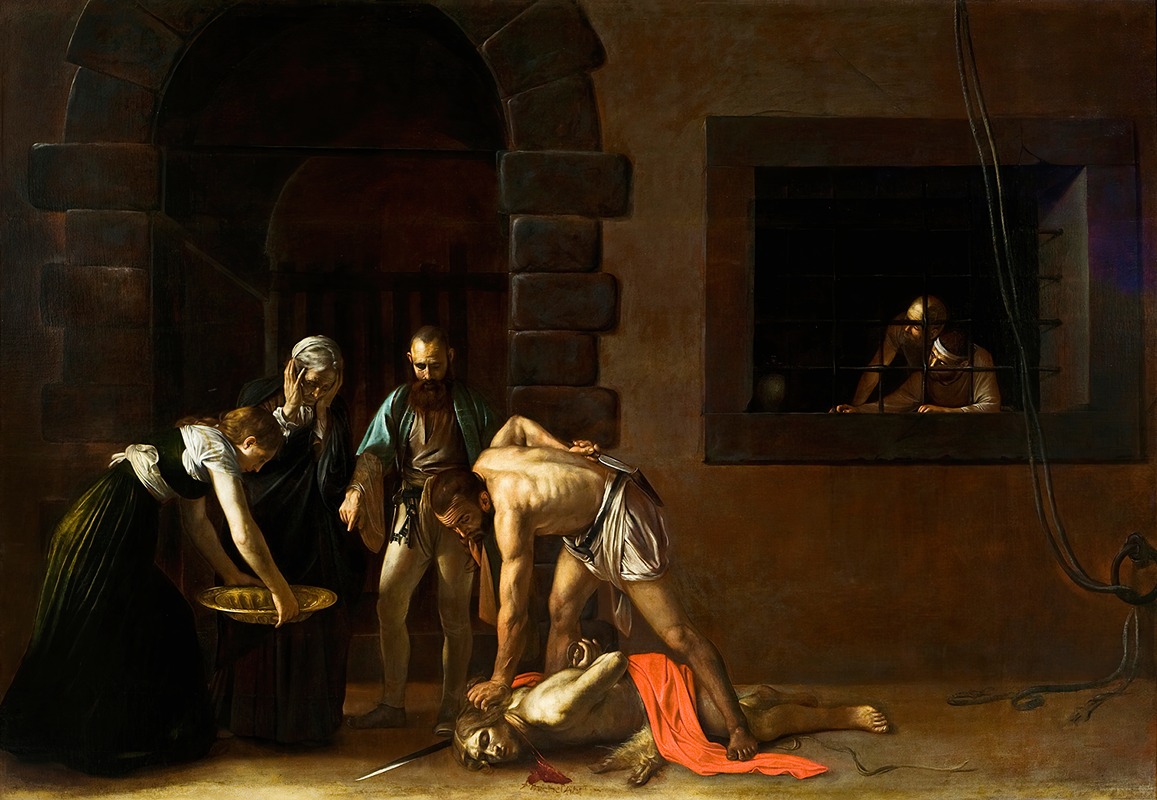
Who listens when art speaks of silence? In the haunting stillness of Saint John the Baptist, we encounter a moment suspended in time, laden with the weight of betrayal and unfulfilled longing. Caravaggio’s masterful brushwork whispers secrets of the heart, inviting us to ponder the complexities of faith and doubt within the shadows. Look closely at the figure of Saint John, draped in a dark cloak that seems to absorb the surrounding light. The soft illumination highlights his contemplative expression, casting delicate shadows across his face.
Notice how the stark contrast between light and dark not only defines John’s bodily form but also mirrors the spiritual struggle within him. The muted color palette, rich in earthy tones, grounds the scene, emphasizing the gravity of his solitude. Delving deeper, we see the subtle tension in John’s gaze, directed past the viewer as if grappling with an unseen presence. This creates an emotional distance, suggesting an internal dialogue fraught with doubt and sorrow. The wildness of his hair and the ruggedness of his attire speak to a life lived on the fringes, encapsulating a man torn between divine purpose and human frailty.
The painting resonates with themes of betrayal—not only of oneself but also in the betrayal of ideals and faith. When Caravaggio painted this work in 1603, he found himself amidst a tumultuous period marked by personal conflict and the evolving landscape of Baroque art. Struggling with his reputation and legal troubles, he sought refuge in the depths of his artistry, channeling his experiences into evocative representations of sacred figures. This moment in his career reflects not only his relentless pursuit of truth but also the stark emotional landscapes that would define his legacy.