Narcissus — History & Analysis
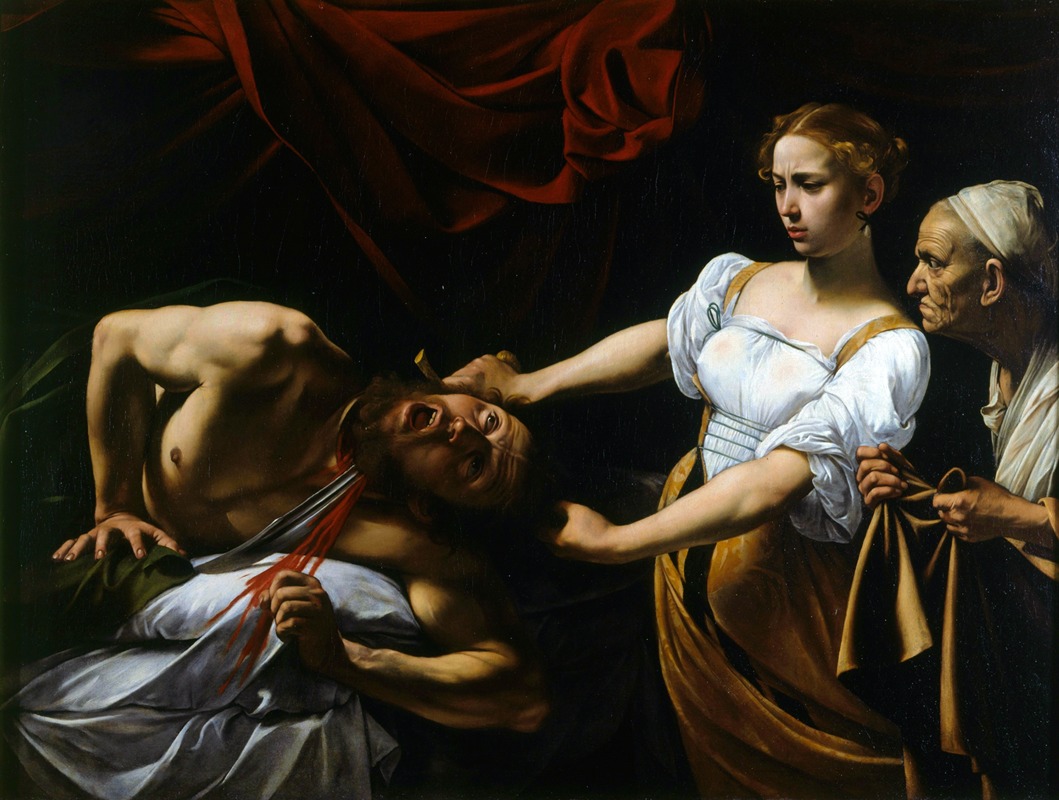
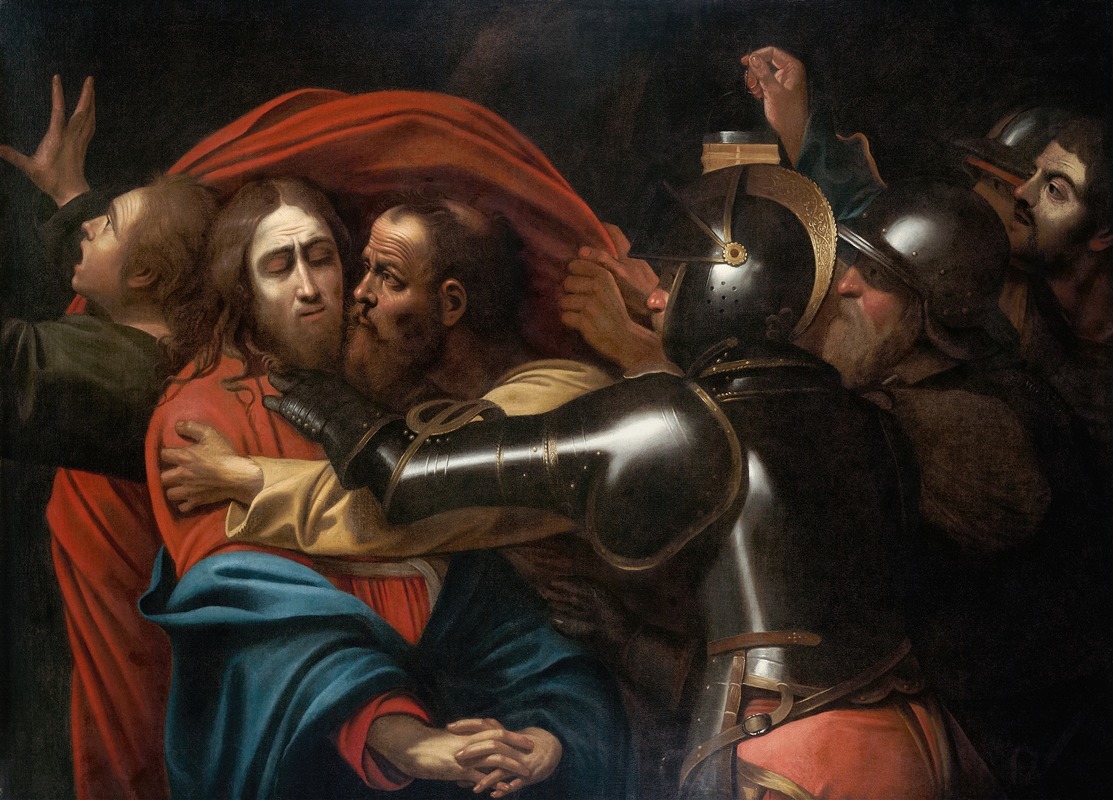
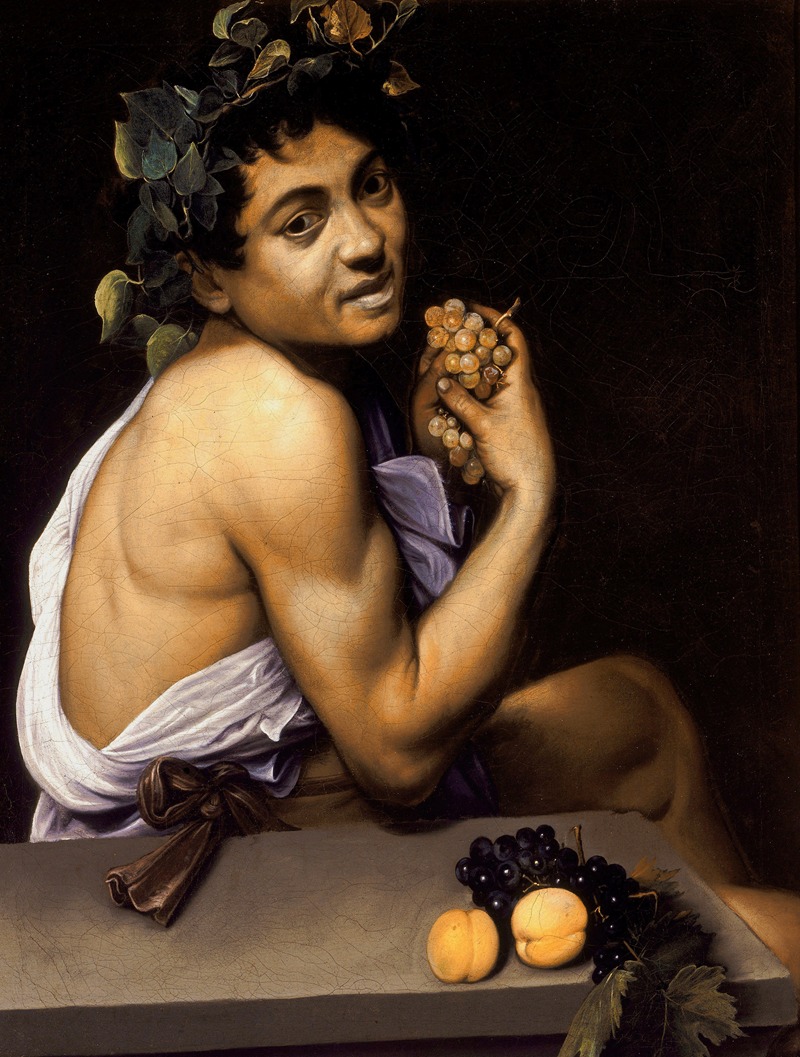
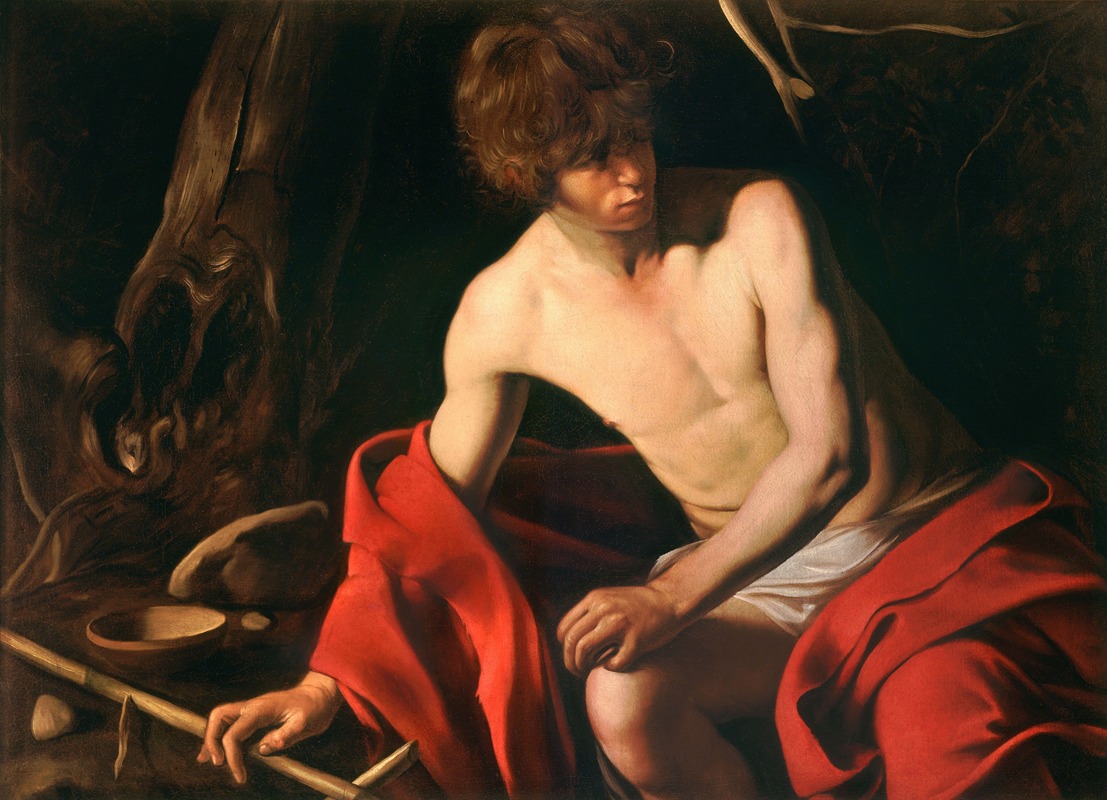
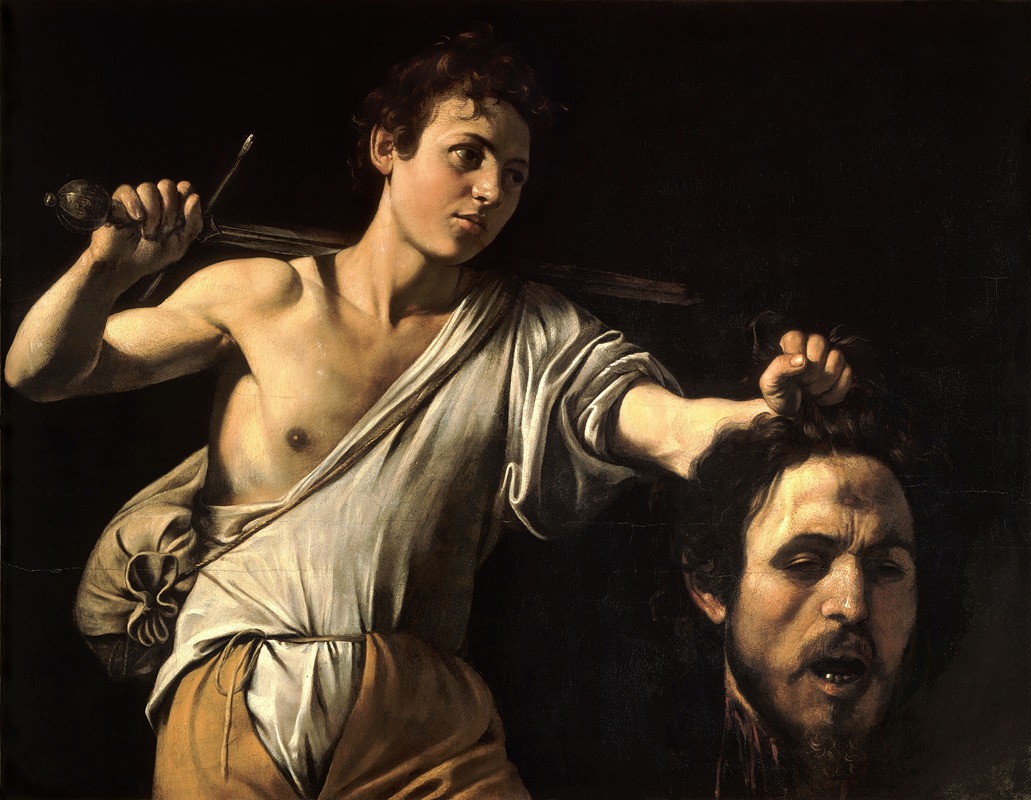
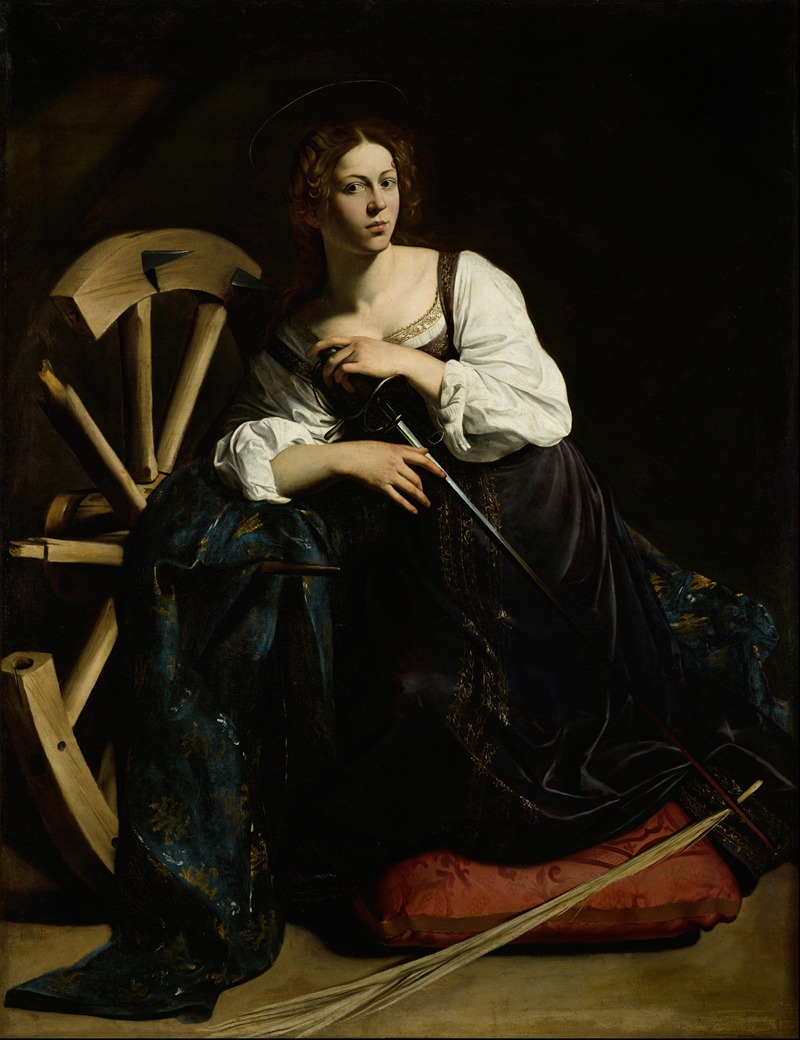
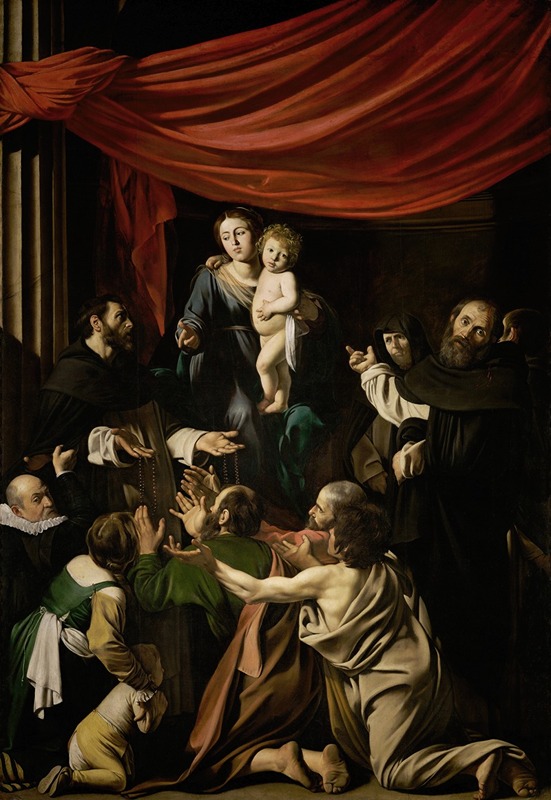
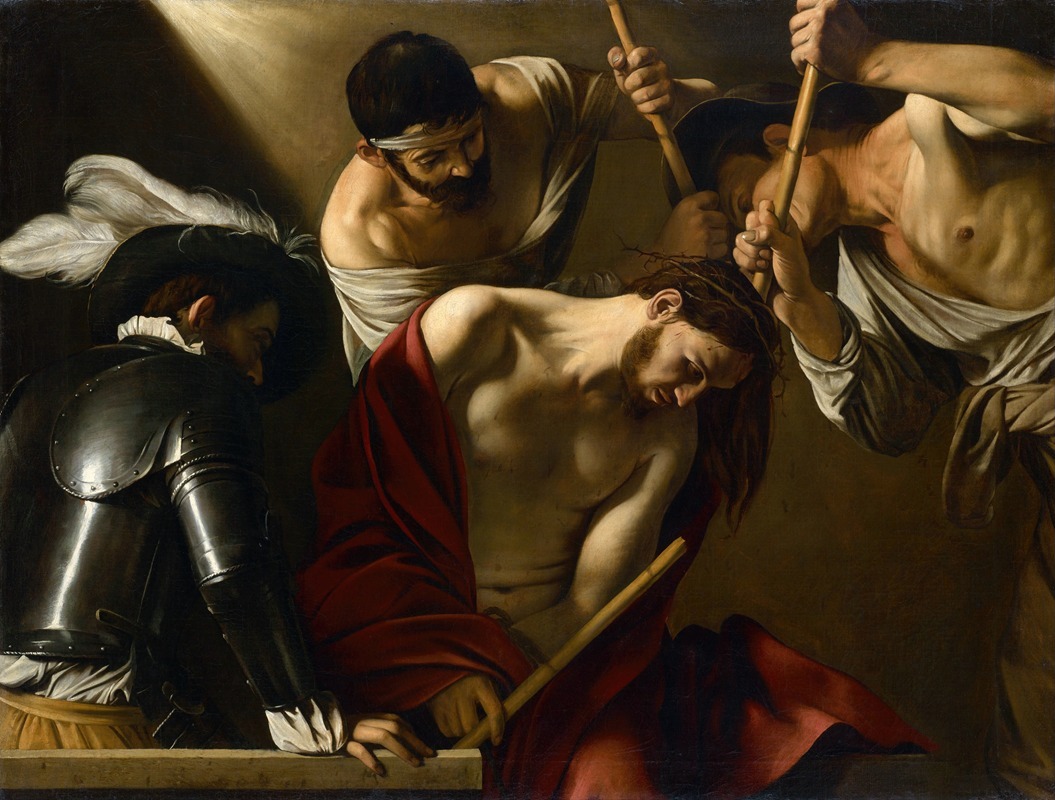
What if silence could speak through light? In Narcissus, the play of color and shadow reveals a world where obsession entwines with solitude, inviting profound contemplation. Look to the left at the figure of Narcissus, his gaze transfixed upon his own reflection in the water. Observe how the light falls upon his face, highlighting the contours of his features with a delicate yet dramatic chiaroscuro.
The deep, velvety blacks envelop the scene, while the soft tones of the water shimmer with hints of blue and gold. This contrast between dark and light enhances the emotional weight of the moment, pulling the viewer into Narcissus's trance. Delve deeper into the painting’s intricate details, such as the delicate ripple of the water that cradles his image, challenging the boundary between reality and illusion. The languid posture of Narcissus suggests both allure and vulnerability, embodying the tragic consequences of self-love.
The interplay of colors—vivid reds and muted earth tones—evokes an atmosphere heavy with longing, reminding us that beauty can often lead to isolation. Created in 1597, Caravaggio painted Narcissus during a transformative period in his career, marked by the rise of Baroque art in Italy. Enveloped in controversy and personal struggles, he sought refuge in his art, exploring themes of identity and human emotion. This painting embodies not only his mastery of realism and light but also the tension between inner desire and the external world at a time when artists were redefining the boundaries of representation.