The beheading of St. John the Baptist — History & Analysis
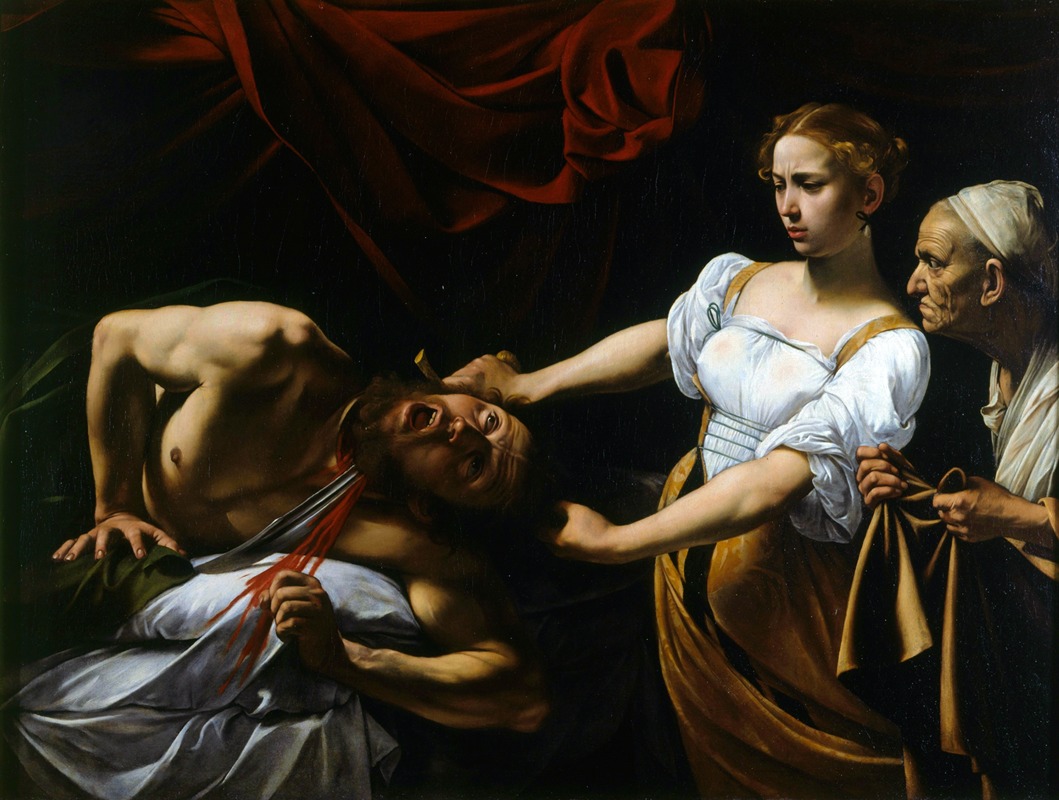
The canvas doesn’t lie — it simply waits. In its stillness, it beckons us to confront the silence that cloaks the violence within. Focus on the dramatic interplay of light and shadow as you take in the composition. Look to the left at the figure of St. John, his expression a mix of resignation and terror, caught in a moment of profound stillness.
Notice how the stark illumination highlights his pale skin against the dark backdrop, drawing our gaze to the visceral contrast between life and death. The deliberate use of chiaroscuro amplifies the tension in the scene, creating a visceral connection to the gravity of his fate. As you delve deeper, consider the subtle details that amplify the emotional weight. The sword, poised in the executioner's hand, serves not only as a tool of death but also as a dark symbol of authority and betrayal. The figures surrounding St.
John exhibit a haunting detachment, their faces shrouded in shadow, reflecting a societal indifference to suffering. This layered emotional conflict speaks to the duality of human experience—where brutality coexists with the silence of acceptance. In 1608, the artist painted this masterpiece during a turbulent time in Rome, grappling with his own tumultuous life and the ever-evolving landscape of Baroque art. Having fled from a murder charge, he found refuge in the city, channeling his inner turmoil into his work. This piece reflects not just a biblical narrative but also Caravaggio's deep exploration of moral struggles and the human condition, firmly positioning him within the pivotal dialogue of his time.