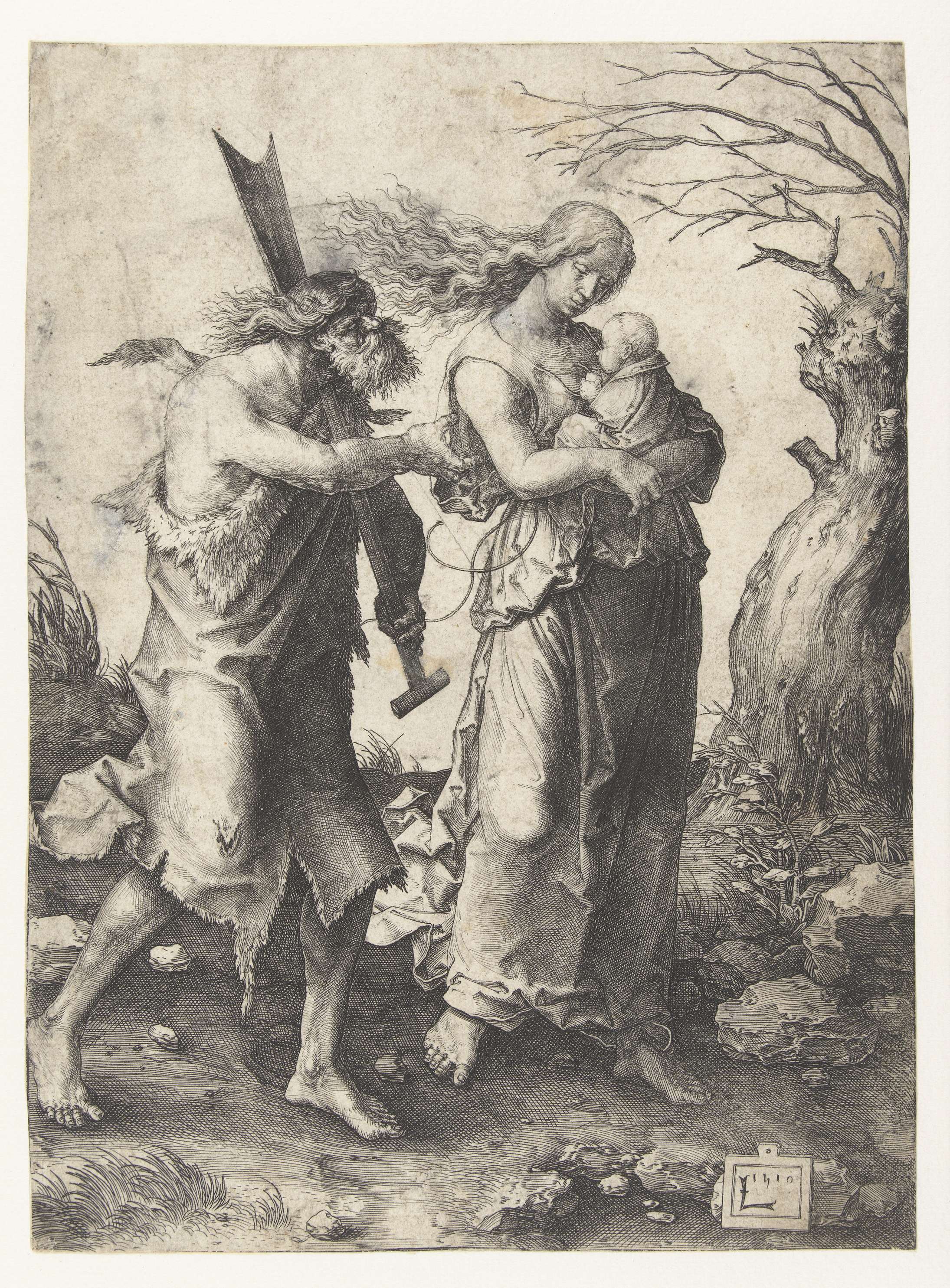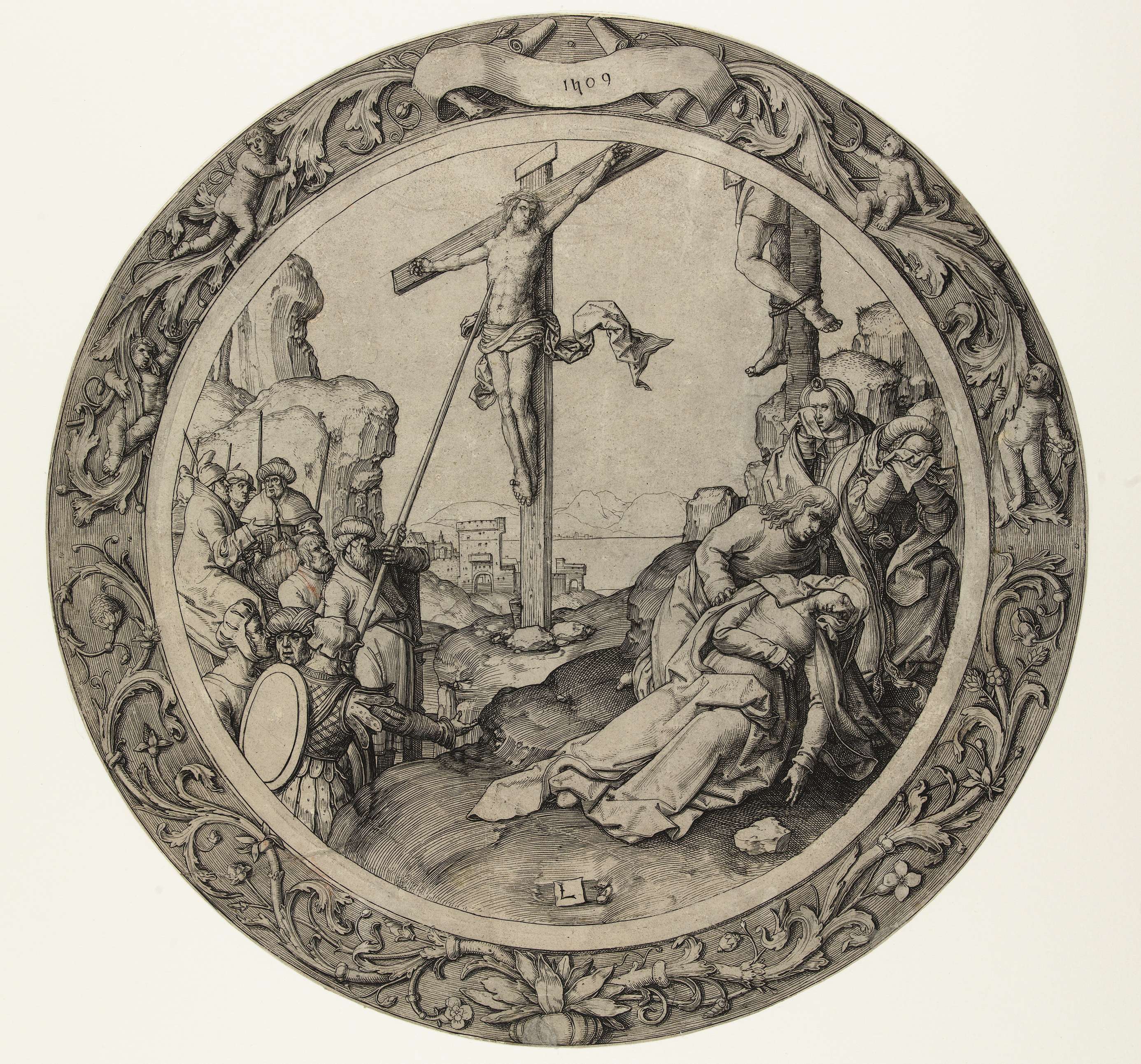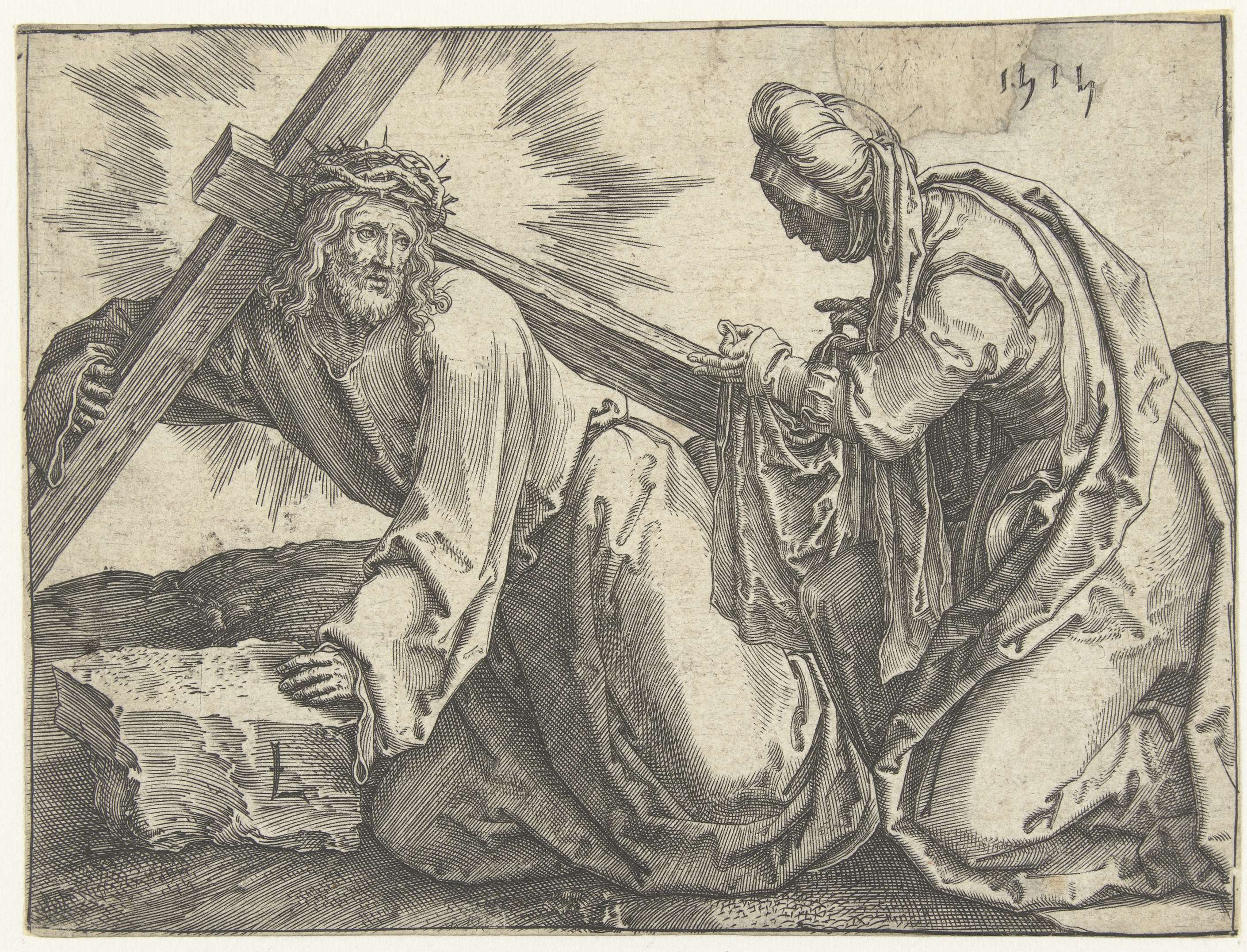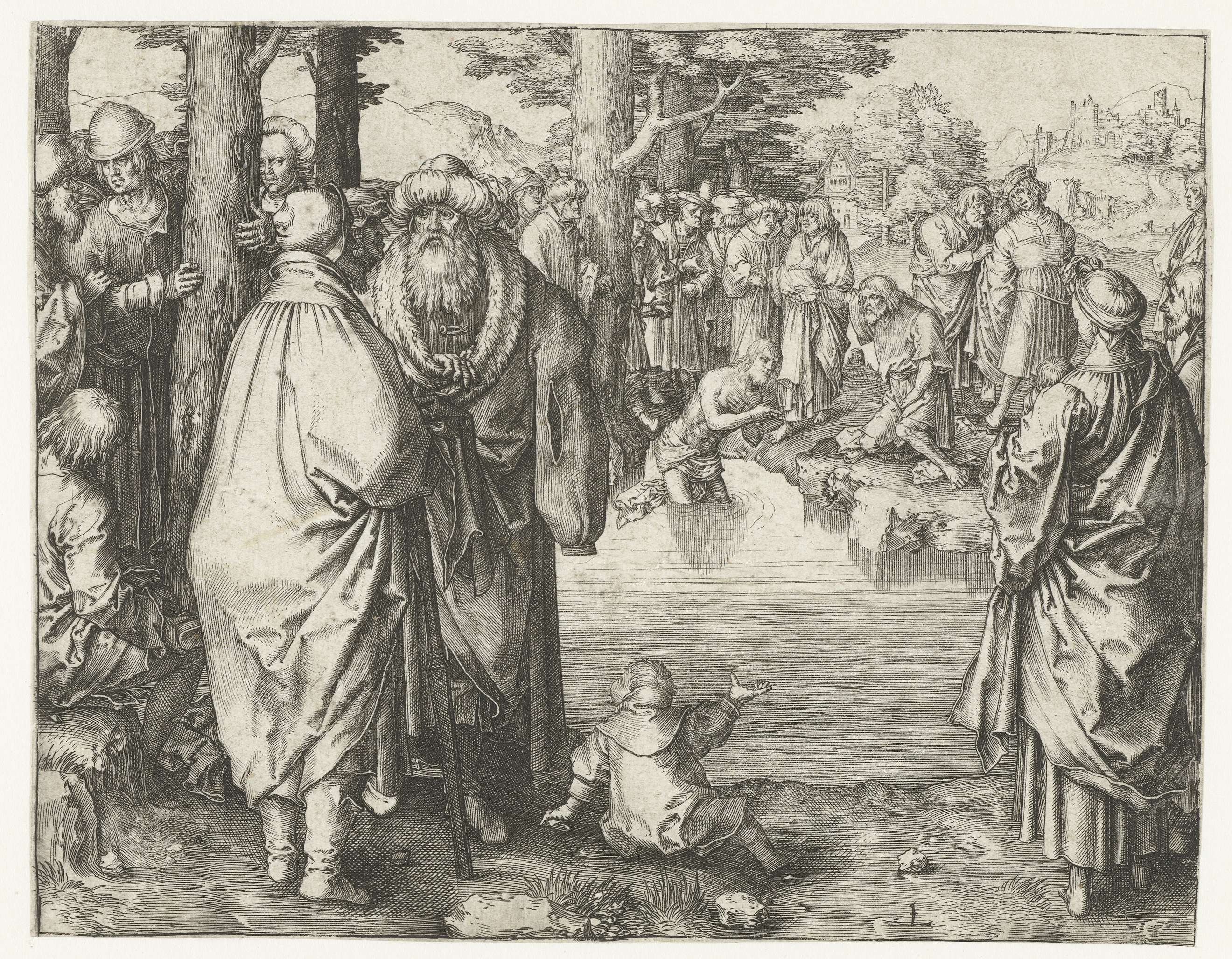
Could beauty survive in a century of chaos? In *De bekering van Paulus*, the answer unfolds with intricate grace, revealing the profound intersections of faith and transformation. The painting invites contemplation on the nature of change, both spiritual and societal, as it captures a moment of revelation that echoes beyond its canvas. Look to the left at the figure of Saul, his posture tense and dynamic, caught mid-fall to the ground. The artist employs sharp contrasts of light and shadow, illuminating Saul’s face while enveloping the surrounding figures in a muted haze, evoking a sense of divine intervention. The earth beneath him is rendered with earthy tones, grounding this celestial encounter in a tangible reality. Each gesture is deliberate; the companions in the background appear confused, their expressions a mix of shock and intrigue, heightening the emotional gravity of the scene. Beneath the surface lies a rich interplay of light and dark, symbolizing the duality of ignorance and enlightenment. Saul’s fall represents a radical transformation, while the hesitance of those around him signifies the struggle to comprehend such a shift. The stark juxtaposition of vibrant divine light and the somber tones of the earthly realm evokes a meditation on faith and doubt—one man’s journey to salvation becomes a mirror of the collective human experience. In 1509, as Lucas van Leyden painted this work, he was emerging as a pivotal figure in the Northern Renaissance. Working in Leiden, he was at the forefront of a movement that emphasized intricate detail and emotional depth in art, reflecting the burgeoning humanist ideals of the time. Amidst the tumult of religious upheaval in Europe, this painting stands as a testament to the transformative power of faith, offering a glimpse into a personal and collective awakening.