De maaltijd — History & Analysis
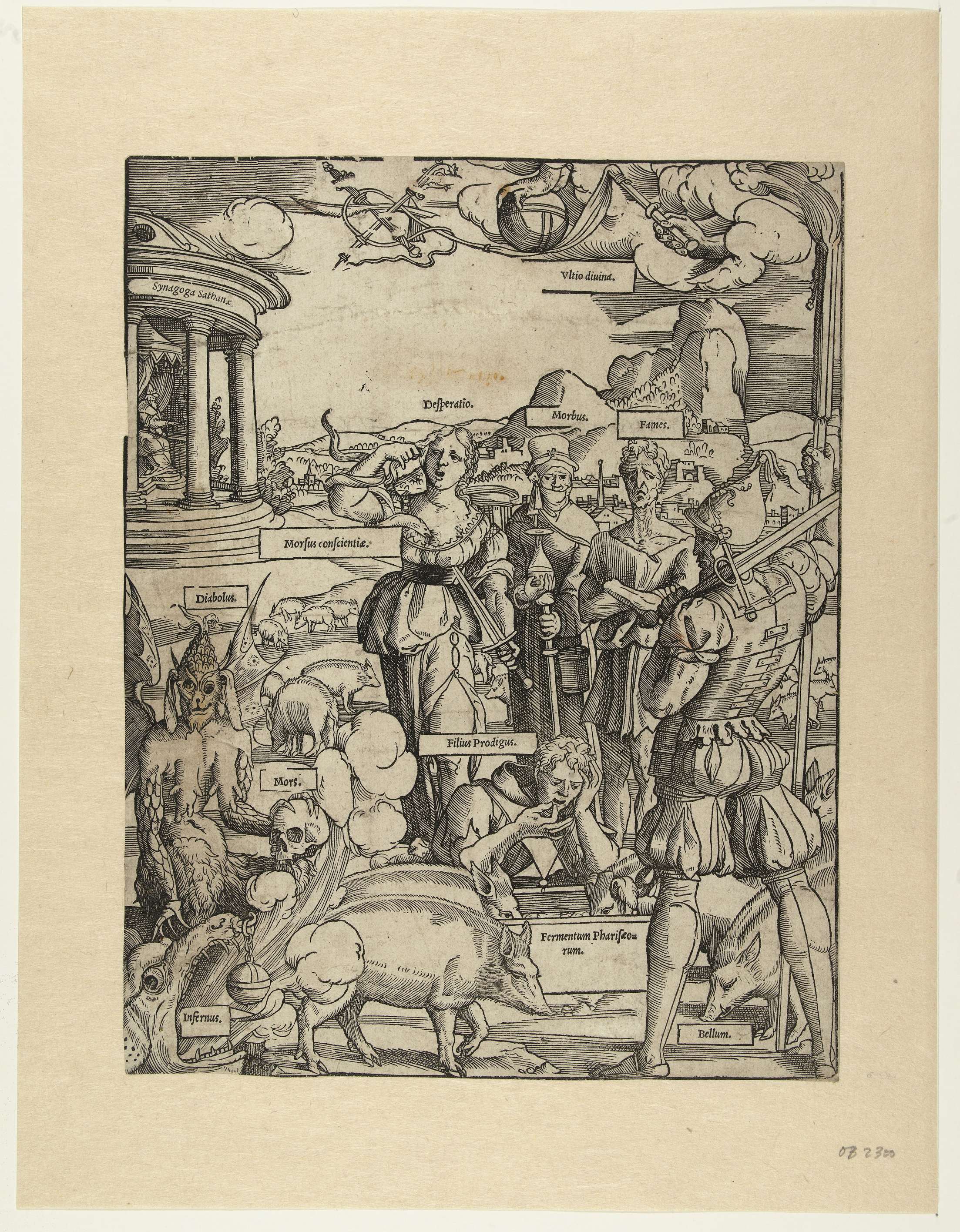
“Under the brush, chaos becomes grace.” In a world rife with uncertainty, an artist captures the silence that lies between abundance and deprivation, illustrating the delicate balance of existence. Look to the center of the composition, where a grand table laden with sumptuous food commands attention. The vibrancy of the fruits glows against the muted tones of the surrounding space, drawing the eye towards the wealth on display. Notice how the light caresses each item, creating a dance of shadows that adds depth, all while the figures in the background fade into obscurity—suggesting a void filled with untold stories.
The juxtaposition of opulence and absence carries immense weight. The overflowing bounty on the table stands in stark contrast to the emptiness that envelops the margins of the scene. The delicate expressions on the faces of the figures hint at an inner turmoil, questioning the fleeting nature of pleasure and the inevitable void that follows. Every detail—the gleam of the goblet, the careful placement of bread—offers a commentary on the fragility of joy amidst the relentless march of time.
Cornelis Anthonisz painted this piece in 1541 during a period of significant change in the Northern Renaissance. Based in Amsterdam, he found himself at the crossroads of artistic innovation and societal upheaval, with emerging themes of humanism influencing his work. Amidst these tensions, he sought to explore the duality of human experience, reflecting a world grappling with both prosperity and uncertainty.