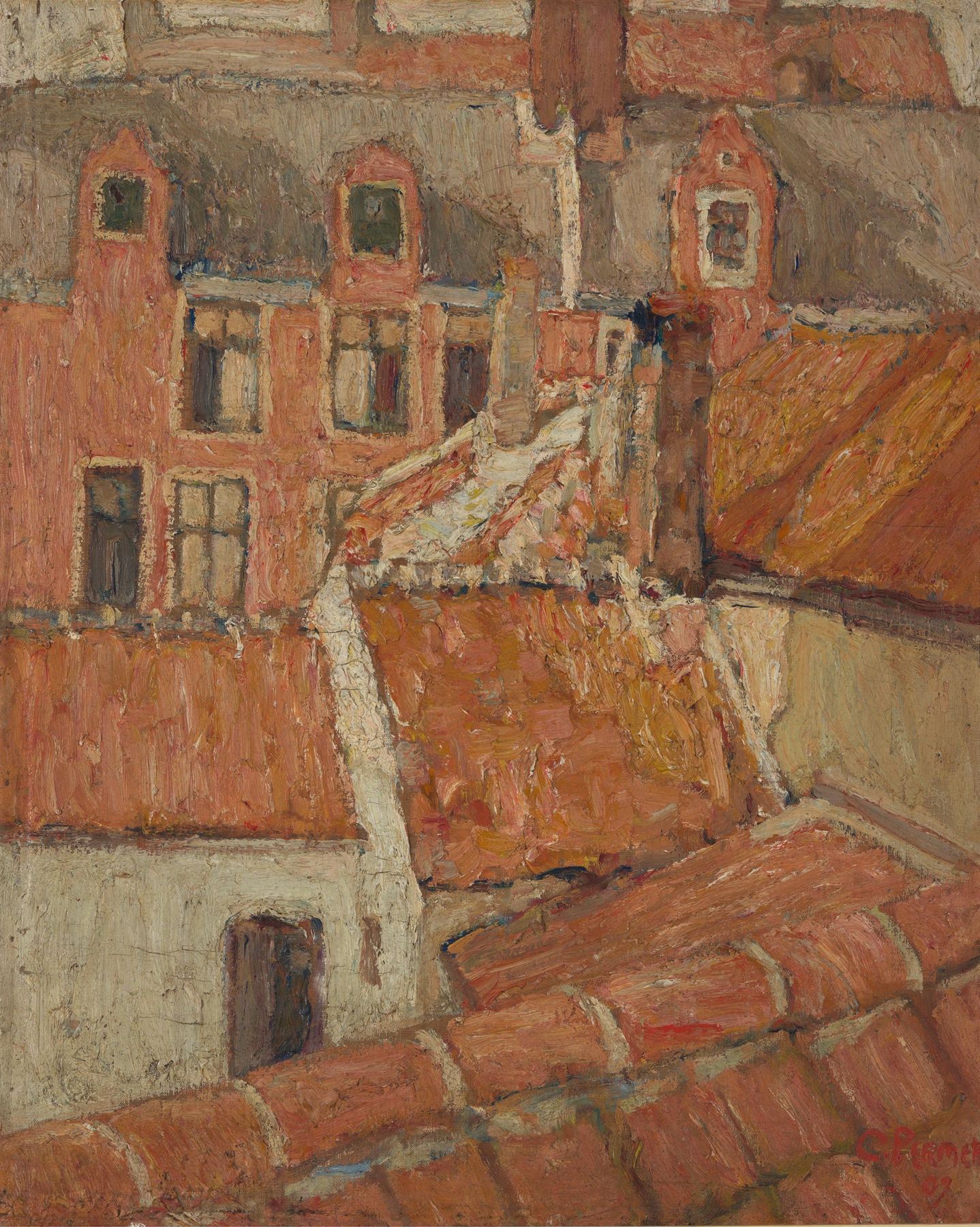
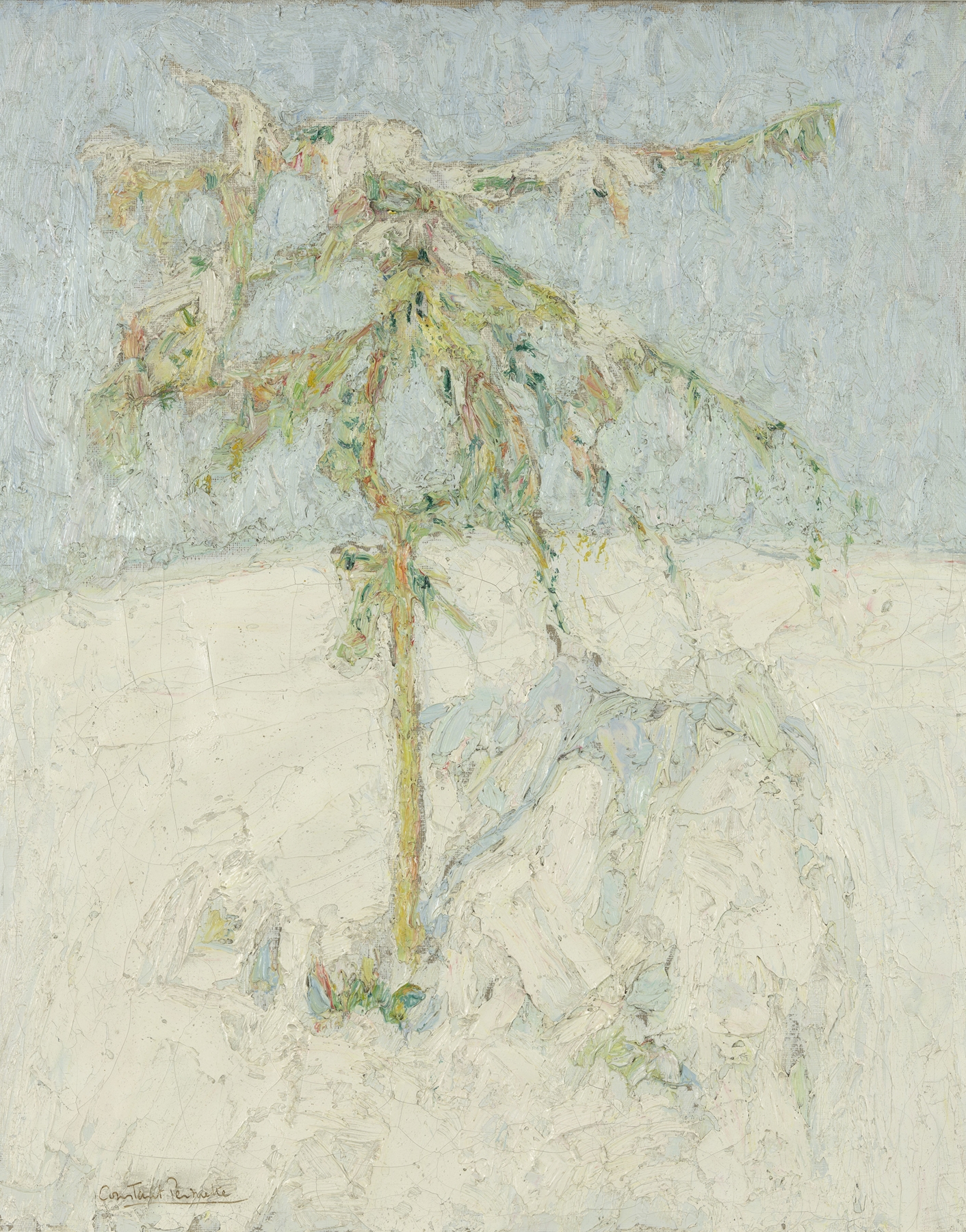
De mijten — History & Analysis
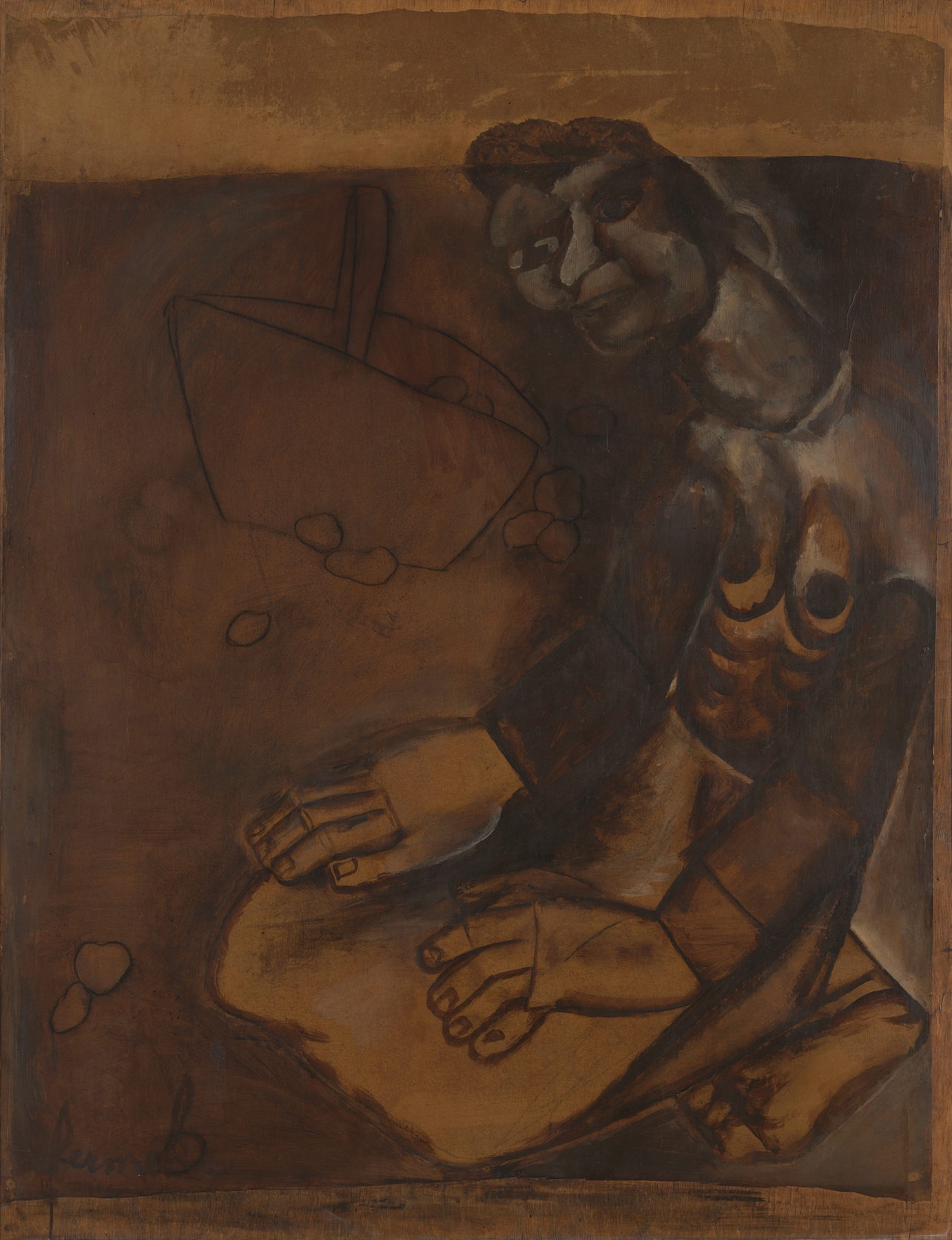
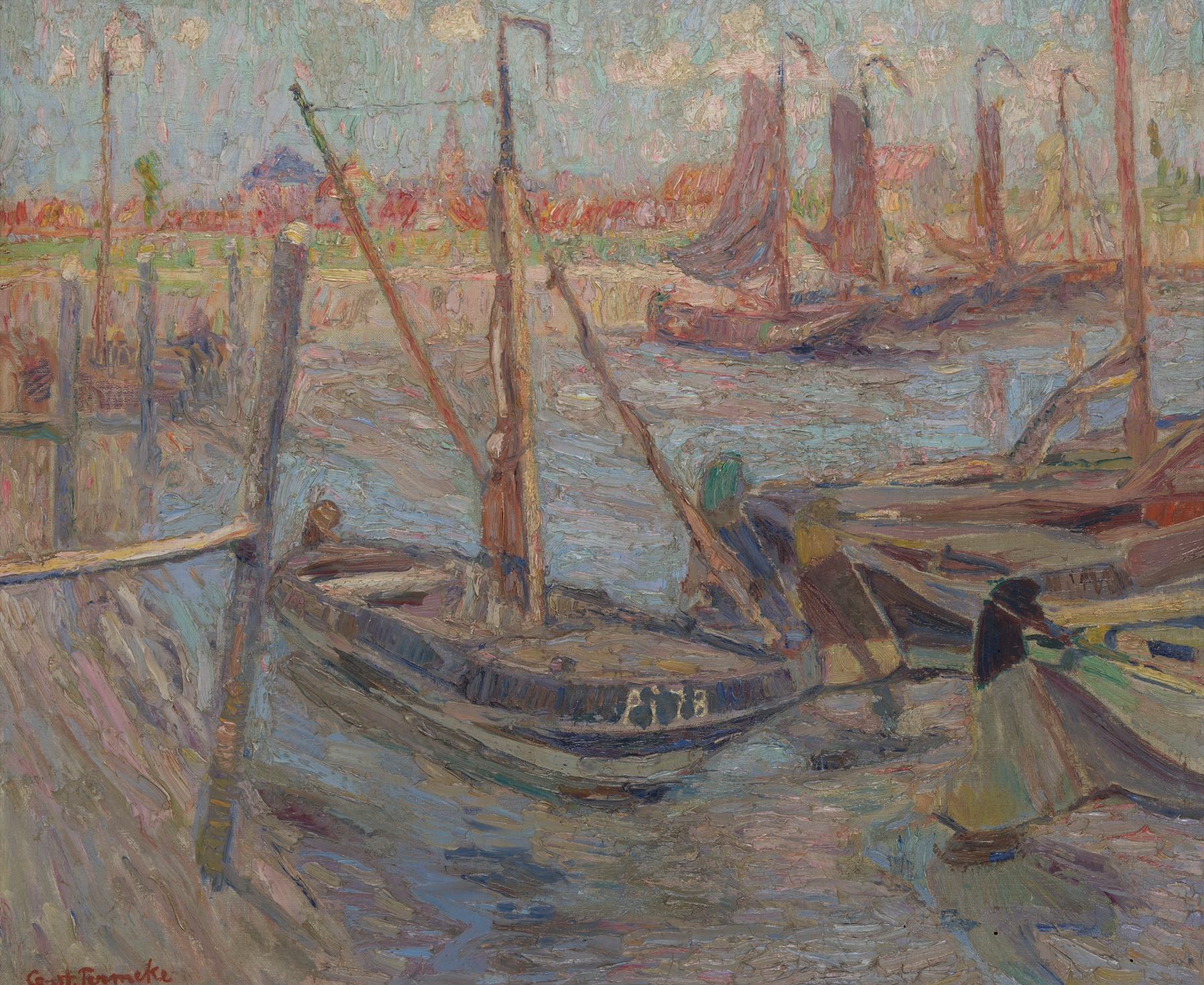
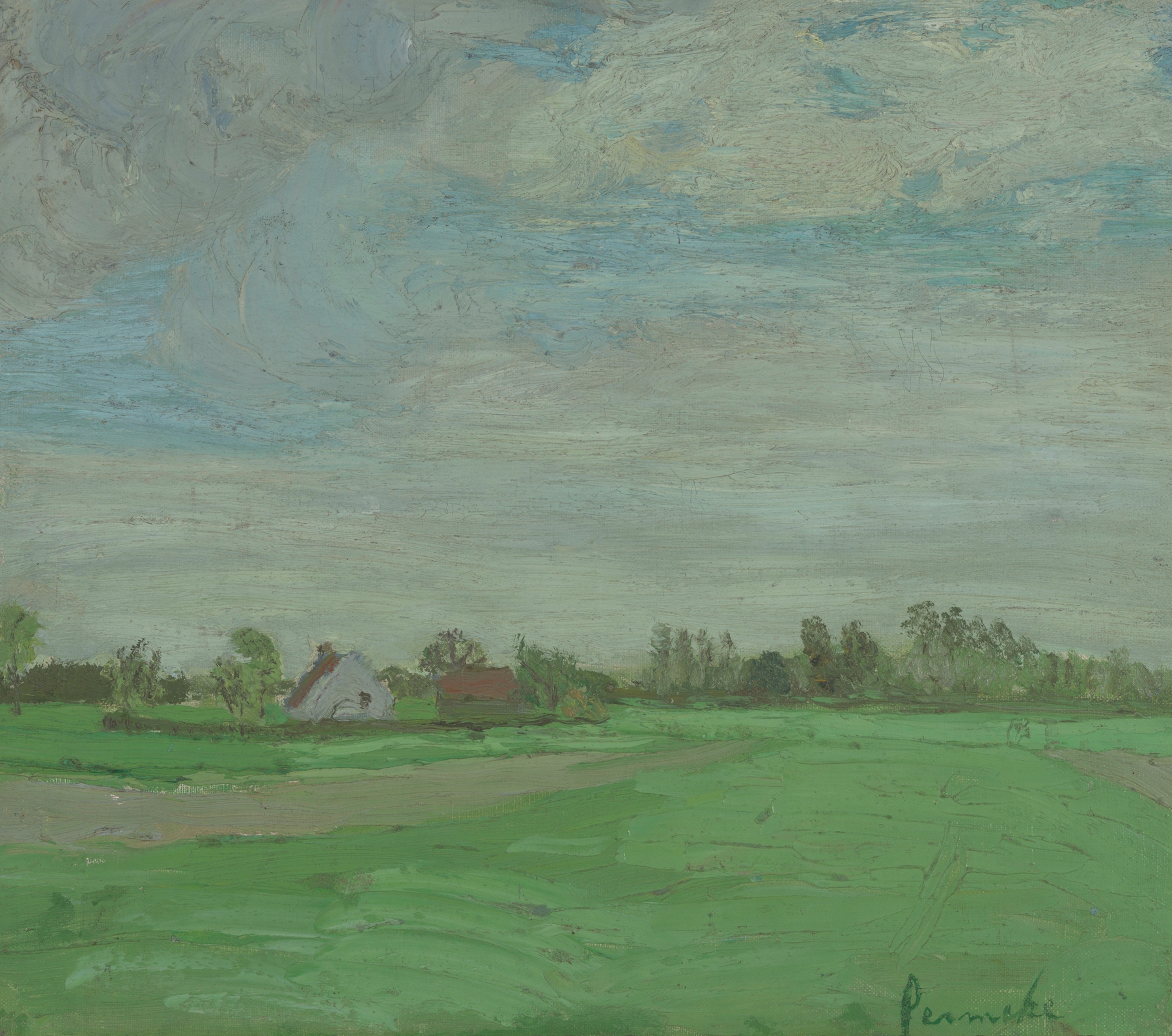
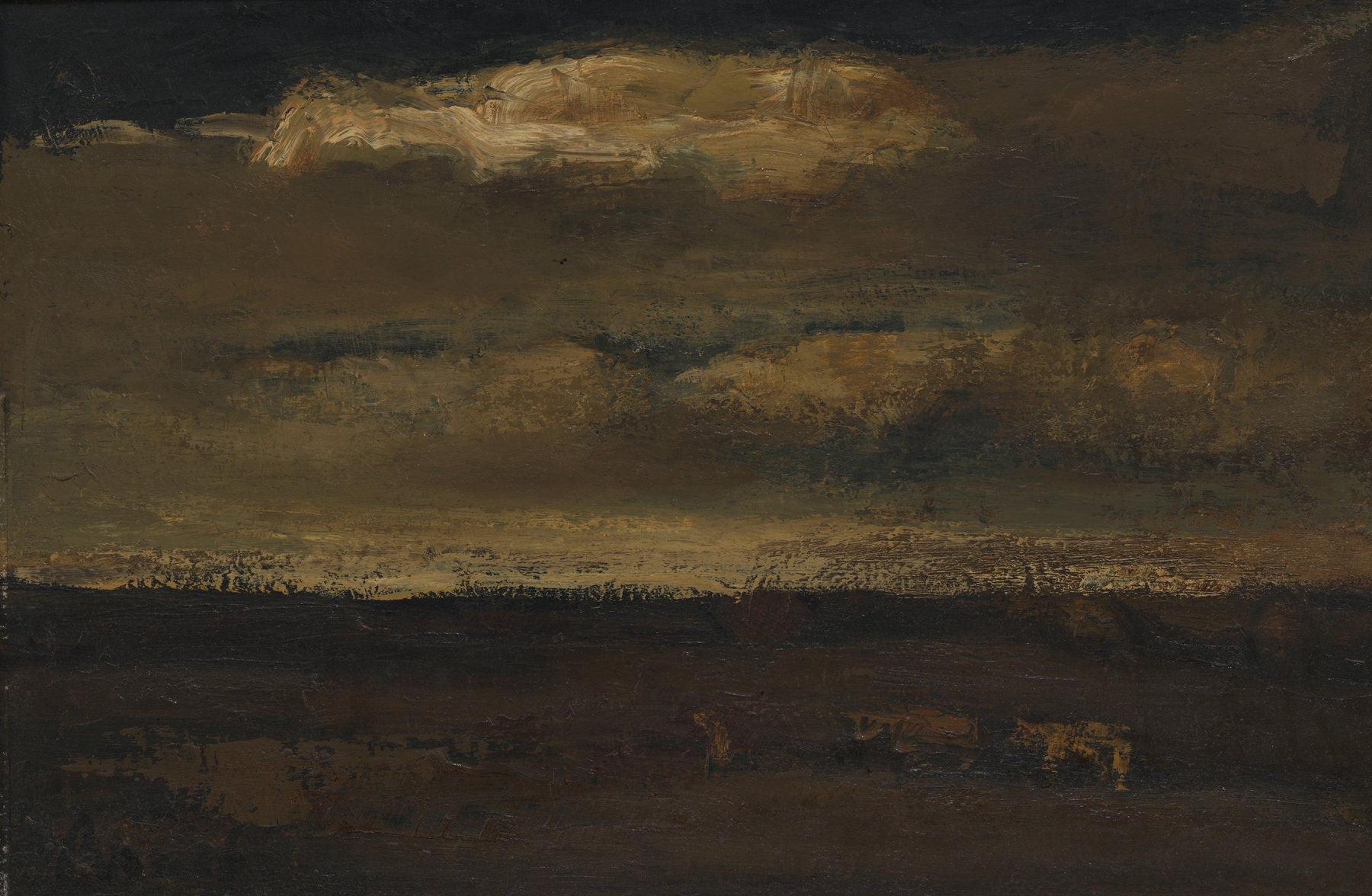
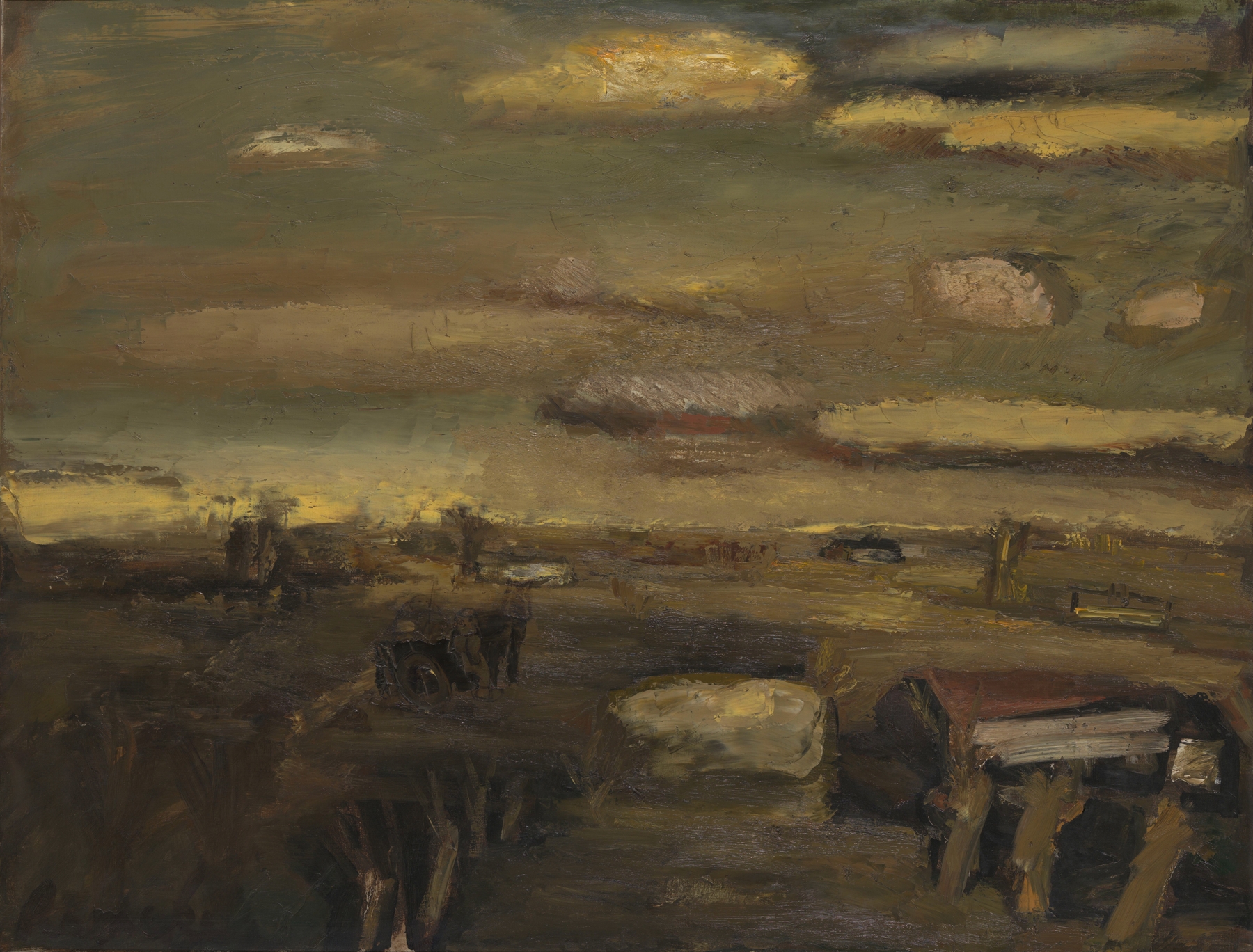
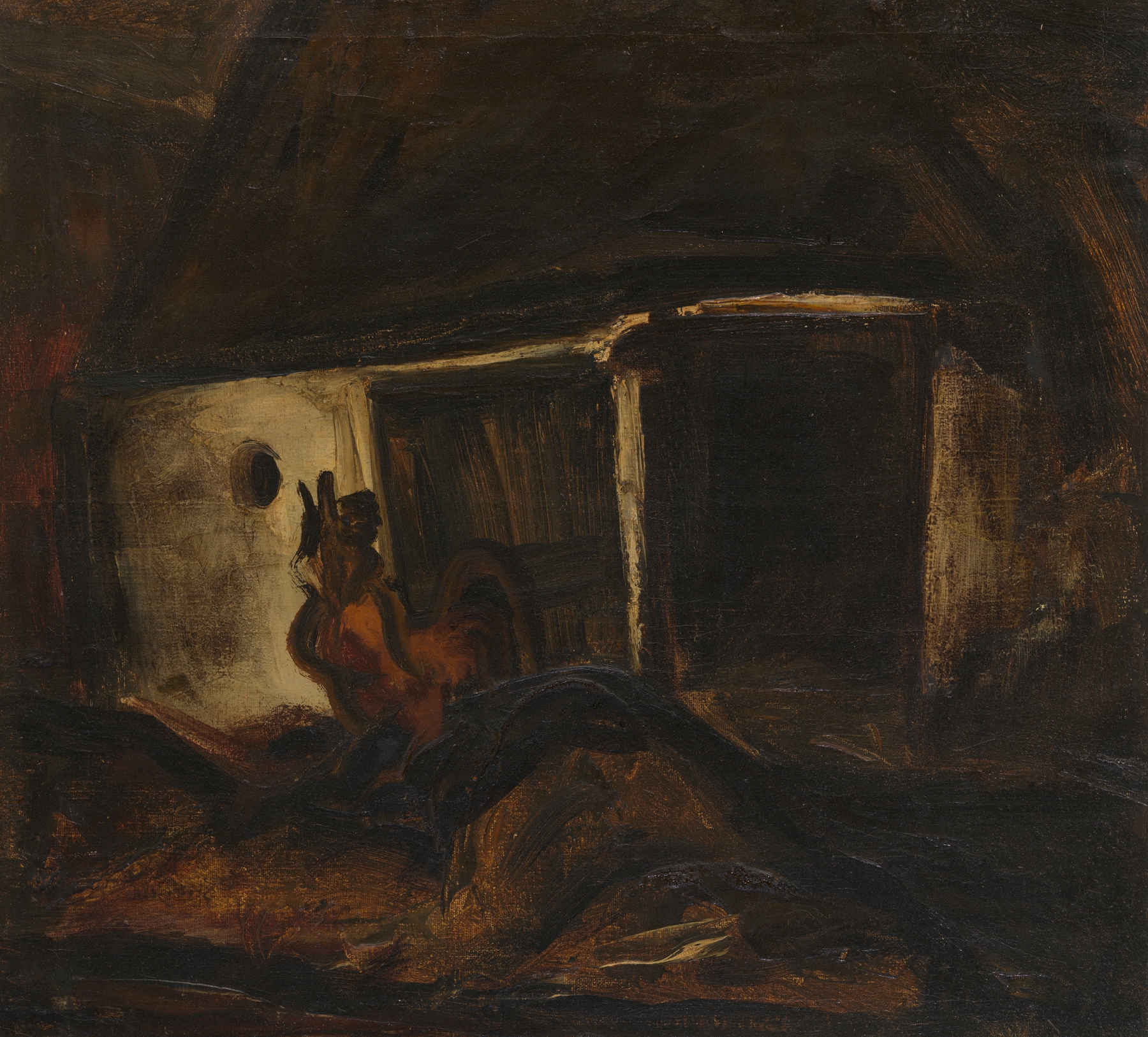
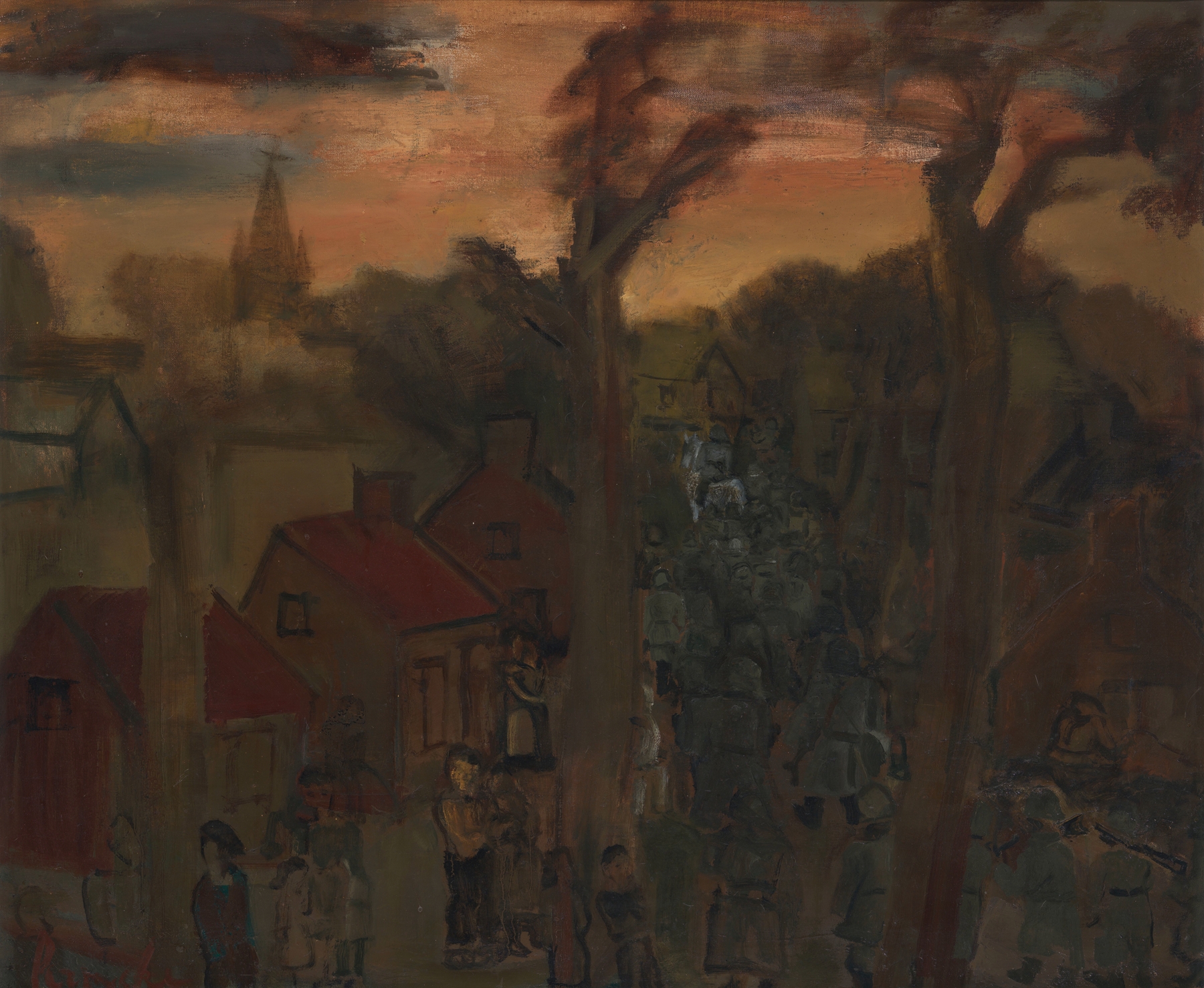
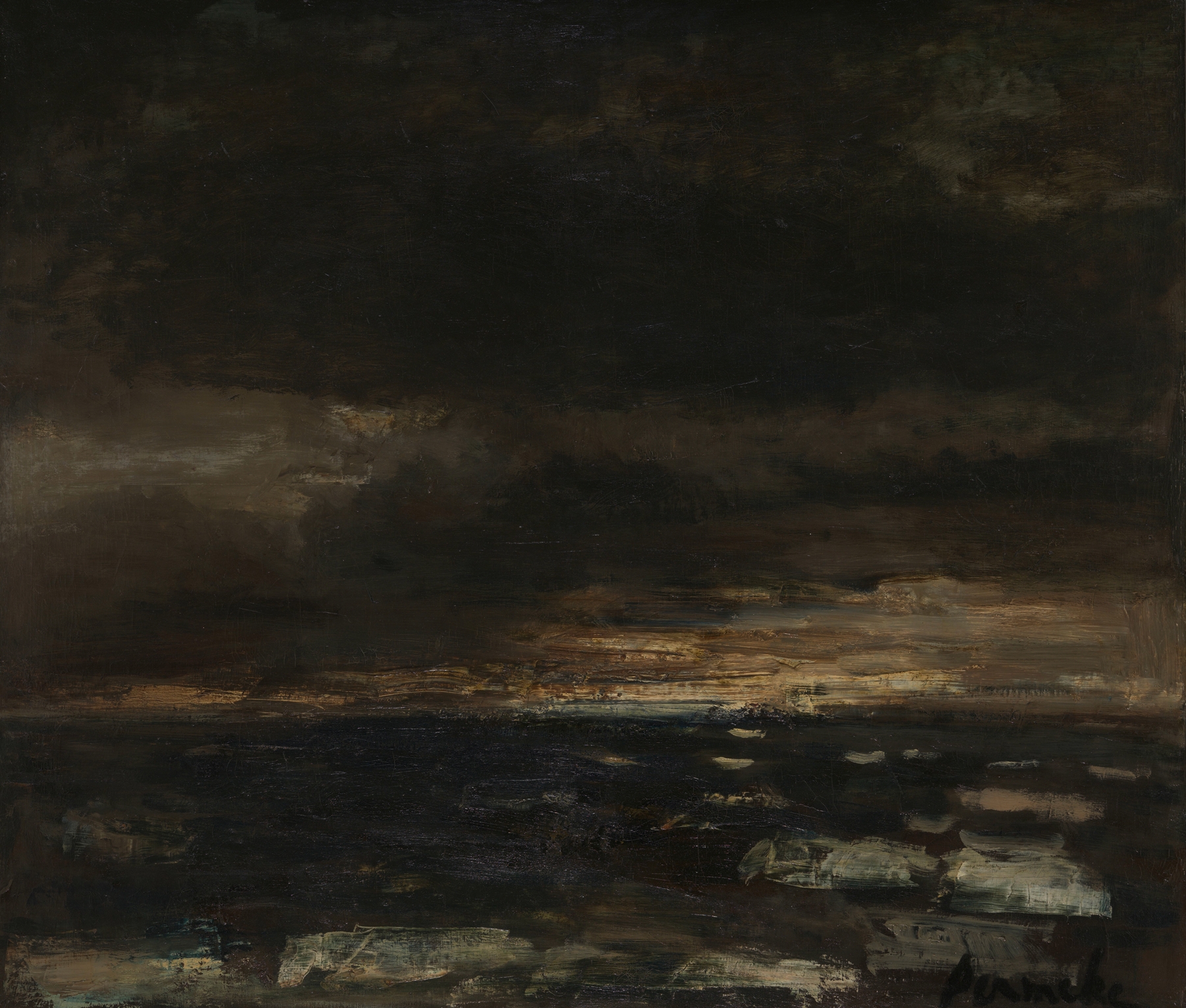
Where does light end, and longing begin? In the delicate balance of emotion, we often find ourselves teetering between hope and grief, much like the depths portrayed in this poignant artwork. Look to the foreground, where the thick brushstrokes create a textured landscape that seems to ripple with unspoken stories. The muted palette of earth tones contrasts sharply with the vibrant bursts of light piercing through the scene, guiding your gaze toward the distant horizon. Notice how the figures are rendered with a sense of weight, their forms embodying both solidity and fragility, as they interact with the environment in intimate repose.
The light highlights certain details—a hand resting on a knee, a gaze turned toward the distance—quiet gestures that suggest a world beyond the canvas. The emotional tension is palpable; the ambiguity of the scene hints at loss and nostalgia. While the figures appear anchored in their moment, the surrounding landscape evokes a sense of infinite yearning. The interplay between shadow and illumination creates a haunting duality, where each ray of light seems to beckon memories of what once was, and the surrounding darkness whispers of what remains unfulfilled.
This contrast amplifies the grief encapsulated within the composition, inviting viewers to reflect on their own experiences of longing. In 1930, the artist created this work during a period of personal and artistic evolution. Constant Permeke was deeply influenced by the societal changes occurring in Europe, particularly post-World War I, which had left a significant mark on the collective psyche. Living in Belgium, he navigated the challenges of his own artistic identity while grappling with the emotional aftermath of a world transformed by conflict, infusing works like De mijten with a profound sense of empathy and introspection.