De Oude Waal te Amsterdam — History & Analysis
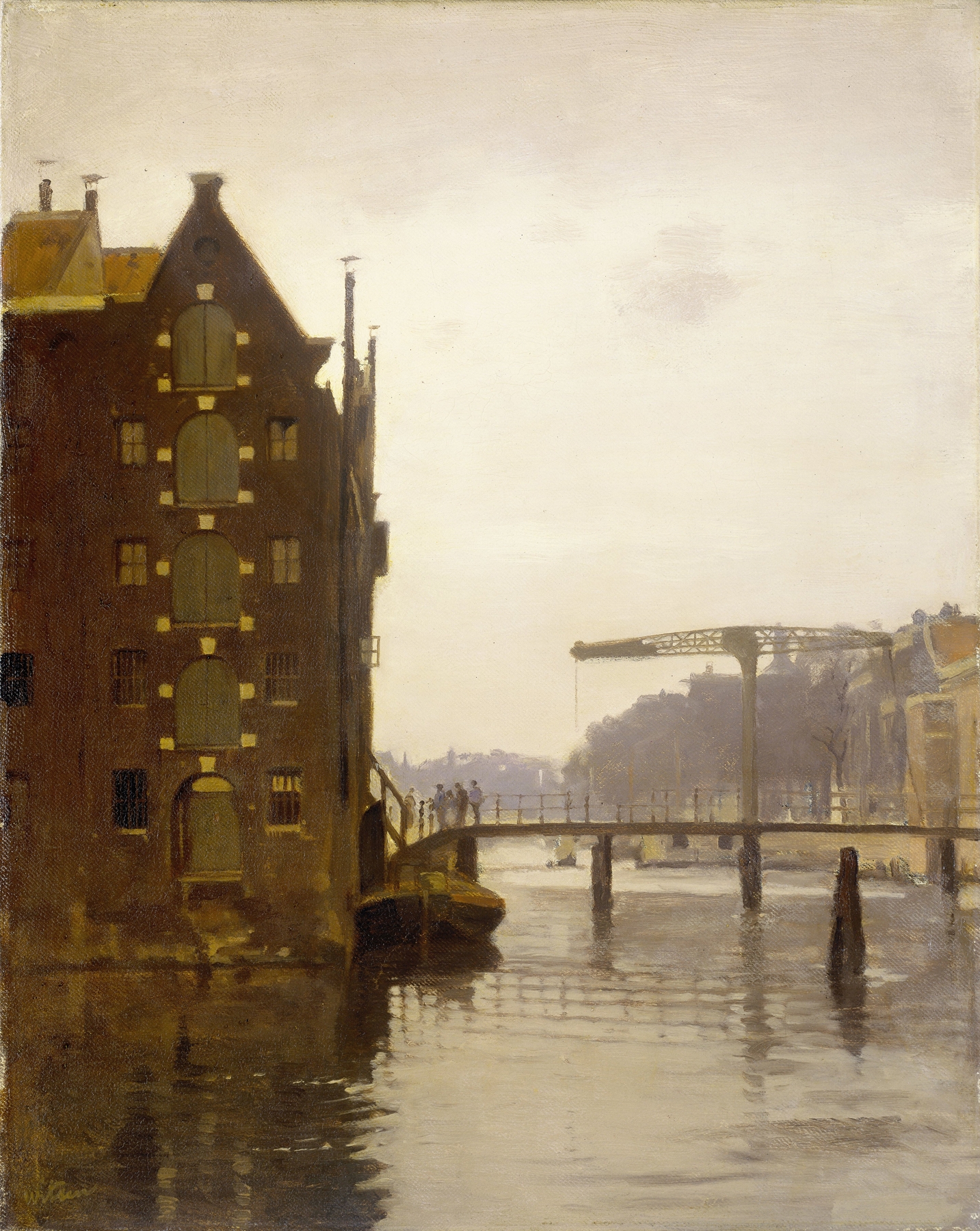
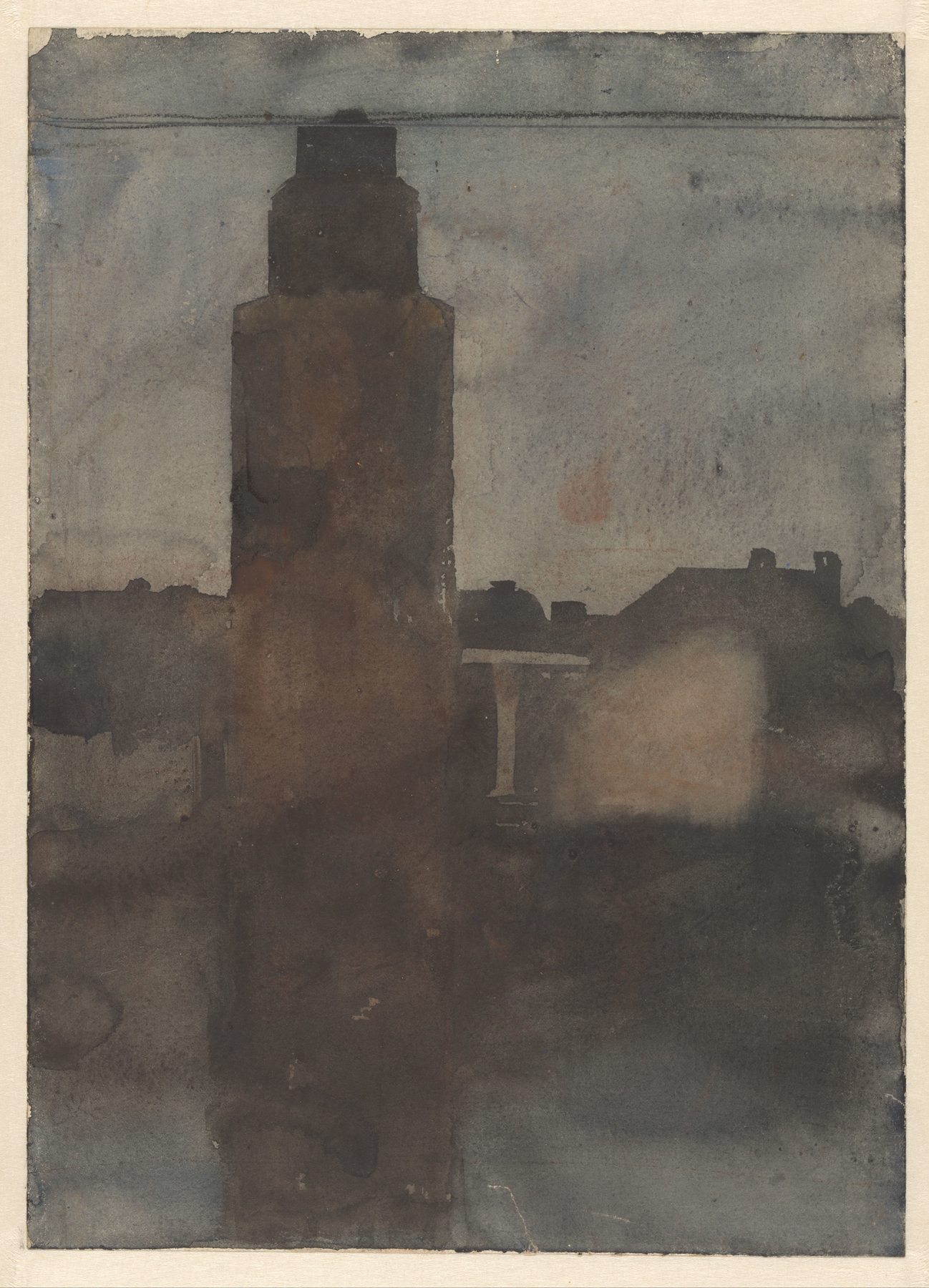
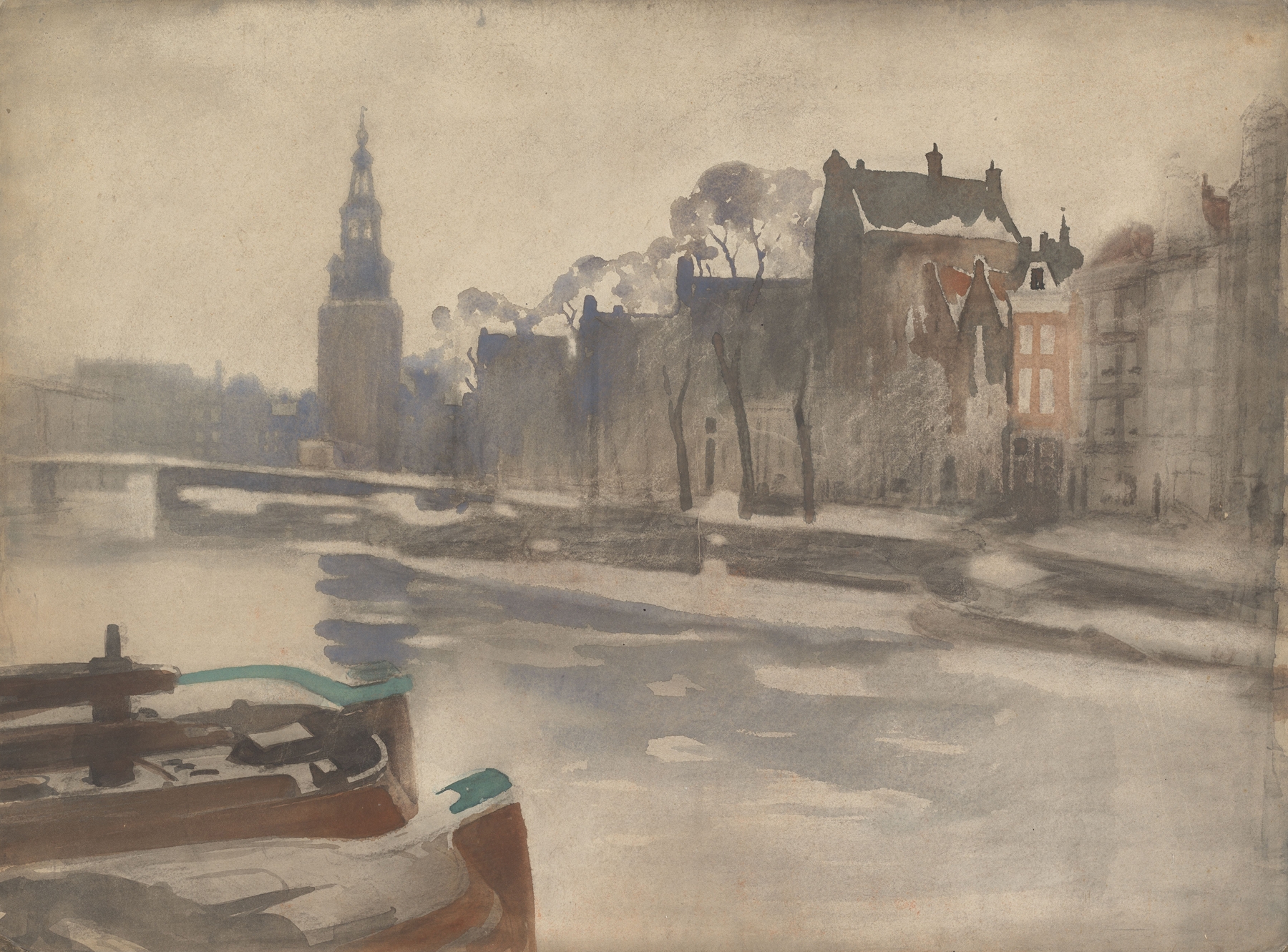
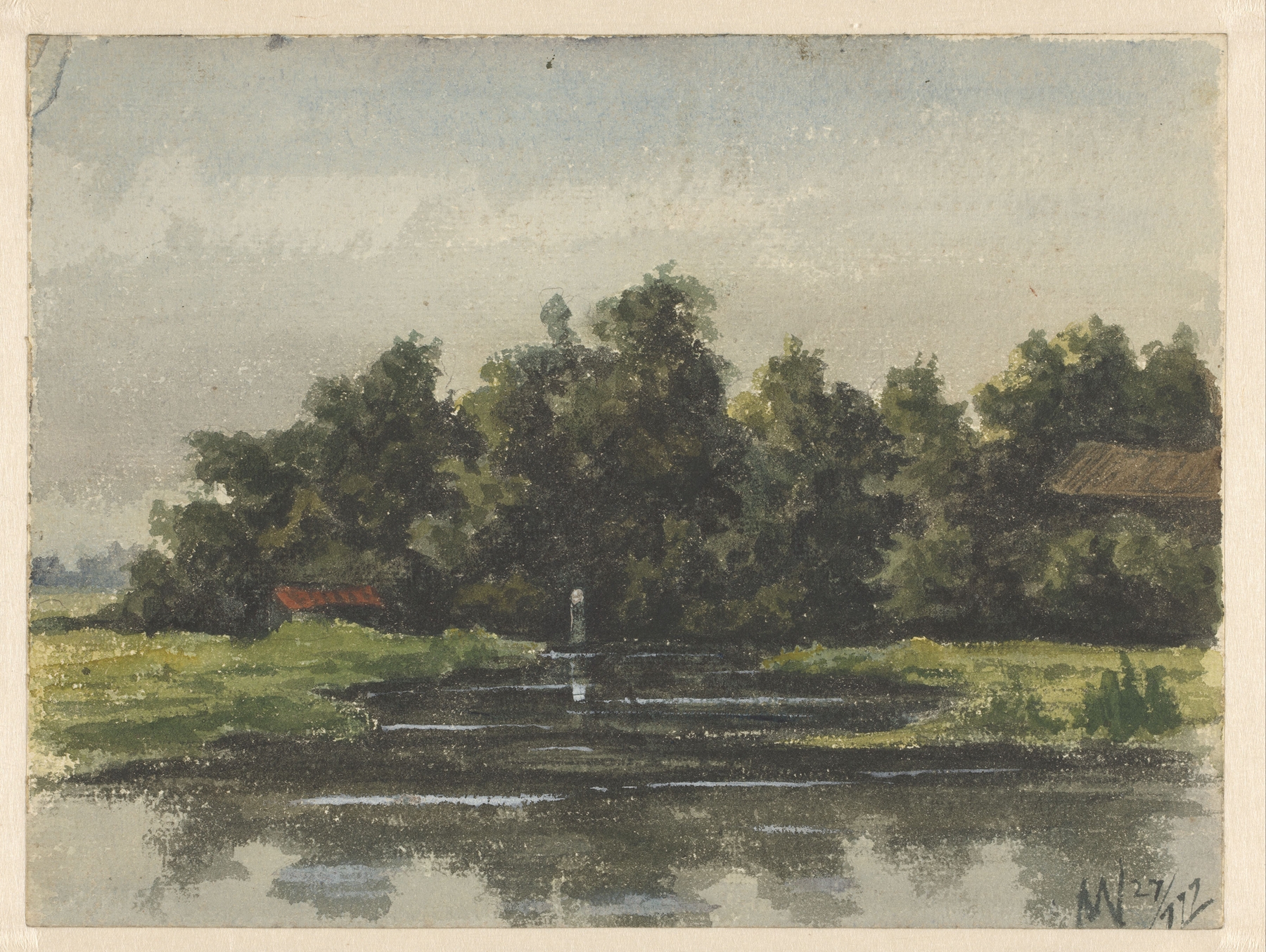
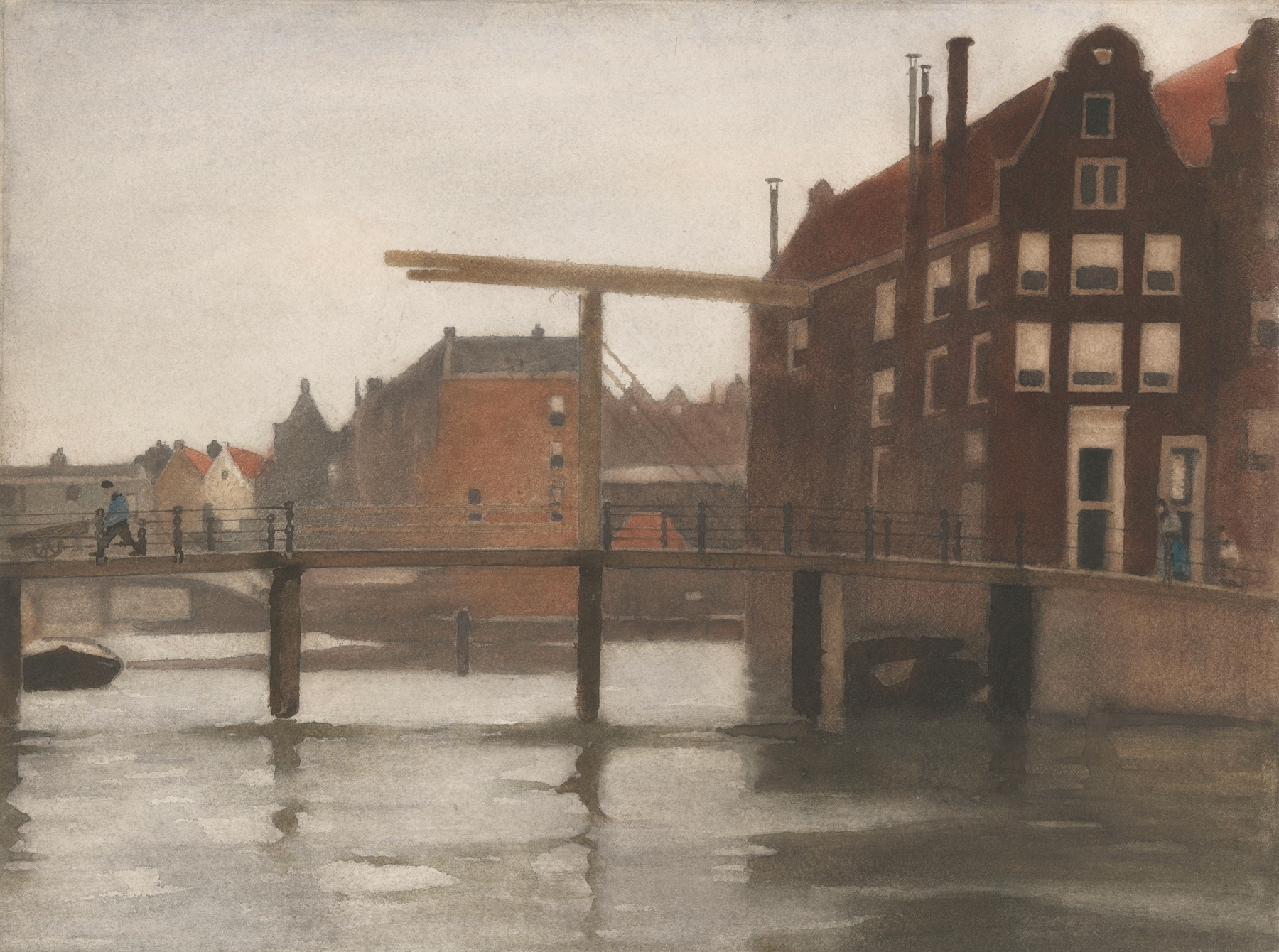
“The canvas doesn’t lie — it simply waits.” In the stillness of a damp Amsterdam morning, time feels suspended, echoing with the wistfulness of lives that have drifted by. The muted colors and ethereal atmosphere invite you into a moment where memory and longing intertwine, each brushstroke weaving a narrative of melancholy. Look to the left at the serene waterway, where the gentle ripple of the canal mirrors the overcast sky above. The somber hues of grey and blue dominate the scene, inviting immediate reflection. Notice how the quaint houses, their façades softened by the mist, recede into the background, while the figures – perhaps a couple or solitary travelers – are enveloped in quiet contemplation.
The delicate interplay of light and shadow gives depth to the landscape, suggesting a world both familiar and elusive. Within this tranquil composition lies an intricate tension between solitude and connection. The figures may represent the human experience of searching for meaning in the everyday, while the encompassing water symbolizes the passage of time — fluid, yet ungraspable. The overarching gloom hints at a deeper emotional landscape, exploring themes of nostalgia and the fleeting nature of existence.
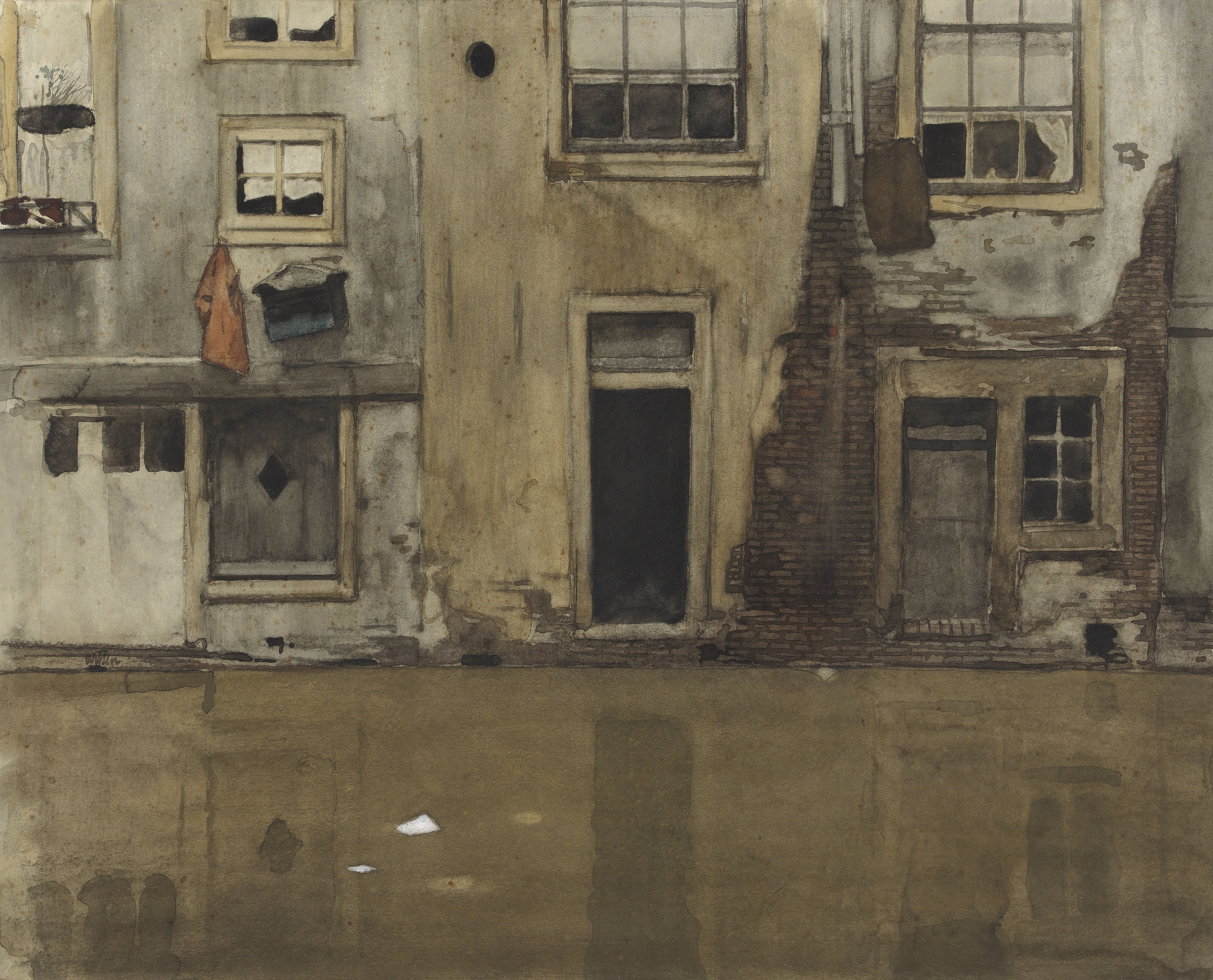
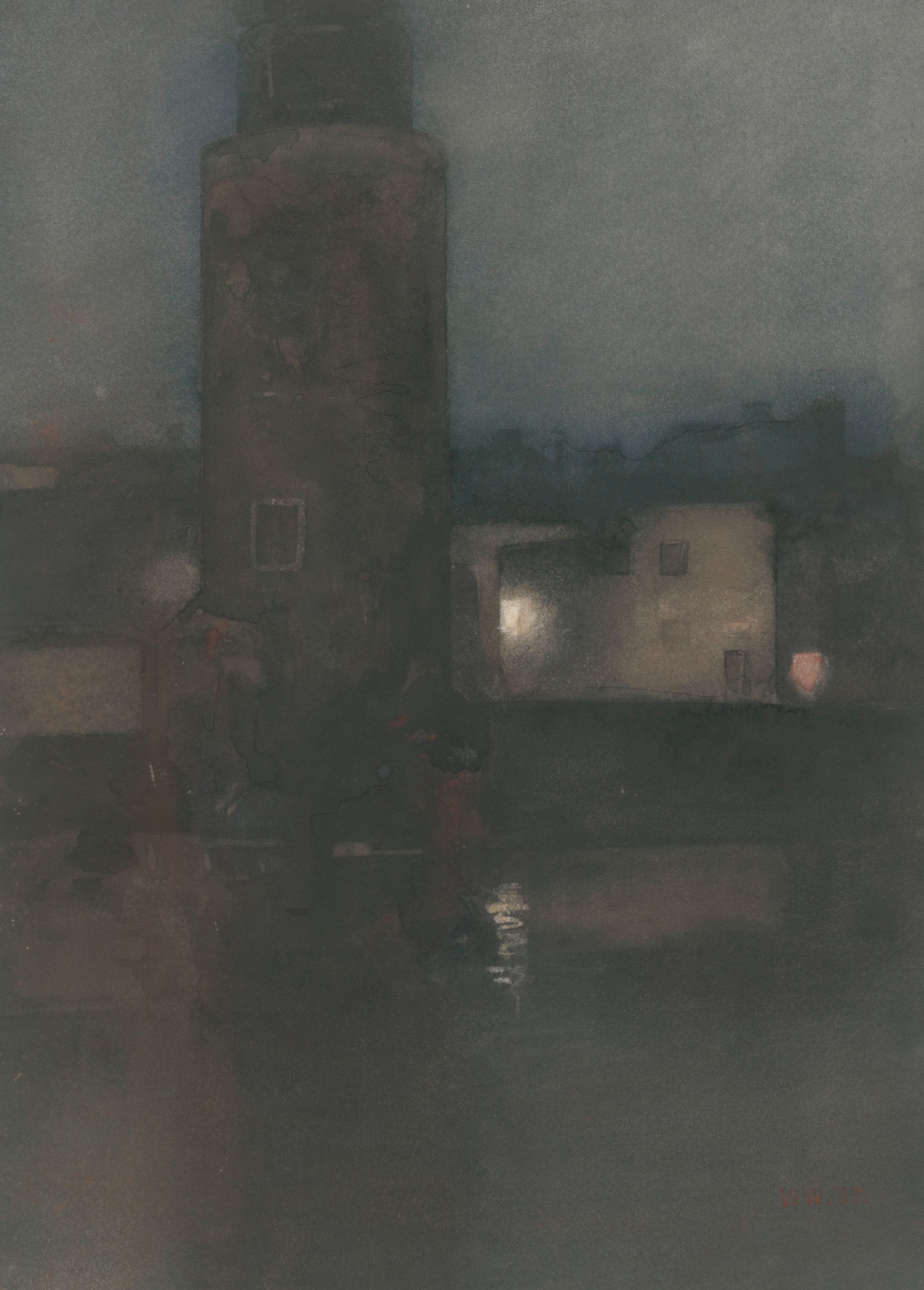
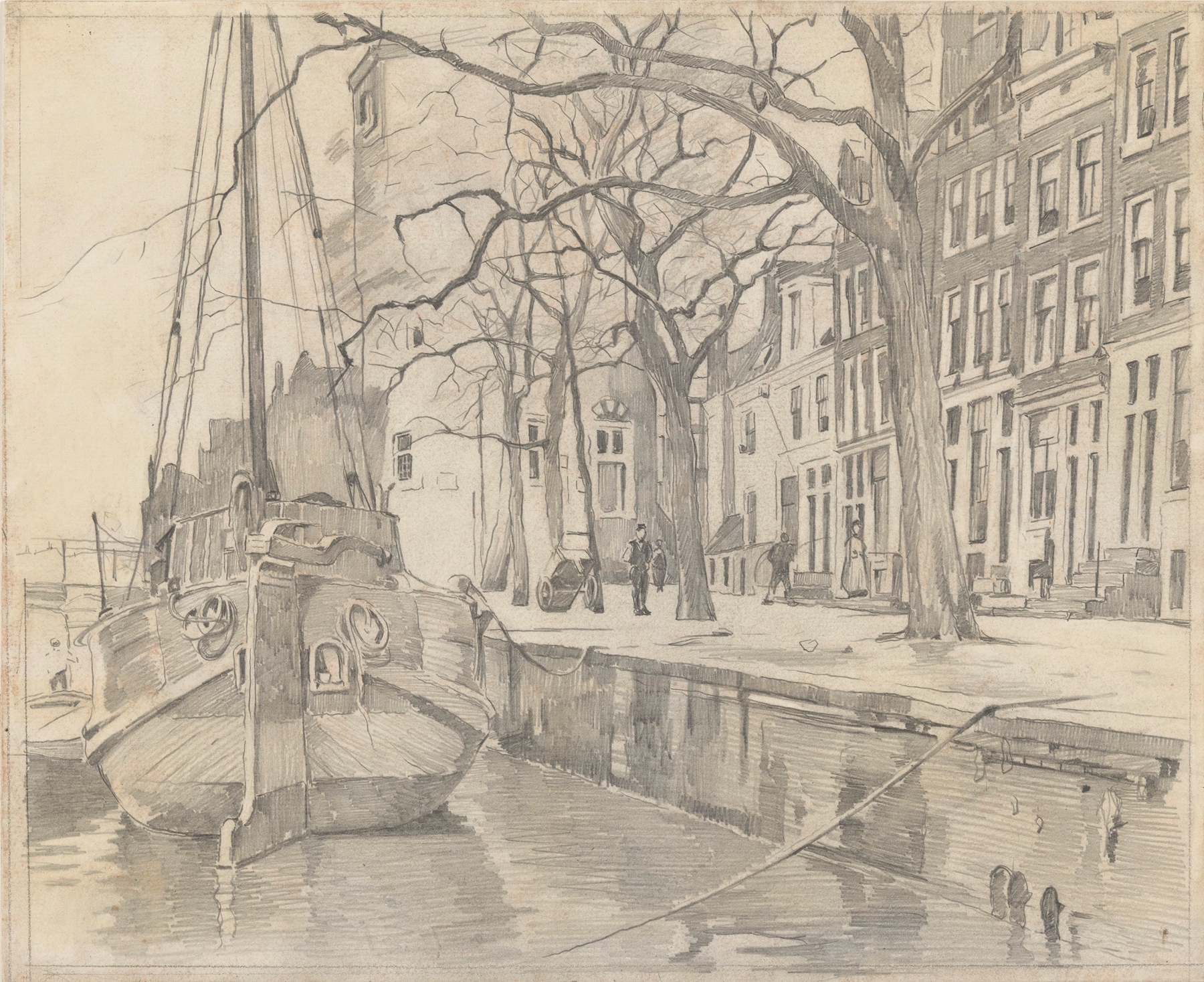
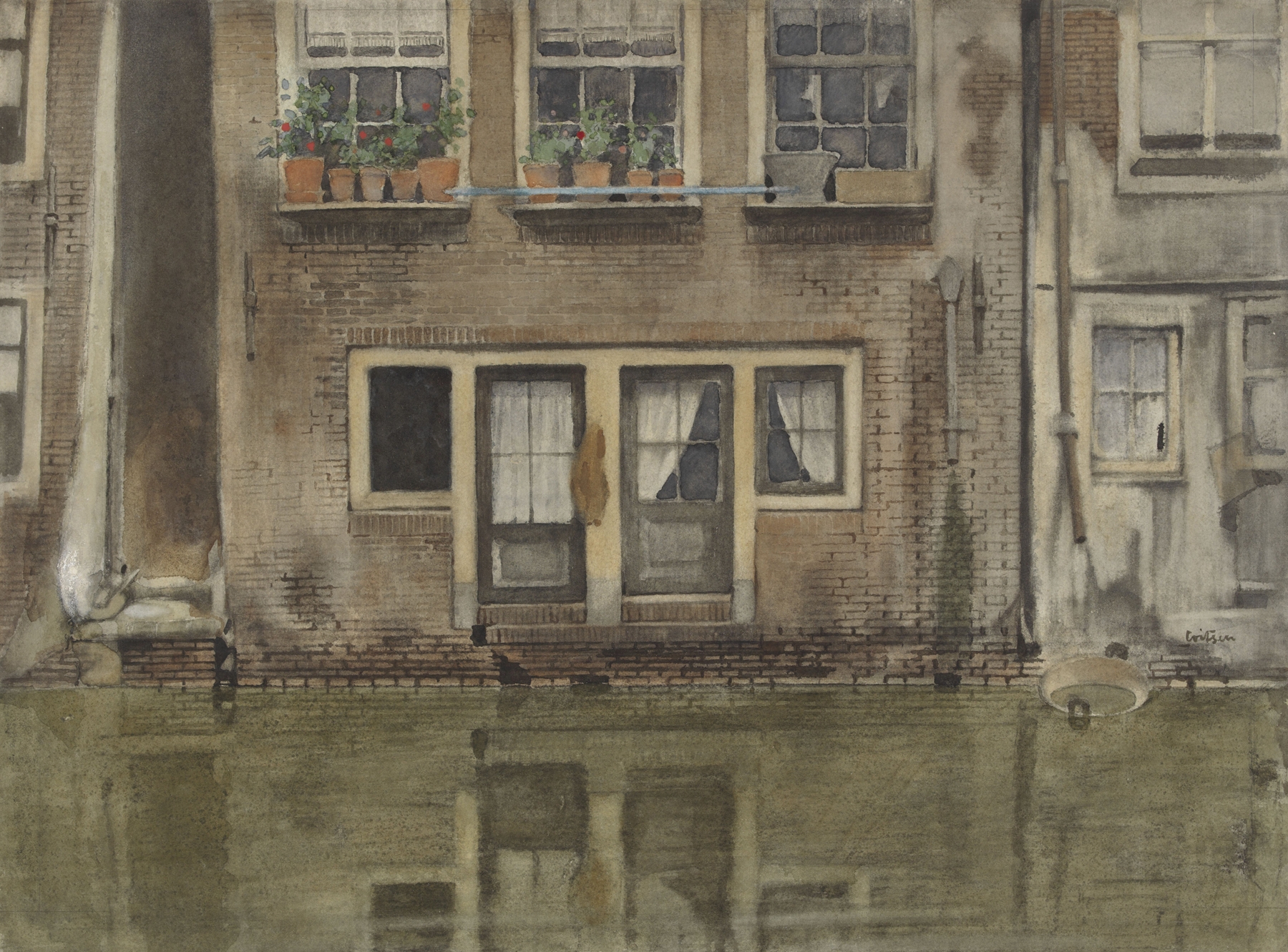
Every detail, from the reflections on the water’s surface to the distant horizon, resonates with an underlying sense of melancholy. Willem Witsen created this work during a period of personal introspection, between 1870 and 1923, as he navigated the complexities of his artistic career in Amsterdam. At this time, the art world was shifting, with emerging movements challenging traditional forms. Witsen’s focus on atmospheric landscapes reflected a broader interest in impressionism, yet his unique voice emerged through his exploration of mood, capturing the essence of a city steeped in history and emotional depth.