De verloren zoon verspilt zijn erfenis — History & Analysis
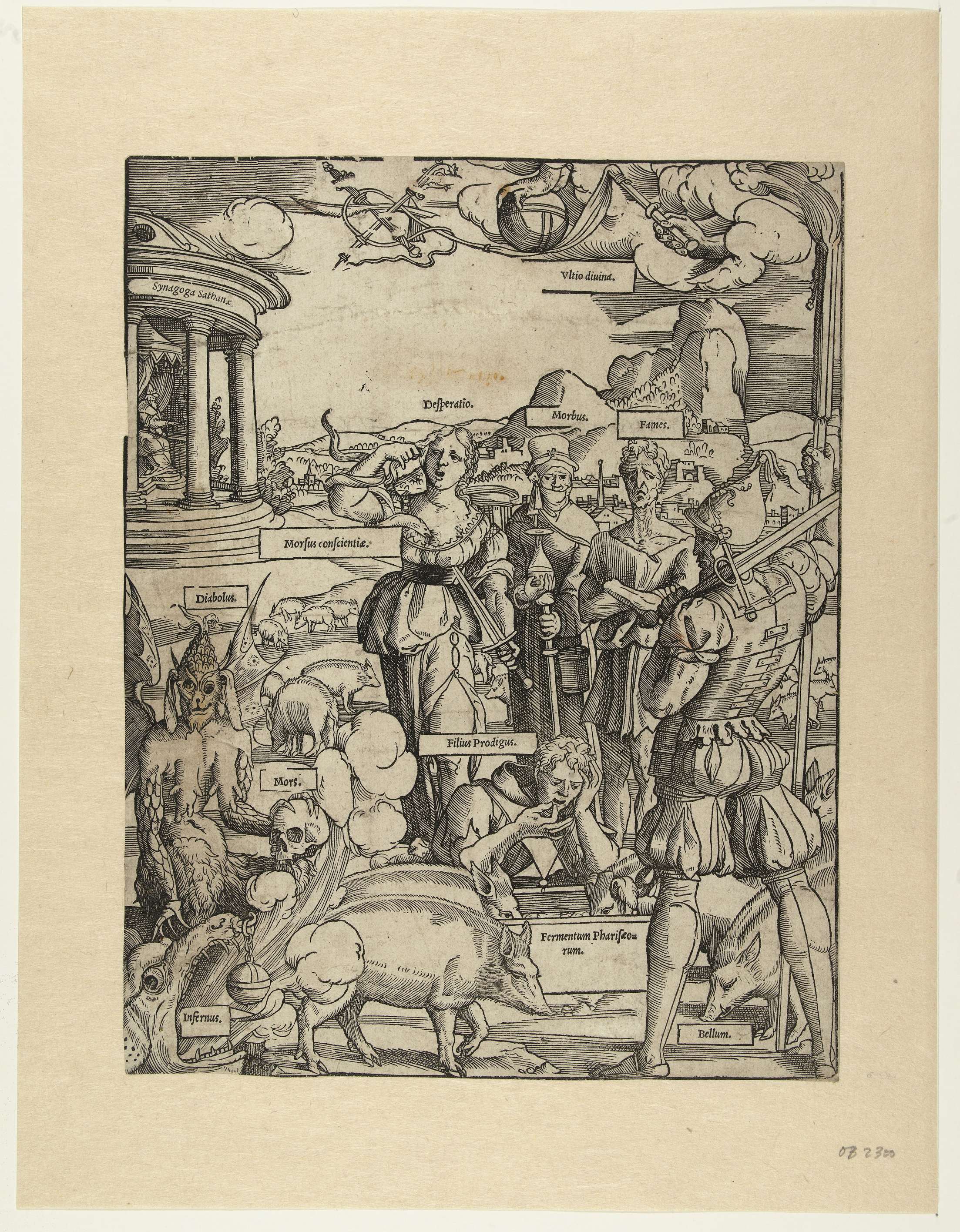
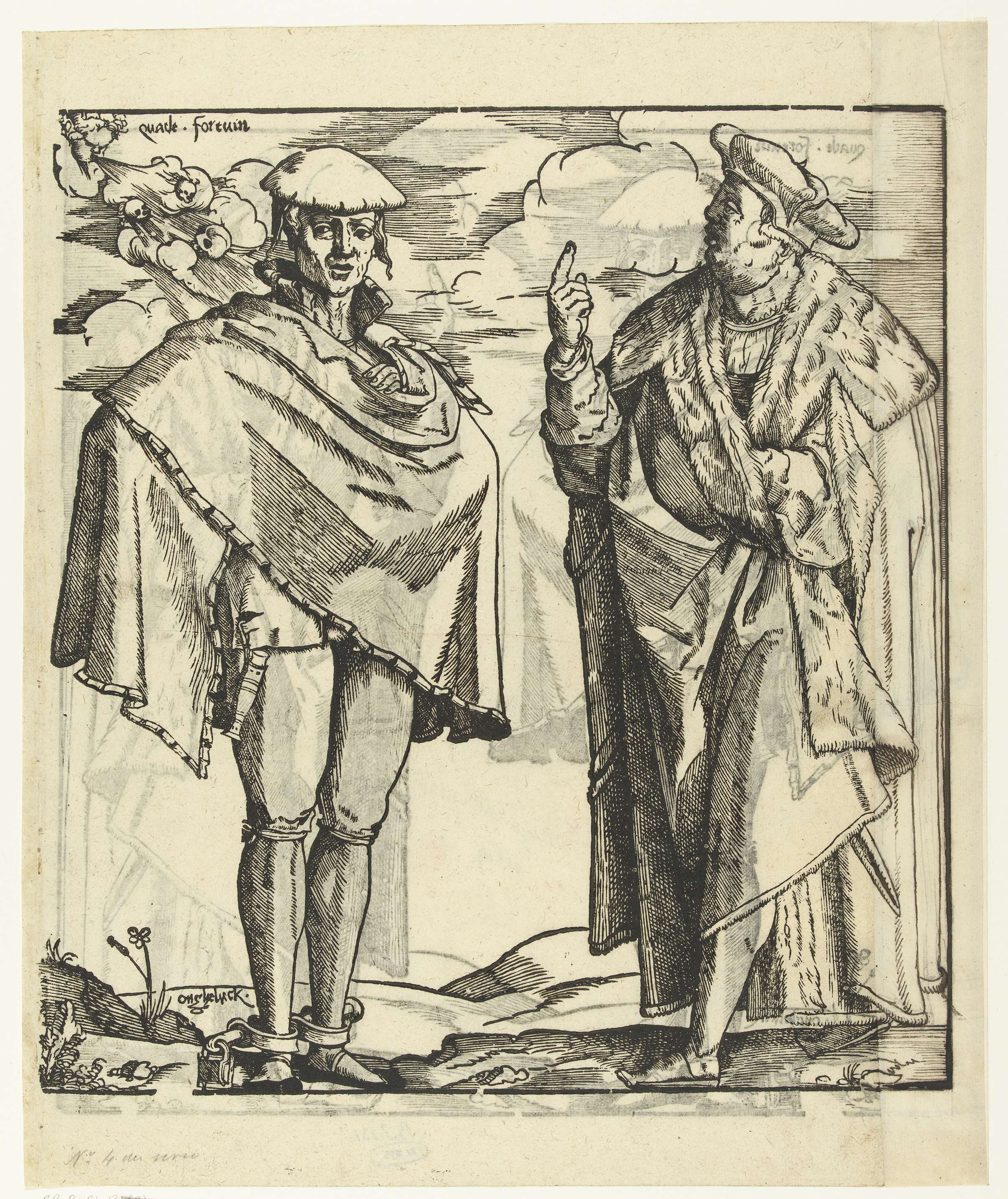
What secret hides in the quiet of the canvas? In De verloren zoon verspilt zijn erfenis, a moment of profound loss and reflection is captured, revealing the void that exists between expectation and reality. Look to the left at the figure of the wayward son, his body slumped in despair, the contrast of his tattered garments against the rich, muted tones of the background. Notice how the harsh light casts deep shadows, emphasizing his isolation and regret.
The gold and browns of the setting evoke both the warmth of the home he has abandoned and the starkness of his current state, inviting the viewer to contemplate the emotional weight of his actions. The painting masterfully explores themes of squandered opportunity and familial fracture. The son’s vacant expression speaks to the emptiness that follows reckless choices, while the figures of the family in the background represent judgment and sorrow.
Each detail, from the coins falling through his fingers to the watchful eyes of those he has wronged, encapsulates the deep emotional tensions at play: love, betrayal, and the inevitable consequences of one’s actions. Cornelis Anthonisz created this work between 1535 and 1545 during a time when the moral story of the prodigal son resonated with audiences amid the Reformation's challenges to traditional values. Living in Amsterdam, Anthonisz was influenced by the emerging Northern Renaissance, seeking to portray human emotions with clarity and depth, a hallmark of his artistic legacy.