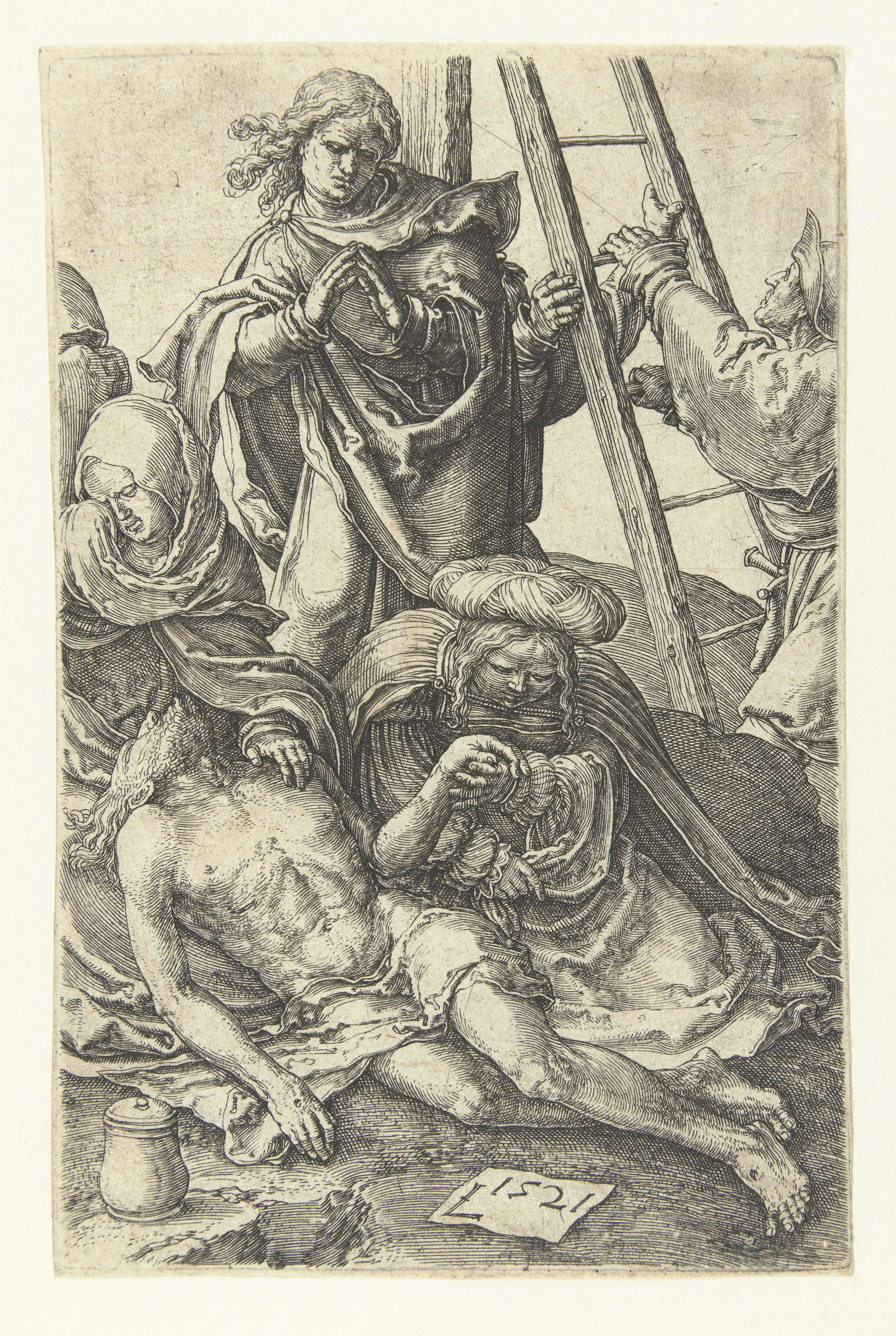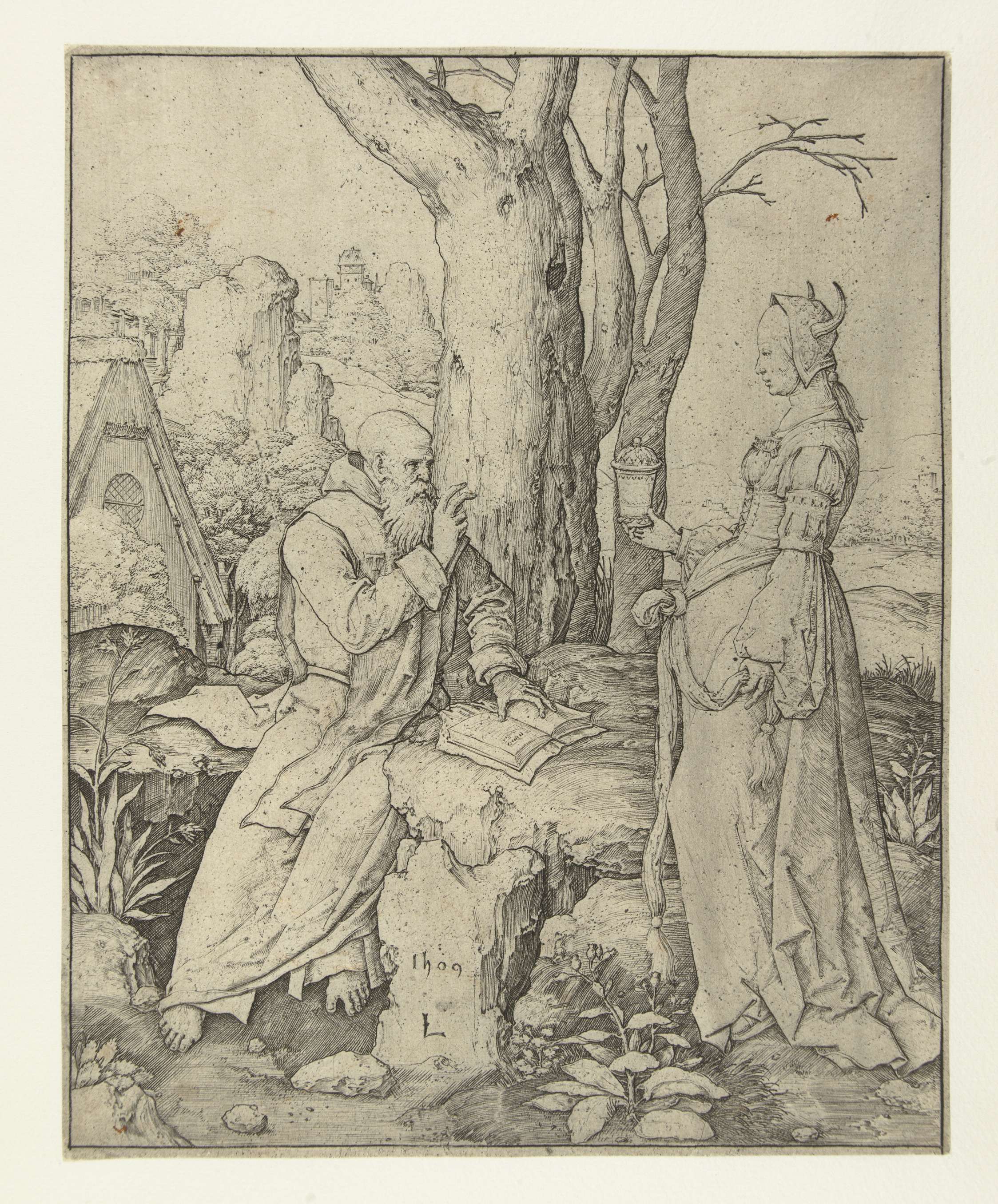
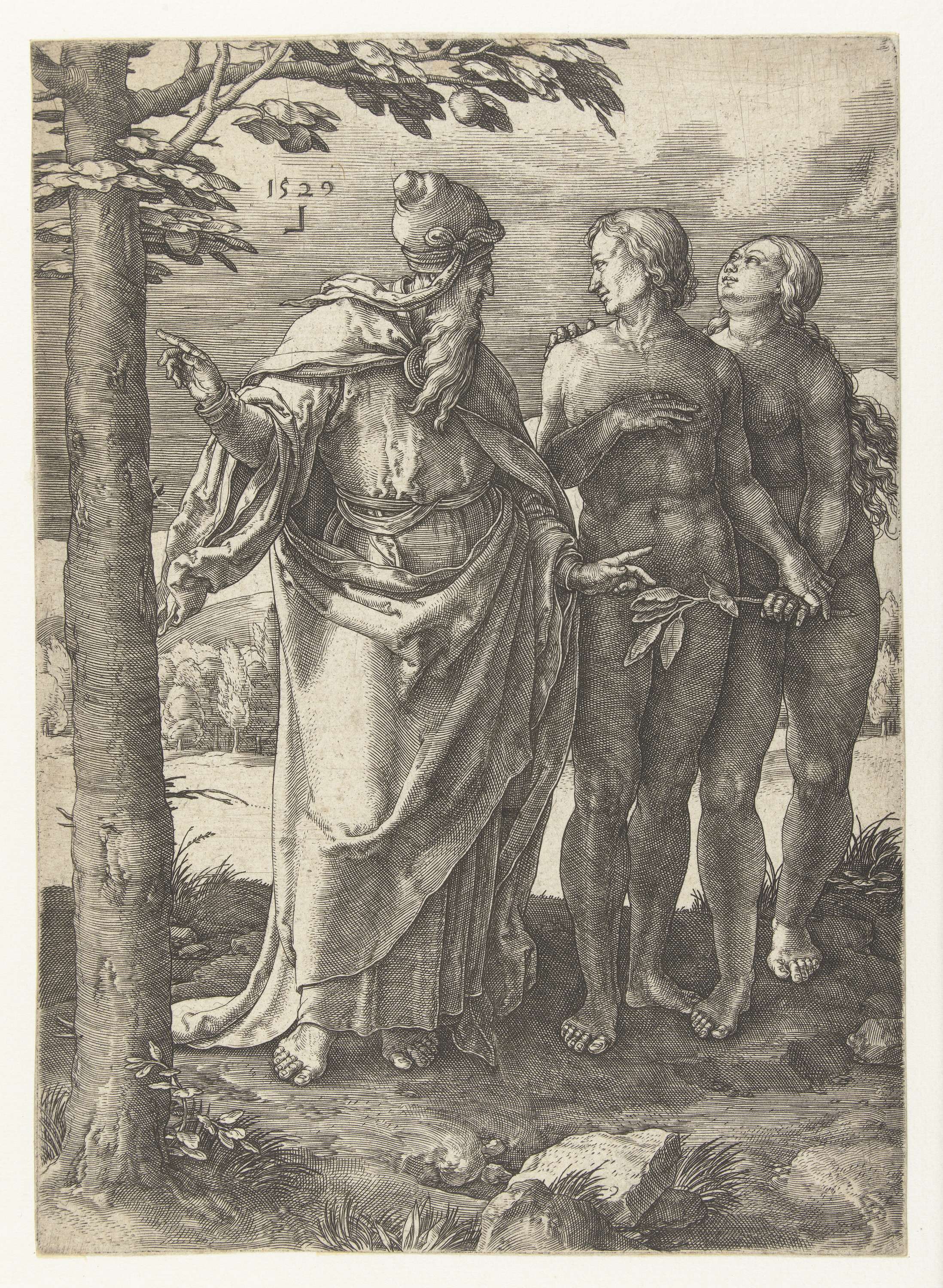
“Every brushstroke is a heartbeat remembered.” The legacies we leave shape not only our lives but echo through the ages, whispering truths to those who dare to listen. In the hands of Lucas van Leyden, the canvas transforms into a dialogue between the earthly and the divine, encapsulating a profound moment that resonates even today. Look at the center of the composition, where the saint stands resolute, surrounded by spectral temptations. Notice how the deep, rich colors contrast with the ethereal figures attempting to ensnare him, their translucent forms almost glowing against the darker tones of the background. The meticulous attention to detail in the expressions of both the saint and the phantoms invites the viewer to contemplate the struggle between faith and desire, illuminated by a carefully crafted light that plays across their features. Hidden within this rich tapestry are layers of meaning—each figure a symbol of temptation, yet also of introspection. The saint's unwavering gaze signifies strength against adversity, while the varying postures of the spectral figures evoke a sense of urgency and desperation. This interplay not only heightens the drama but also invites the observer to reflect on their personal challenges and moral choices, making the painting both a narrative and a mirror of the soul. In the year 1509, Lucas van Leyden was establishing his reputation in the northern Renaissance, painting in a time when religious themes dominated the art world. Living in Leiden, he was influenced by the burgeoning humanist ideas of the era, which emphasized individual experience and emotion. His work, including this piece, portrayed biblical stories with a dramatic intensity, setting a foundation that would resonate through his legacy and the evolution of Western art.