De wijze man en de wijze vrouw — History & Analysis
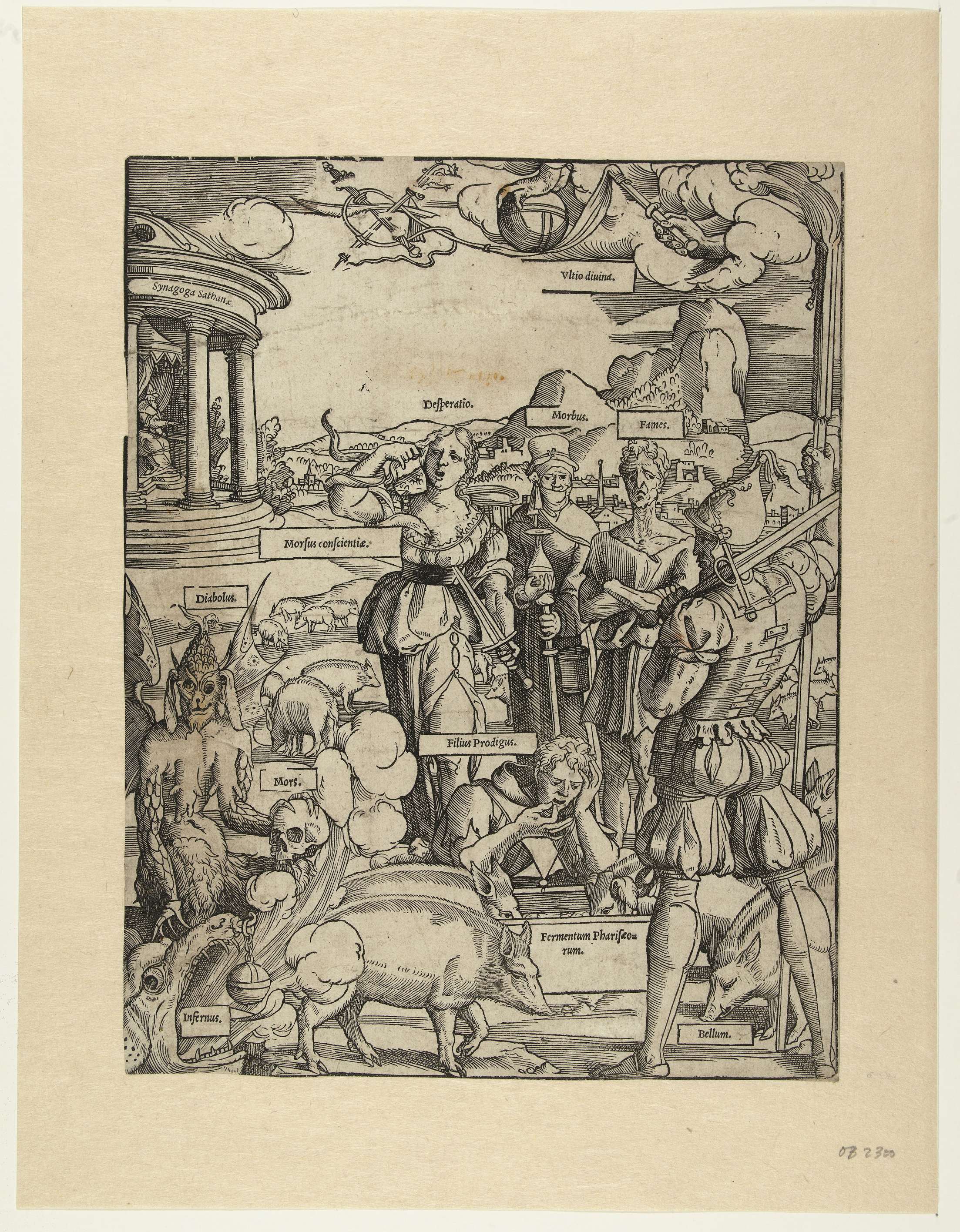
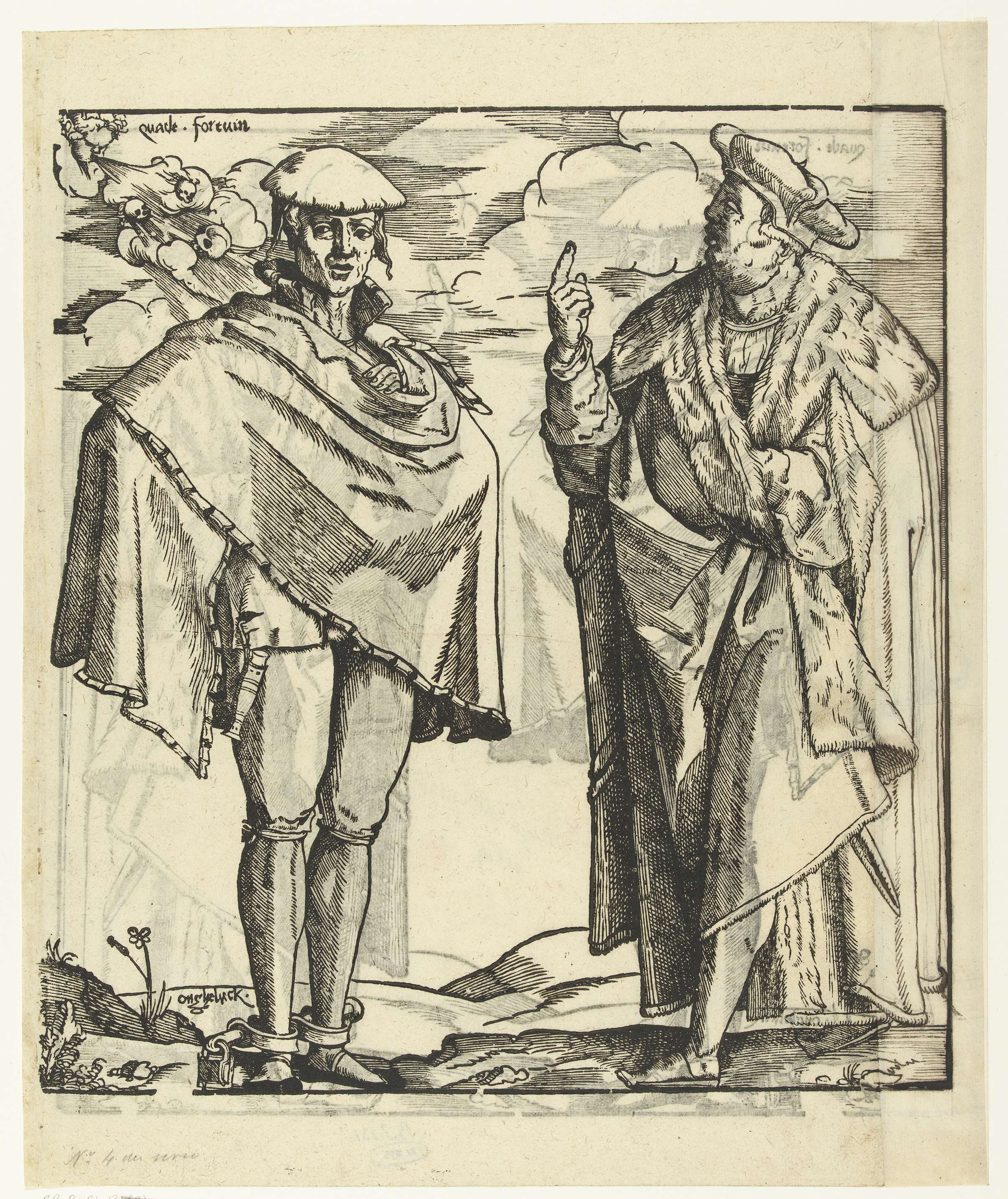
Could beauty survive in a century of chaos? In a world marred by uncertainty, the essence of wisdom weaves its way through the heart of this striking piece, inviting contemplation and reflection. Look to the center of the canvas, where two figures embody the interplay of knowledge and understanding. The wise man, adorned in rich fabrics, gestures thoughtfully towards the viewer, while the wise woman, with a serene expression, leans slightly forward, her hands elegantly clasped. Their contrasting postures — one vibrant and animated, the other calm and contemplative — create a visual dialogue, drawing the viewer into a moment of shared insight.
The delicate play of light emphasizes their features, casting soft highlights that enhance their expressions, while a warmer palette of golds and earthy tones envelops the figures, suggesting a world imbued with both warmth and gravity. Yet, beneath this serene façade lies an undercurrent of tension. The juxtaposition of their gazes—his intent and probing, hers nurturing and reflective—suggests a deeper exploration of knowledge and intuition. The subtle details, like the finely textured fabrics and the meticulously rendered objects surrounding them, hint at the richness of their inner lives and the weight of their wisdom.
The stillness of the scene belies an urgency, a reminder that in the pursuit of understanding, beauty and chaos are intertwined. Created between 1540 and 1545, this work emerged during a period when Cornelis Anthonisz. was deeply engaged in the exploration of humanism and the complexities of the human experience. Painting in the vibrant cultural milieu of the Dutch Golden Age, he sought to reflect the intellectual and spiritual currents of his time, capturing not just the surface beauty but the profound truths that lie beneath.