De zondeval — History & Analysis
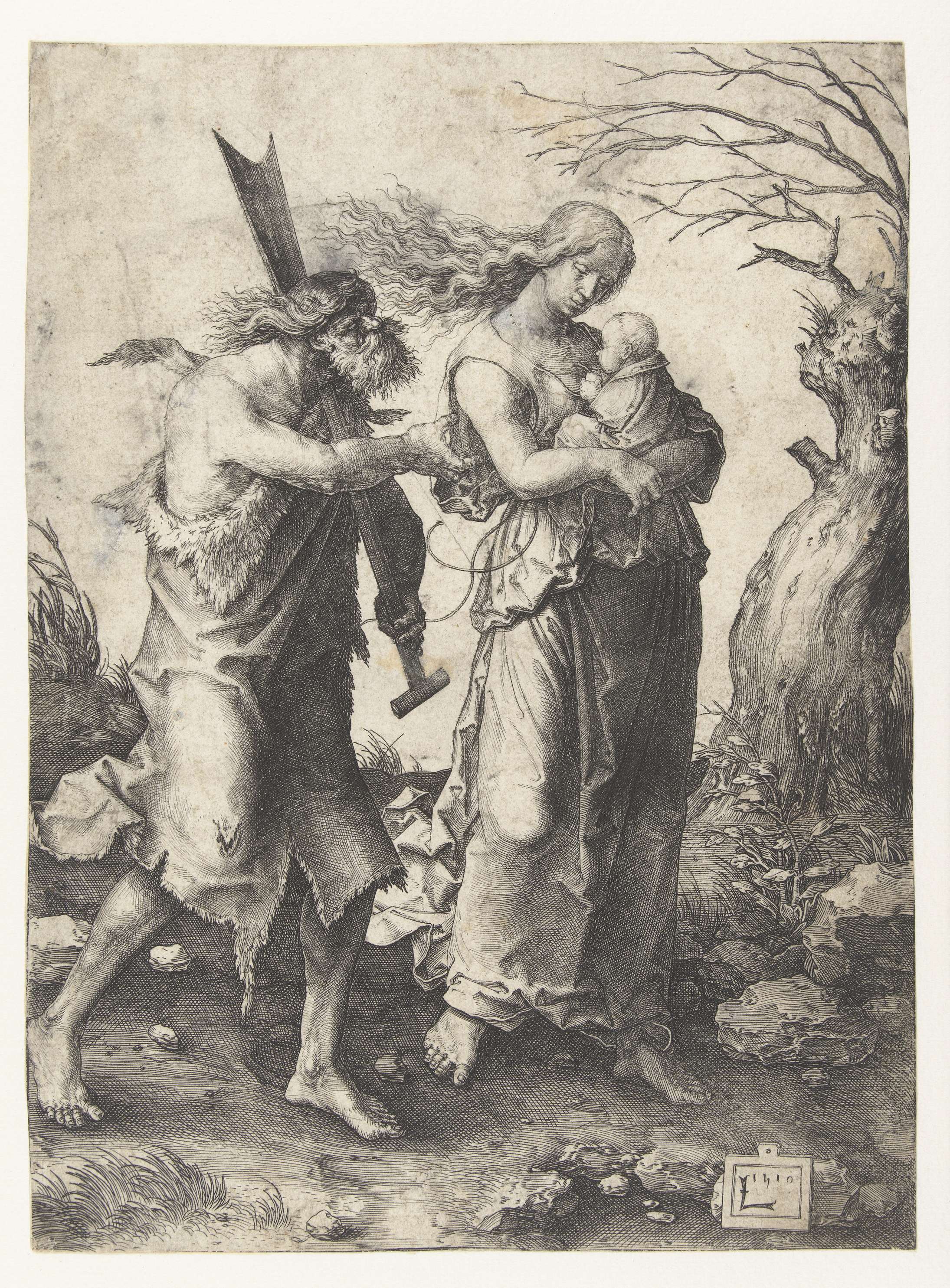
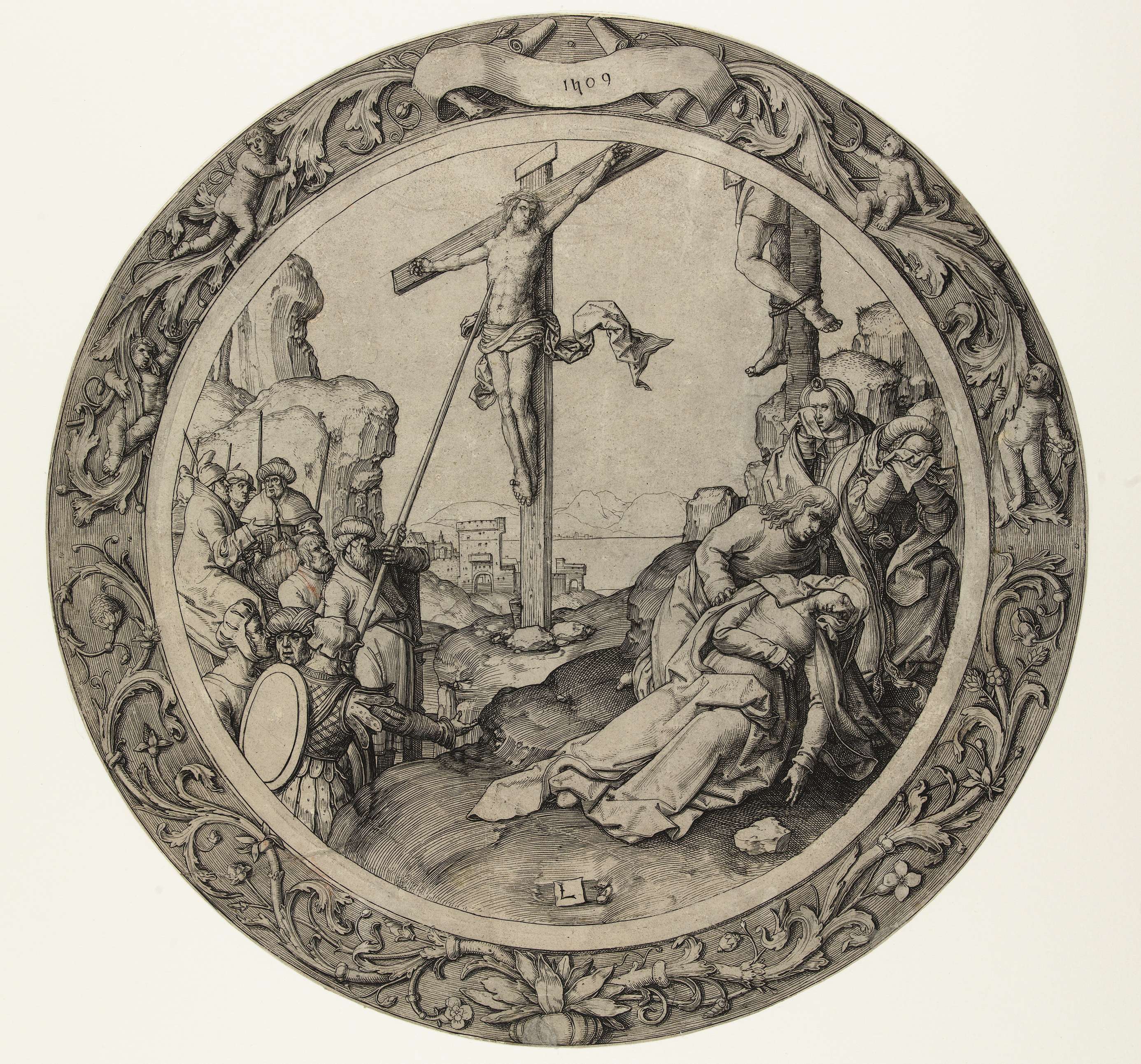
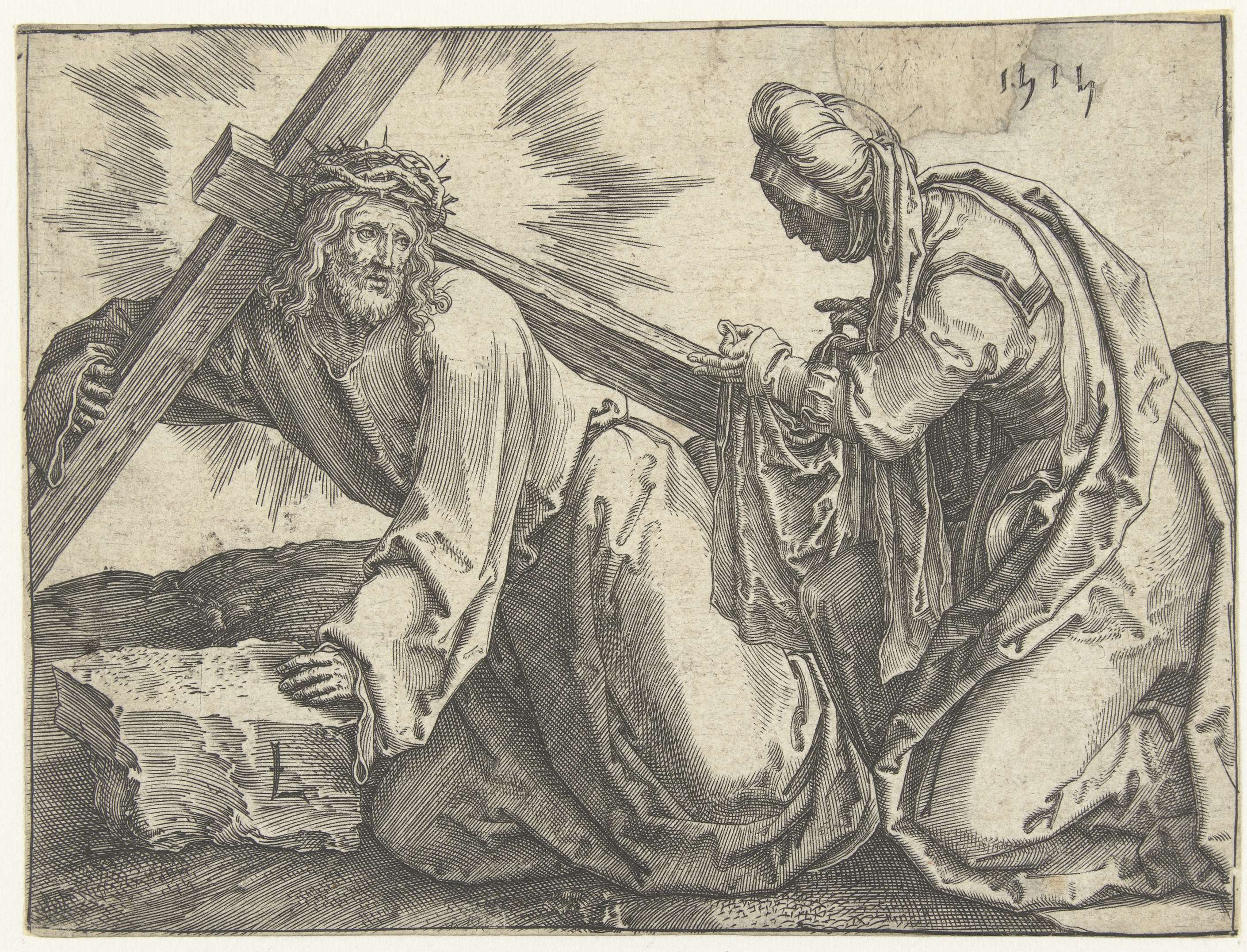
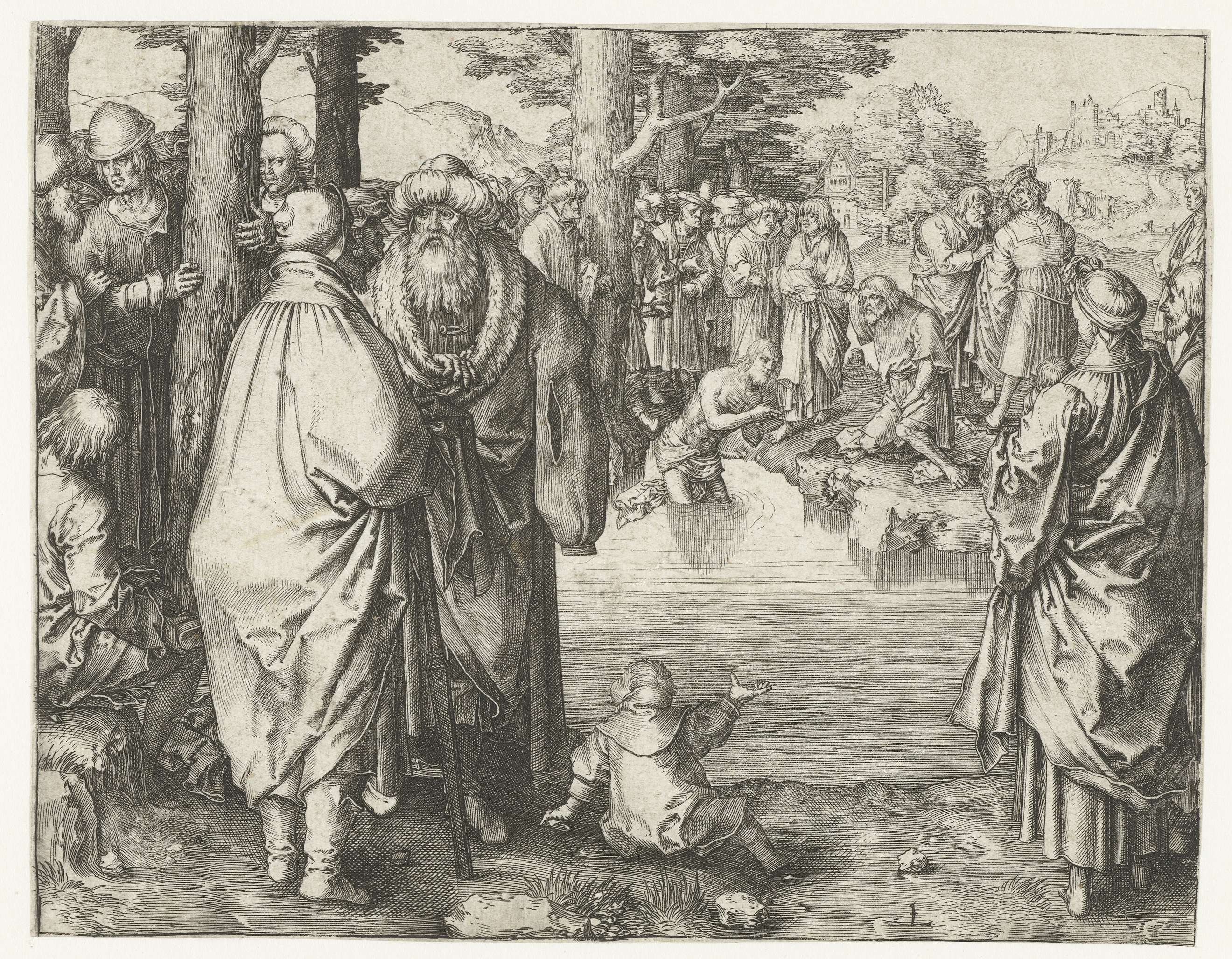
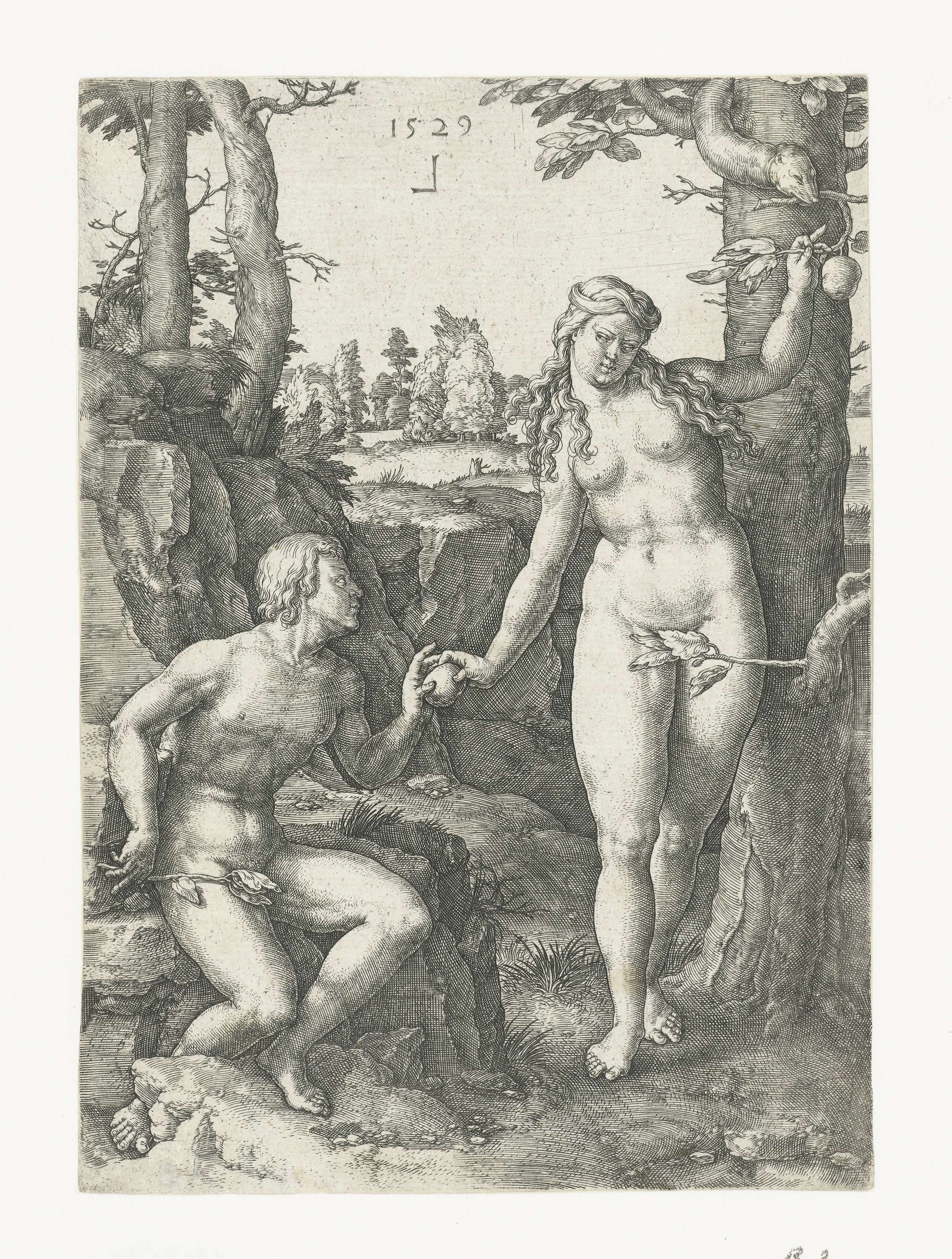
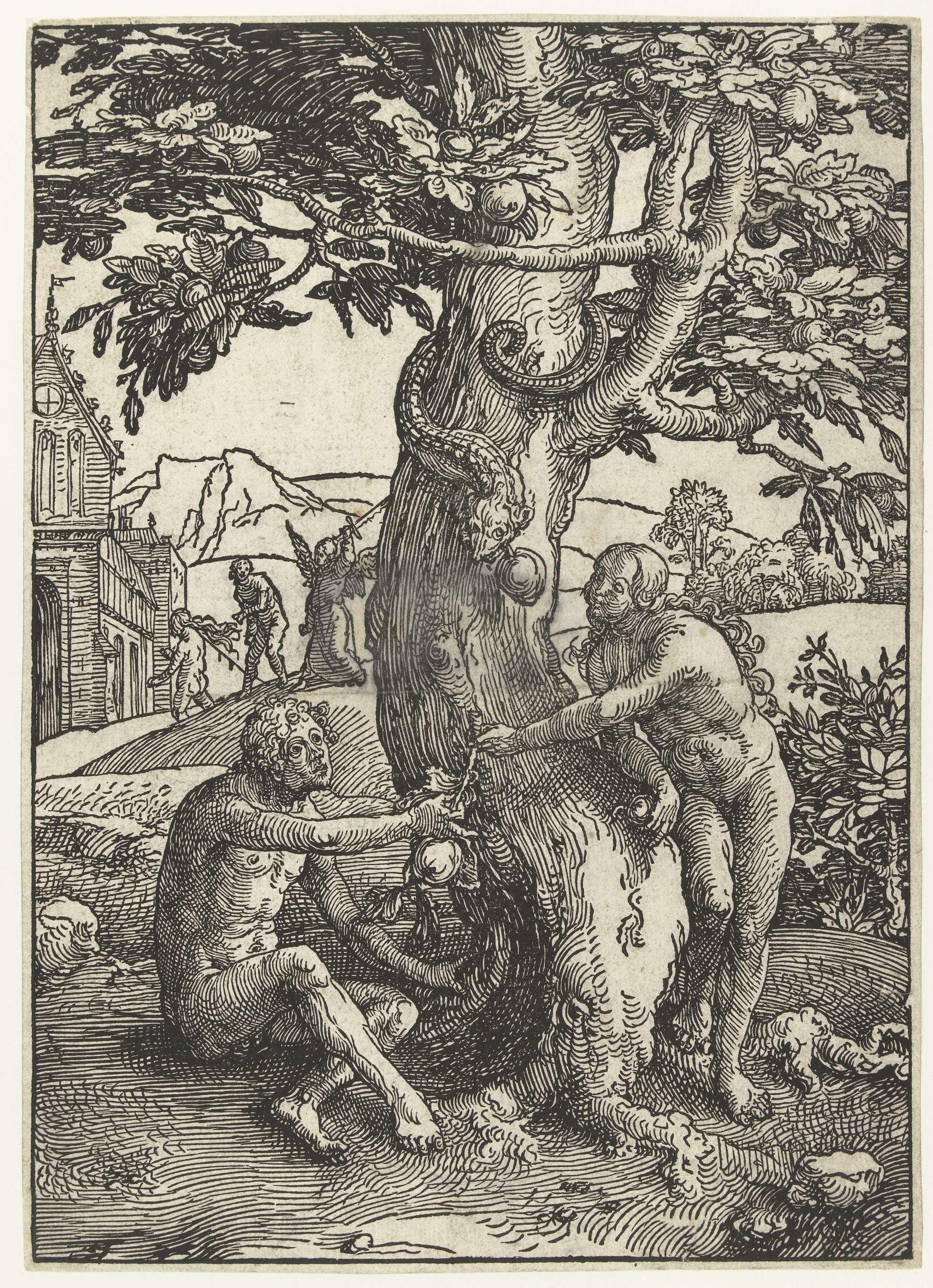
“Under the brush, chaos becomes grace.” In the delicate balance between life and decay, Lucas van Leyden paints a vivid testament to the transience of beauty and the inevitable fall from innocence. Begin by exploring the intricate details nestled within De zondeval. Focus on the central figures, Adam and Eve, their postures and expressions revealing a complex narrative fraught with vulnerability. Look closely at the lush foliage surrounding them, rich greens and browns juxtaposed against the skin tones of the figures. Notice how the painter’s meticulous line work breathes life into the flora, each leaf almost trembling in a moment frozen in time.
The light filters through the branches, casting dappled shadows that heighten the tension of their fateful choice. Hidden within the abundance of detail lie deeper insights into human nature and temptation. The serpent’s sinuous form entwined with the tree symbolizes not only the lure of knowledge but also the seductive nature of decay itself. The contrasts in the painting — between the vibrant life of the garden and the impending loss of innocence — speak to the duality of creation.
Each figure bears an expression that invites viewers to ponder the weight of their decisions, encapsulating the fragility of their existence. During the years from 1515 to 1519, van Leyden found himself in a flourishing artistic milieu in the Northern Renaissance. Influenced by both religious themes and emerging humanist thought, he created De zondeval amid a burgeoning interest in individual experience and morality. The complexity of the work reflects not only his technical prowess but also the cultural currents of a time grappling with the tensions of faith and human nature.