De zondeval — History & Analysis
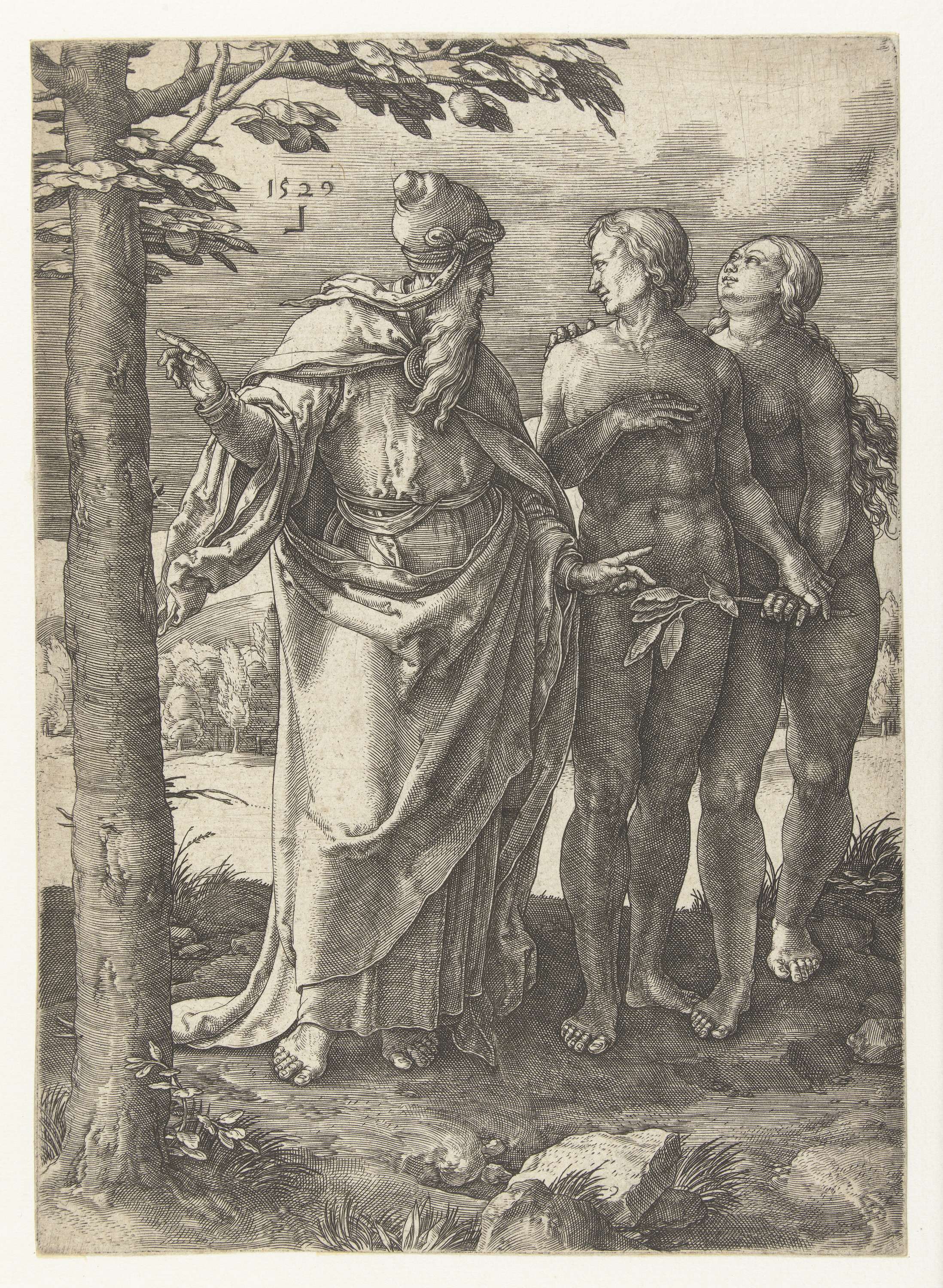
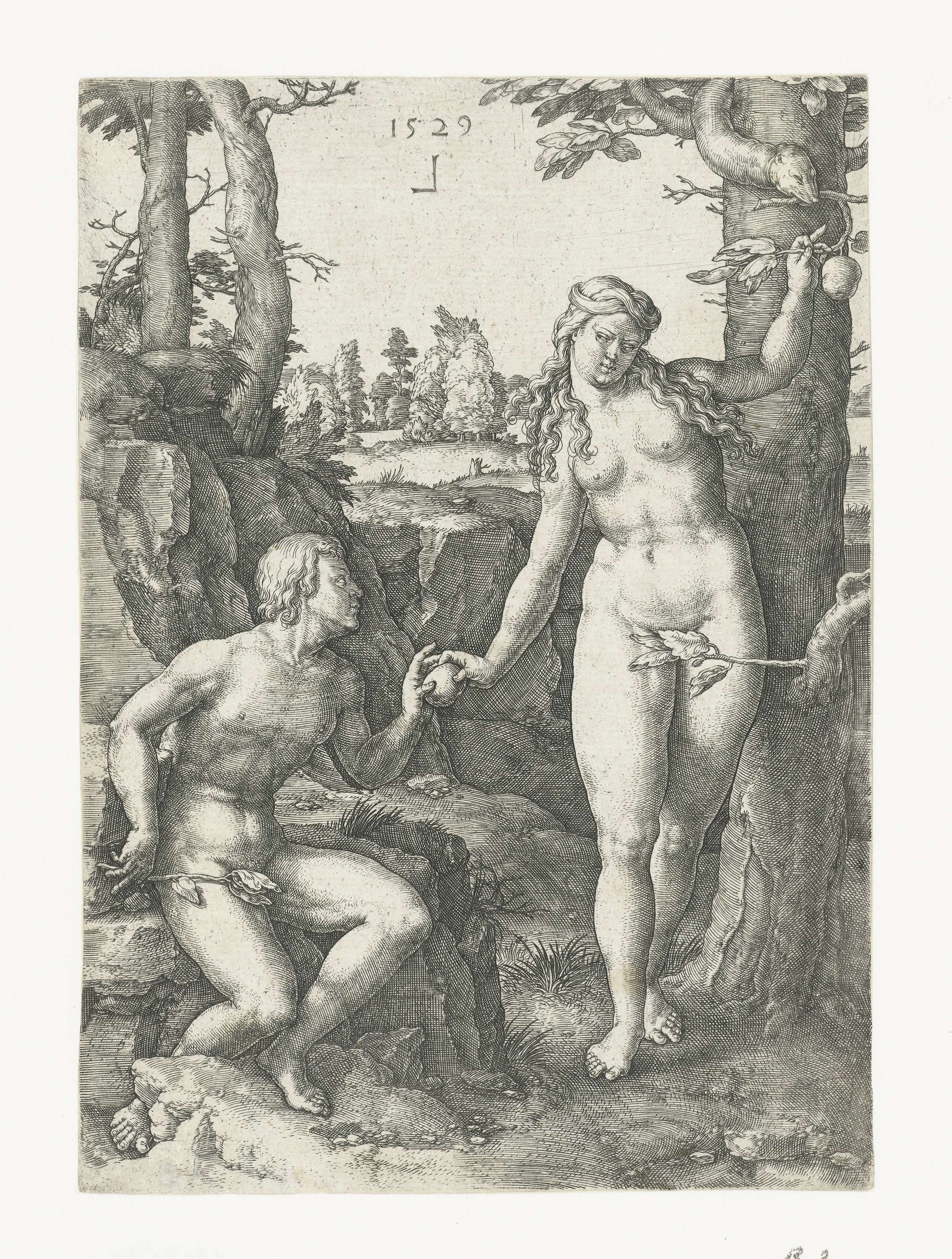
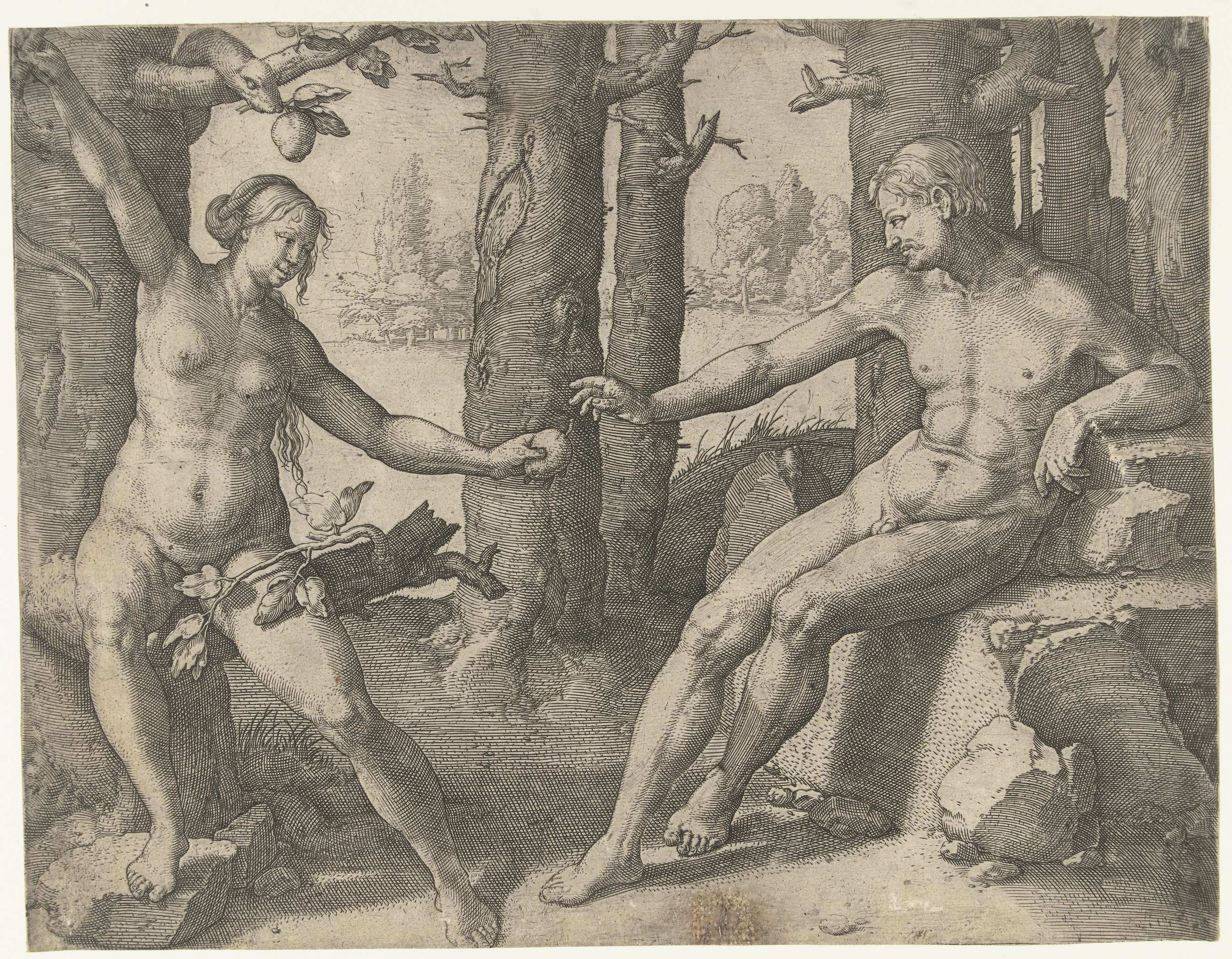
“To paint is to remember what time wants us to forget.” In a world of chaos, every brushstroke becomes a battle against the inevitable decay of memory and meaning. Focus first on the central figures, where Adam and Eve stand poised, caught in a moment of vulnerability and temptation. Their skin glistens in a warm, golden hue, a stark contrast to the surrounding tumult of serpents and foliage that thrums with life. Notice how the sharp lines of the serpent twist around them, almost as if they are ensnared in a web of their own making.
The vibrant greens and earthy browns swirl around the couple, creating a sense of chaos that pushes against the tranquility of their postures. Delve deeper into the emotional undercurrents; the juxtaposition of their innocence against the cacophony of nature speaks volumes. The fruit dangles temptingly above Eve’s outstretched hand, representing desire and consequence intertwined. The eyes of the serpent, glinting with a predatory glimmer, evoke a tension between curiosity and dread, hinting at the tragic choice that lies ahead.
The composition captures the fragile balance between innocence and the chaos that follows transgression, revealing the complexity of human nature. Lucas van Leyden created this work between 1528 and 1532, during a time when Europe was undergoing significant changes in religion and artistic expression. Working in Leiden, he contributed to the burgeoning Northern Renaissance, merging intricate detail with narrative depth. This painting reflects not only his technical prowess but also the cultural upheaval of his time, encapsulating themes of morality in a rapidly evolving world.