De zondeval — History & Analysis
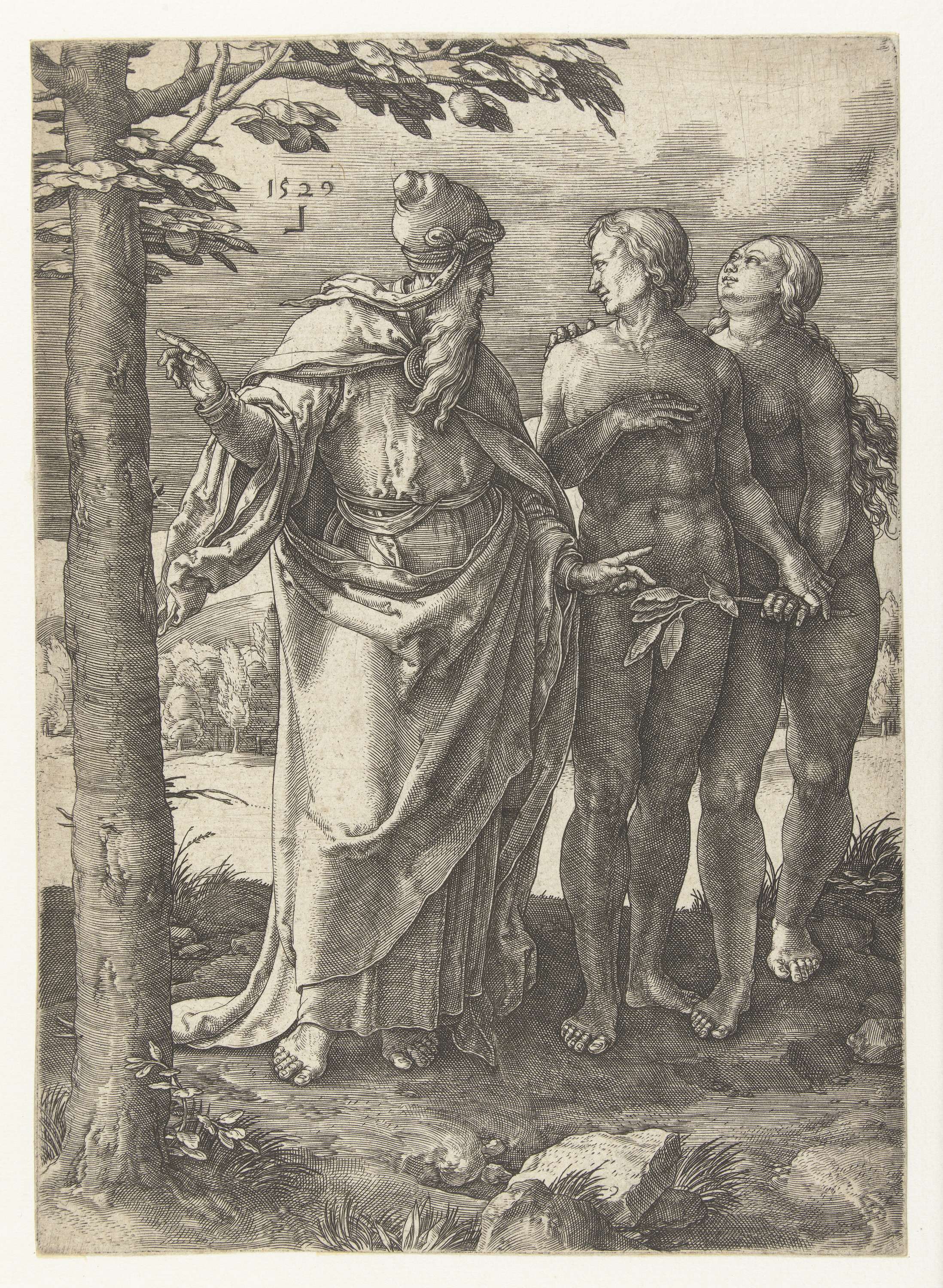
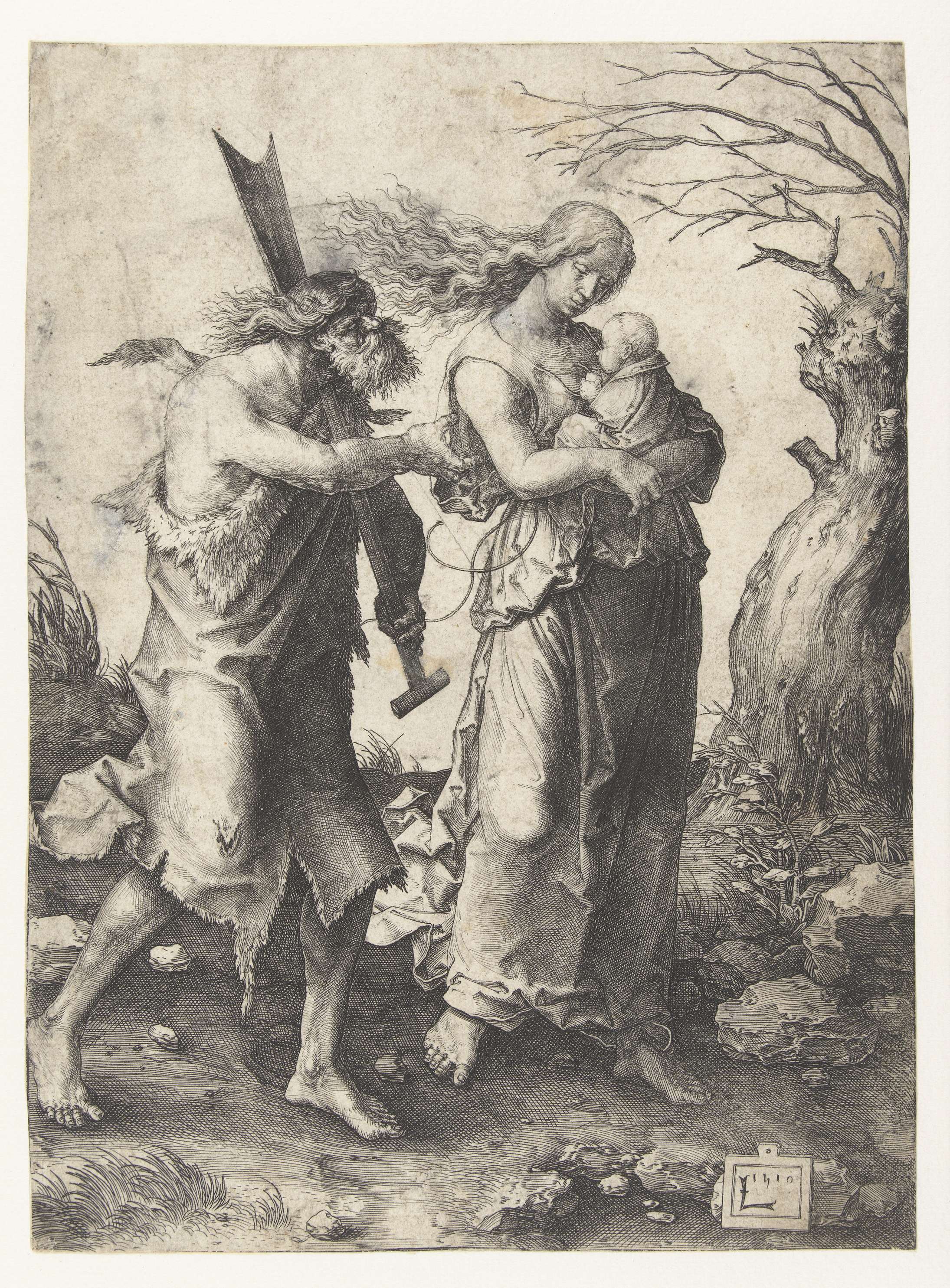
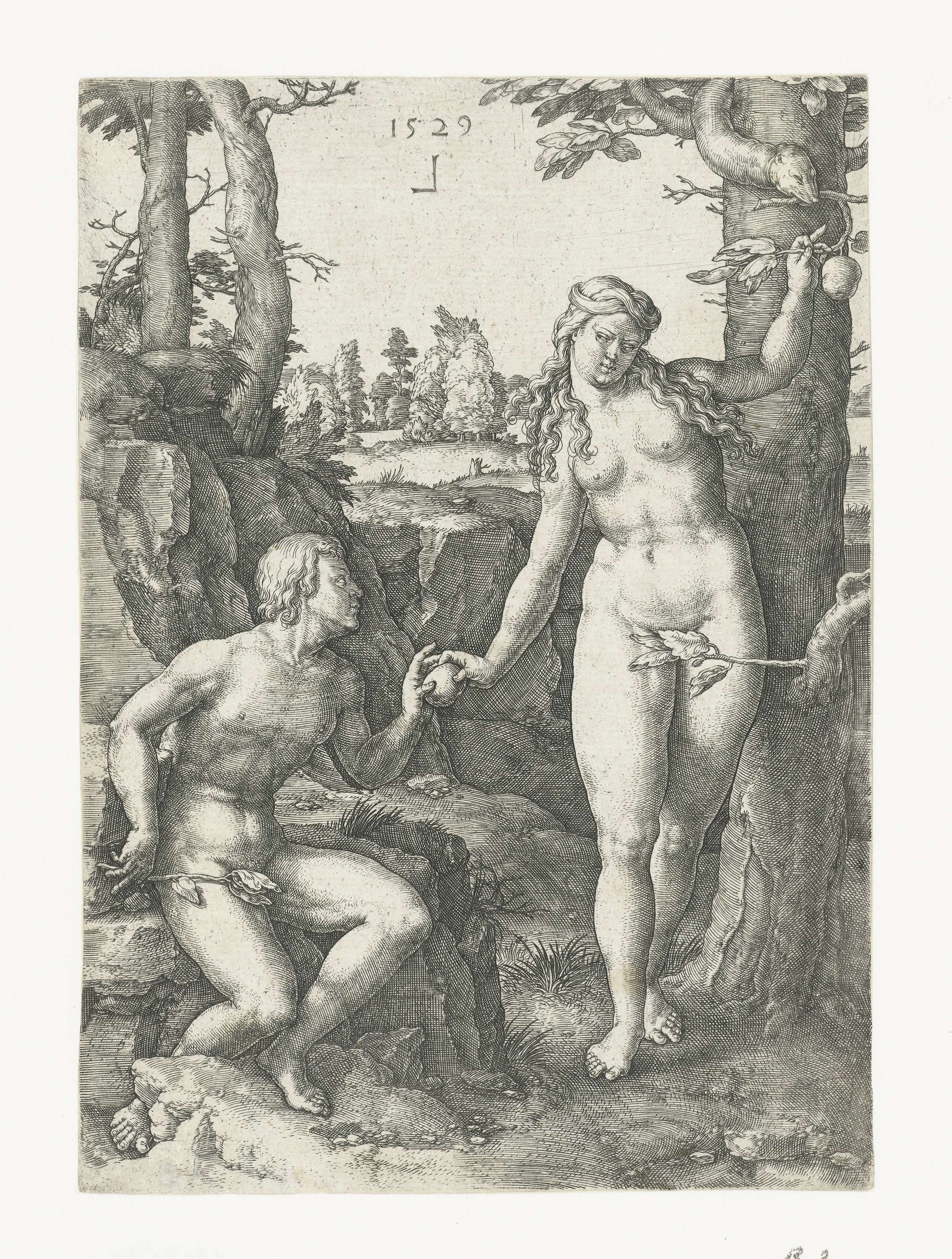
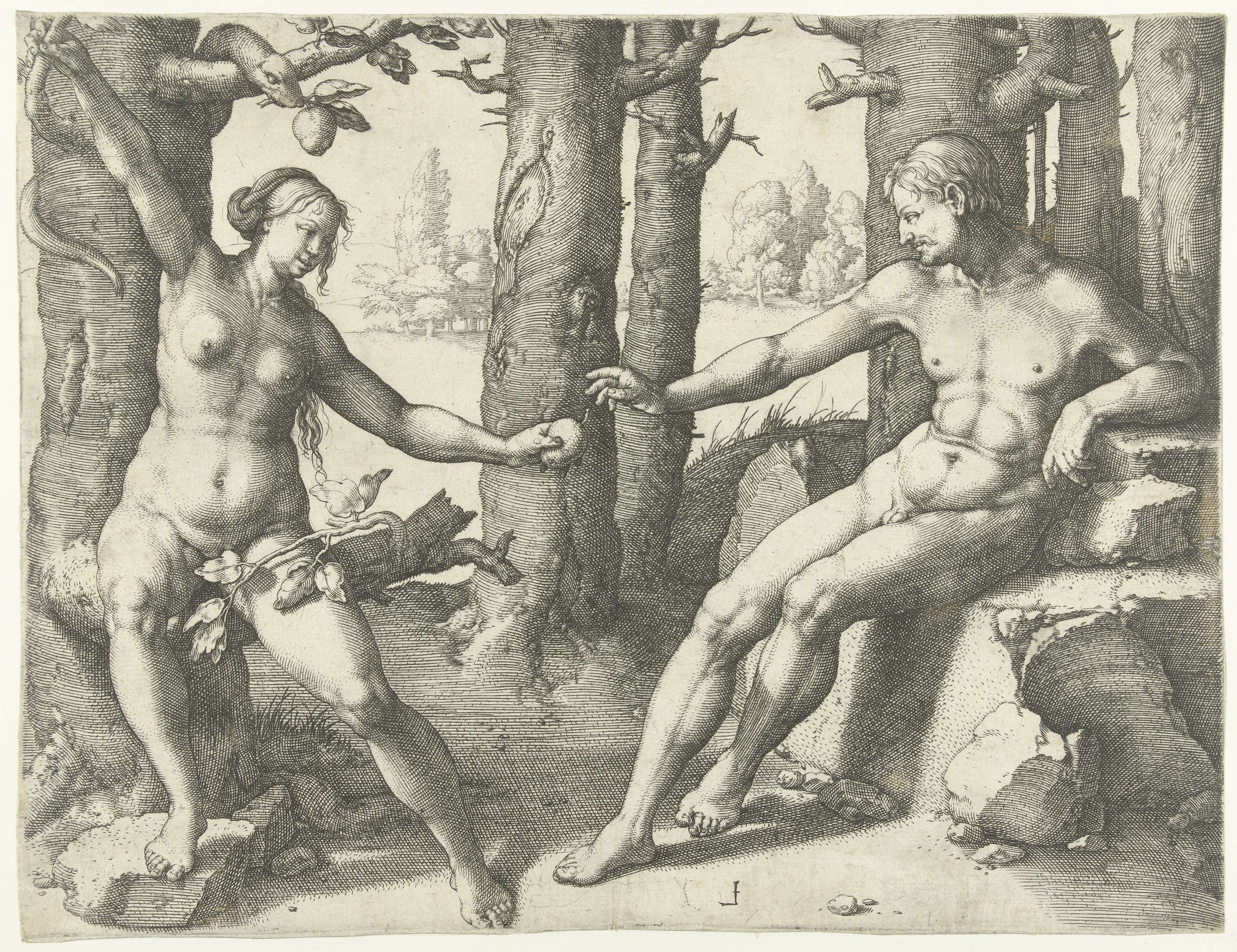
“To paint is to remember what time wants us to forget.” In De zondeval, the shadows cast by sin linger just beyond the edge of our consciousness, waiting to be acknowledged. Look closely at the figures in the center, where Adam and Eve stand beneath the boughs of the forbidden tree. The intricate detailing of their skin tones contrasts starkly against the deep, dark shadows enveloping them, emphasizing their vulnerability. Notice how the background shifts from light to dark, creating a tension that mirrors their fateful choice—an illusion of safety before the chaos that follows.
The artist’s meticulous technique draws the eye to the delicate curves of Eve's body, illuminated against an otherwise foreboding landscape. The painting captures a moment brimming with contradictions. The lush greenery suggests life and abundance, yet the encroaching darkness hints at the moral decay that accompanies temptation. Adam's hesitant posture reflects a struggle; he is both drawn to and repelled by Eve's outstretched hand.
Each small detail, from the serpentine form coiled around the tree to the subtle expressions on their faces, reveals an emotional tapestry that speaks to the universal battle between desire and consequence. Lucas van Leyden created this work between 1528 and 1532, during a time when the Northern Renaissance was flourishing. Living in Leiden, he was at the forefront of a movement that emphasized realism and human emotion in art. Amidst a backdrop of religious reform and changing societal norms, this piece embodies the tension between innocence and knowledge, encapsulating a pivotal moment in both personal and cultural history.