Der Reichenbachfall bei Meiringen — History & Analysis
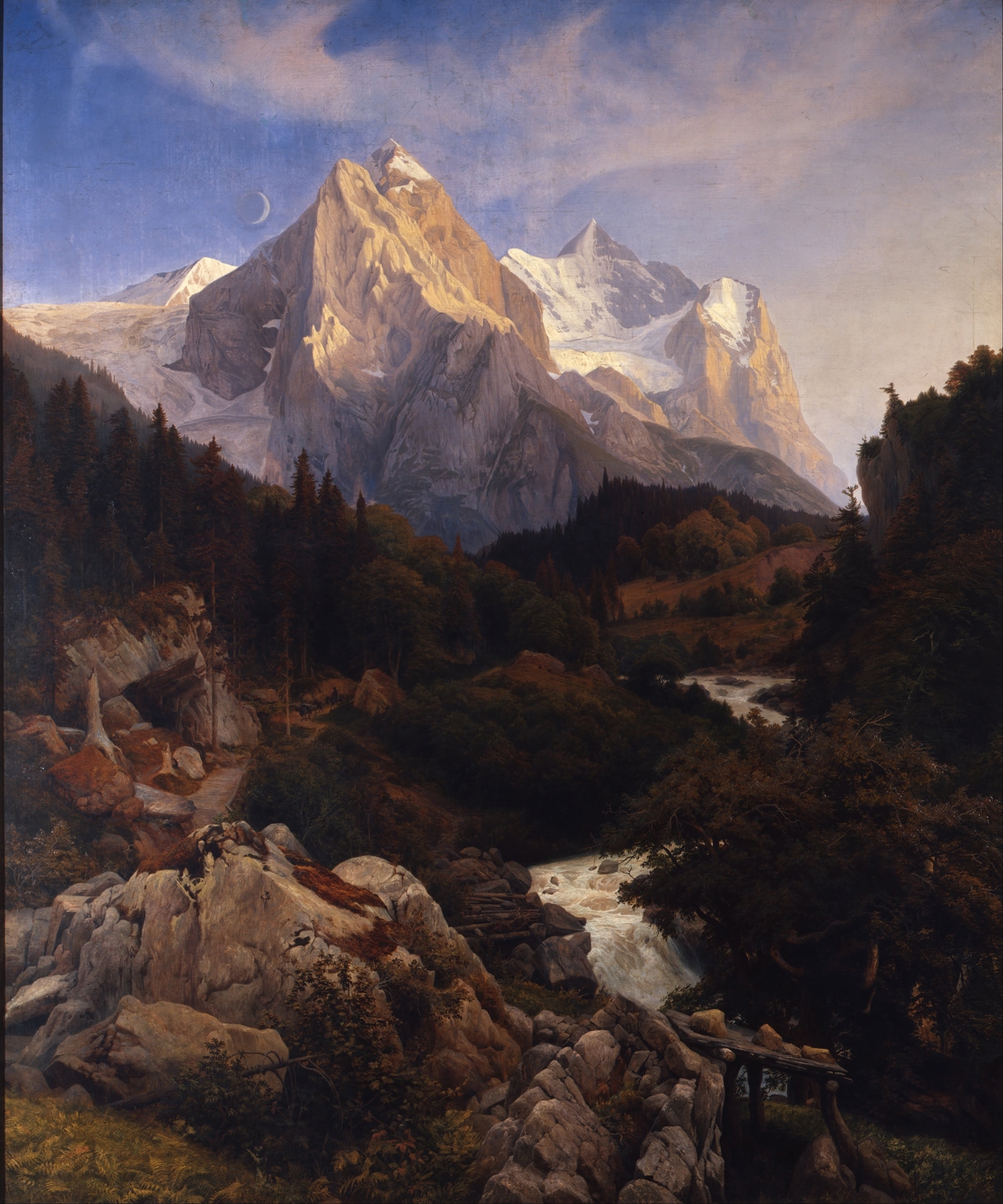
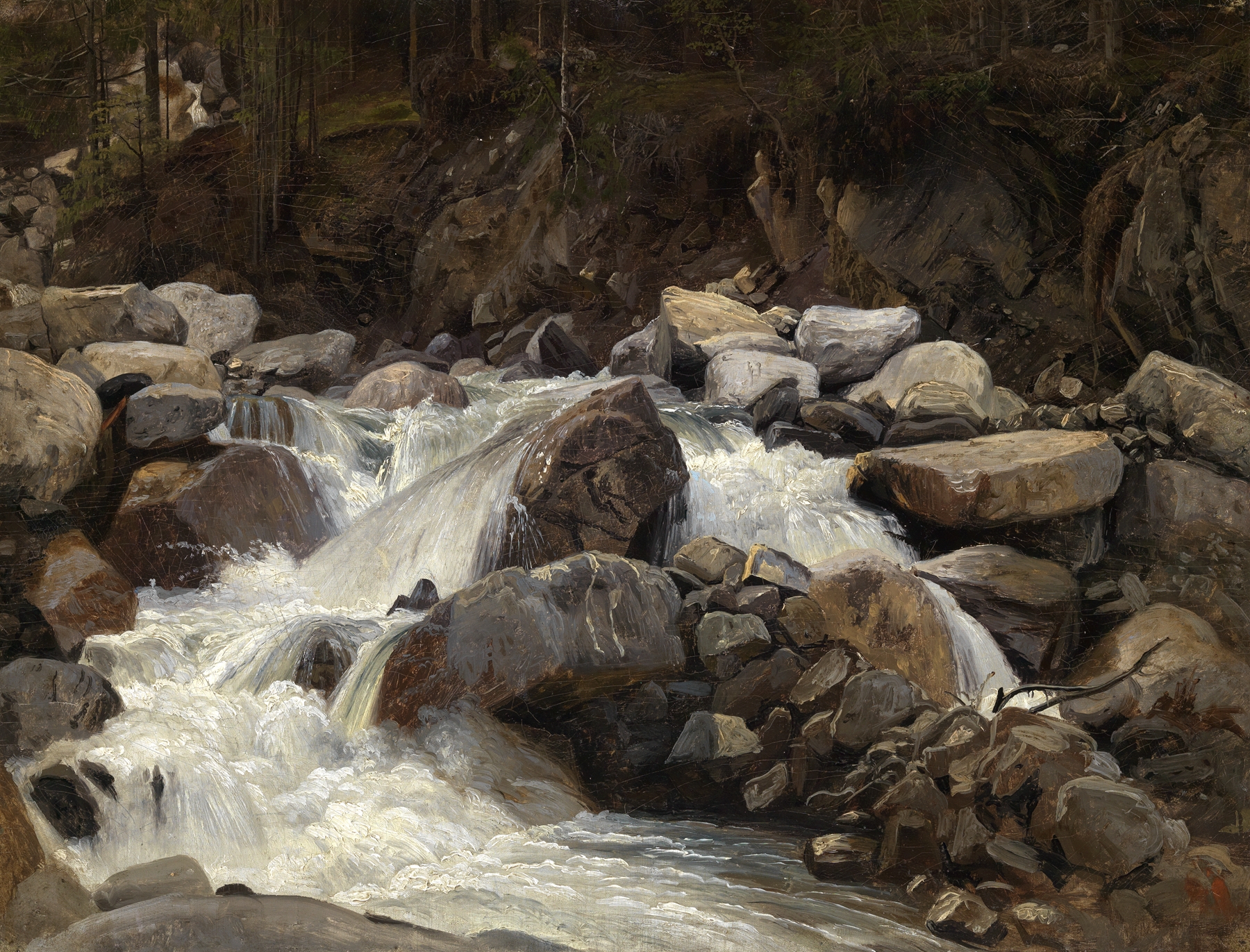
Can beauty exist without sorrow? In Der Reichenbachfall bei Meiringen, the answer lies entwined within the dramatic interplay of nature’s grandeur and the poignant void it suggests. Look to the left, where cascading waters plunge into dark depths, their tumultuous energy captured in frothy whites against the hue of jagged rocks. The soft greens of the surrounding foliage frame this chaos, contrasting with the static serenity of the mountains that rise majestically in the background.
Notice how the light dances on the surface of the water, illuminating the scene while casting shadows that whisper of hidden emotions and untold stories. Hidden within this striking landscape are the echoes of despair—the void that beauty cannot escape. The waterfall, both magnificent and menacing, symbolizes the duality of life: the thrill of adventure shadowed by the possibility of loss. The artist’s choice of cool tones, punctuated by hints of warmth in the sunlight, heightens the emotional tension, evoking both awe and melancholy.
Each brushstroke captures the fleeting nature of beauty, reminding the viewer of the transience of existence itself. Painted around 1837, this work emerged during a time of great change in the world of art, as Romanticism began to flourish. Schirmer, influenced by the sublime aesthetics of the Swiss landscape, sought to convey the emotional weight of nature’s beauty amidst the chaos of human experience. His exploration of the majestic Swiss scenery was not merely an act of representation, but a reflection of the struggles and sentiments of a world grappling with the complexities of industrialization and personal introspection.