Dhows on the Nile — History & Analysis
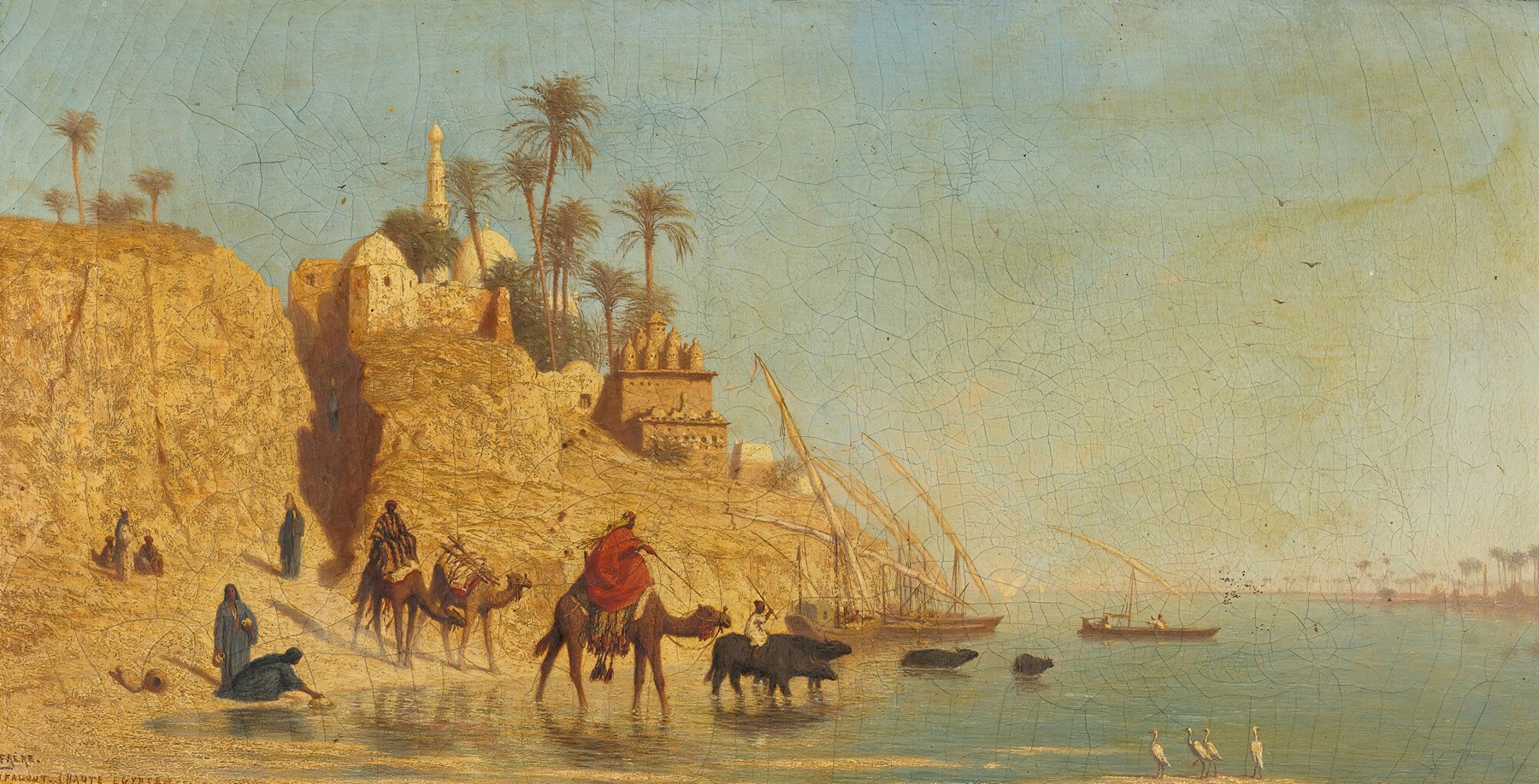
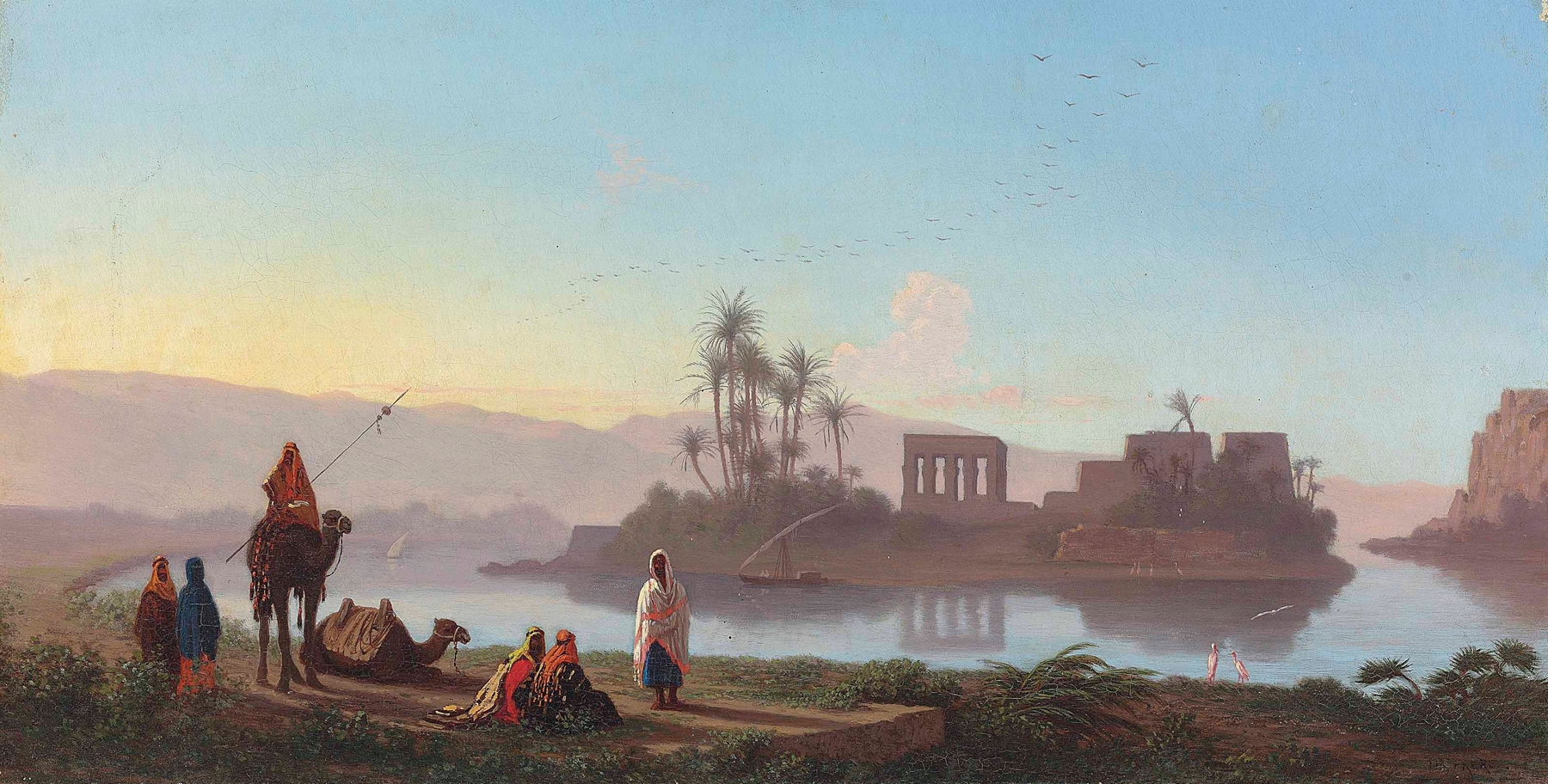
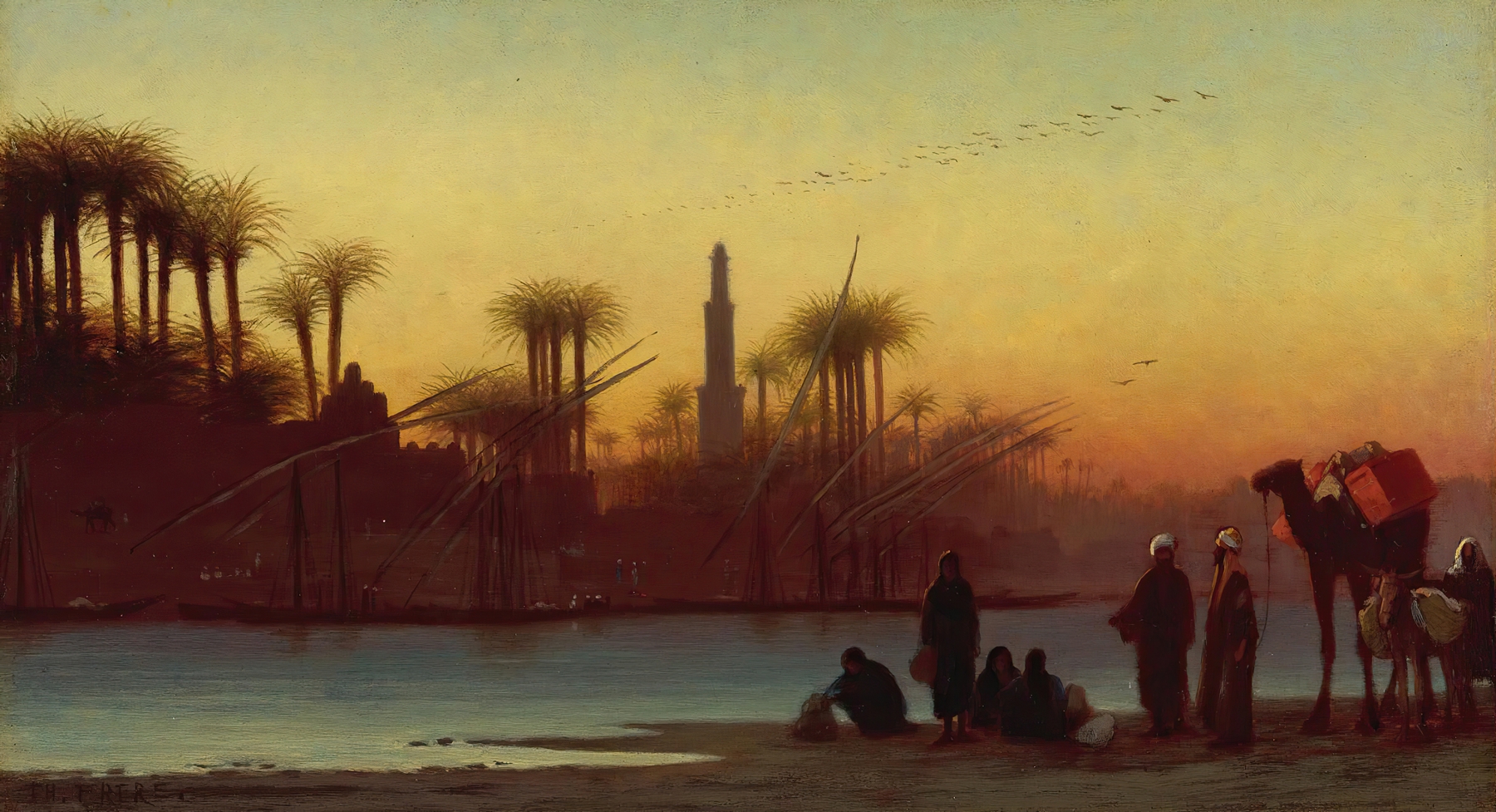
“Every brushstroke is a heartbeat remembered.” In a world where time erodes the vibrancy of life, the image of dhows on the Nile encapsulates not just a moment, but the fragility of existence itself. Focus on the serene waters in the foreground; the gentle ripples reflect the fading light of day, blurring the boundaries between reality and memory. As you move up, the dhows, with their timeworn sails, guide your gaze toward the distant shores, seemingly inviting you to explore the layers of history embedded within.
The palette of earthy tones—ochres, deep blues, and soft whites—hints at a sun-baked landscape, while the delicate brushwork evokes a sense of nostalgia, whispering stories of journeys taken and dreams lost. Subtle contrasts abound: the sturdy, aged boats juxtaposed against the ephemeral play of light, suggest a dance between decay and resilience. Look closely at the frayed edges of the sails; they tell of countless voyages, of winds that have shaped not only the vessels but the very souls of those who sailed them.
The muted hues embody a bittersweet sense of longing, as if the scene itself mourns the passage of time while simultaneously celebrating the beauty found in fading memories. Created during an undated period of exploration and fascination with the East, the artist captured a world steeped in rich cultural exchanges. Frère was influenced by the vibrant art movements of his time, moving between France and North Africa, yet his works reflect a yearning for authenticity that transcends mere depiction, aiming instead to capture the very essence of places and their histories.