Die Frauenkirche in Dresden — History & Analysis
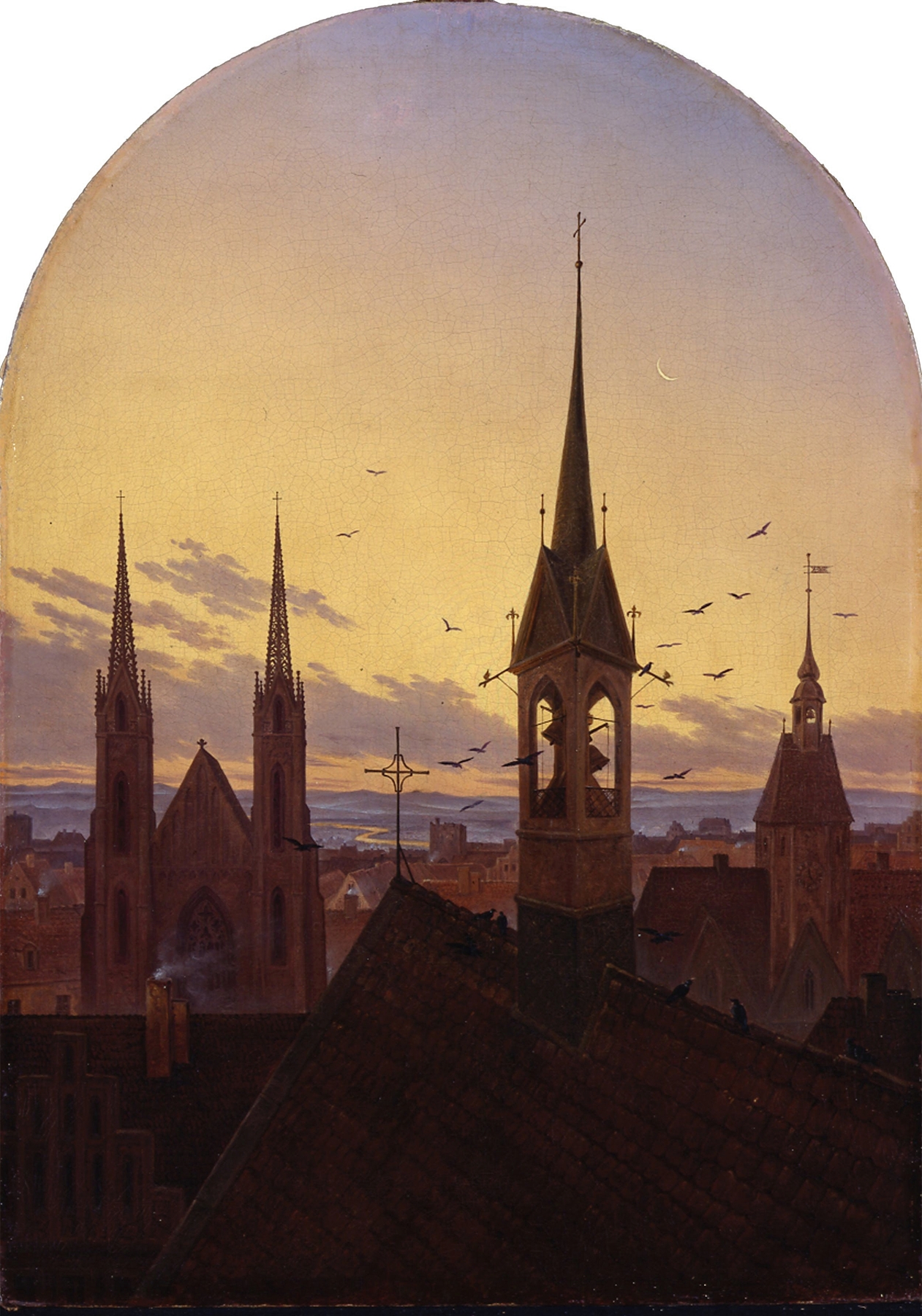
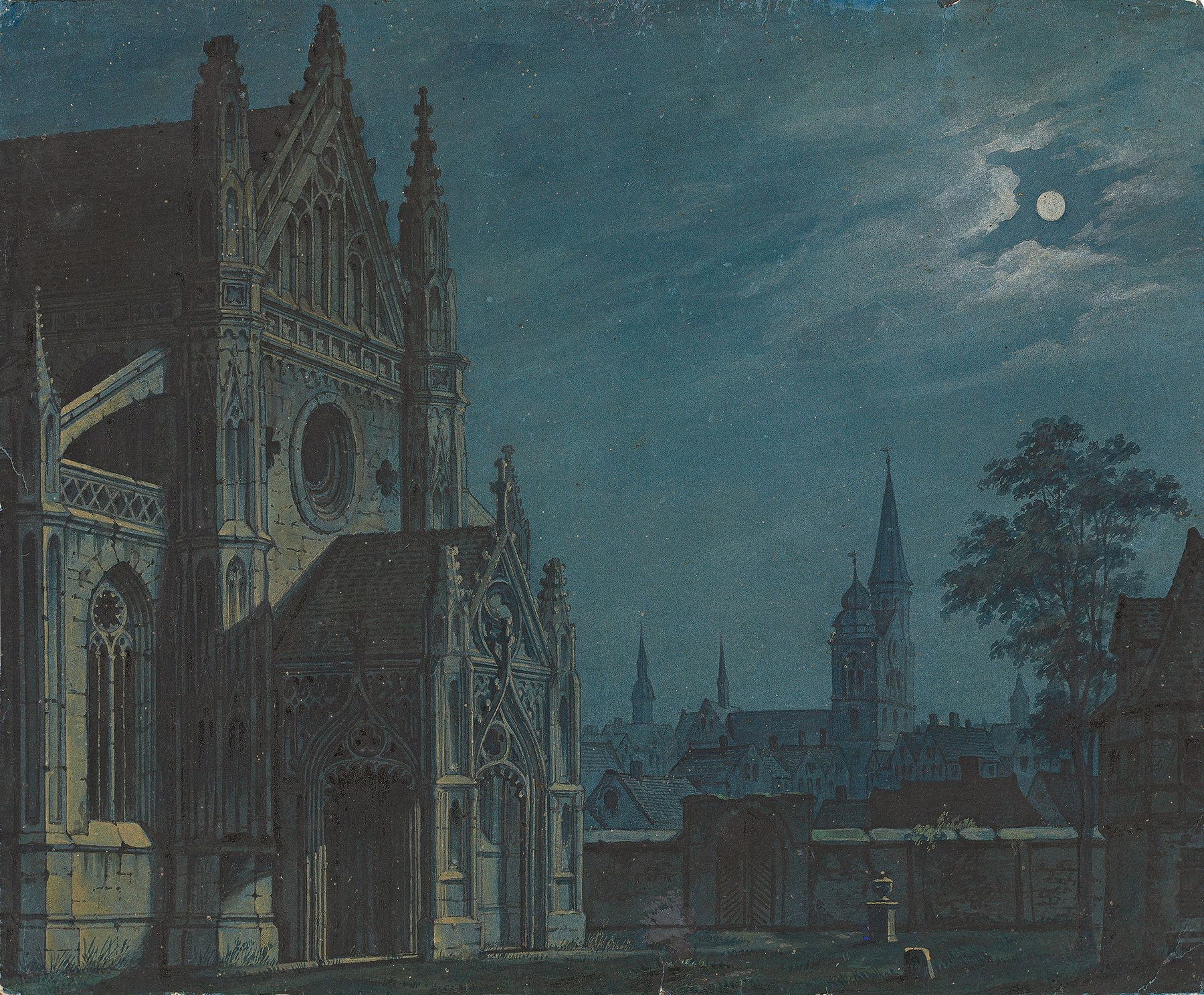
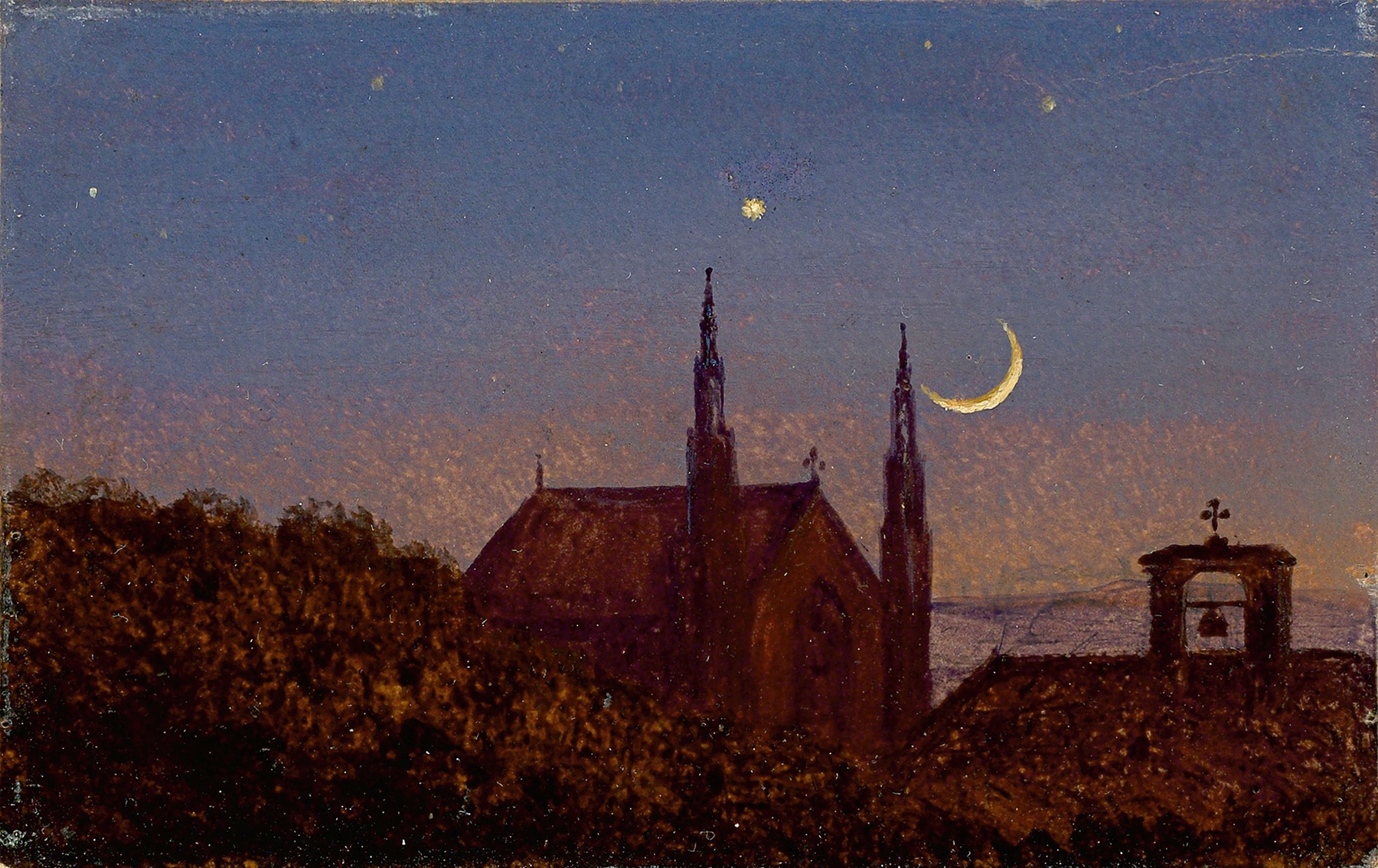
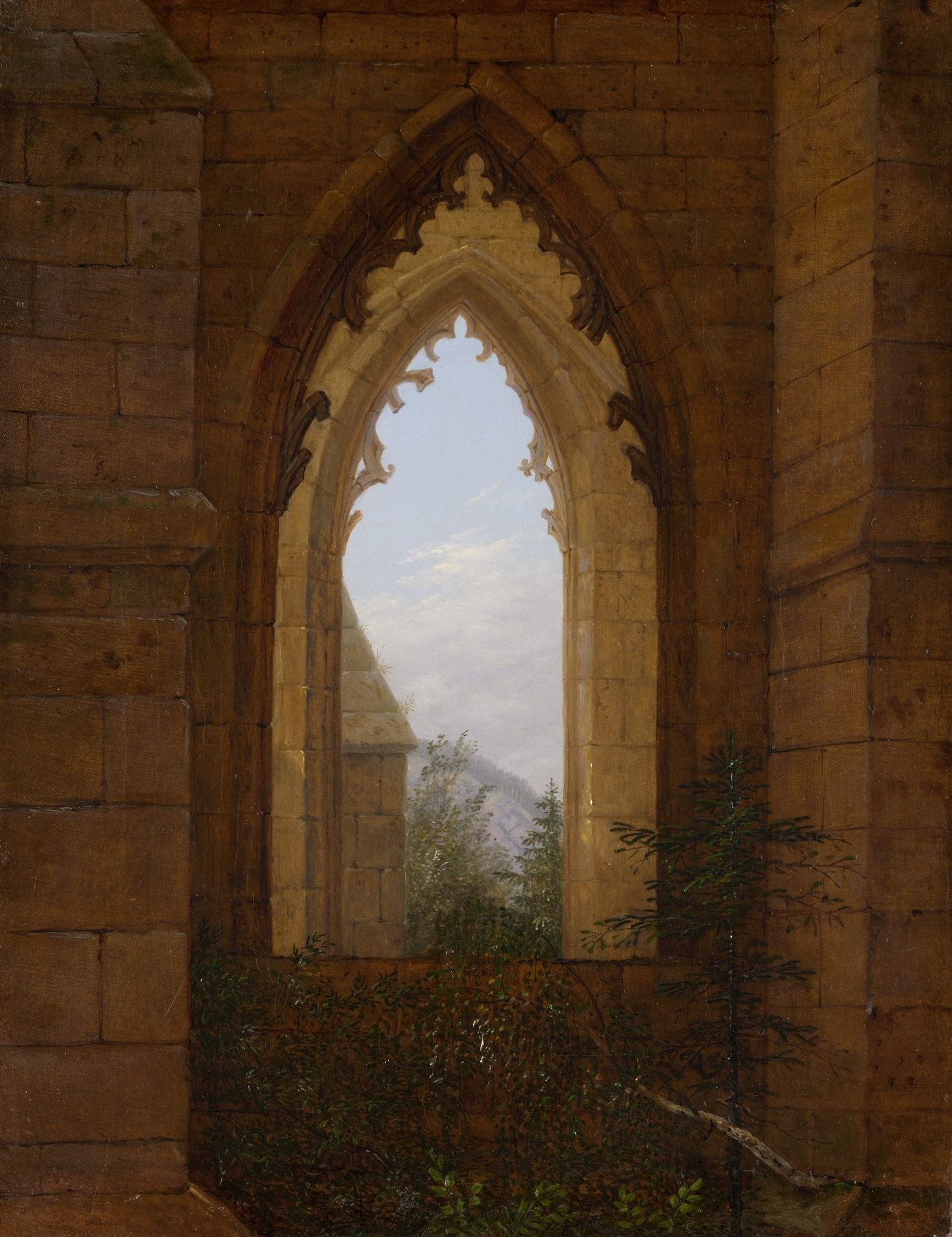
“The canvas doesn’t lie — it simply waits.” In the delicate interplay of light and shadow, a moment is captured in time, inviting the viewer to step closer and investigate the whispers of its artistry. Focus your gaze on the soft illumination that envelops the Frauenkirche, the iconic church rising majestically against the backdrop of a vivid sky. Notice how the golden rays of sunlight cascade over the dome, creating a halo effect that draws your eye upward, inviting reverence. The artist’s meticulous brushwork lends texture to the bricks, each stroke an echo of the historical significance embedded within its walls, while the surrounding landscape, painted in muted tones, emphasizes the church's grandeur.
As you explore further, the contrast between the vibrant light and the cooler hues surrounding it suggests a deeper tension — a celebration of the divine juxtaposed with the earthiness of life. The inclusion of the serene foreground figures conveys a sense of community, their silhouettes tracing pathways of devotion and connection to the sacred space above. This harmony between light and form embodies both the architectural and spiritual essence of the Frauenkirche.
Completed in 1824, this work finds its roots in the artist’s life during a period of personal exploration and reflection. During this time in Dresden, Carus sought to capture the interplay of nature and art, a pursuit that defined his contribution to Romanticism. The painting emerged amidst a broader movement in Europe, where artists were beginning to explore new perceptions of light, space, and emotion, marking a pivotal moment in the evolution of landscape and architectural representation.