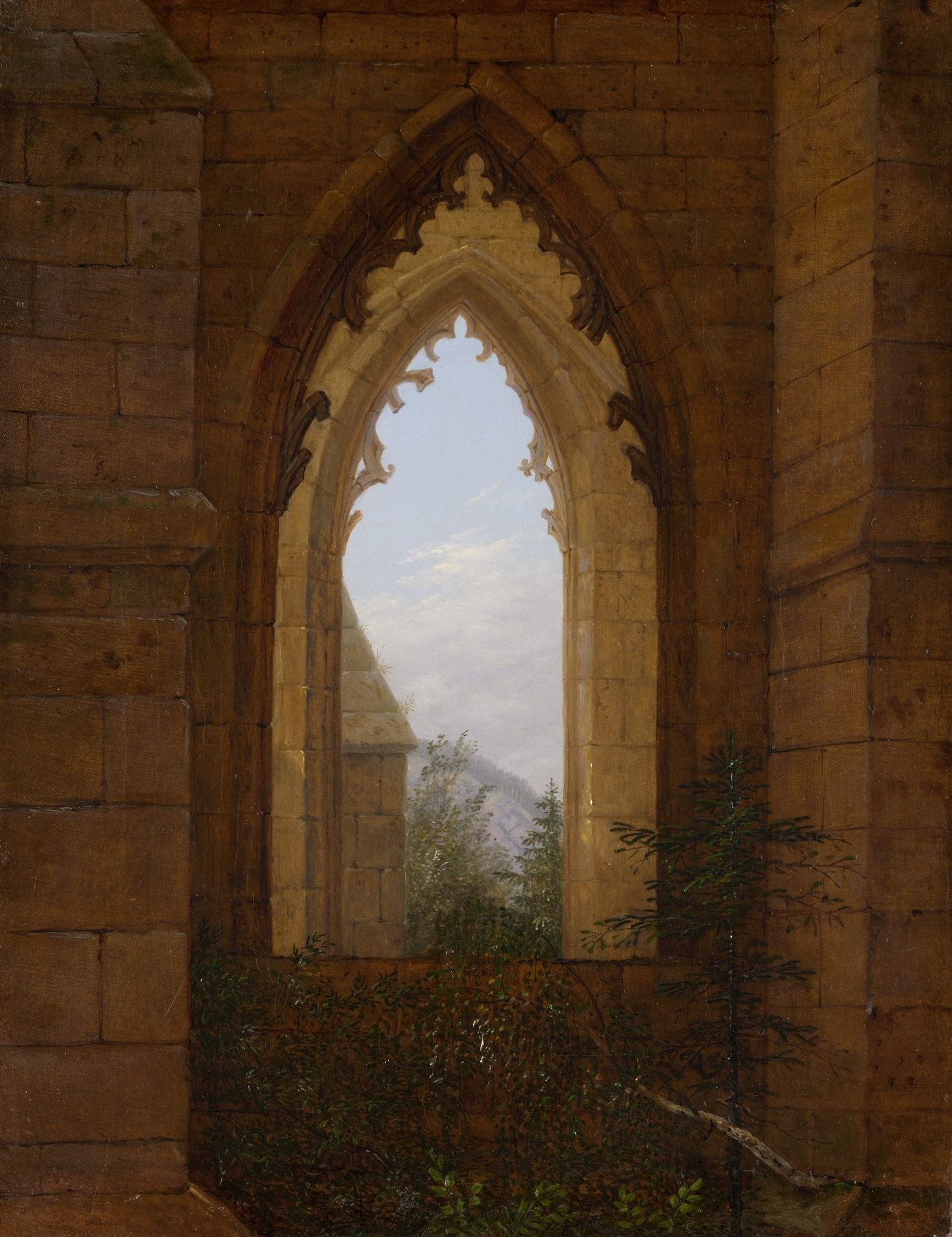
Morning peal (Old German city in the morning light) — History & Analysis
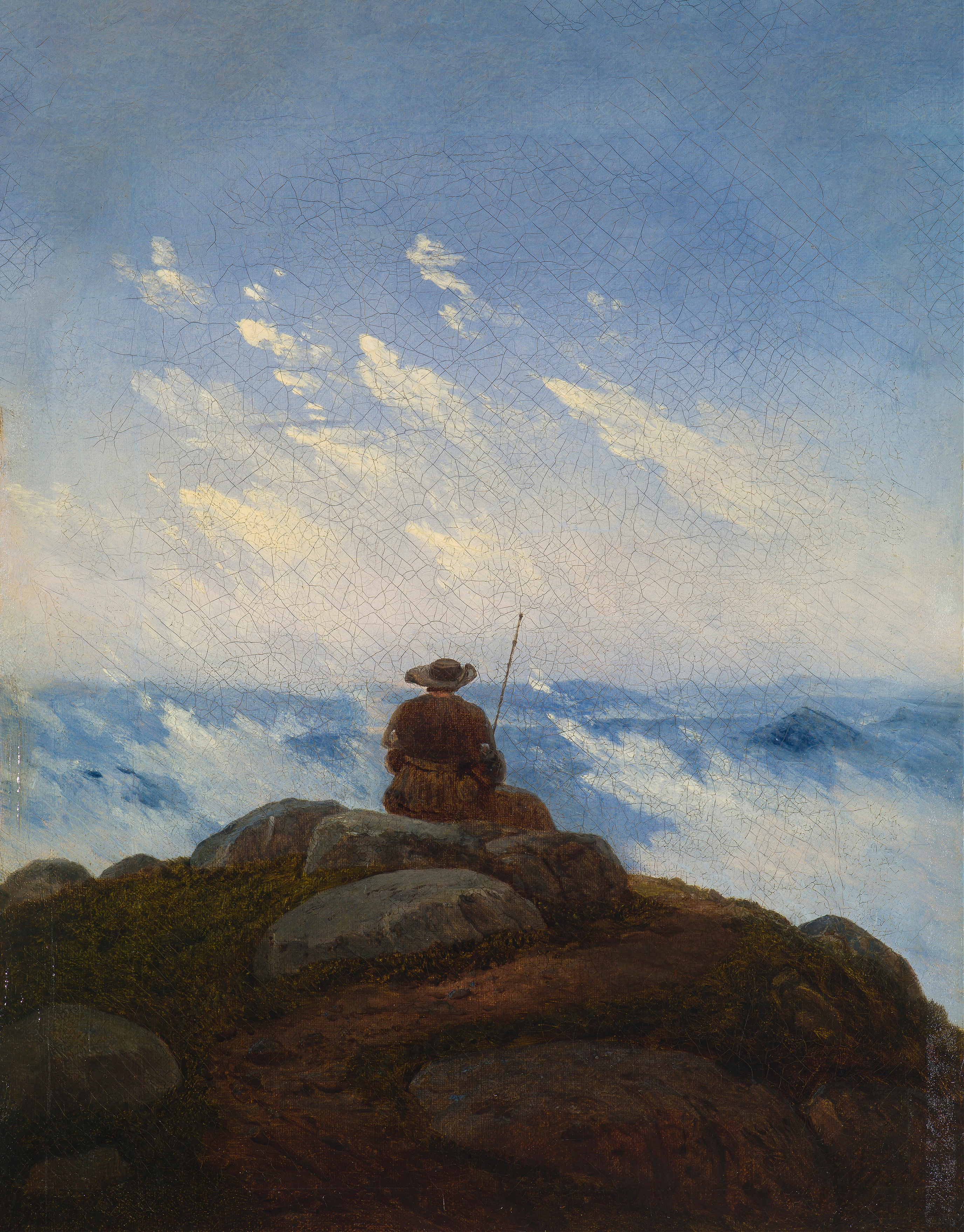
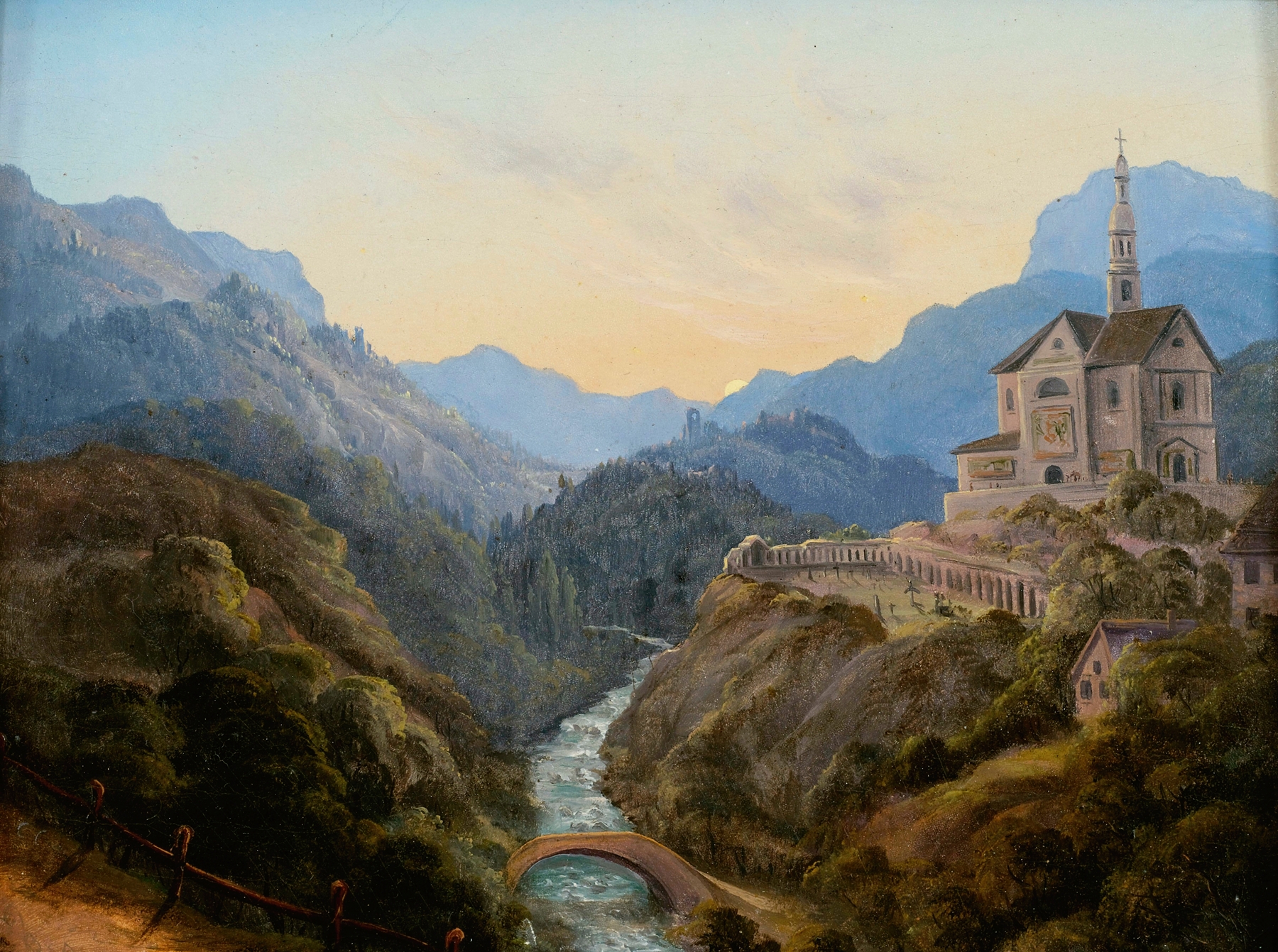
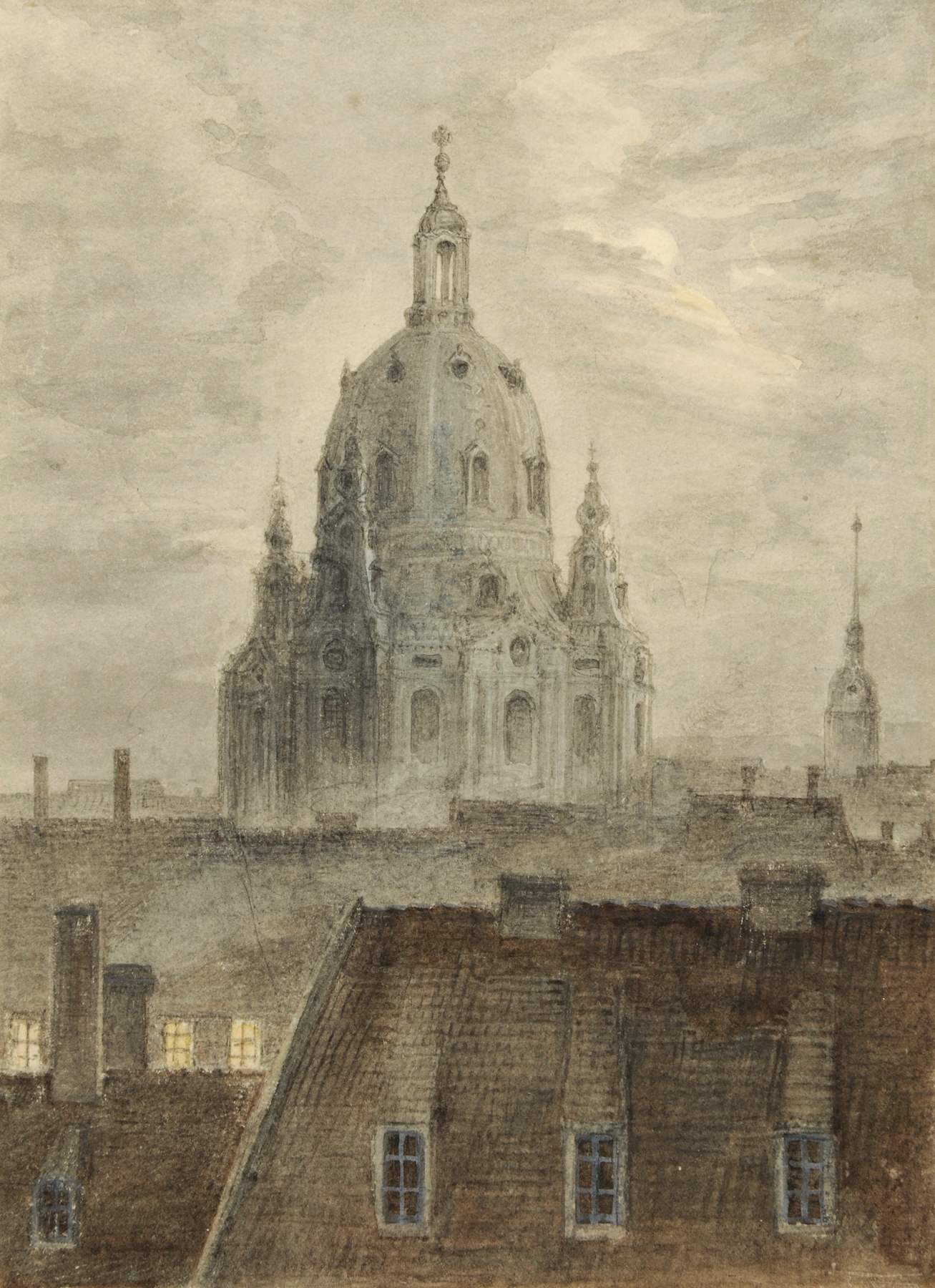
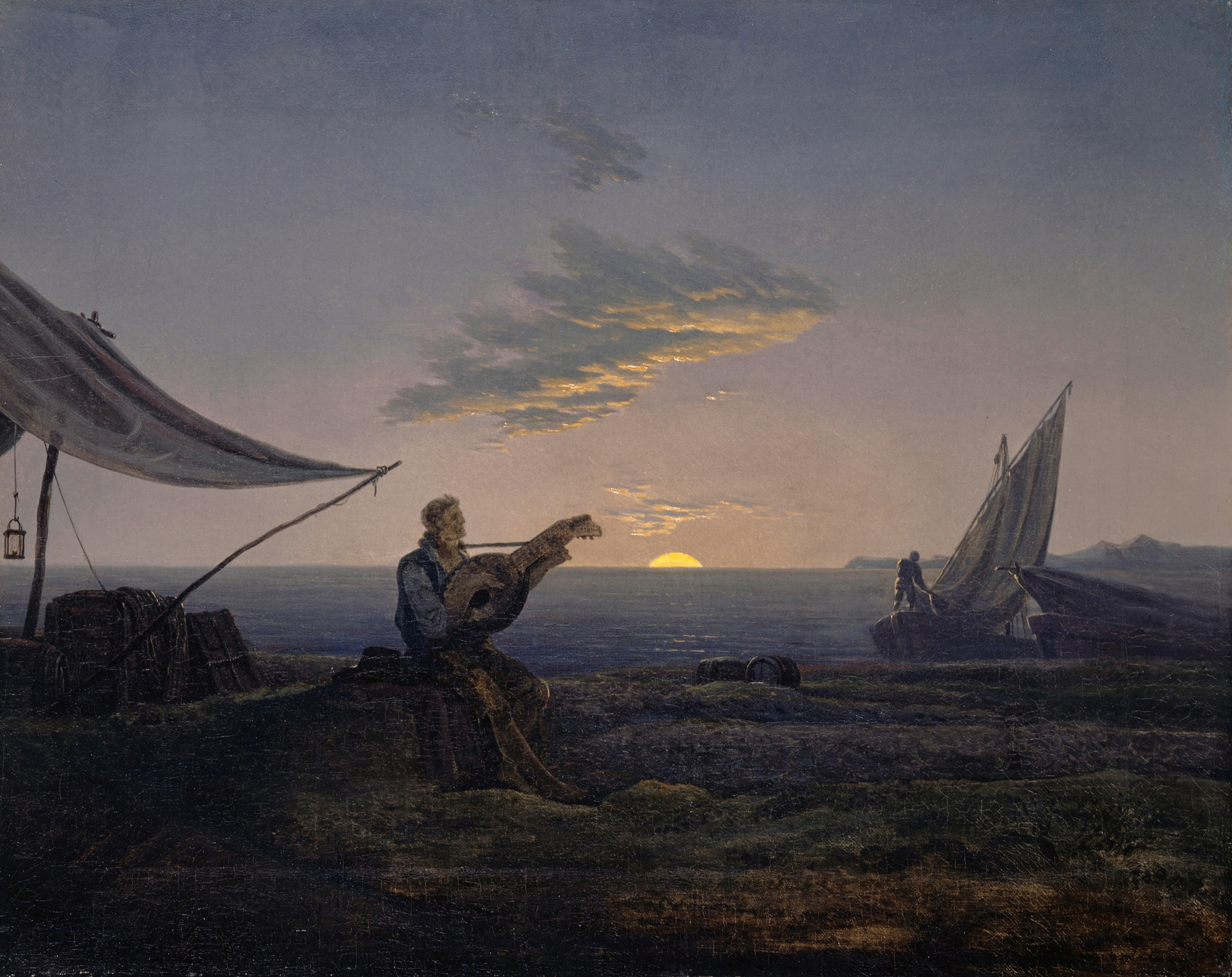
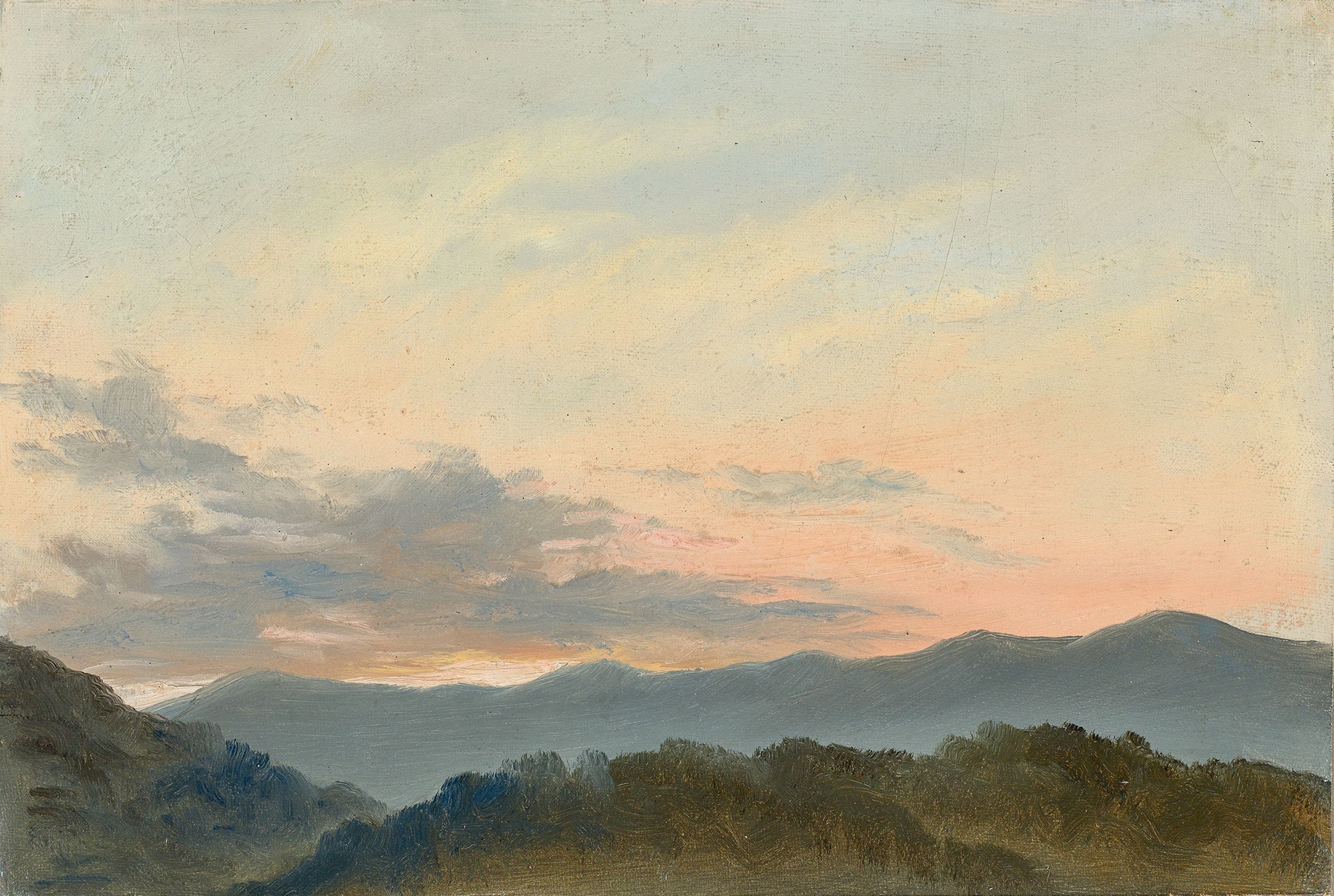
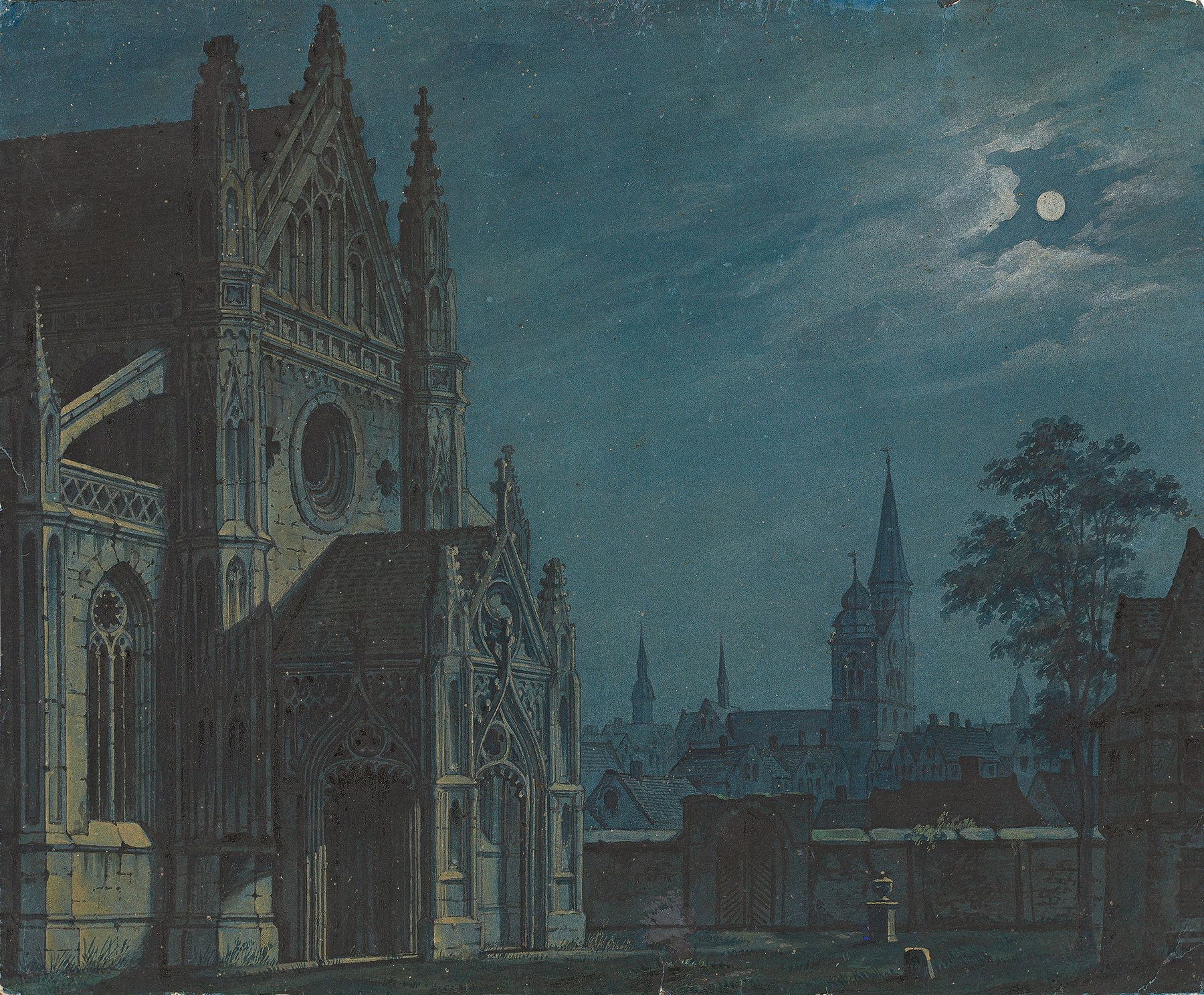
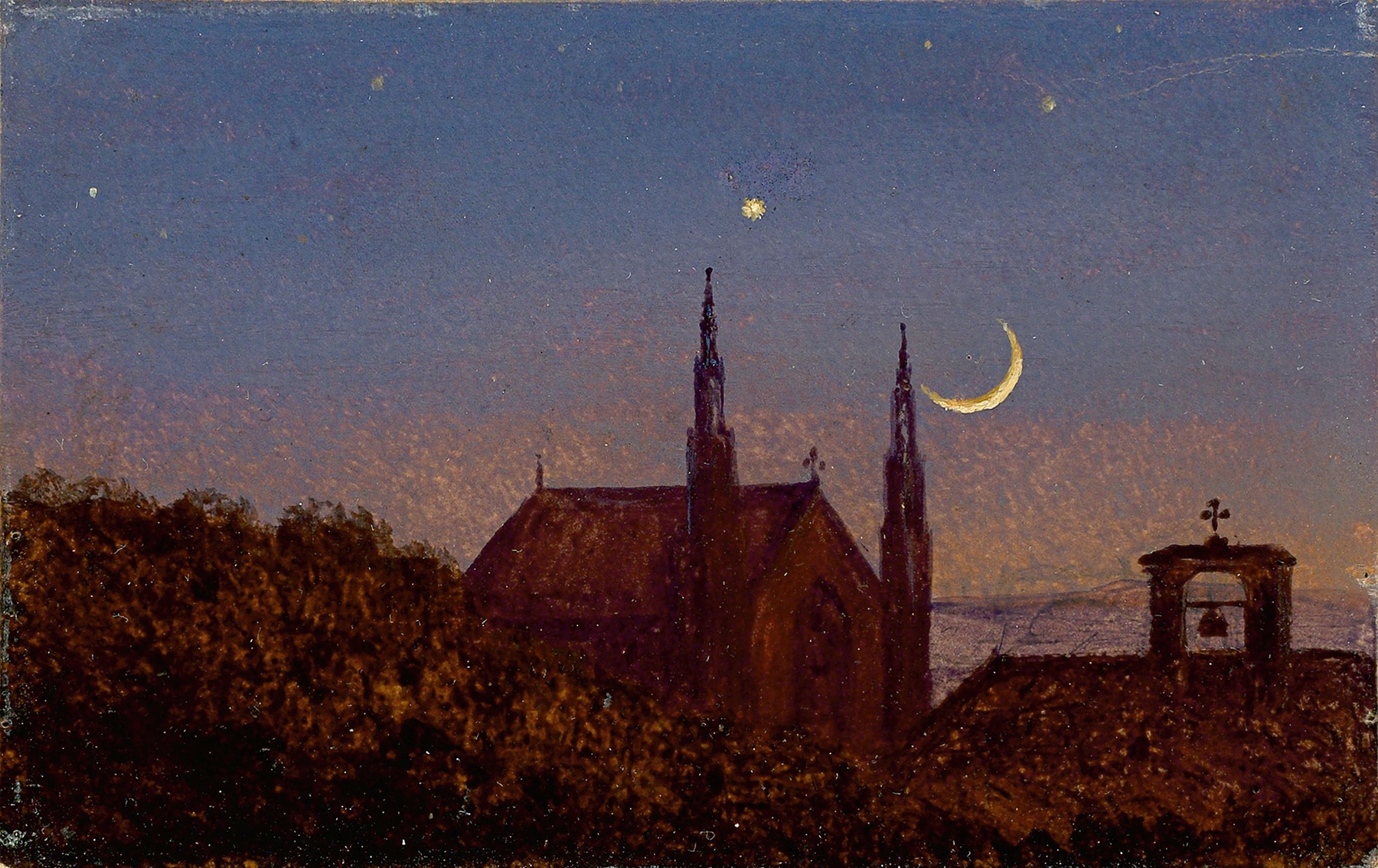
“Every silence here is a confession.” In the quiet embrace of dawn, the canvas breathes life into the stillness of an ancient city, inviting contemplation and a sense of wonder. The morning light, soft yet penetrating, washes over the cobblestones and the façades of old buildings, evoking a reverence for both the past and the promise of a new day. Look to the left at the delicate play of light and shadow on the intricate architecture, where each stone seems to whisper secrets of centuries gone by. The warm hues of gold and amber contrast against the cooler blues of the fading night sky, drawing your eye toward the central spire that pierces the heavens.
Notice how Carus masterfully balances the composition, creating a tranquil harmony that reflects both the serenity of the moment and the vibrancy of life awakening below. Yet, within this serene beauty lies a deeper tension. The city appears both timeless and ephemeral; its quietude hints at stories untold, lives lived in the shadows of towering structures. The contrast between the illuminated buildings and the dim alleys suggests a duality—where light symbolizes hope and shadow embodies the weight of history.
Each detail, from the gentle rise of mist to the distant bell tower, speaks of the profound connection between nature and urbanity, reminding us of our place within the continuum of existence. In 1840, when this piece was created, Carus was deeply engaged in the Romantic movement, exploring themes of nature, spirituality, and human emotion. Living in Dresden, he was influenced by the burgeoning interest in landscape painting and the aesthetic ideals of his time. Europe was in the throes of change, and his work reflected a longing for the sublime, capturing a moment that transcends time and invites viewers to reflect on their own existence amid the beauty of the world.