Mondschein über dem Hof einer gotischen Kirche mit reichem Maßwerk — History & Analysis
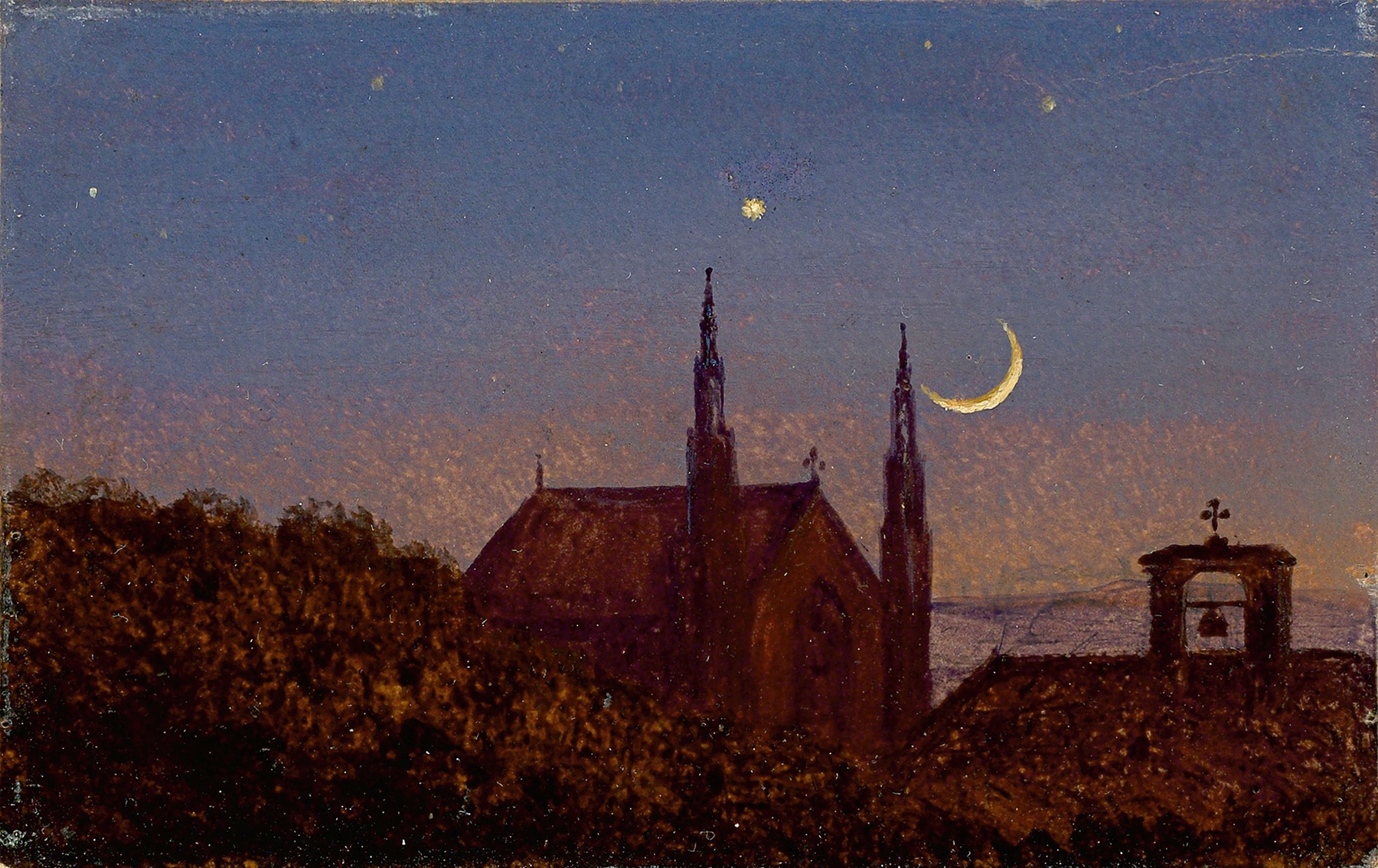
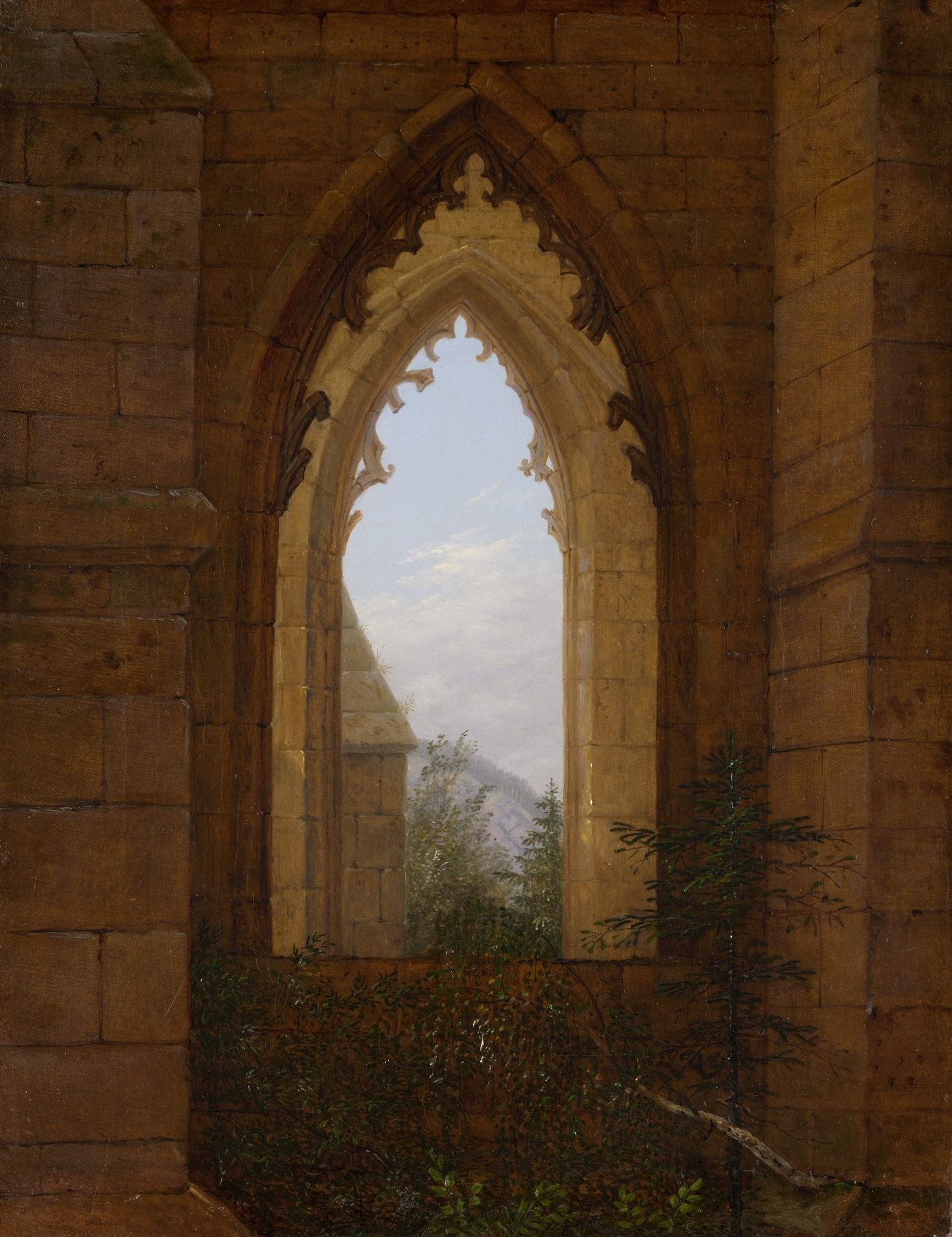
“Sometimes beauty is just pain, disguised in gold.” This sentiment resonates deeply within the shadowed arches and intricate craftsmanship of a gothic church, where faith intertwines with untold sorrow. The delicate balance of light and dark invites you to ponder the silent stories held within its walls. Focus your gaze on the elaborate tracery that crowns the church’s windows, a lacework of stone that echoes the ethereal quality of the moonlight flooding the courtyard. Notice how the warm glow of the moon bathes the scene in a silvery luminescence, casting soft shadows that dance along the weathered stones.
Each detail, from the finely carved figures to the subtle variations in color, reflects the artist's meticulous technique, drawing you deeper into this sacred space. The contrasting elements within the composition reveal a profound emotional landscape. The serenity of the moonlight stands in stark juxtaposition to the heaviness of the gothic architecture, suggesting both the solace and burden of faith. The intricate designs may symbolize the pain of devotion, as each ornate detail hints at the struggles and aspirations of those who sought refuge within these solemn walls.
During a period marked by significant changes in the art world, the artist created this work in the early to mid-19th century, a time of Romanticism flourishing in Germany. Carus, who was also a physician and a philosopher, was influenced by the interplay of nature and spirituality. His explorations during this era contributed to a deeper understanding of the emotional resonance of landscapes and architecture, reflecting both personal and collective quests for meaning in an evolving society.