Mountainous landscape with a river valley and an abbey at evening light — History & Analysis
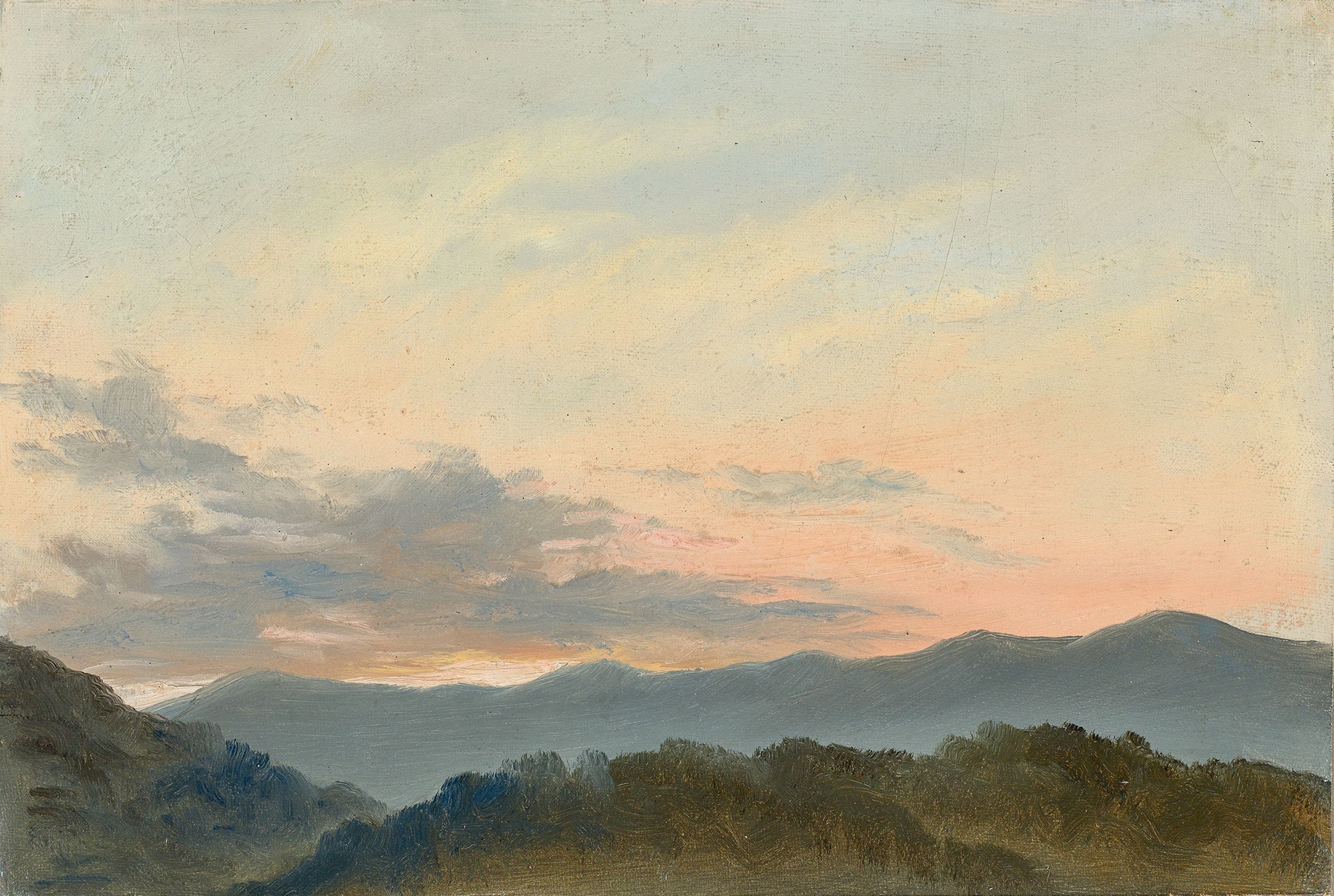
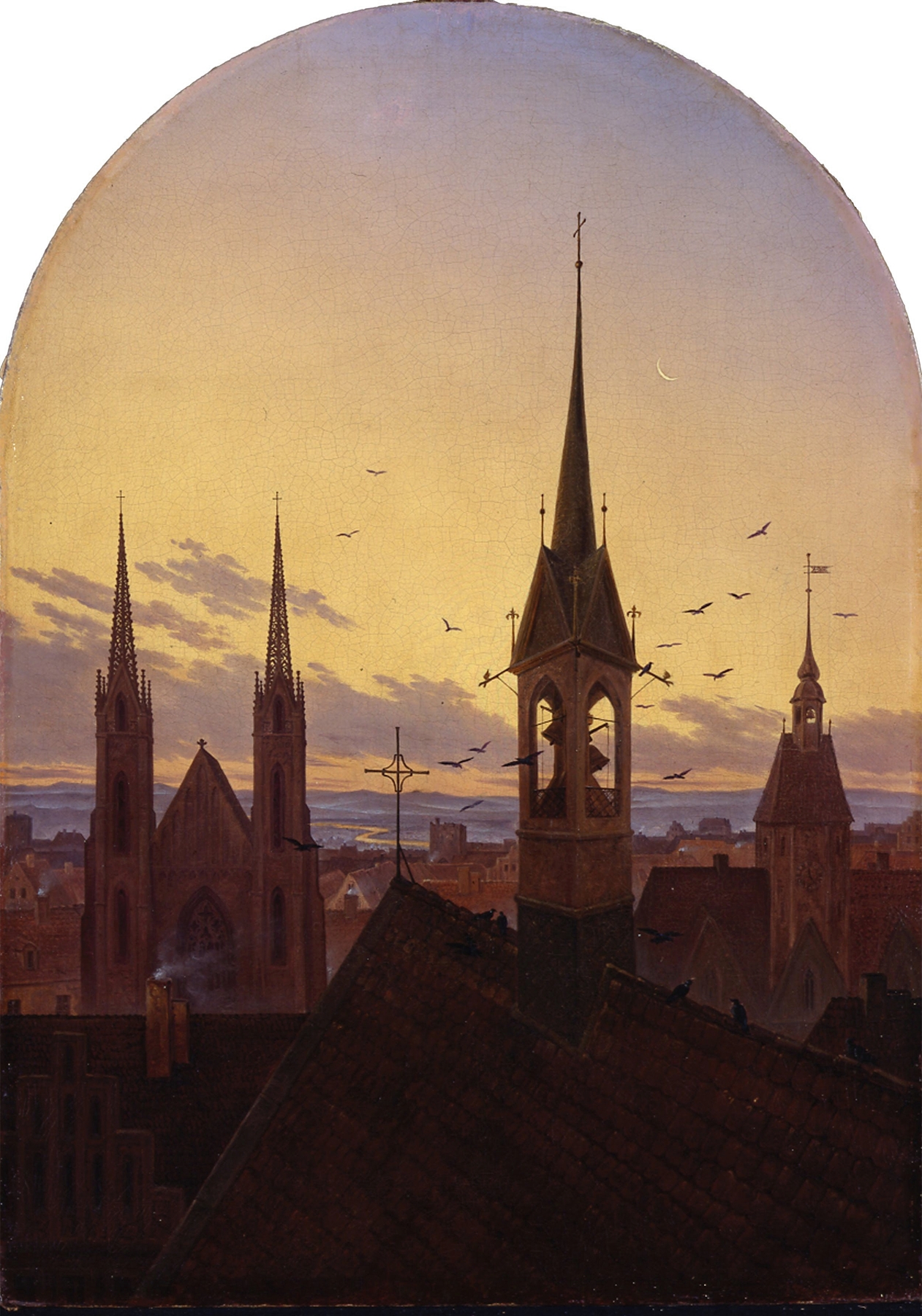
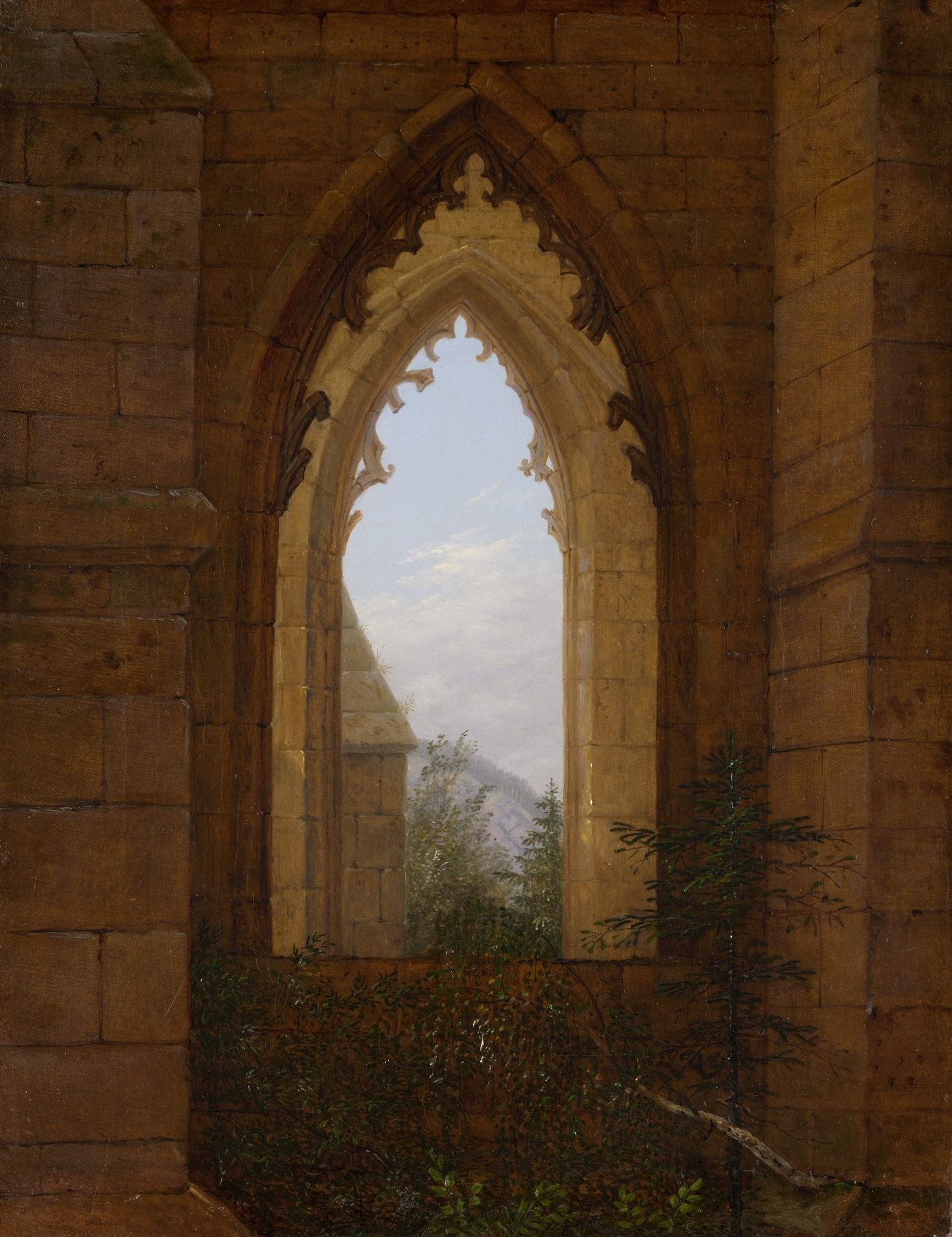
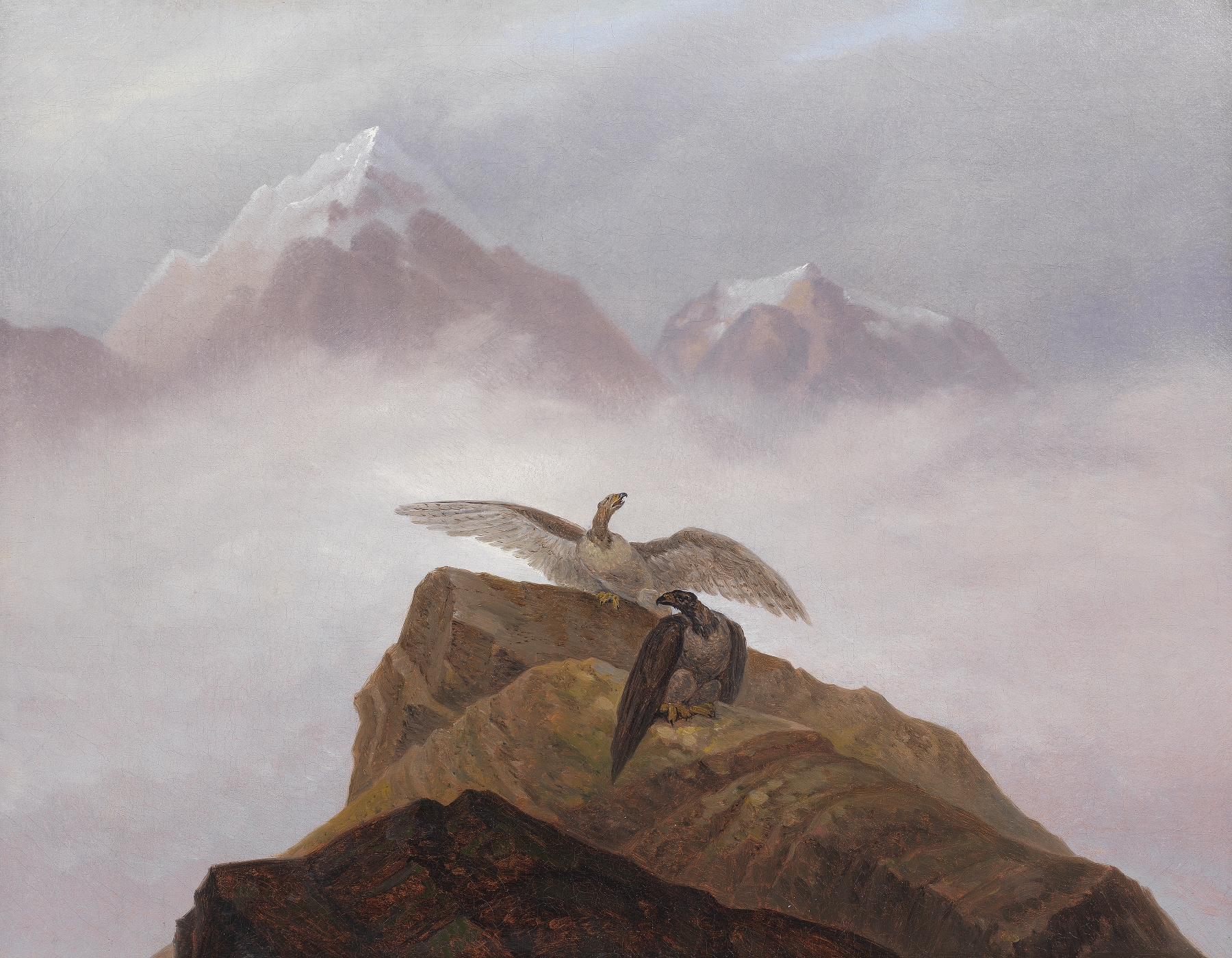
Can paint confess what words never could? The stark beauty of a sunset encapsulates the ephemeral nature of existence, a fleeting moment captured in hues of gold and shadow. Look to the center, where the abbey stands resolute against a backdrop of towering mountains, its silhouette softened by the evening light. Notice how the river winds through the valley, a shimmering ribbon that echoes the orange and deep indigo of the sky, guiding the eye toward the horizon.
The delicate strokes of Carus's brush evoke a sense of tranquility, yet the rich interplay of color and form suggests an underlying tension between the permanence of the landscape and the fragility of mortal life. Hidden within the serene composition are deeper emotional undertones. The abbey serves as a sanctuary, a metaphor for spiritual refuge amidst the vastness of nature's grandeur and the inevitability of decay. The river's flow symbolizes the passage of time, relentless and unyielding, while the mountain's strength contrasts with the vulnerability of the human experience.
Here, the painter captures both the beauty and the melancholy of existence, inviting the viewer to reflect on their own journey. Carl Gustav Carus created this work in the early 19th century, a time when Romanticism was flourishing in Europe, celebrating nature and the individual's emotional response to it. He painted this piece in Germany, amidst a growing interest in landscape as a vital form of expression, emphasizing the relationship between humanity and the natural world. As a physician and painter, Carus sought to capture the sublime, merging art with the philosophical inquiries of his time.