Waldlandschaft — History & Analysis
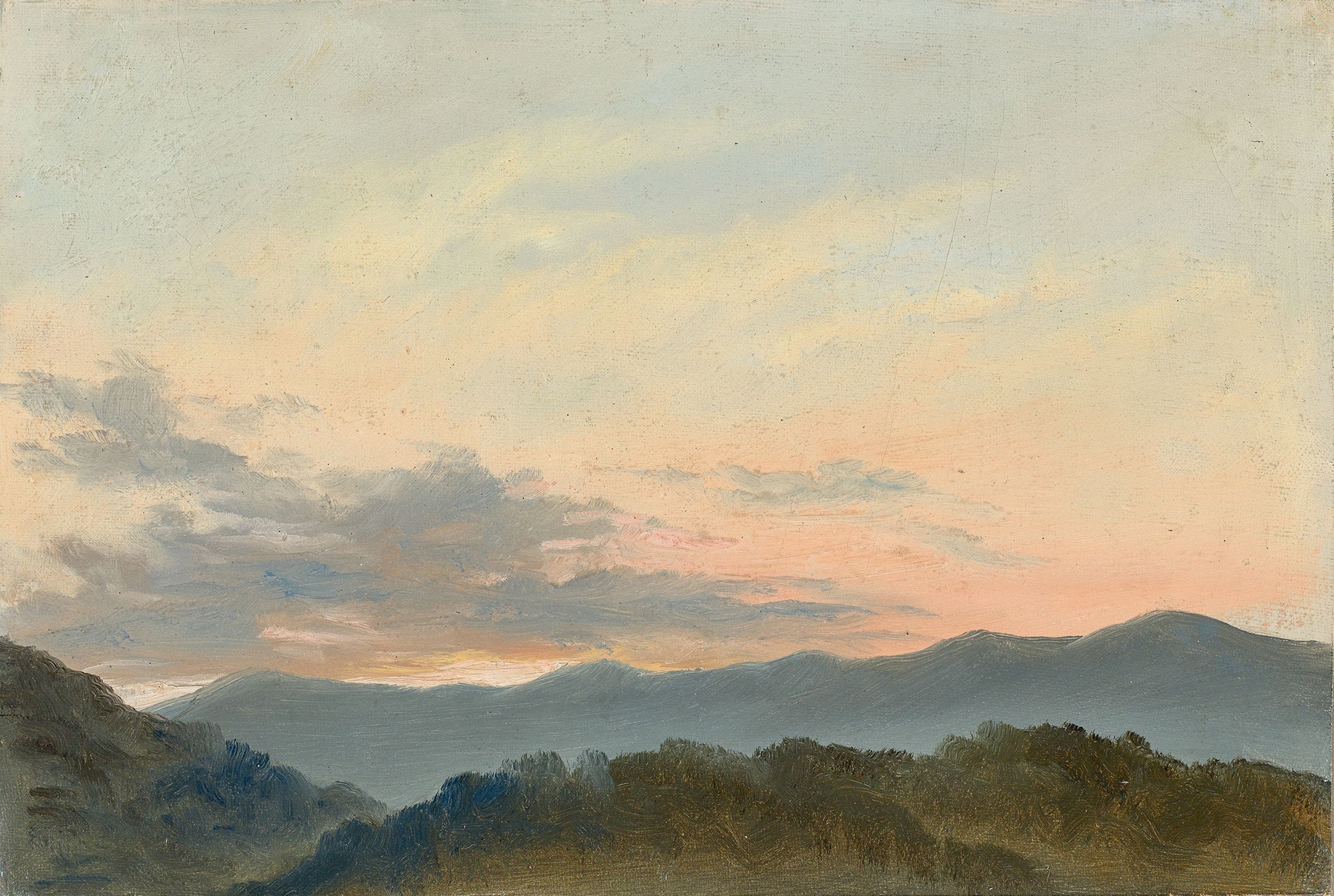
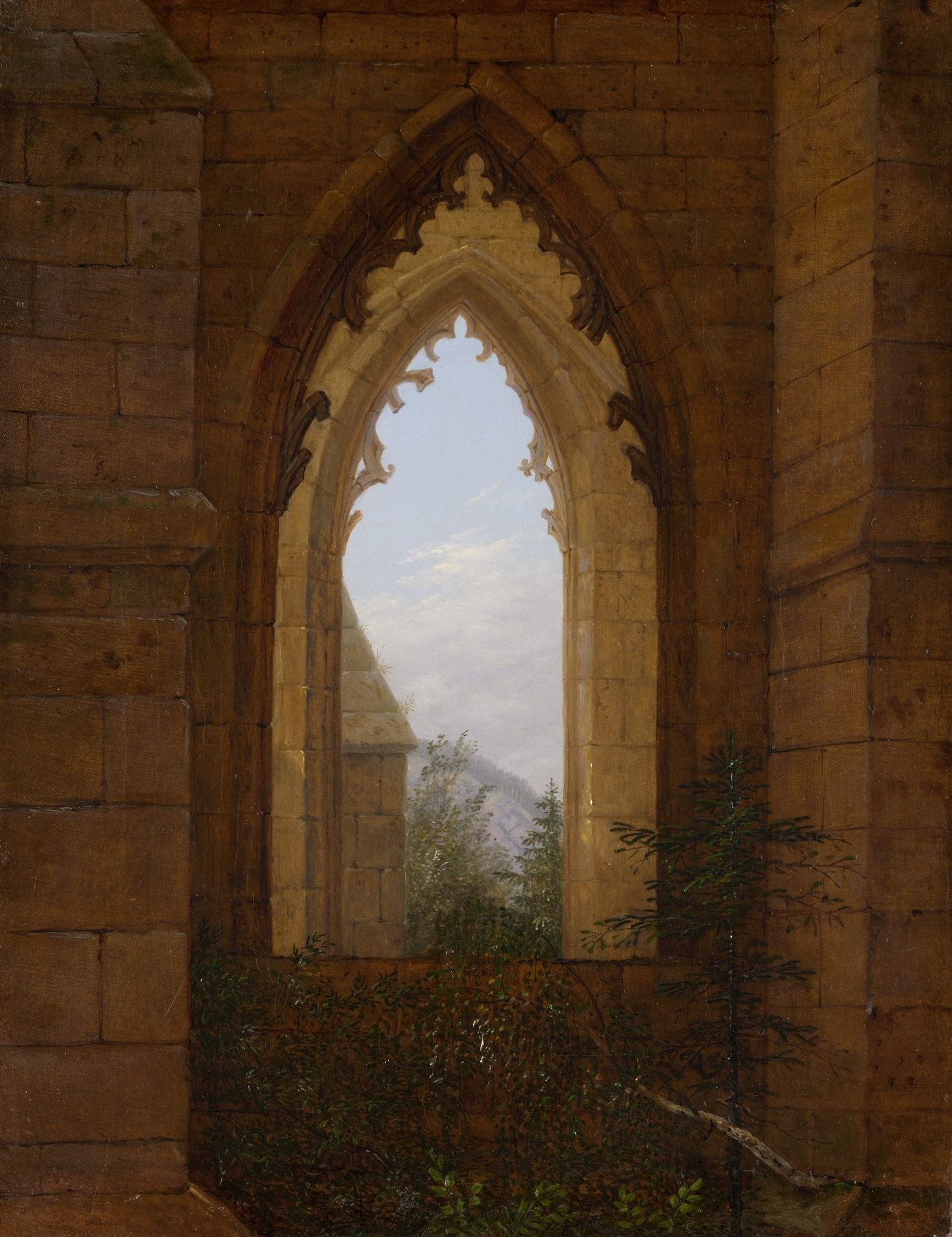
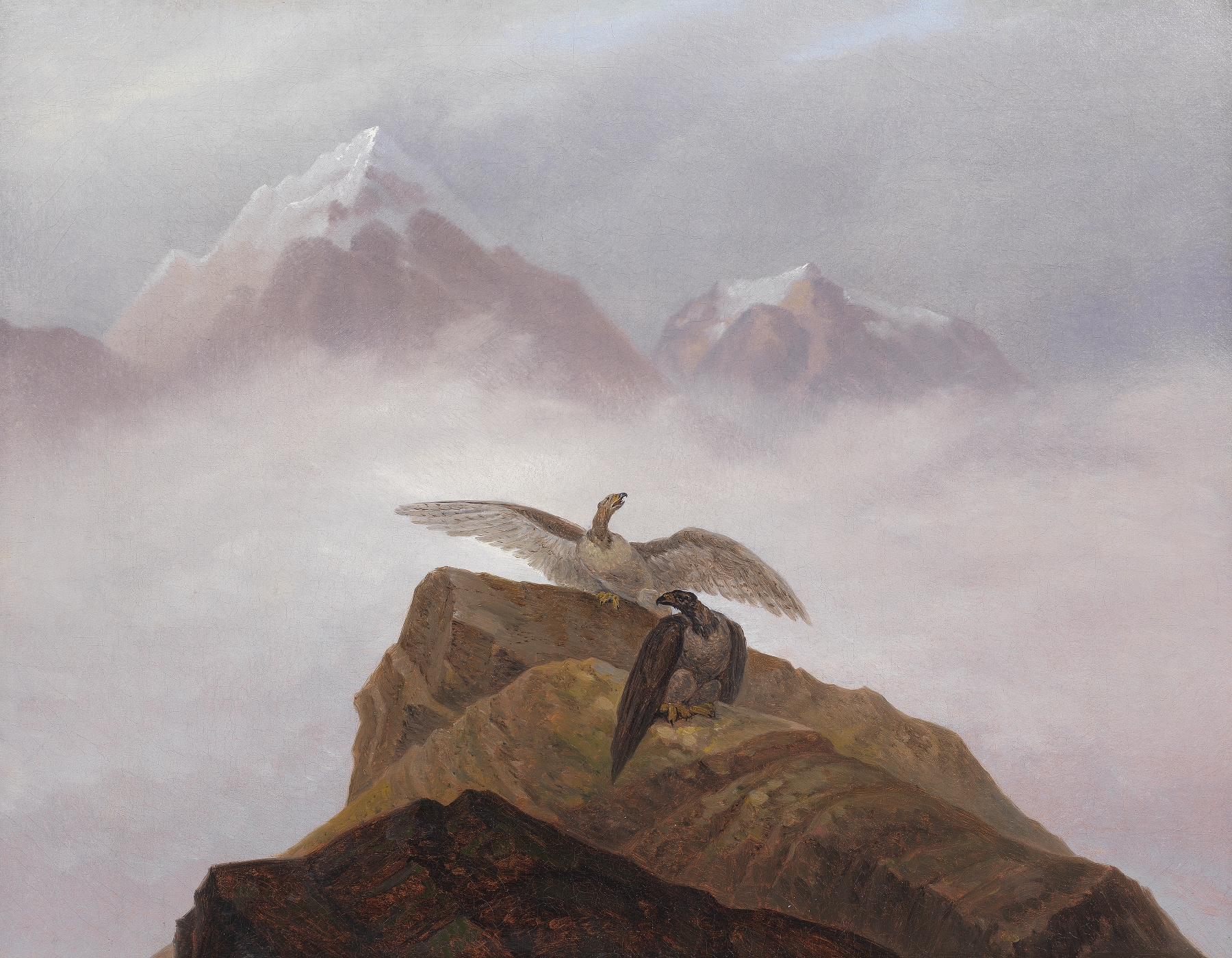
Is this a mirror — or a memory? The delicate interplay of light and shadow in this landscape invites introspection, conjuring emotions that linger just beyond the frame of reality. Look to the left at the gently rolling hills, where the soft greens of the foliage blend seamlessly into the serene blues of the sky. Notice how the brushstrokes shift from meticulous detail in the foreground to a more impressionistic haze in the distance, drawing the viewer’s eye deeper into the scene.
The balance of light falling upon the trees creates a quasi-ethereal quality, as if the landscape itself is holding its breath, caught between the tangible world and the realm of dreams. Within this tranquil vista, hidden tensions emerge. The juxtaposition of the vibrant greenery with the muted tones of the distant horizon evokes a sense of longing and nostalgia, suggesting a history woven into the very fabric of the earth. Each tree and shadow seems to whisper stories of the past, inviting contemplation and reflection on the passage of time.
The composition captures not just nature, but a deeper connection to memory and identity. Carl Gustav Carus painted Waldlandschaft during a transformative period in the mid-19th century, amidst the Romantic movement's embrace of nature and introspection. Working in Leipzig, he sought to explore emotional landscapes and the interplay between humanity and the natural world. This artwork reflects not only his personal artistic journey but also the broader cultural shift towards valuing the sublime and the introspective in art.