Fantasy of the Alps — History & Analysis
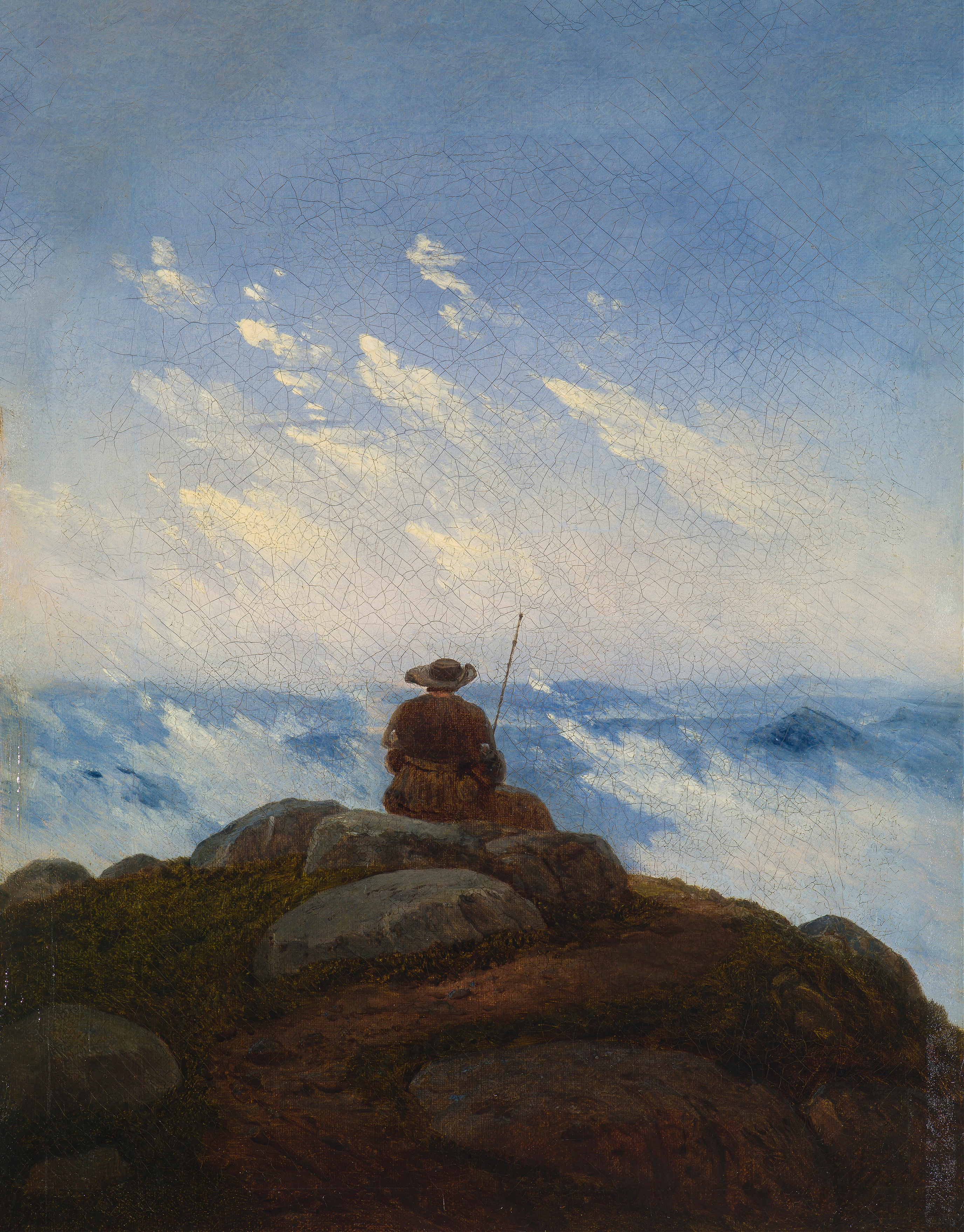
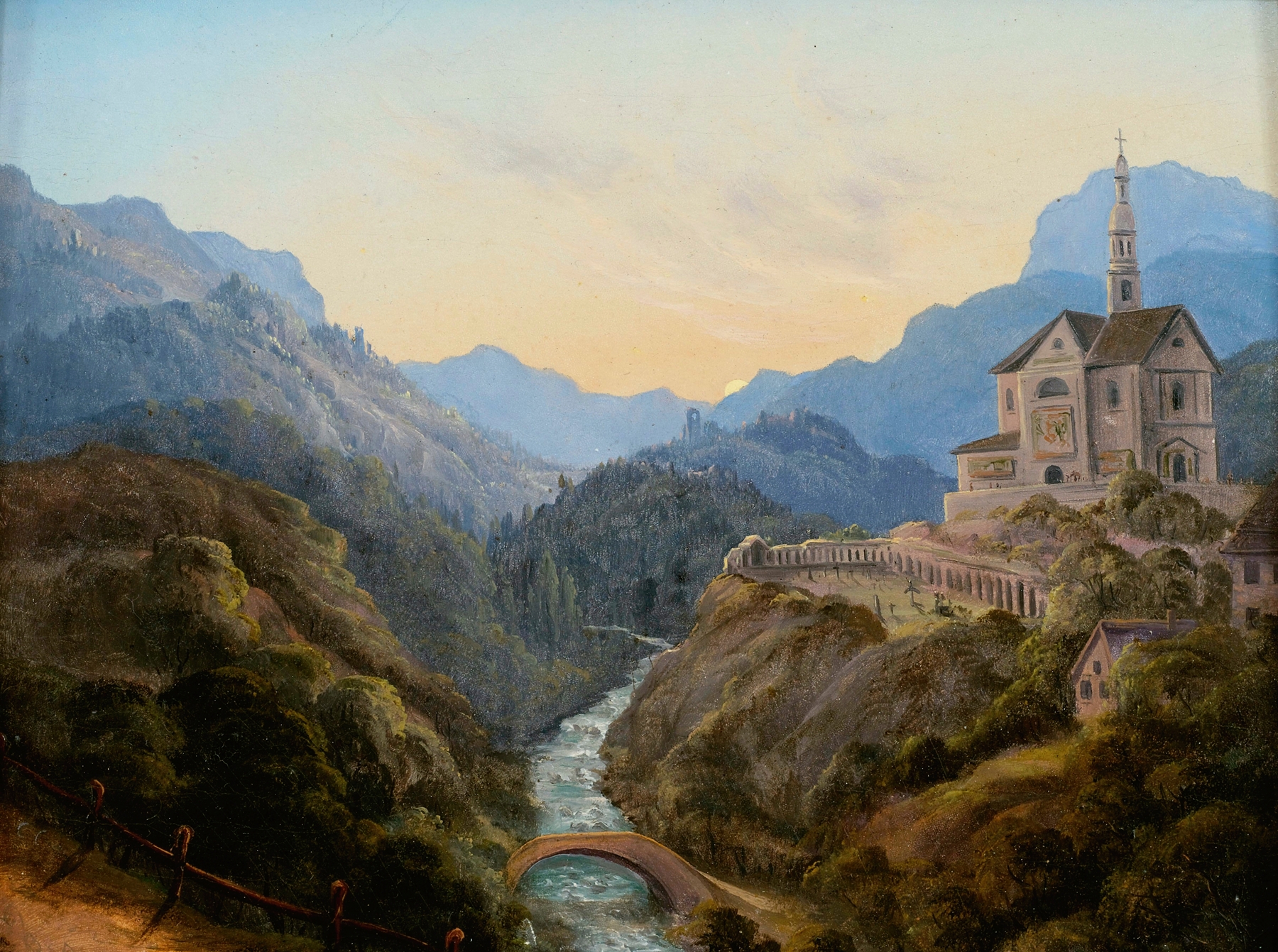
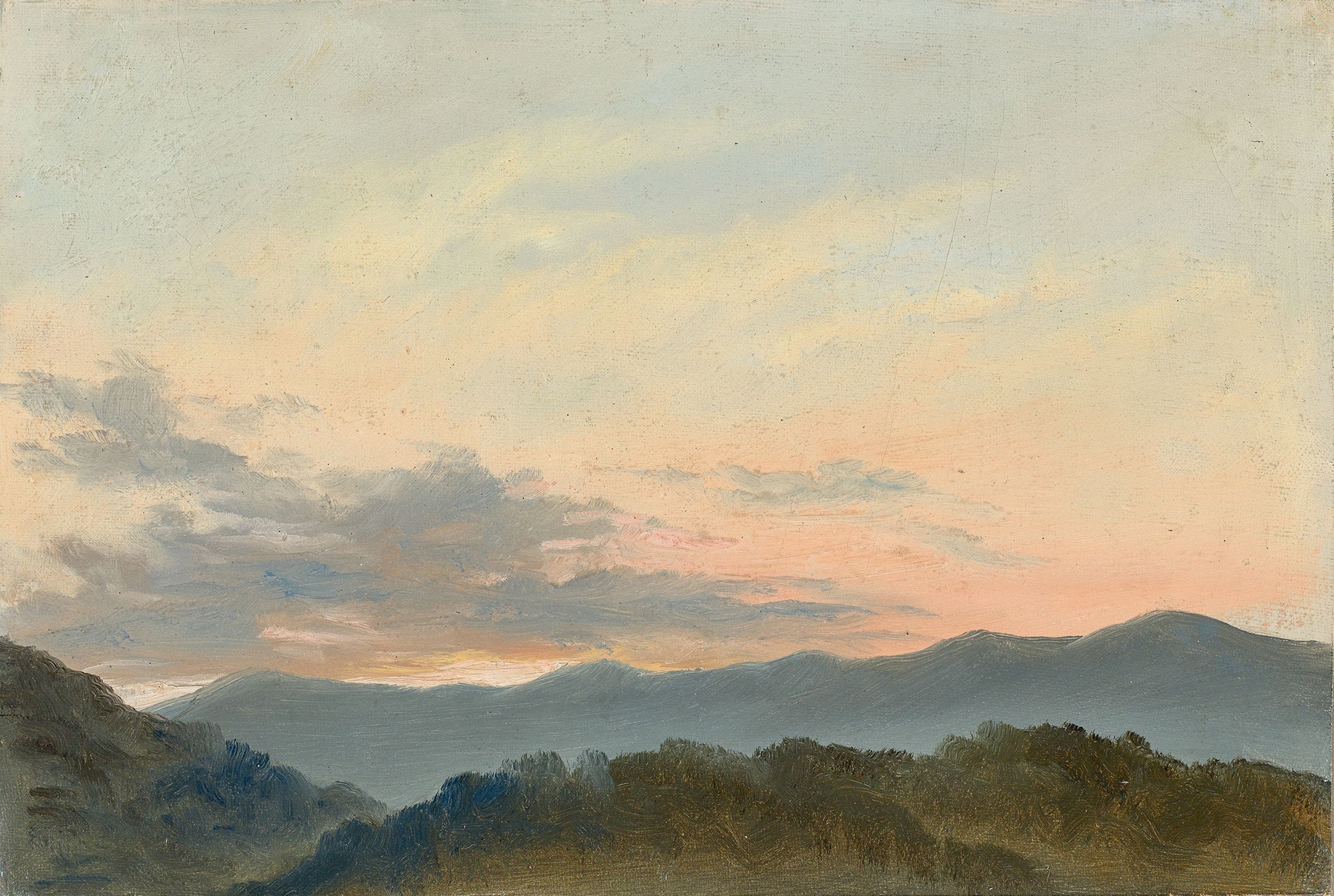
“The canvas doesn’t lie — it simply waits.” In the stillness of nature, where ancient mountains cradle the sky, the essence of rebirth unfolds before our eyes. Look to the center, where the majestic peaks rise like silent giants, their snow-capped tips piercing the horizon. The gentle brushstrokes blend soothing blues and whites, inviting us to immerse ourselves in the cool embrace of the alpine atmosphere. Notice how the vibrancy of the meadows below, painted in lush greens and dotted with wildflowers, creates a stark contrast against the austere mountain backdrop, suggesting the harmony between life and the untamed wilderness.
Delve deeper into the tranquil scene, and you’ll find subtle hints of longing nestled within the clouds that drift lazily across the sky. The soft glow of sunlight breaking through suggests hope and the promise of renewal, while the interplay of shadows hints at the unseen forces shaping this landscape. It evokes a sense of peace, yet there is an underlying tension, a reminder of nature's duality — its beauty intertwined with its ferocity.
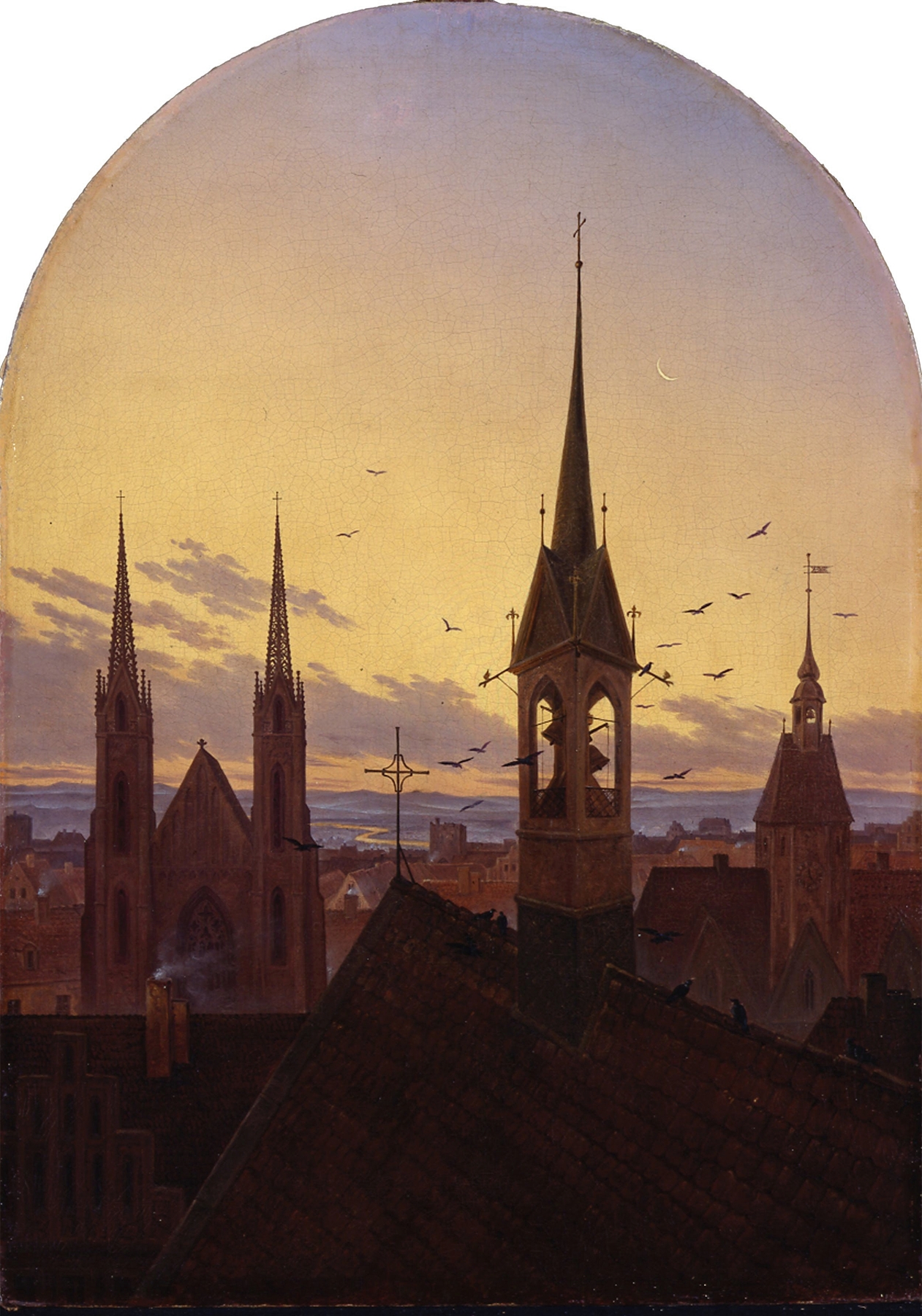
In 1822, Carl Gustav Carus painted this piece amidst a burgeoning Romantic movement that celebrated emotion and the sublime in nature. Living in Dresden, he was influenced by the philosophical currents of his time, as well as by the picturesque landscape surrounding him. As a physician and artist, he sought to explore the connection between the human experience and nature, capturing the essence of rebirth through the breathtaking vistas of the Alps.