Wolkenstudie — History & Analysis
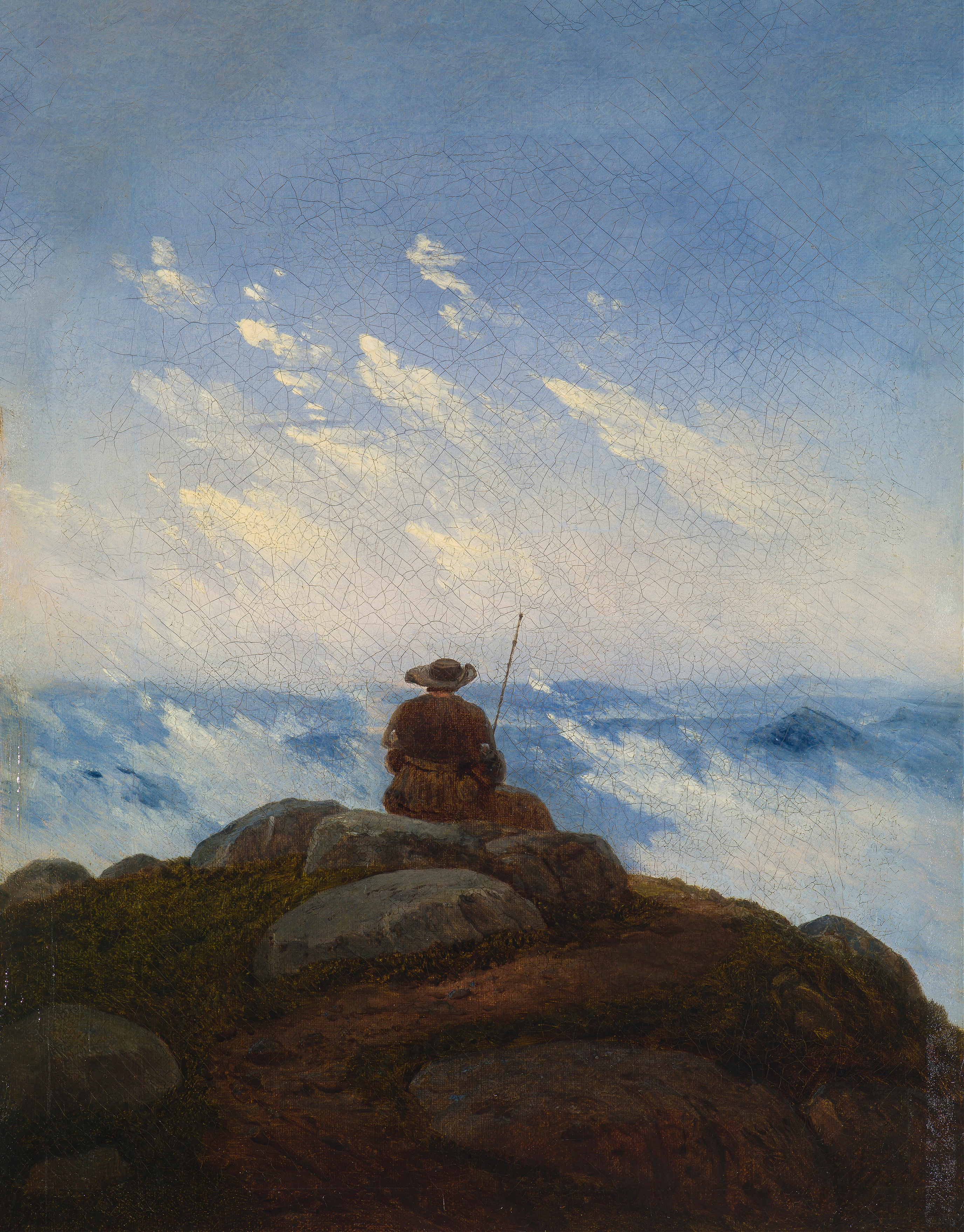
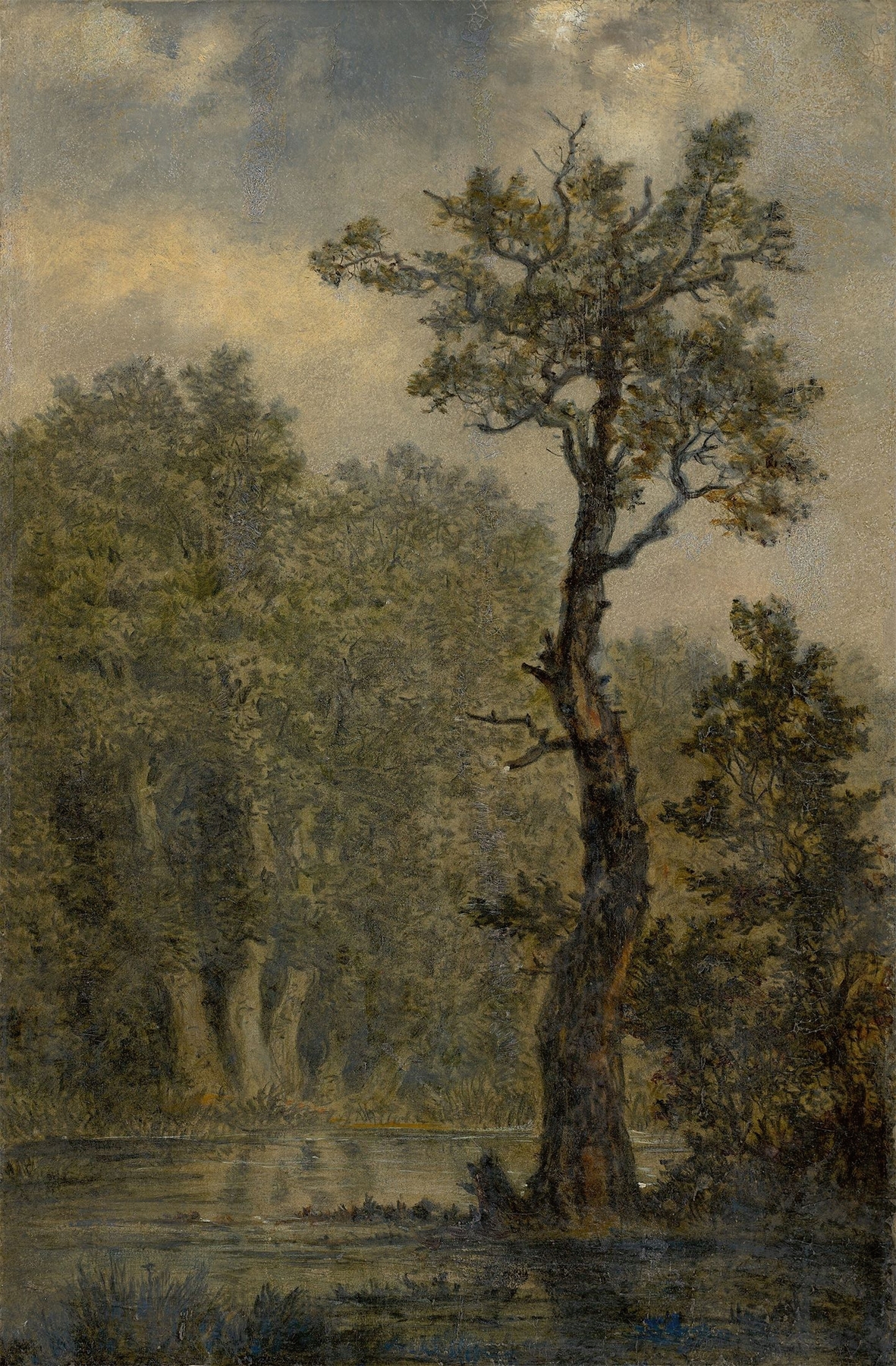
What if beauty was never meant to be finished? In the ever-transient embrace of nature, the essence of awe becomes eternal as it hovers between reality and imagination. Look to the center of the canvas, where a vast expanse of sky unfurls itself, brimming with swirling clouds that seem to dance in a delicate choreography. The artist’s deft brushwork renders these formations with a soft, almost ethereal quality, inviting the viewer to explore the gradient of blues and grays that shift into warm hints of gold near the horizon.
Notice how the light subtly radiates from behind the clouds, casting gentle illumination that creates a sense of depth and movement, capturing the ephemeral beauty of a moment forever in flux. Beneath this serene surface lies a profound emotional tension. The clouds, both majestic and ominous, embody the duality of beauty and chaos—a reflection of life’s fleeting nature. Additionally, the sparse horizon offers a sense of infinite possibility, inviting contemplation and introspection.
Each cloud becomes a vessel of thought, carrying whispers of dreams and aspirations, while also hinting at the inevitable, a reminder that all things must change. During the years 1830 to 1840, the artist created this work amid significant developments in Romanticism, a movement that championed emotional expression and the sublime beauty of nature. Living in Dresden, Carus found inspiration in the German landscape and was influenced by his contemporaries who explored the interplay of light and nature. This painting reflects not just his mastery of technique but also his philosophical inquiry into the relationship between humanity and the grandeur of the natural world.