Die Ruine Liechtenstein bei Mödling — History & Analysis
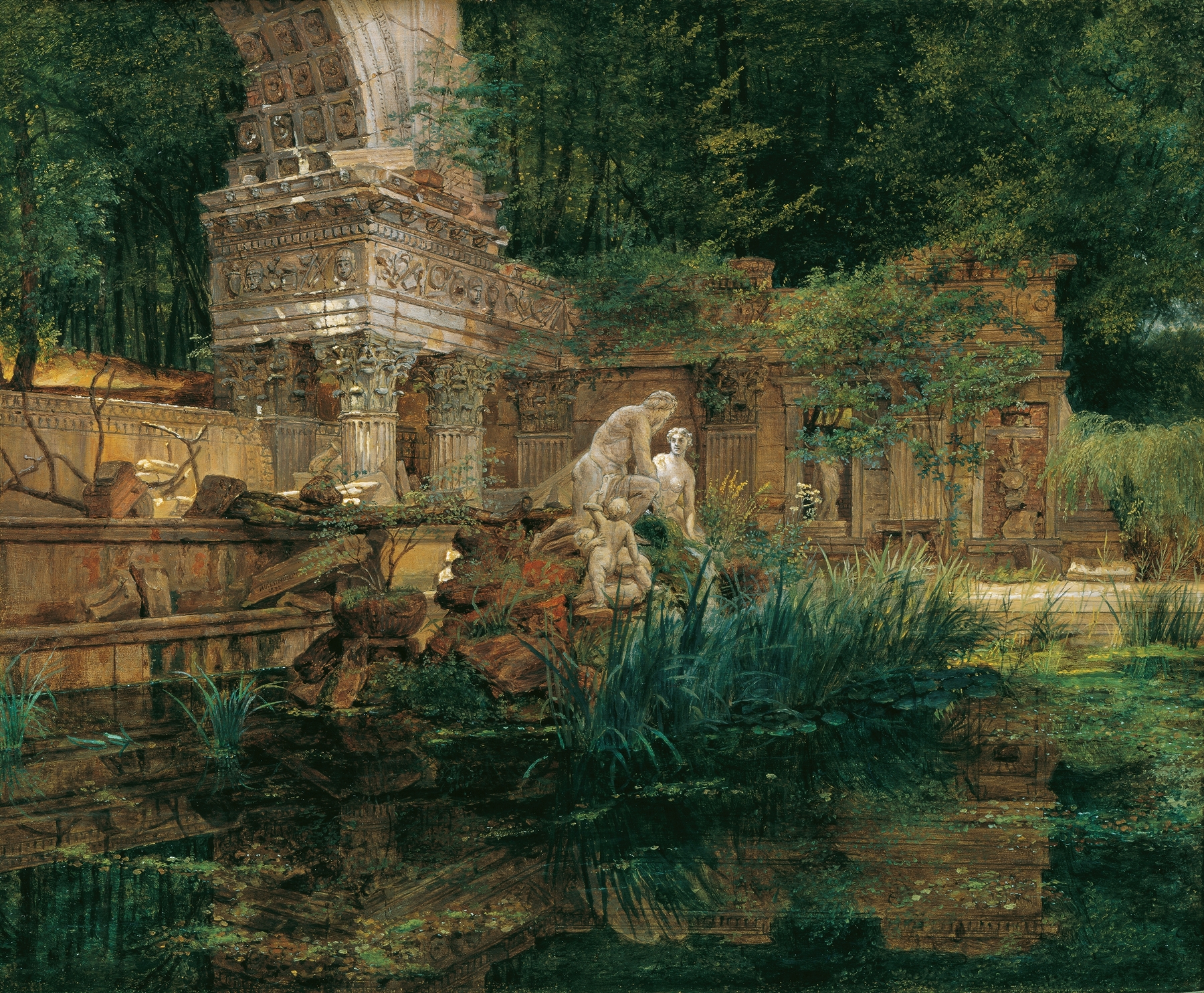
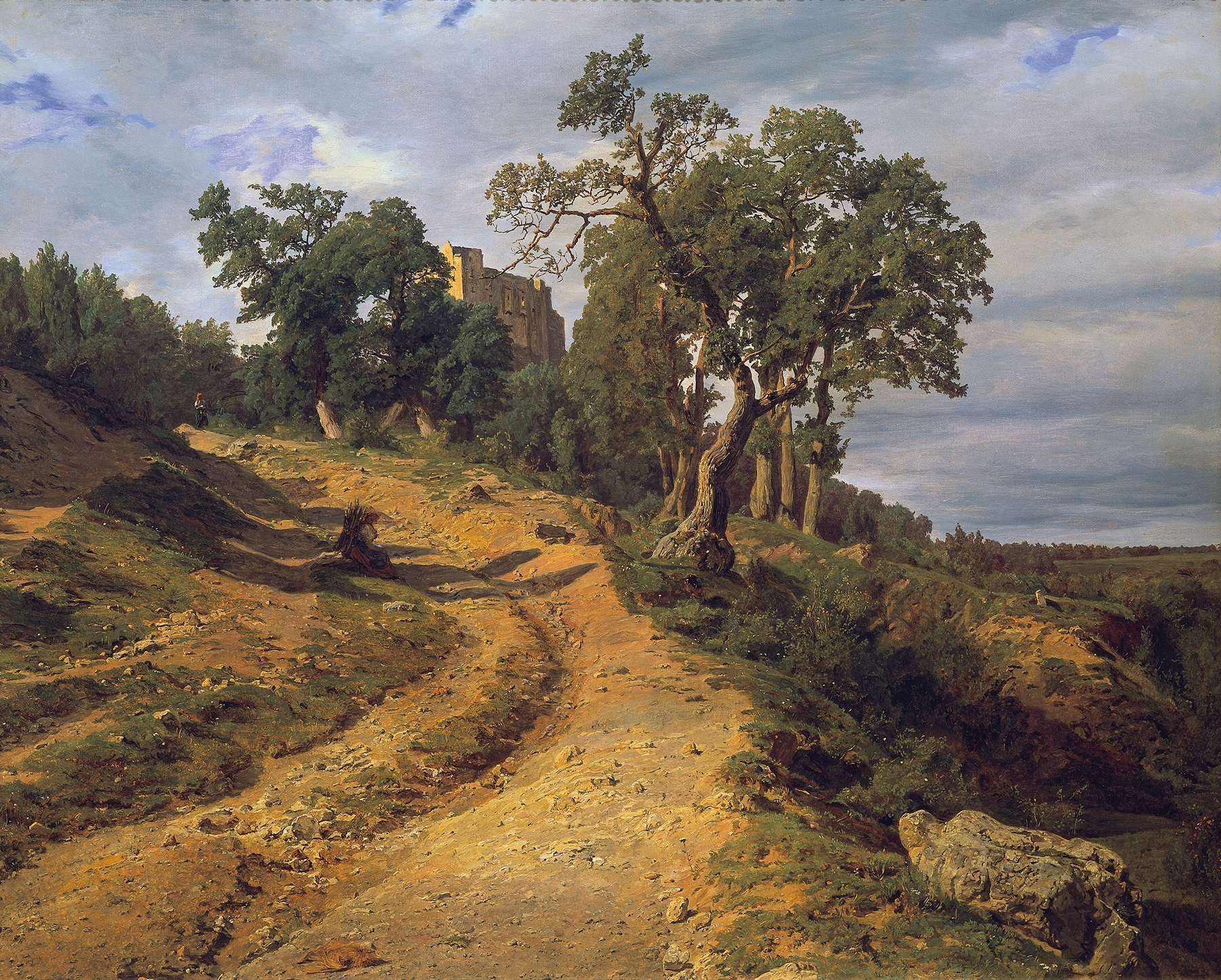
Could beauty survive in a century of chaos? The ruins that stand steadfast against the ravages of time offer a poignant testament to endurance and the passage of history. Focus on the left side where the weathered stones intertwine with vibrant greenery, forming a striking contrast. The artist meticulously depicts the intricate textures of the aged walls, their crumbling surfaces telling stories of forgotten moments.
Notice how the soft light bathes the scene, illuminating the foliage in lush greens while casting gentle shadows that evoke a sense of mystery and nostalgia. This careful play of light and color conveys both serenity and a hint of melancholy. As you explore further, pay attention to the distant mountains, their imposing silhouette a reminder of nature’s eternal presence amidst human fragility. The vibrant foreground draws the eye, yet it is the ruins that linger in the mind, a symbol of lost glory juxtaposed with the tenacity of life surrounding them.
This duality speaks to the emotional tension between decay and renewal, suggesting that beauty exists even in remnants of the past. Created in 1848, Die Ruine Liechtenstein bei Mödling reflects Ferdinand Georg Waldmüller’s fascination with both nature and historical legacy. At that time, Europe was engulfed in revolutionary fervor, influencing artists to ponder themes of change and stability. Waldmüller, while navigating his own career in Vienna, captured this moment of reflection, merging the personal with the universal, and inviting viewers to contemplate the nature of time and its impact on beauty.