Ahornbäume bei Ischl — History & Analysis
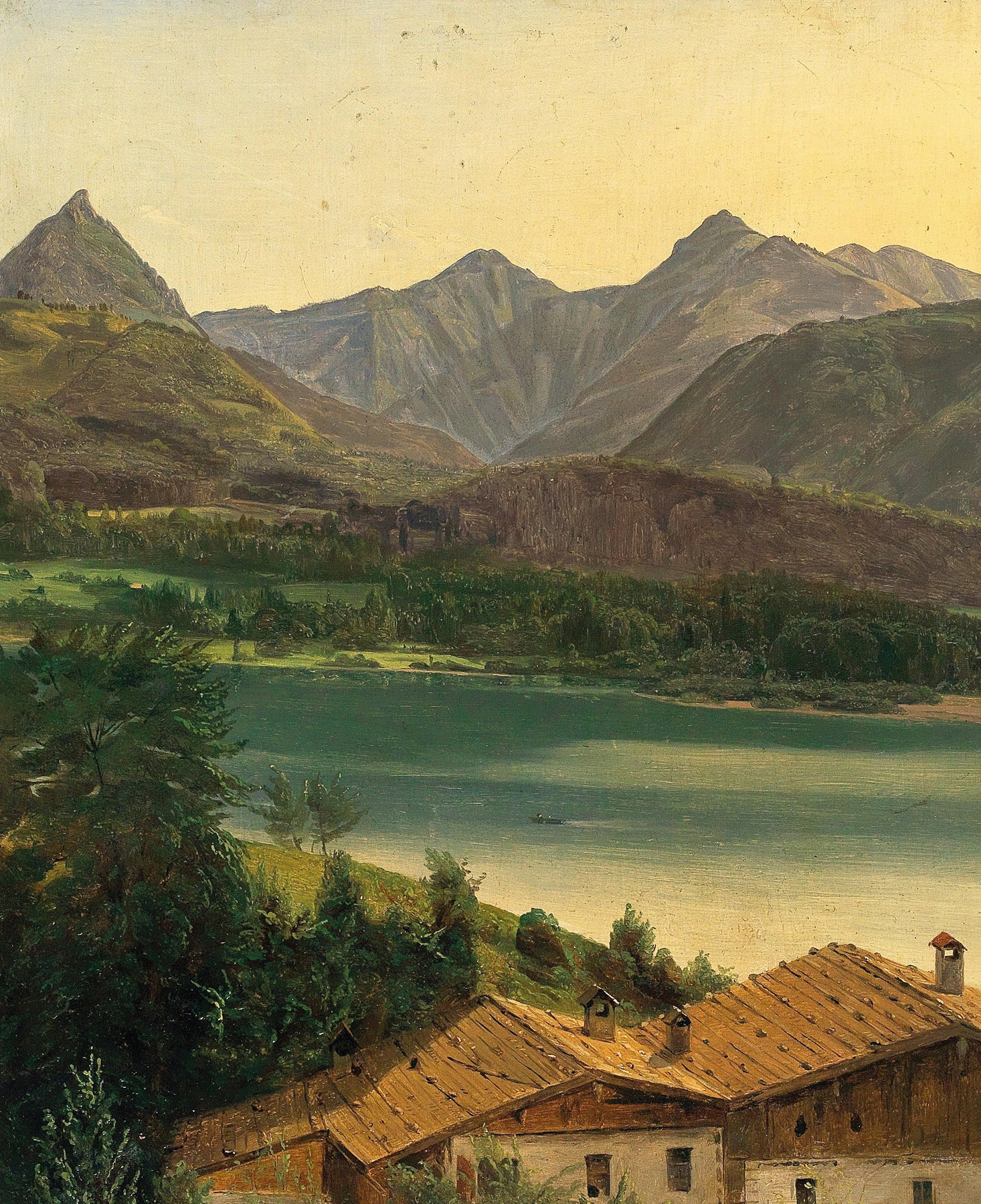
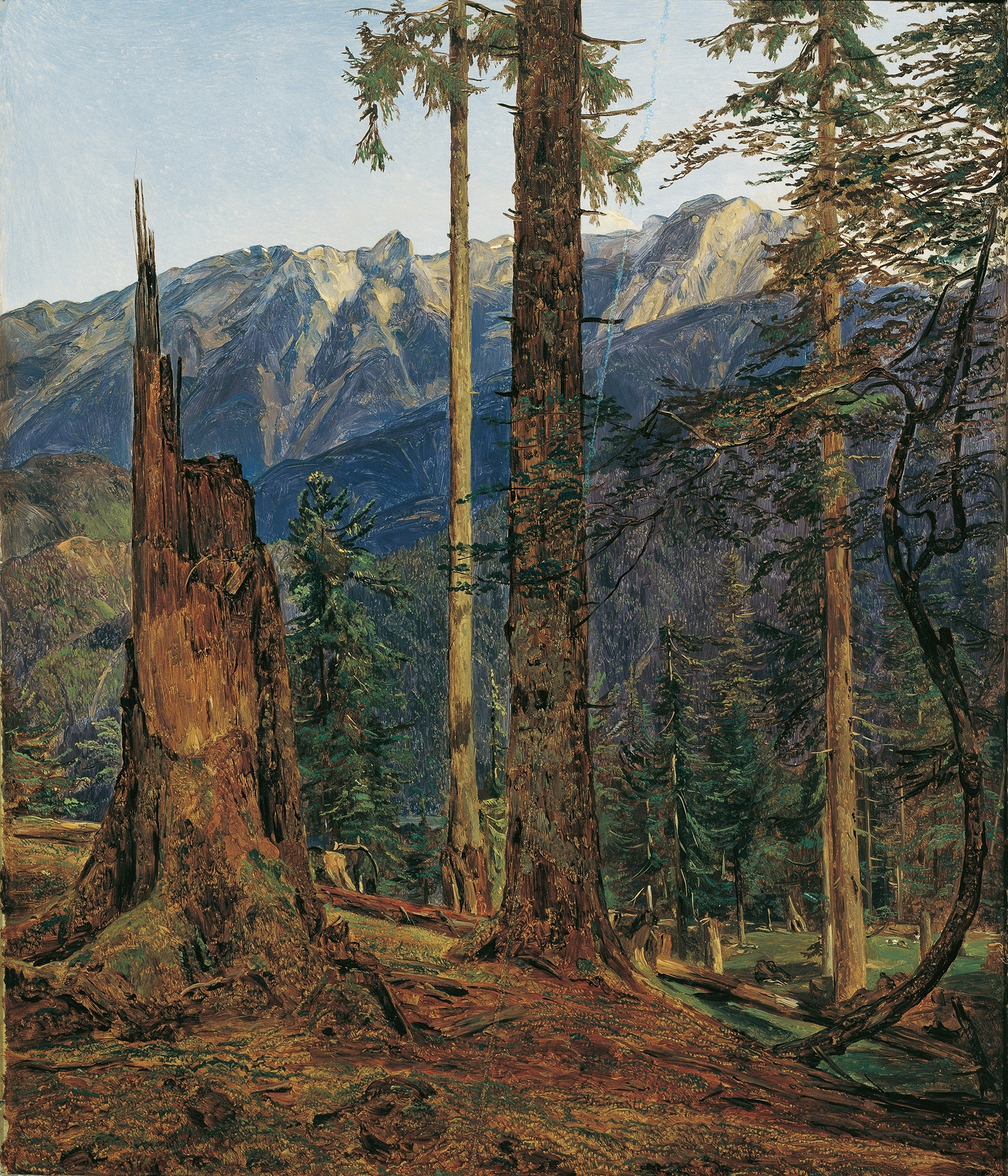
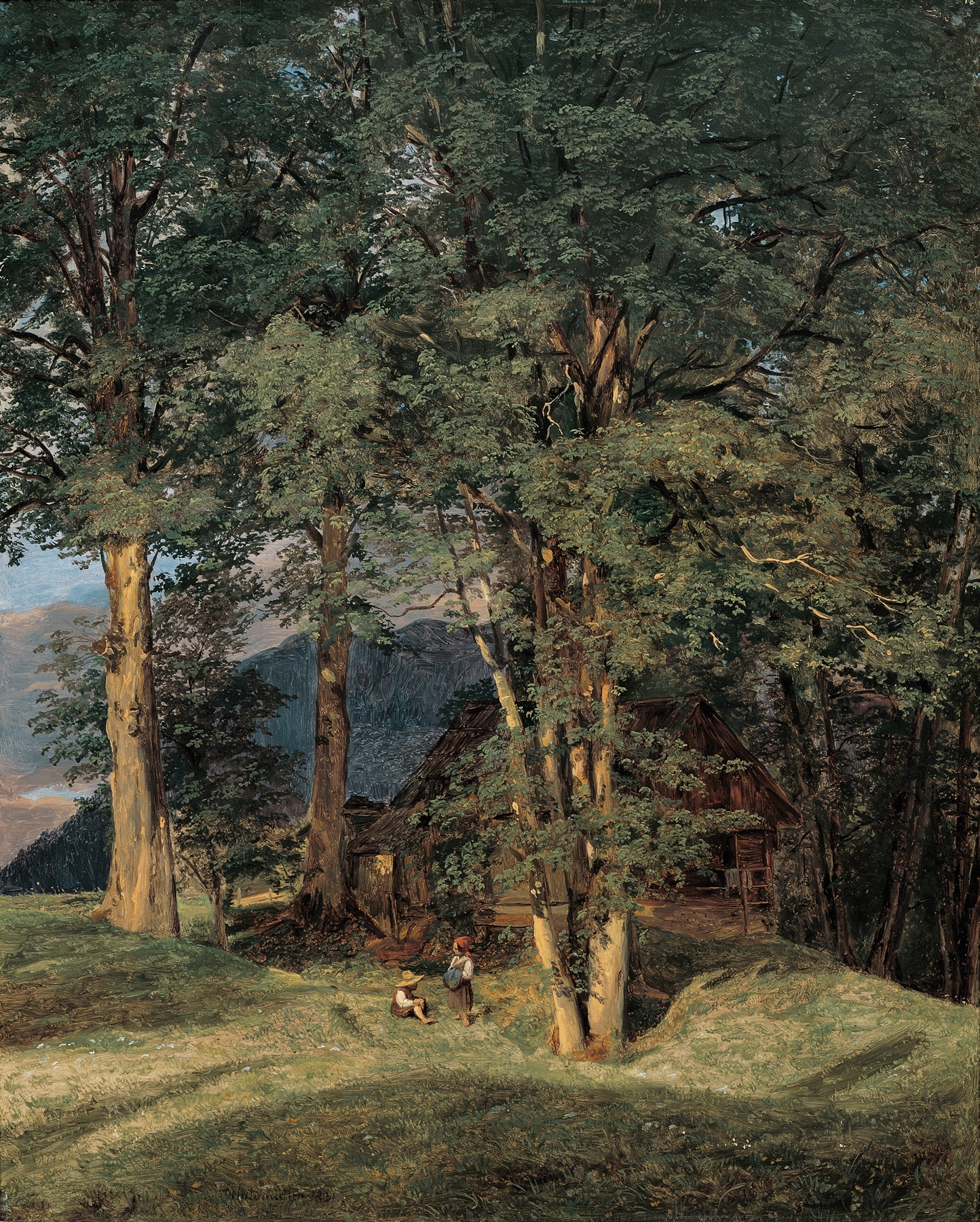
“Art reveals the soul when the world turns away.” In Ahornbäume bei Ischl, illusion takes center stage, as the viewer is beckoned into a serene moment that feels both real and dreamlike. Look to the foreground, where a carpet of golden leaves sprawls beneath the majestic maples. The trees, with their fiery autumn hues, stand tall and proud, their trunks etched with textures that feel almost tactile. Notice how the light filters through the branches, casting gentle shadows that dance across the ground.
The luminous quality of the colors creates a rich interplay between light and shadow, drawing your eye toward the horizon where the distant hills evoke a sense of calm. Delve deeper into the composition, and you’ll find emotional undertones of transience. The vibrant leaves, though full of life, signal the impending winter, suggesting the bittersweet nature of change. This contrast between vitality and decay evokes a poignant reflection on life itself, an invitation to ponder nature's cycles.
The delicate brushwork captures both detail and fluidity, bridging the gap between reality and an ephemeral dream. In 1831, Waldmüller painted this work amidst a burgeoning Romantic movement that celebrated nature and individual experience. Living in Vienna, he was influenced by the changing tides of art, incorporating both realism and emotional depth in his depictions. This piece reflects his mastery of light and atmosphere during a period when artists sought to connect with viewers on a profound level, capturing life's fleeting moments.