Wildbad Gastein (The Wildbad Gastein Falls) — History & Analysis
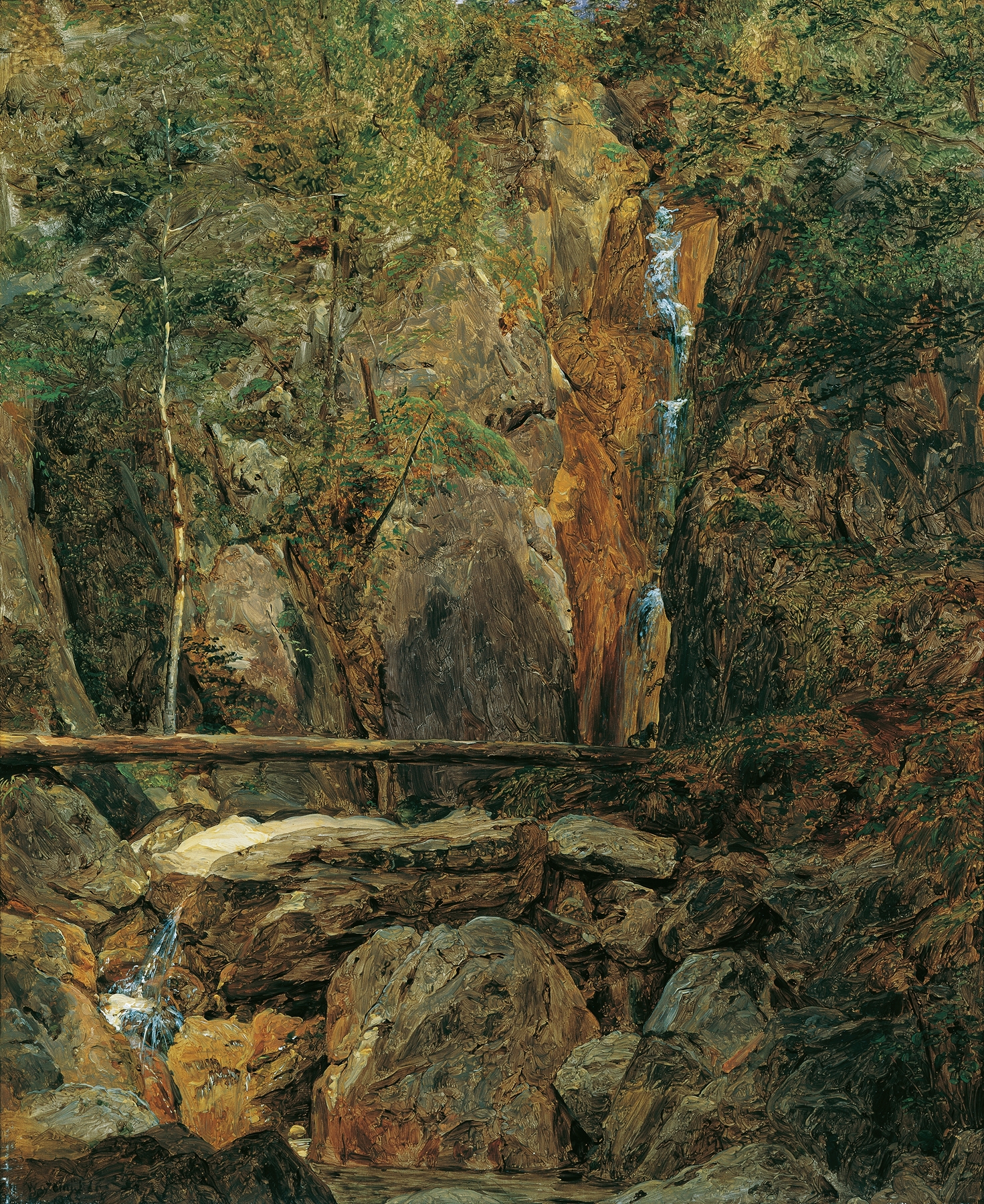
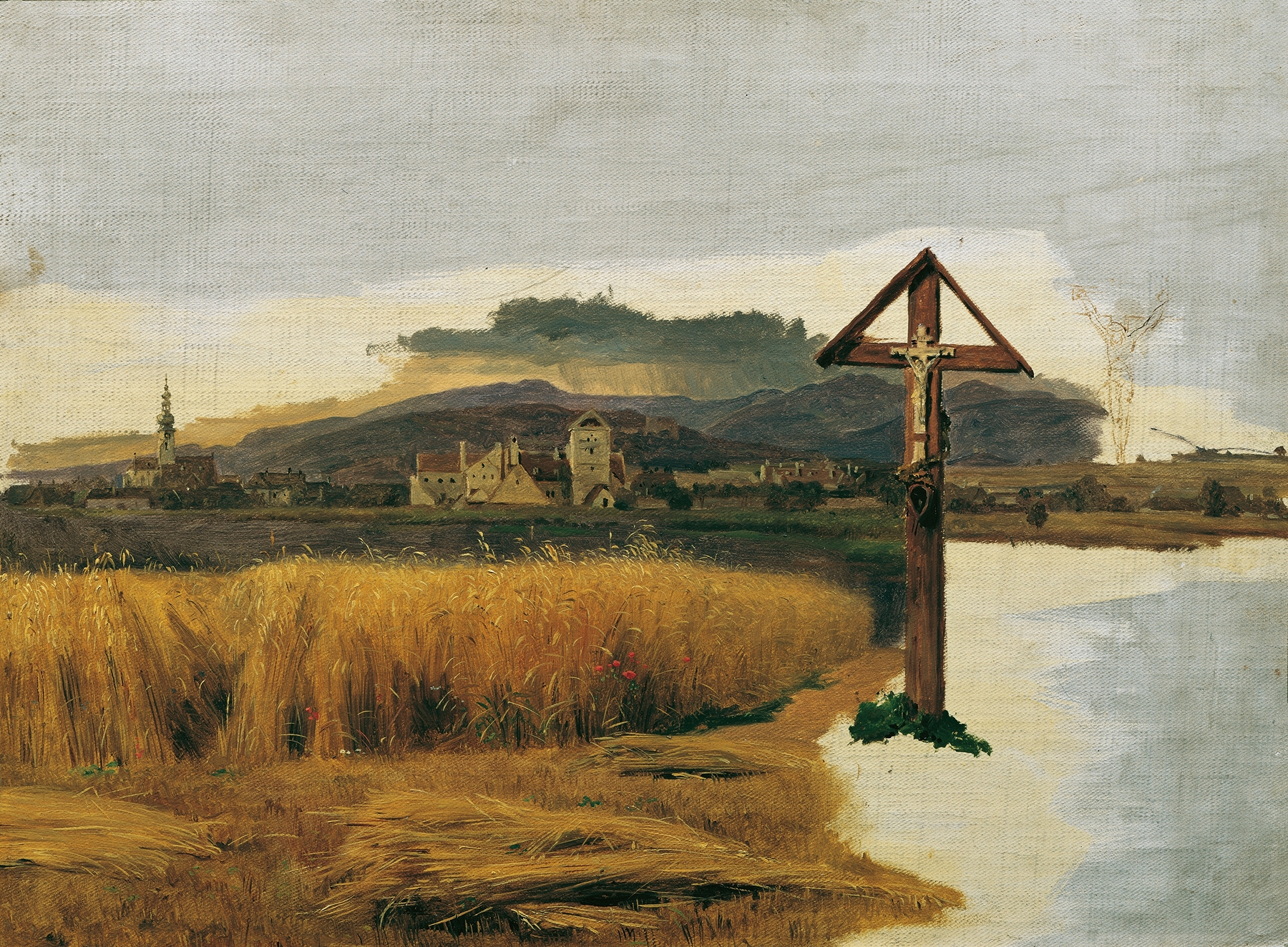
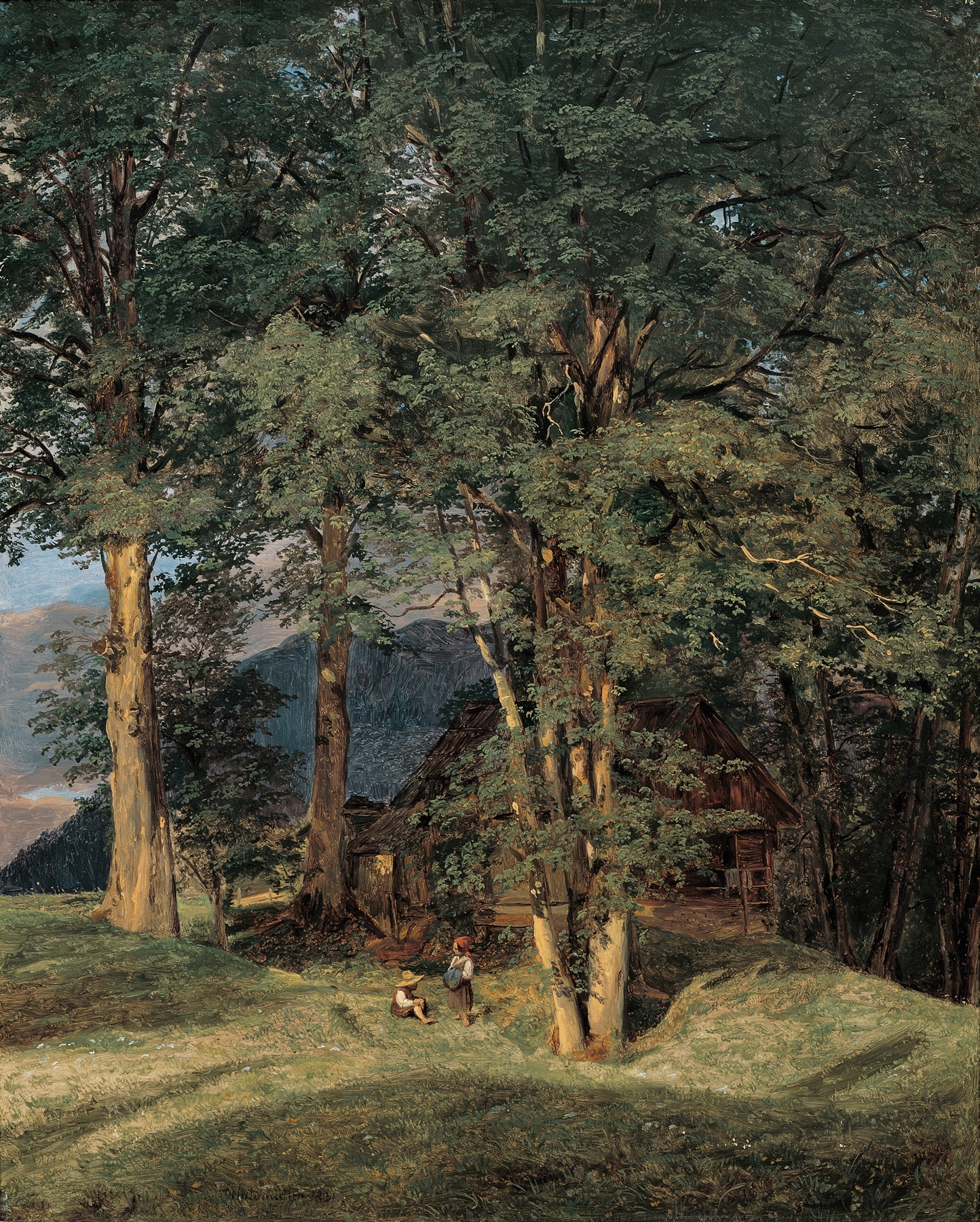
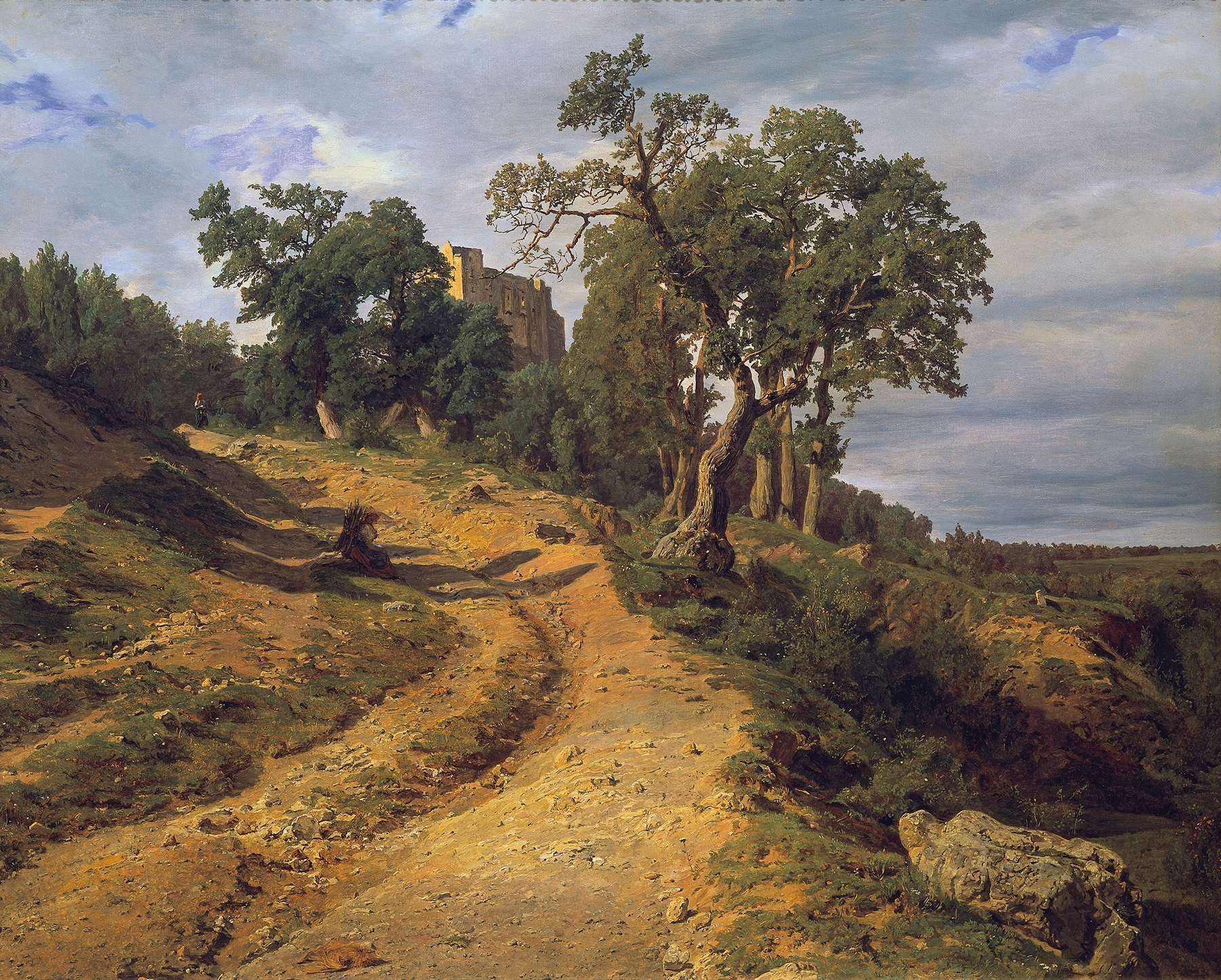
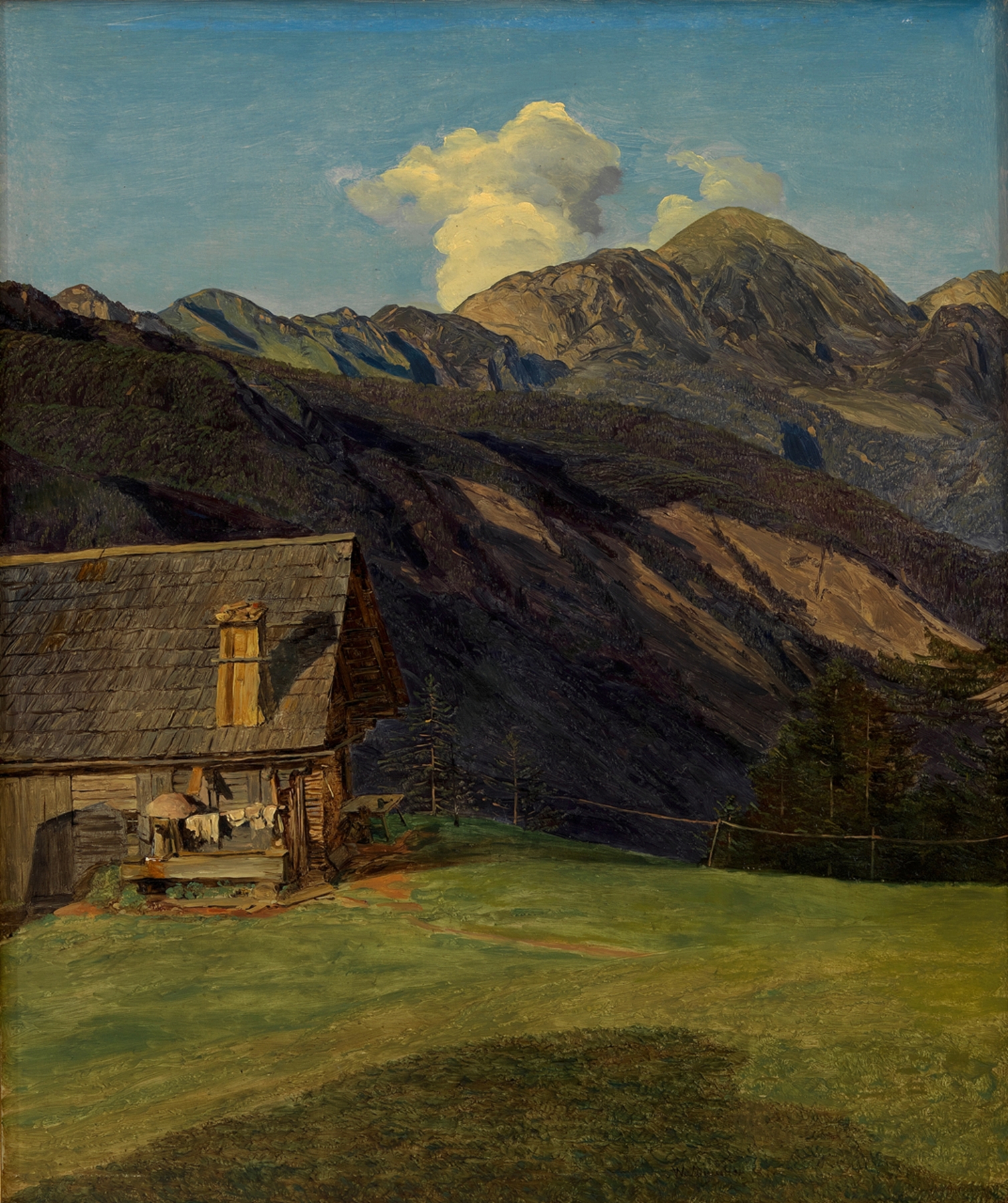
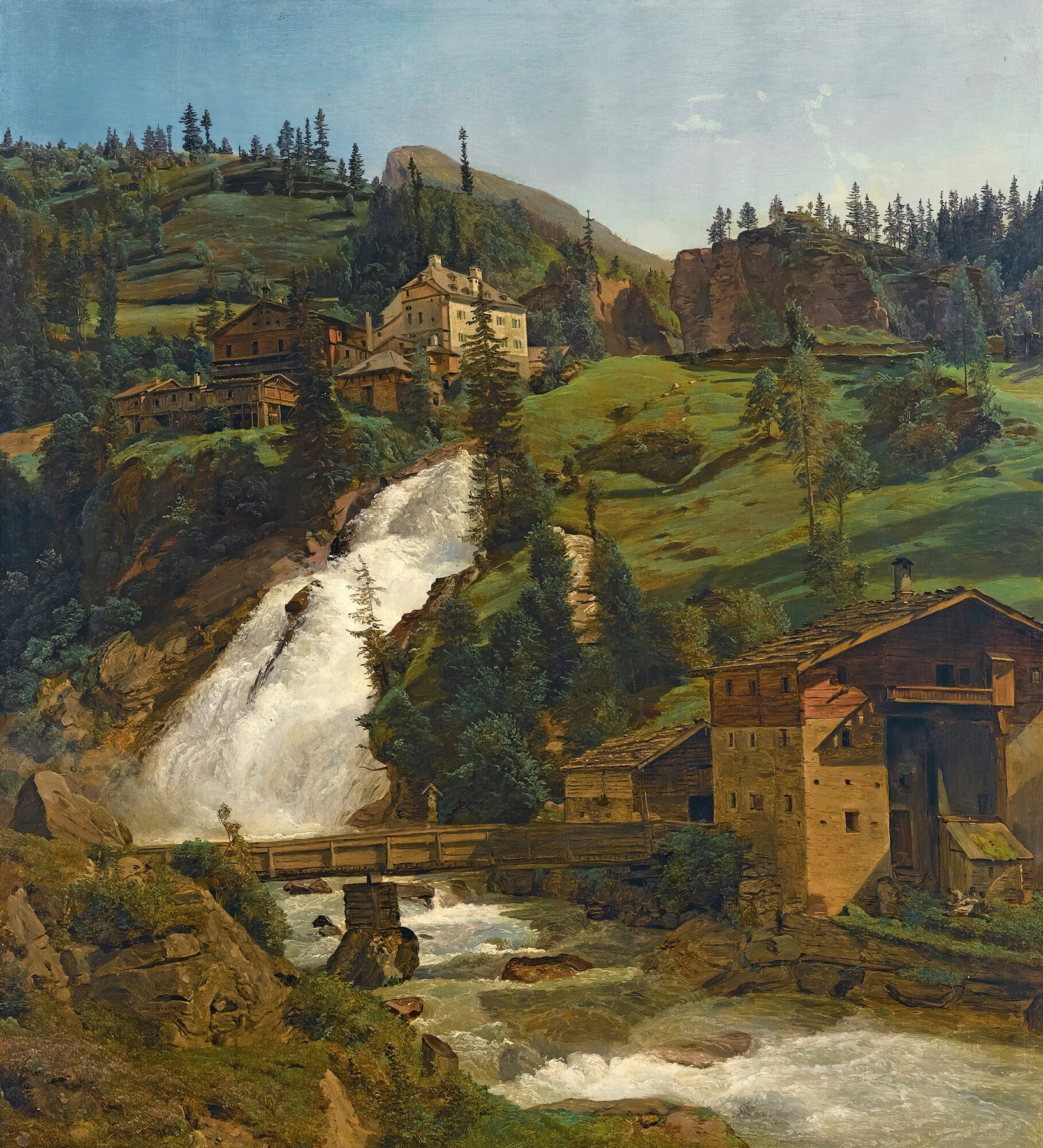
“Sometimes beauty is just pain, disguised in gold.” This reflection weaves through the heart of Wildbad Gastein, a work that entices the viewer with its lush scenery while hinting at deeper currents beneath the surface. Look to the foreground where cascades of water tumble down jagged rocks, their frothy edges catching the light like shards of glass. The artist employs a vibrant palette of greens and blues, inviting you to lose yourself in the richness of nature. Notice how the sunlight plays upon the water’s surface, creating a shimmering dance that draws the eye to the tranquil pool below, while the surrounding foliage swathes the scene in an embrace of life.
Yet, hidden within this idyllic composition lies a tension between tranquility and tumult. The force of the waterfall, relentless and powerful, hints at nature’s duality—its ability to both nurture and devastate. The stillness of the pool contrasts sharply with the rushing water, echoing the unpredictable flow of emotions. This juxtaposition invites contemplation on how beauty can mask chaos, reflecting the complexities of life itself.
Painted in 1837, the artist was immersed in a time when Romanticism was taking hold in Europe, a movement that championed emotion and nature. Waldmüller was living in Vienna, grappling with the shift in artistic paradigms and striving to portray the natural world with both accuracy and sentiment. The creation of Wildbad Gastein represents not just a scenic view, but an exploration of the deeper emotional landscapes that nature embodies, even during a time of rapid change.