Die Traun bei Ischl — History & Analysis
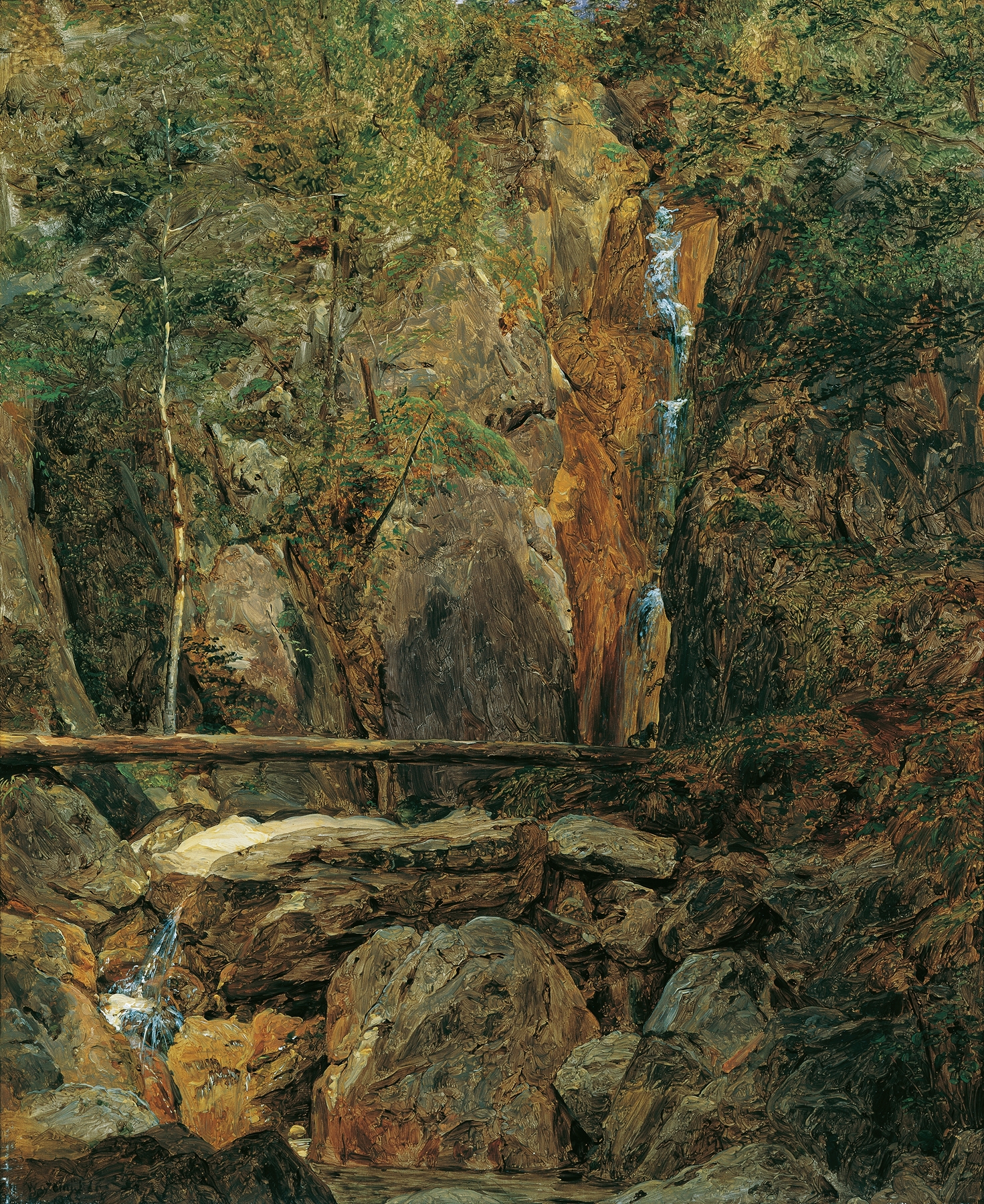
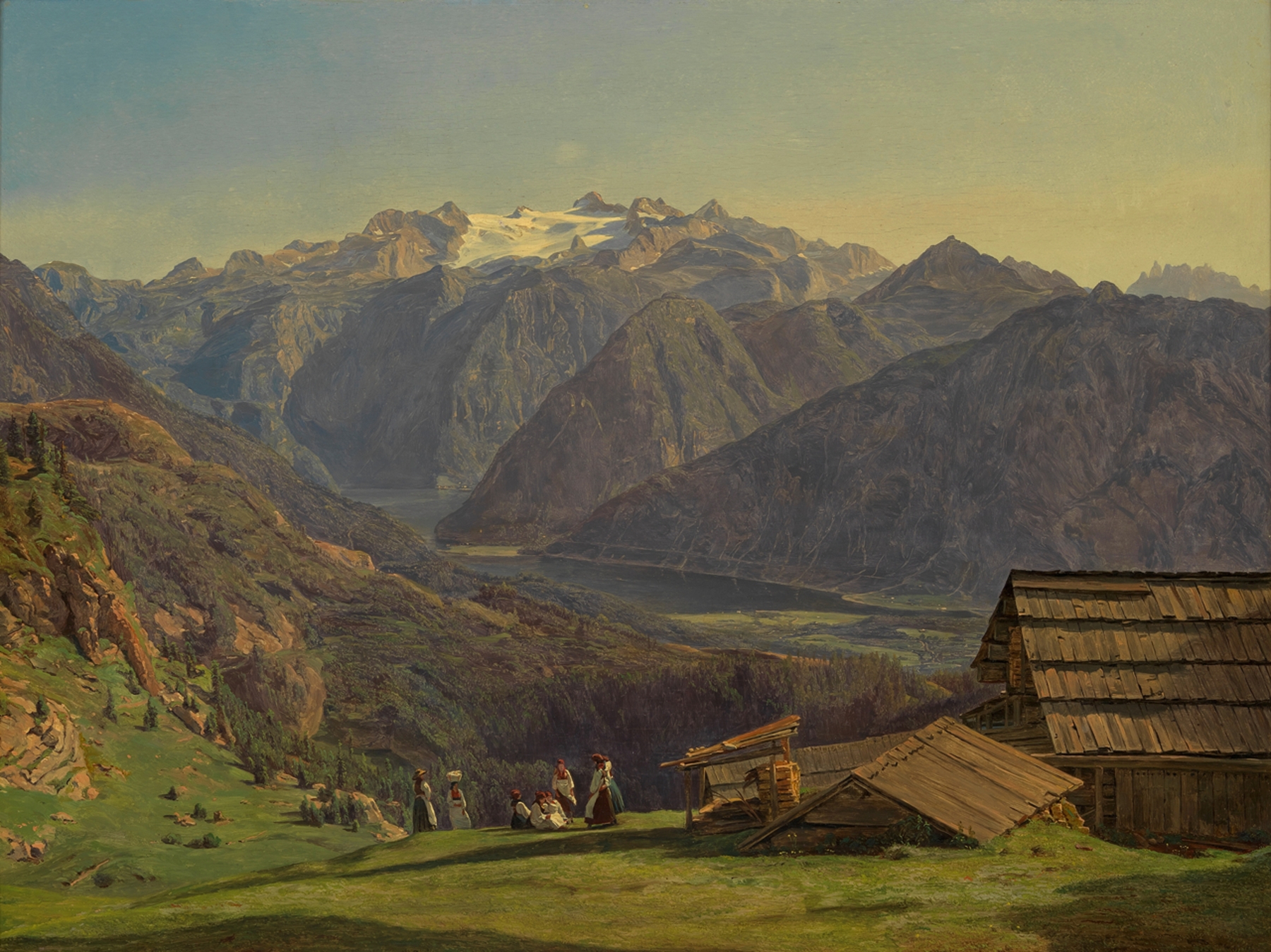
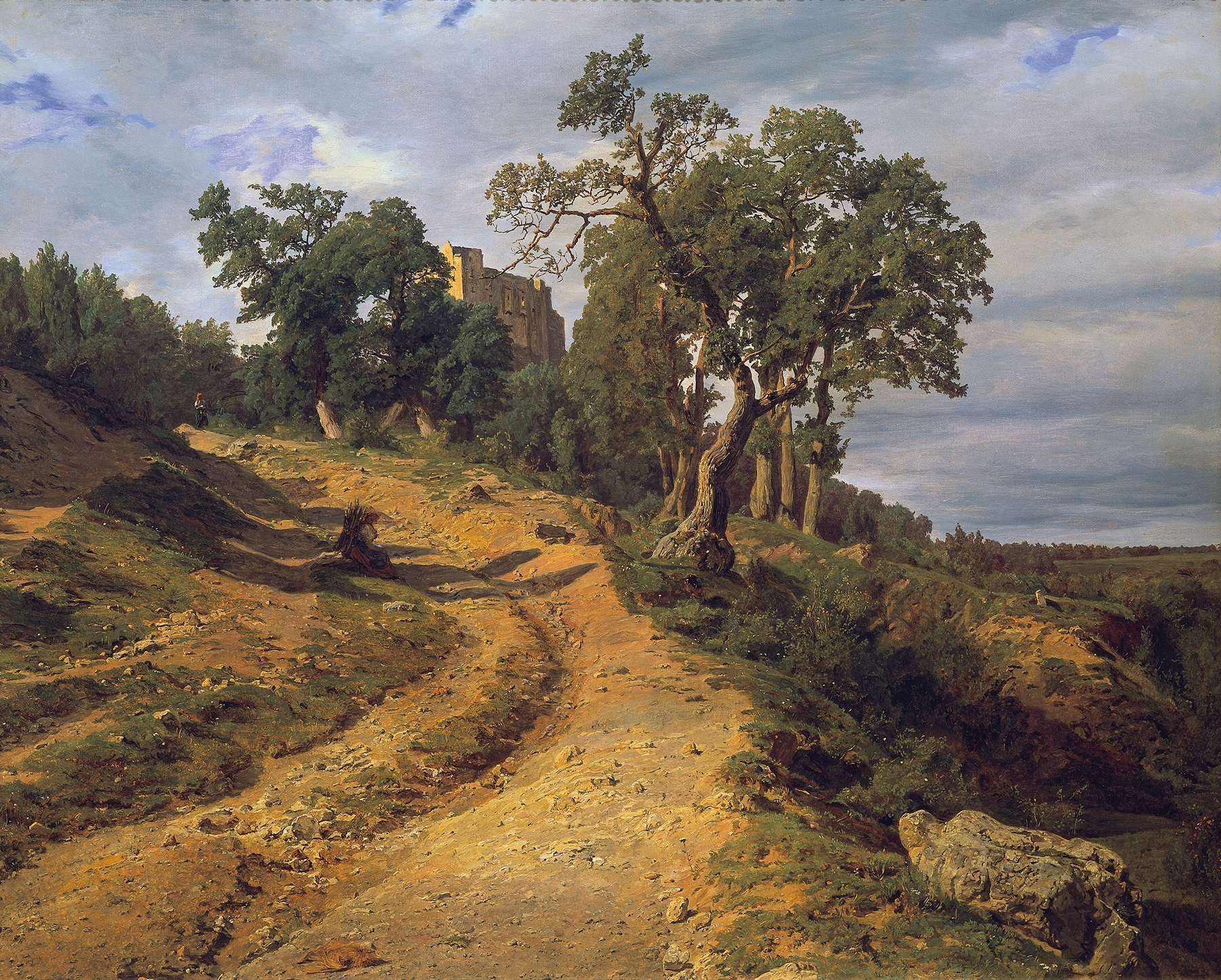
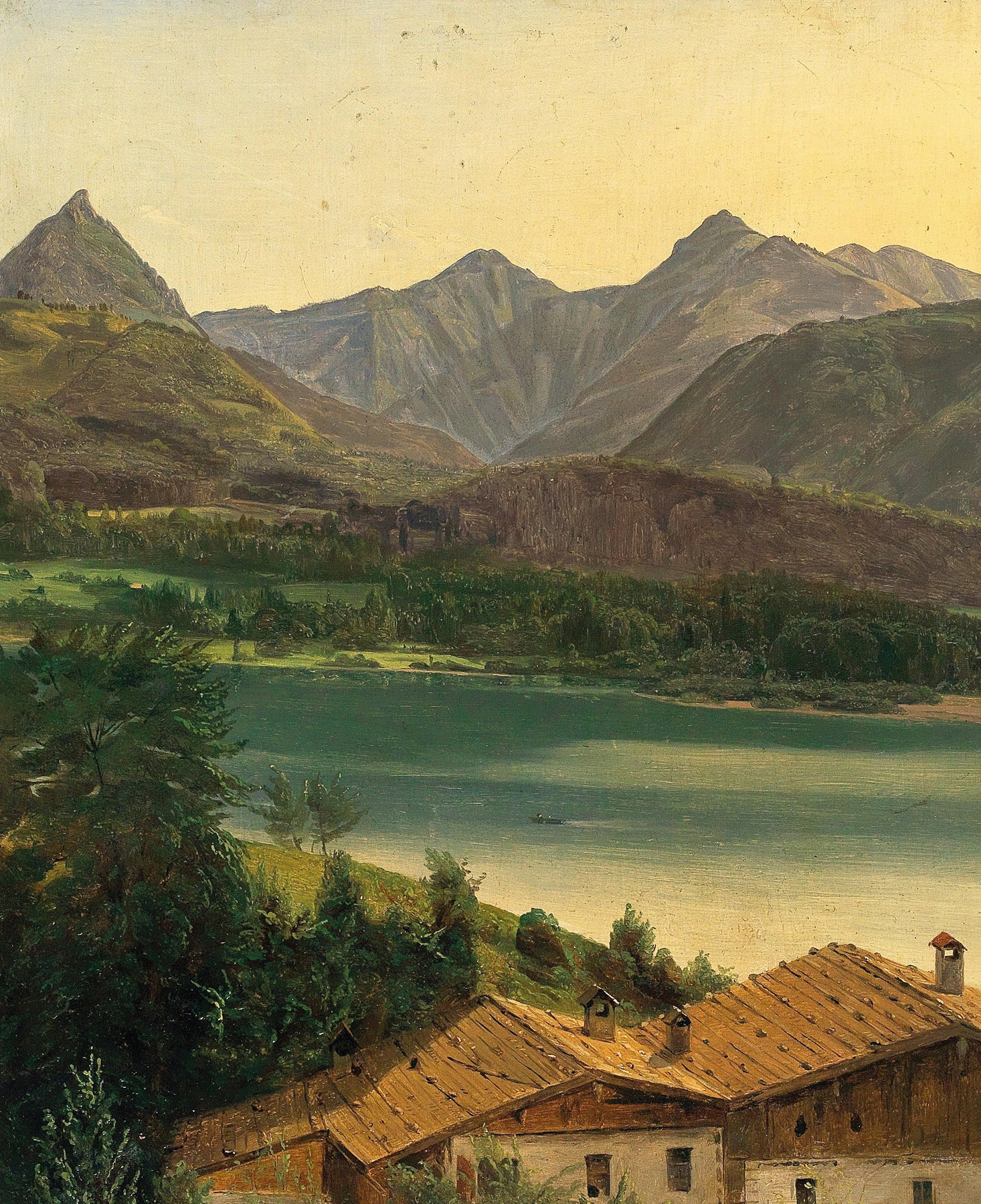
When did color learn to lie? In a world painted by truth, the vibrancy of hues can either uplift or deceive. In Die Traun bei Ischl, hope dances along the banks of the river, whispering promises of renewal and tranquility. Look to the left of the canvas, where the serene river glistens under a tender embrace of sunlight. The water reflects soft blues and gentle greens, inviting the viewer to trace the winding flow towards the horizon.
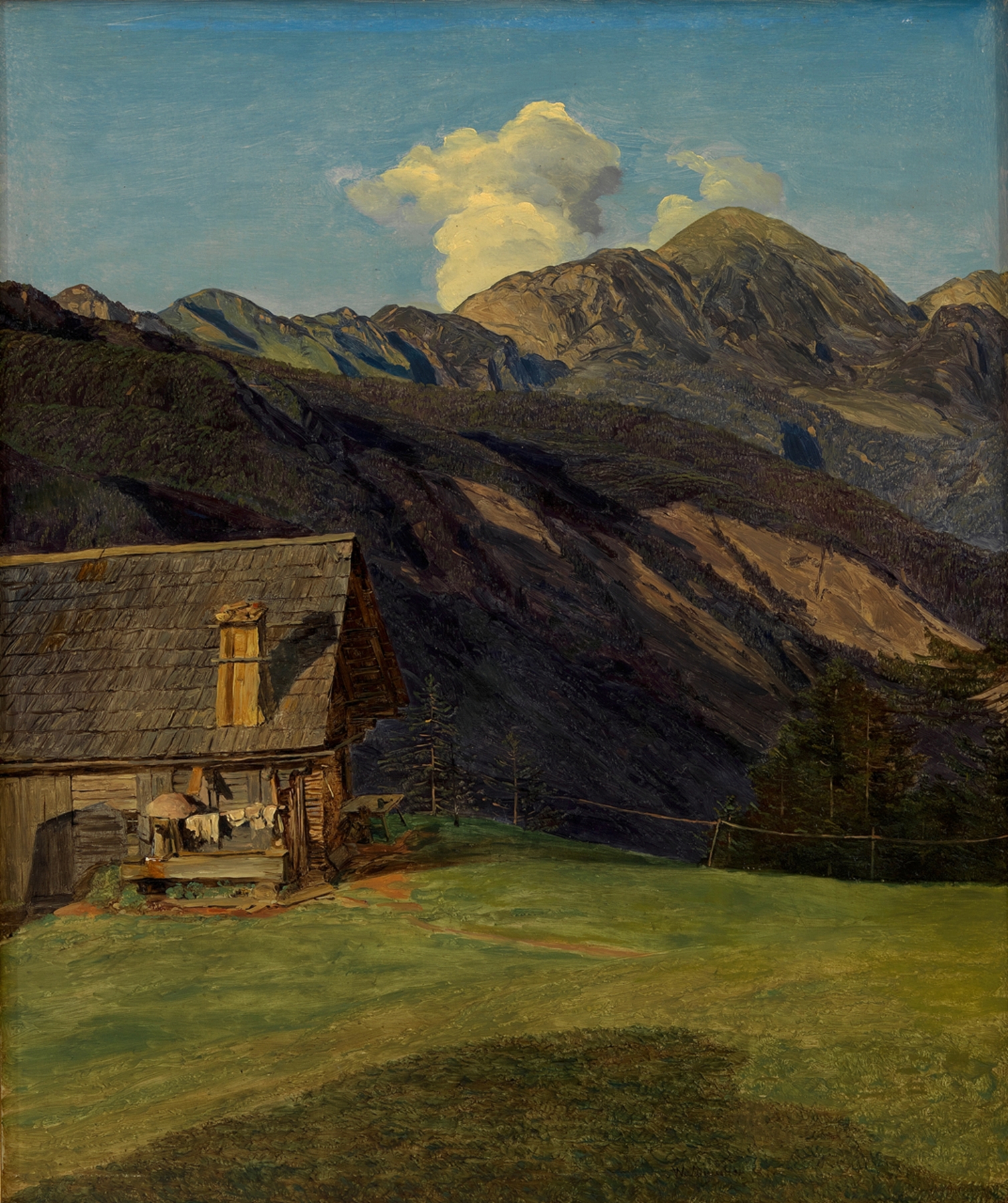
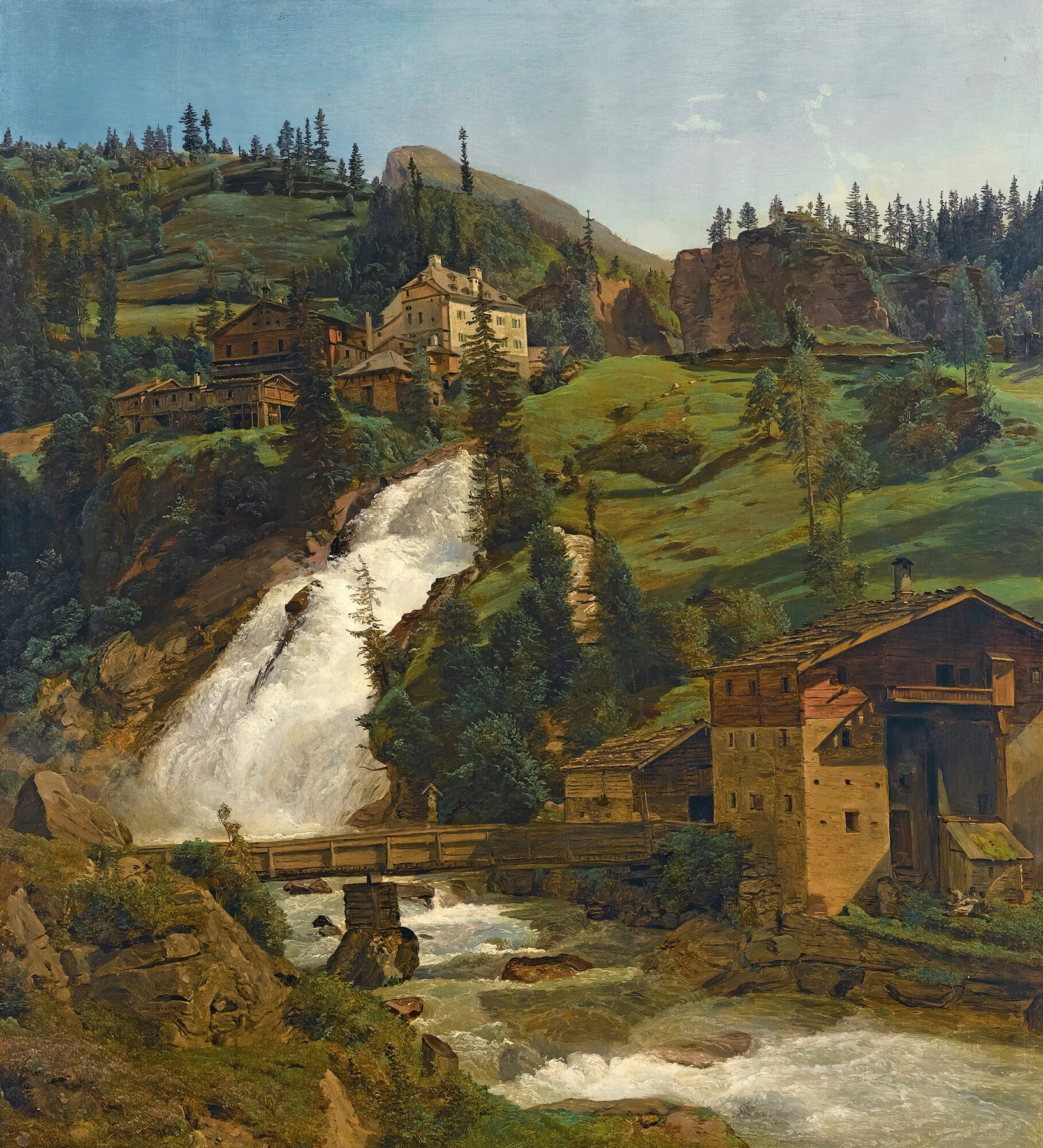
Notice how the delicate strokes of the artist create an ethereal quality, with dappled light filtering through lush foliage. This composition inspires a sense of balance, as the river serves as both a literal and metaphorical pathway. Yet, beneath this serene surface lies an emotional depth. The contrast between the tranquil water and the towering, jagged mountains hints at a struggle between calm and chaos. The subtle play of light and shadow evokes both optimism and unease, suggesting the duality of nature's beauty and the challenges it can encompass.
These elements remind us that even in moments of peace, the complexities of life persist. Ferdinand Georg Waldmüller completed this work in 1835, during a period of artistic introspection and shift in the Austrian landscape. Working at a time when Romanticism was prevalent, he sought to convey not only the picturesque but also the emotional and spiritual connections to nature. As he depicted this tranquil scene, Waldmüller was navigating his own path through personal turmoil and the evolving art world, striving to capture the essence of hope amid change.