Dode haas en vogels met een jachthond — History & Analysis
“Every silence here is a confession.” In Dode haas en vogels met een jachthond, light becomes a silent witness to the interplay of life and death, capturing the fleeting moment where nature’s stillness meets human intent. Look to the left at the intricately detailed hare, its lifeless form draped across the ground. The delicate play of light highlights every fur texture, contrasting it against the shadowy undertones of the surrounding foliage. Focus on the jachthond—a hunting dog—at the center, poised and alert, brimming with an unspoken energy.
The muted palette of earth tones, punctuated by occasional vibrant greens and browns, reveals the artist's intent to evoke both the beauty and brutality inherent in the hunt. There’s an emotional tension woven through the composition, where the stillness of the fallen creatures contrasts sharply with the dynamic potential of the dog, caught in a moment of anticipation. The subtle curve of the hare's body implies a finality that resonates with the viewer, while the dog’s posture—tense yet expectant—hints at the primal instinct that drives the hunt. The light, as it dances across these forms, serves as a haunting reminder of the cycle of life, reflecting both the glory and the sorrow of nature.
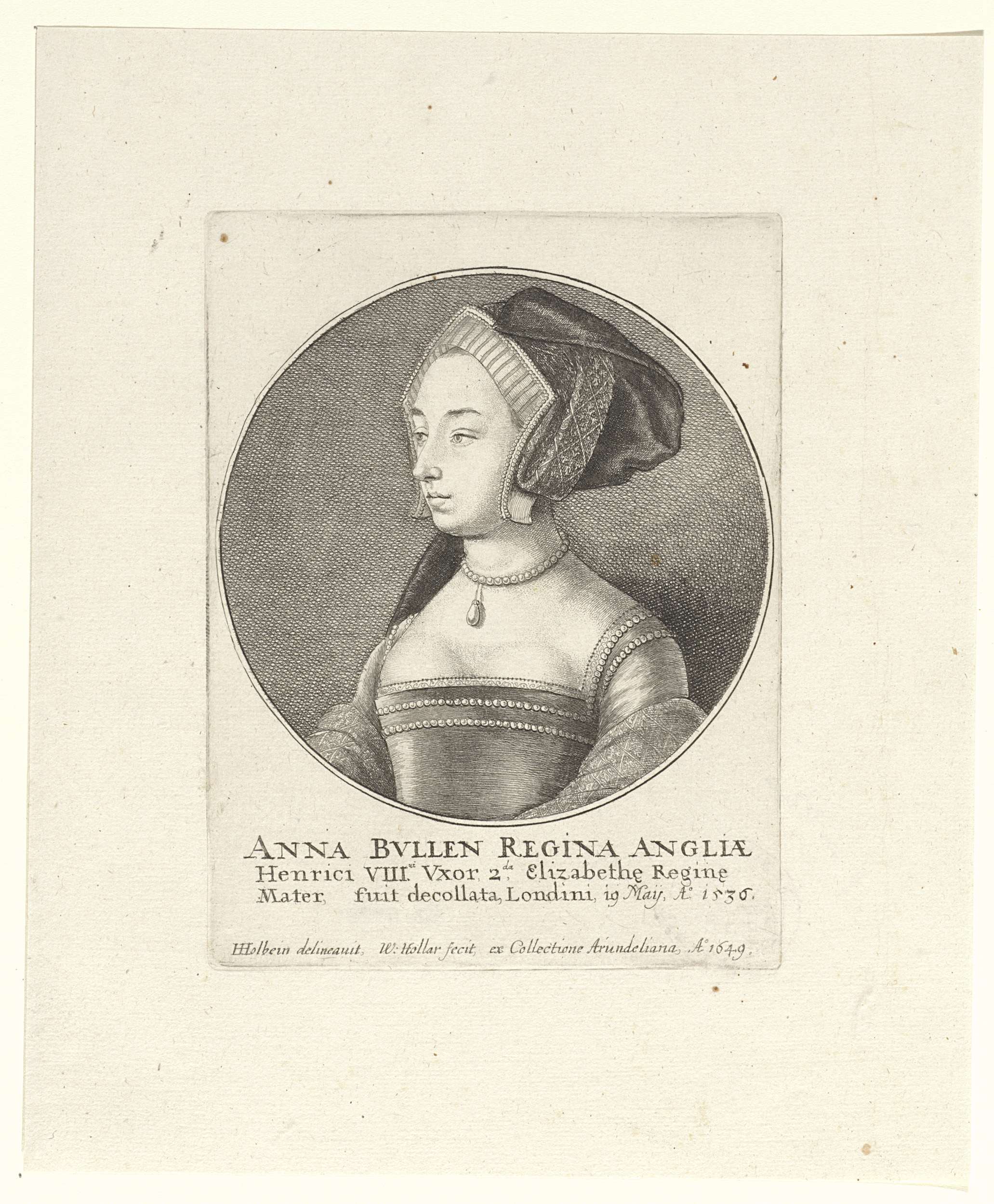
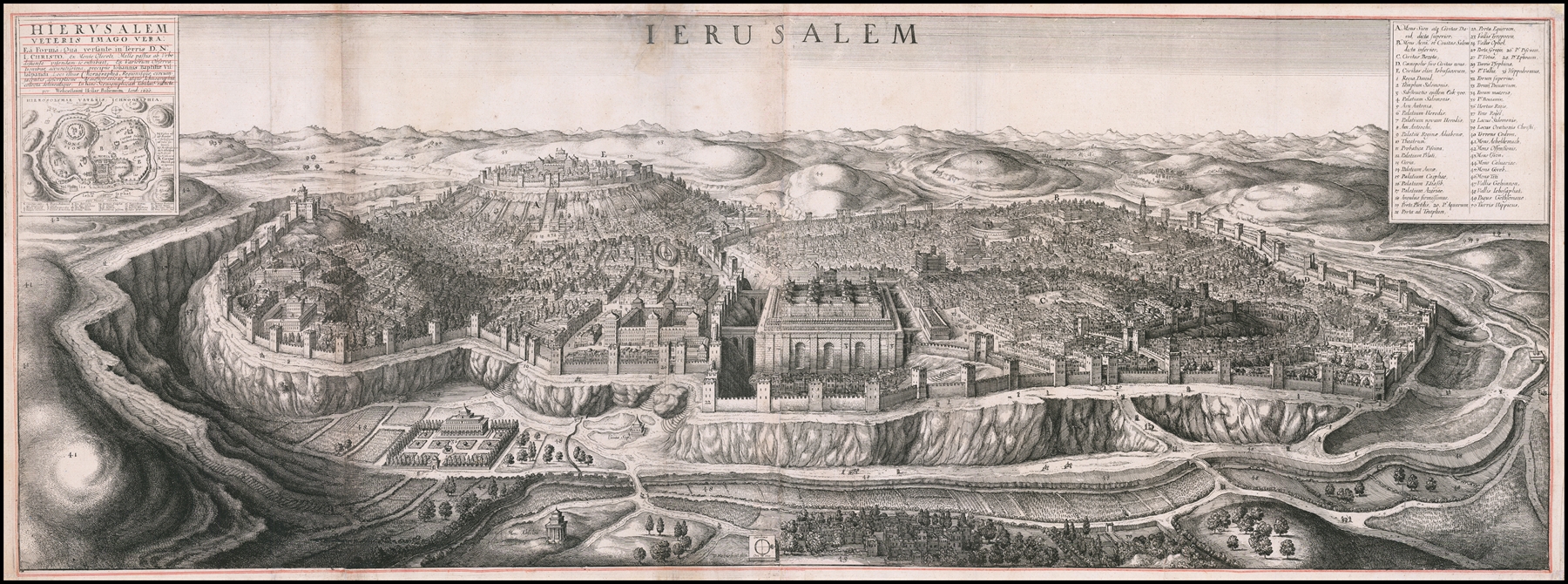
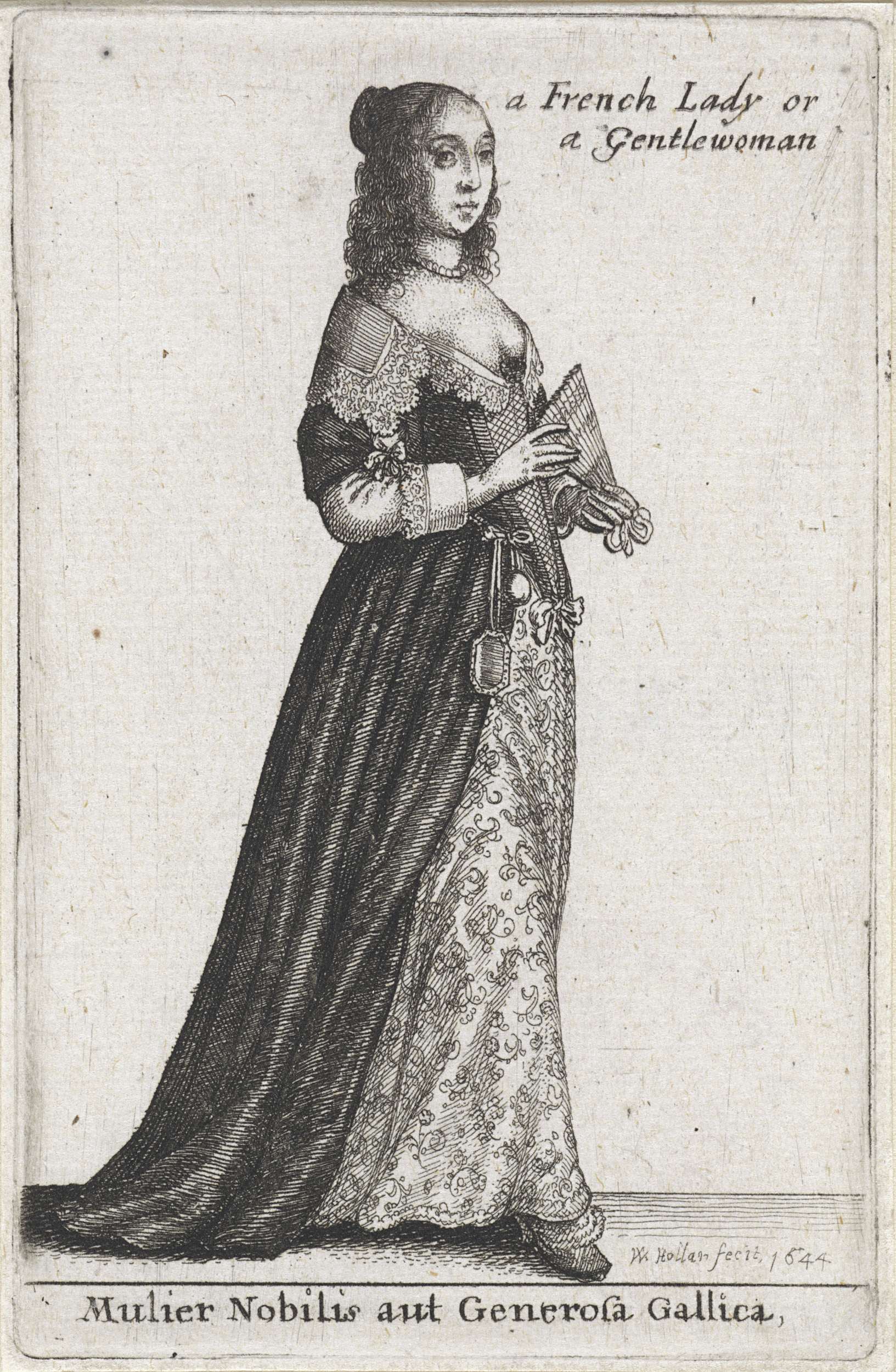
Wenceslaus Hollar created this work in 1649 while living in the Netherlands, a period marked by his exploration of printmaking and detailed natural studies. During this time, the art world was buzzing with the baroque style, emphasizing dramatic light and shadow. Hollar's journey through Europe led him to capture the rich textures and complexities found in everyday life, revealing a deep engagement with both his subject matter and the changing tides of art around him.