Church of the Holy Cross in Warsaw — History & Analysis
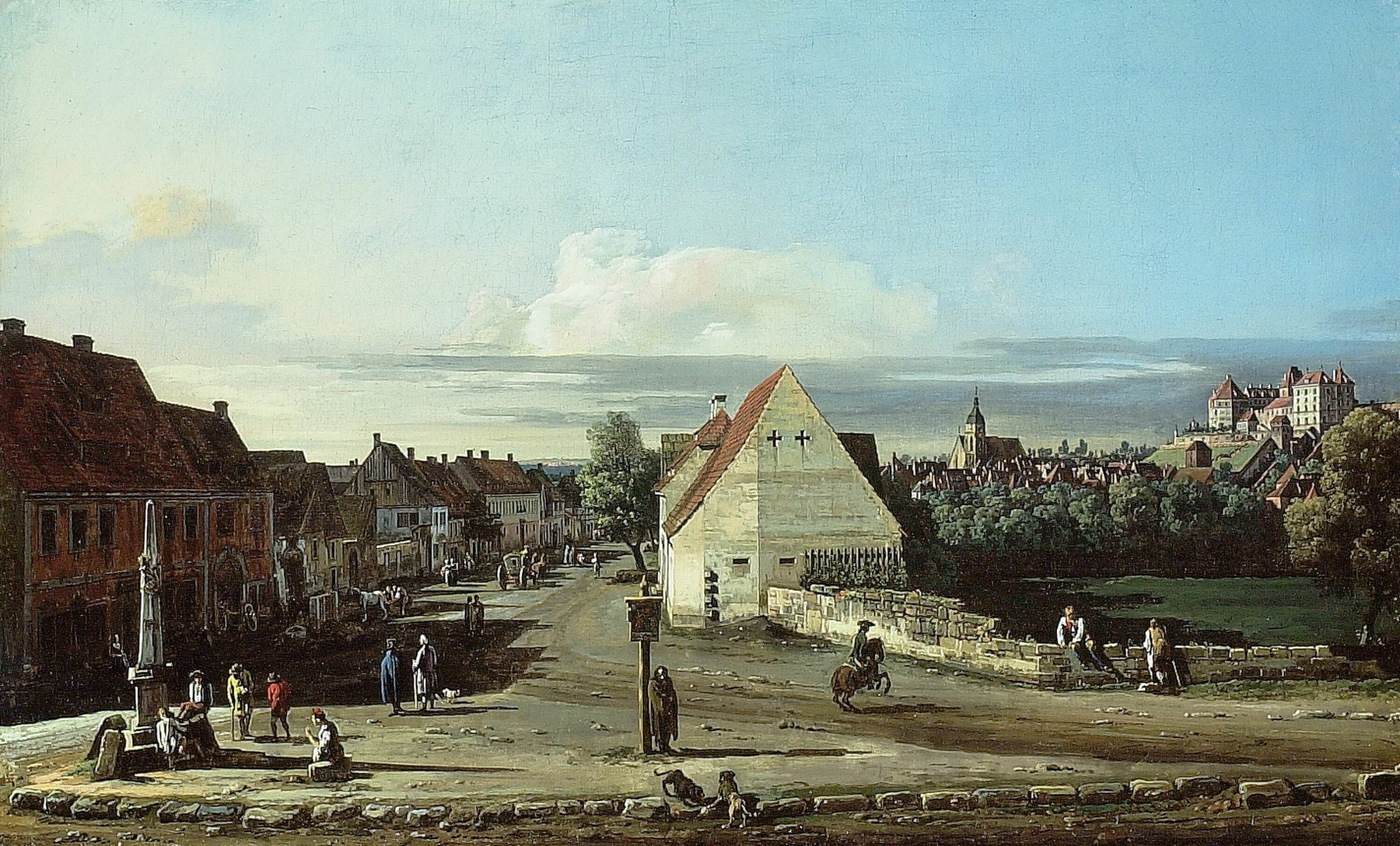
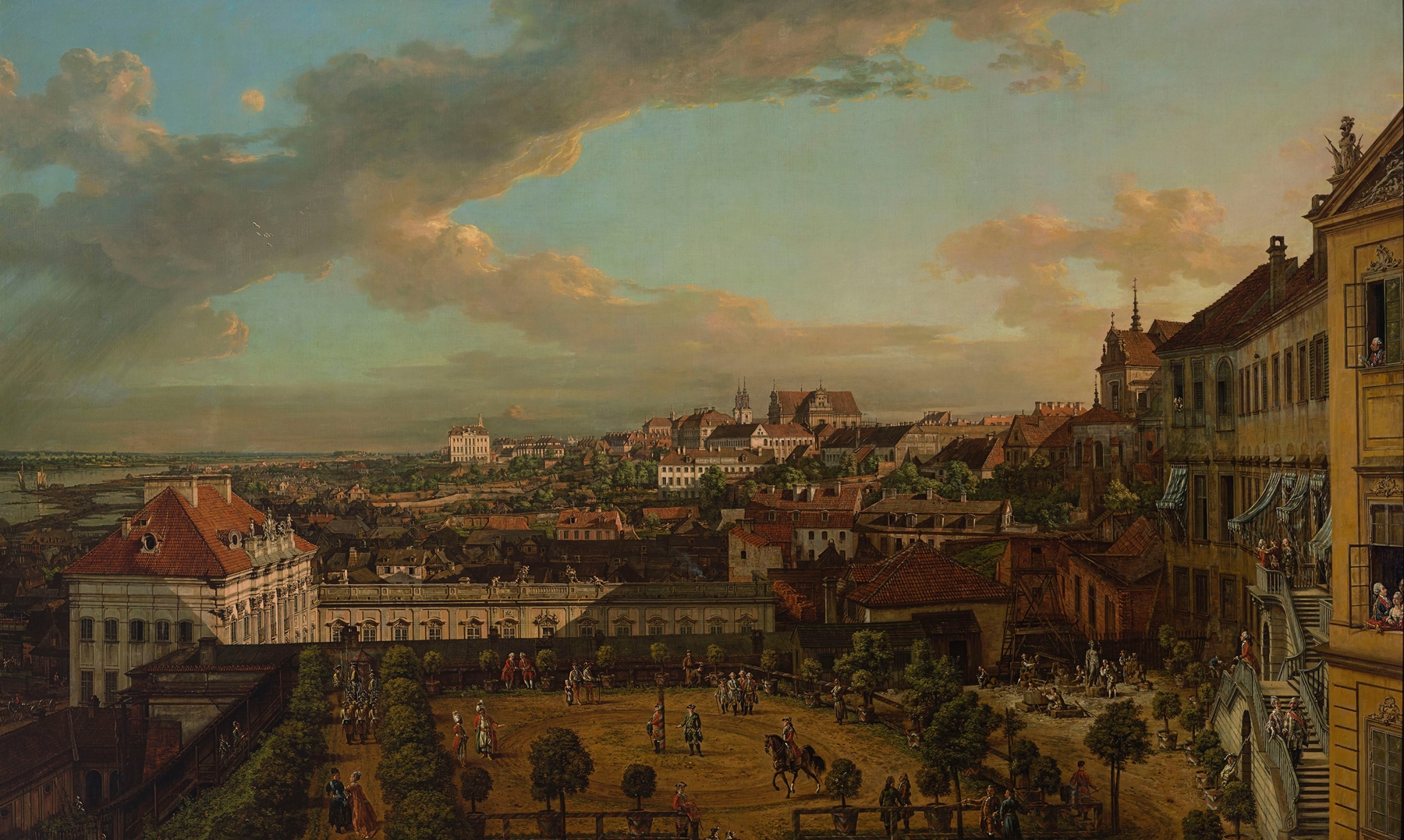
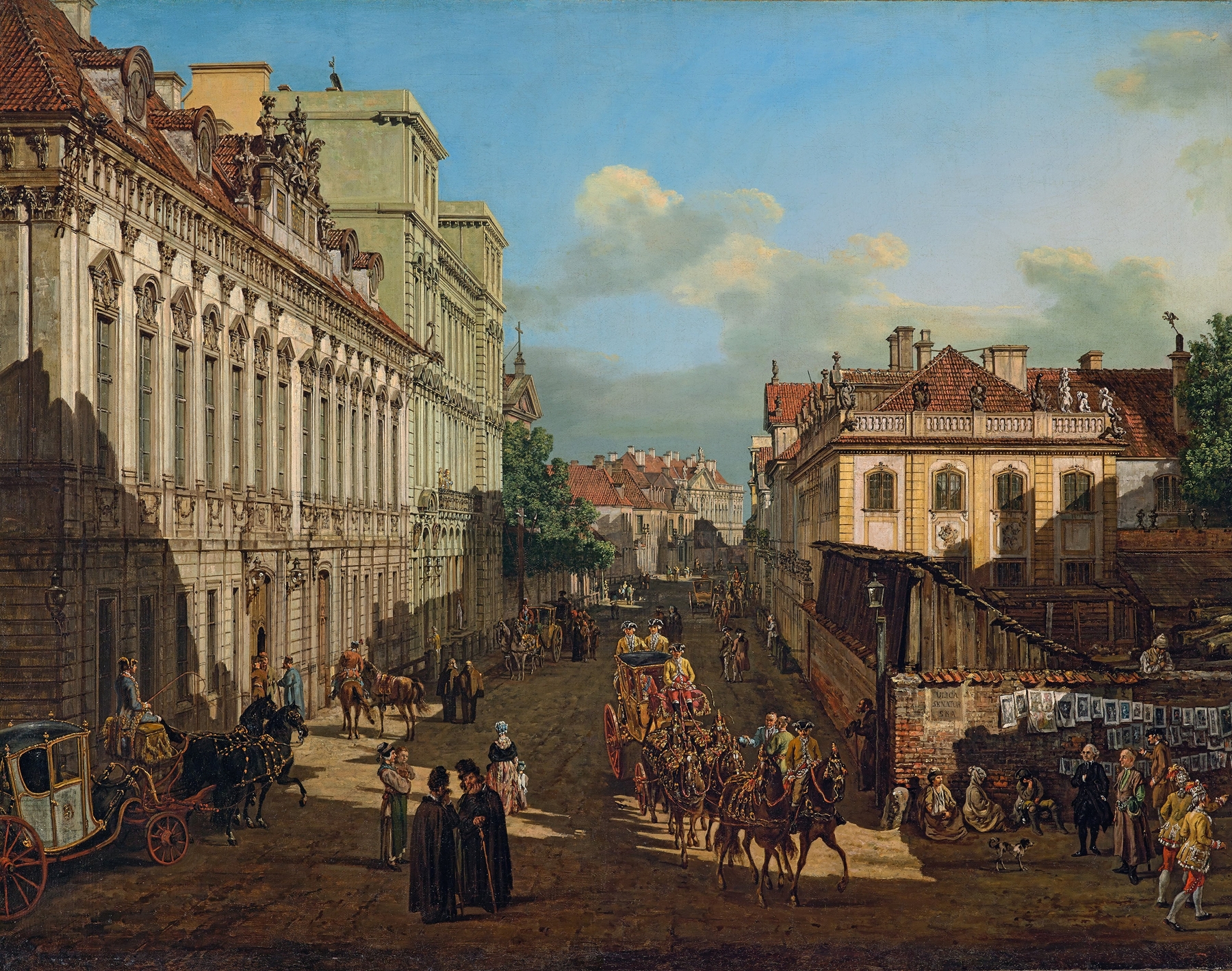
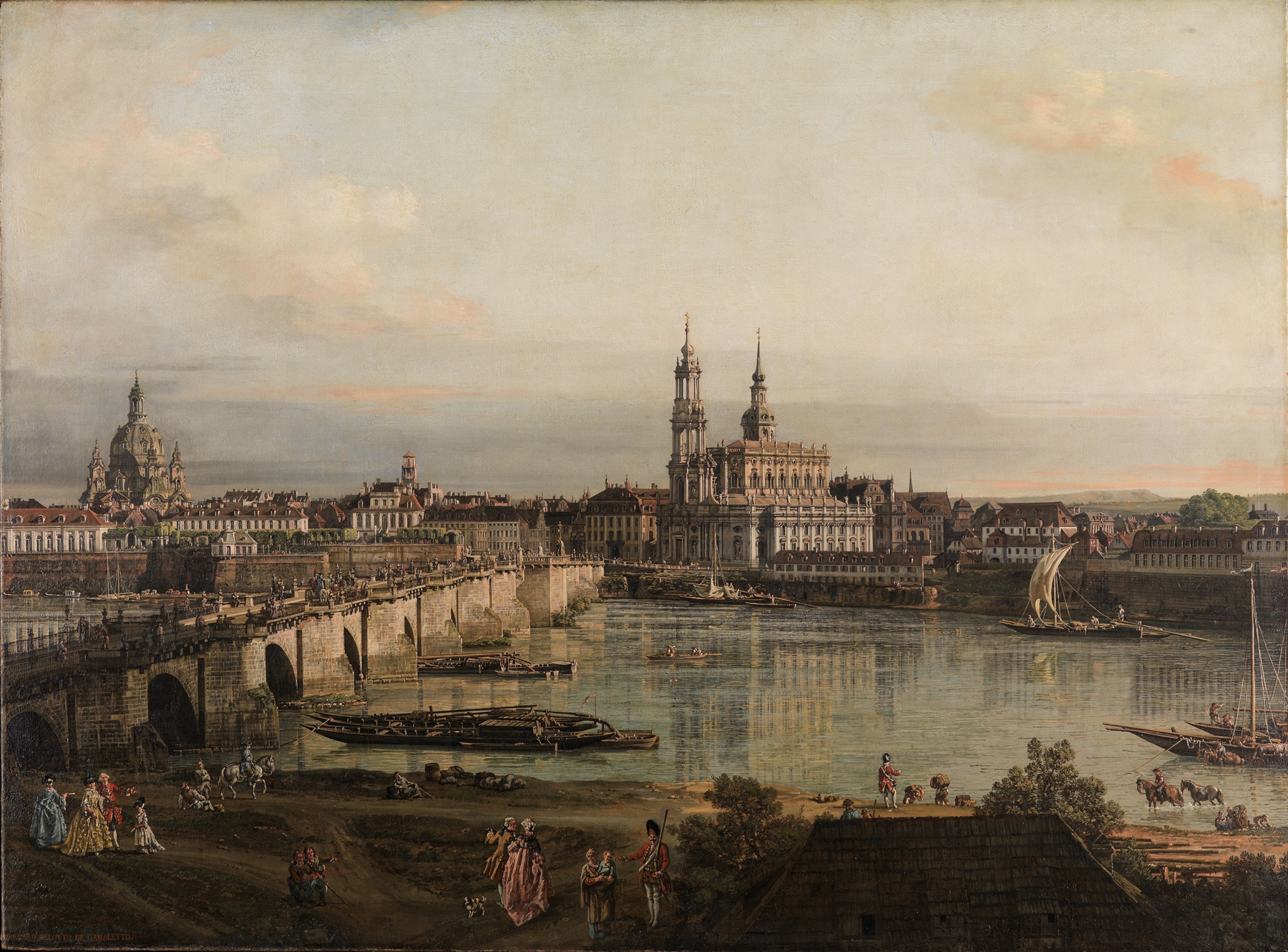
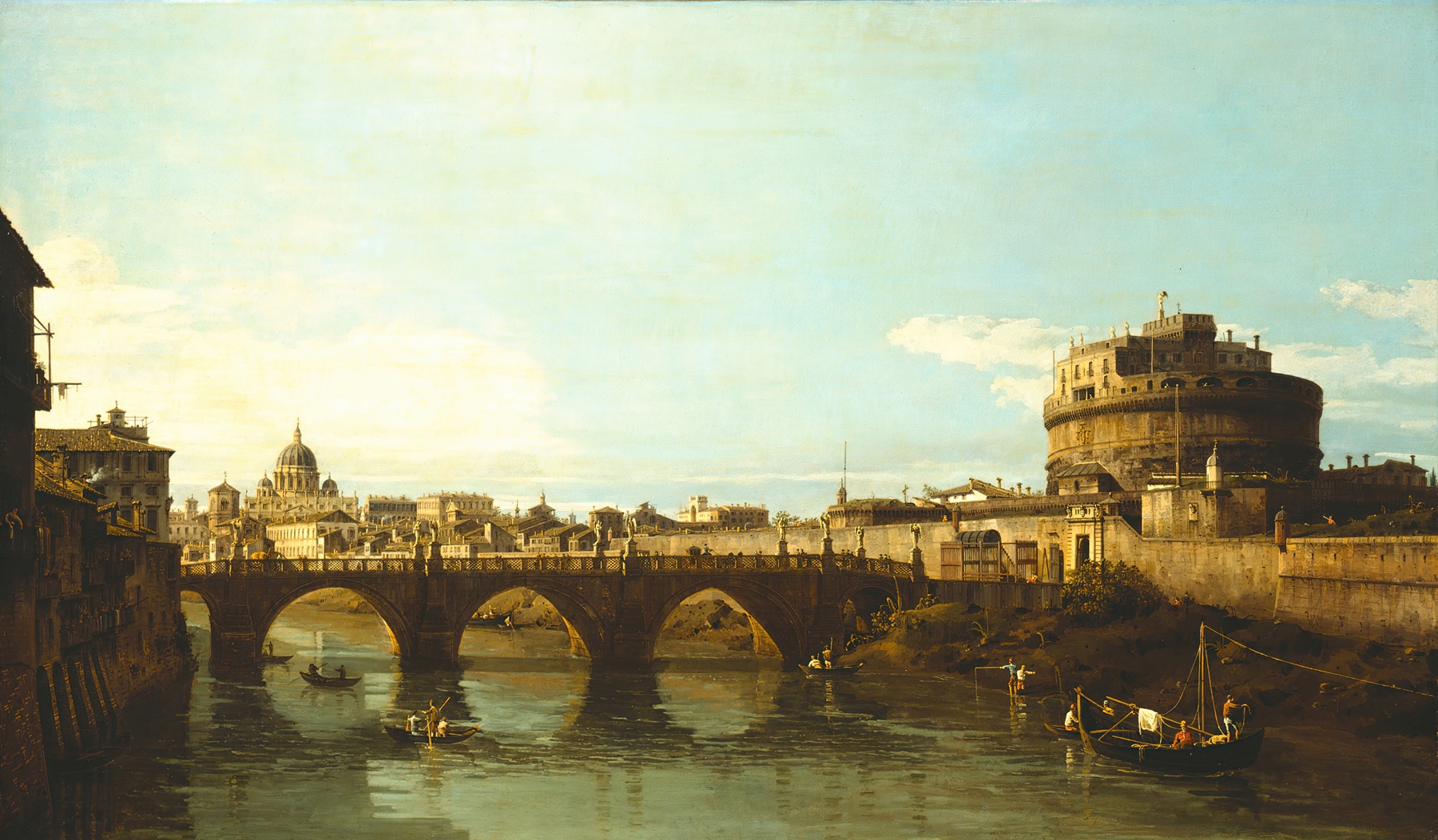
Could a single brushstroke hold eternity? In Church of the Holy Cross in Warsaw, the notion of fragility is captured in every carefully rendered detail, inviting a contemplative examination of time, architecture, and the human spirit. Begin your journey by looking at the grand façade of the church rising majestically against a cobalt sky, where the light dances across the intricate stonework. Notice how the warm hues of the building contrast with the cool shadows that linger in its crevices, creating a striking interplay between light and dark.
The meticulous brushstrokes not only define the structure’s form but also suggest a historical weight, anchoring the viewer in a moment that feels both present and nostalgic. As you delve deeper, observe the figures milling about, caught in a moment of everyday life. Their small scale against the towering building emphasizes both the grandeur of the architecture and the fragility of human existence within it. The delicate clouds that seem almost like whispers overhead speak to the transience of moments and memories; here, the church stands as a testament to permanence amidst life’s inevitable changes.
Bernardo Bellotto painted this piece in 1778, a time when he was solidifying his reputation as a master of urban landscapes. Working in Warsaw, he found himself amidst the political and social upheaval of the period, infusing his work with not just architectural precision but also an emotional resonance that reflected the complexities of his world. This painting represents a pivotal moment in his career, capturing not only a physical structure, but the essence of a city brimming with history and fragility.