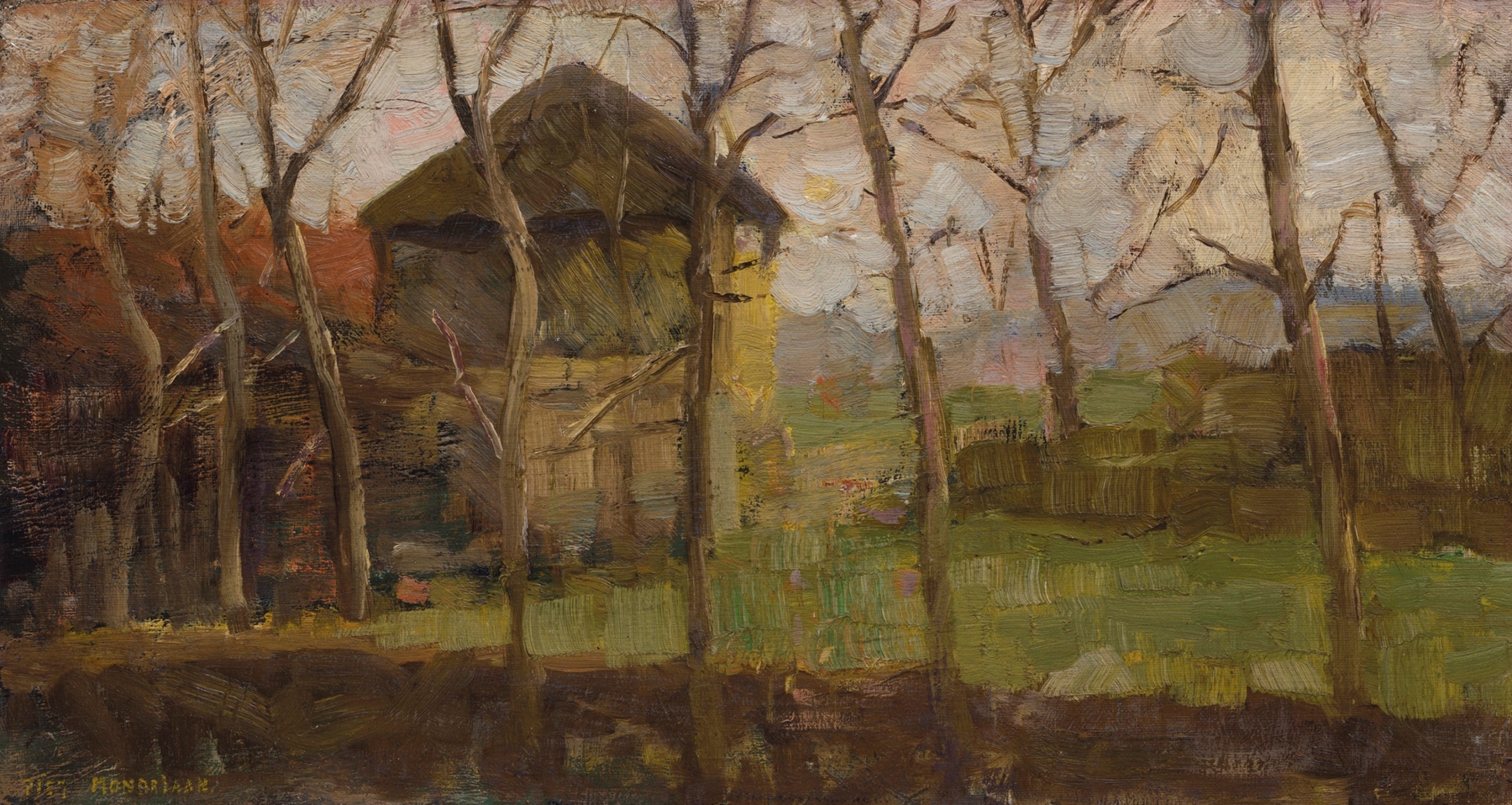
Drie Chrysanten — History & Analysis
“To paint is to remember what time wants us to forget.” In this essence, art becomes a vessel, capturing fleeting moments that might otherwise dissolve into the ether of memory. Begin by examining the vibrant interplay of color nestled in the composition. Notice how the rich, warm hues of the chrysanthemums dominate the canvas, drawing the eye into their lush embrace. As you explore further, the texture of the brushstrokes harmonizes with the floral forms, creating a rhythm that pulsates with life.
The delicate contrasts between the flowers and their surroundings elevate the subject, revealing the artist's mastery of light and shadow. Yet, there lies a deeper conversation within the work. The chrysanthemum, a symbol of resilience and renewal, challenges the viewer to contemplate the transient nature of beauty and existence. Each petal, while vivid, suggests fragility, serving as a poignant reminder of the impermanence we grapple with.
Furthermore, the juxtaposition of soft floral forms against a more structured background hints at the tension between nature and the artifice of human creation. Created in the late 19th century, this piece emerged during a formative period for Piet Mondrian, as he sought to reconcile his interest in the natural world with the burgeoning ideas of abstraction. War and change loomed on the horizon, infusing his work with a sense of urgency and contemplation. By painting Drie Chrysanten, he not only captured a moment of beauty but also embarked on a journey towards the abstraction that would define his later masterpieces.