Dronken man en de Dood — History & Analysis
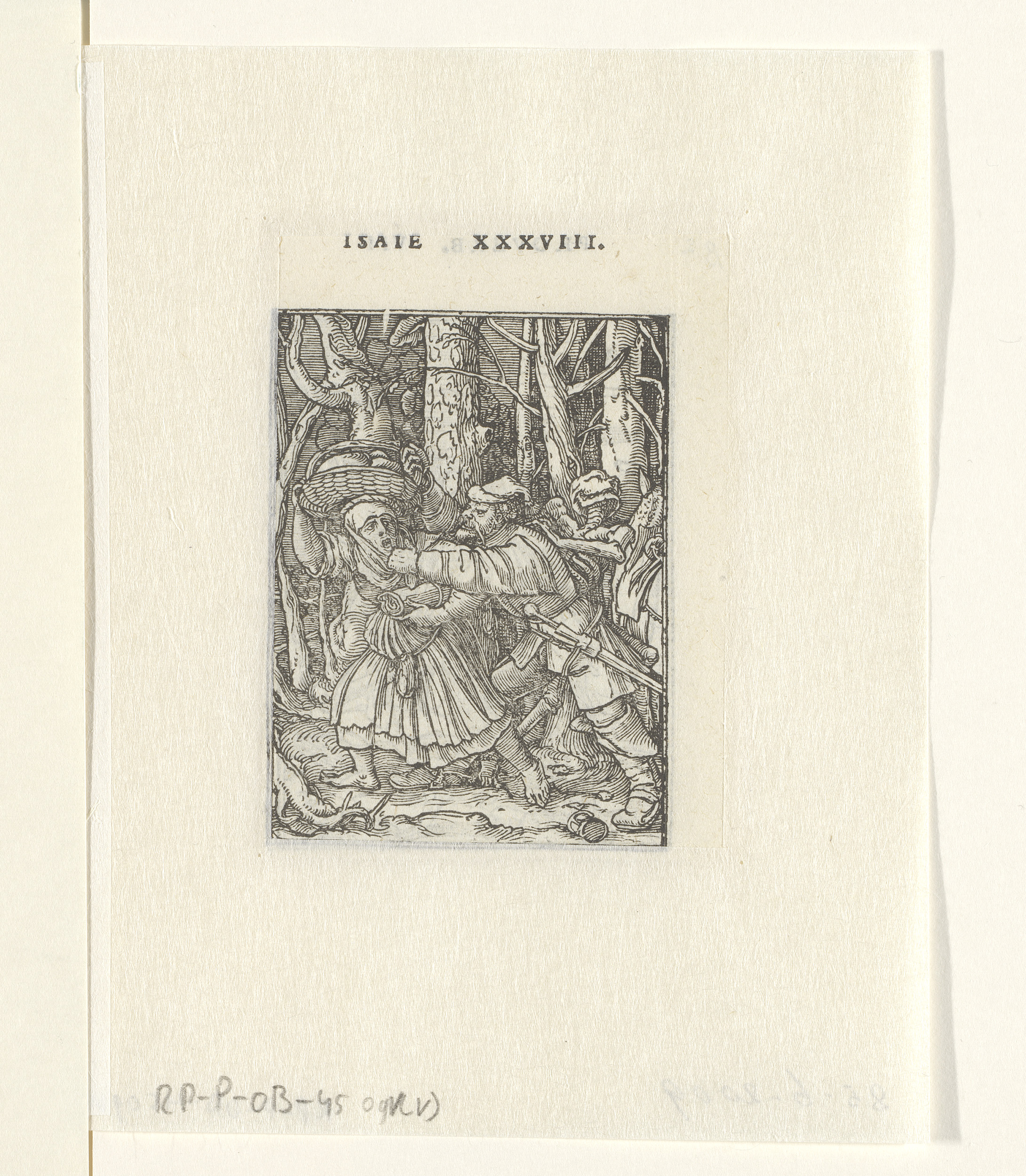
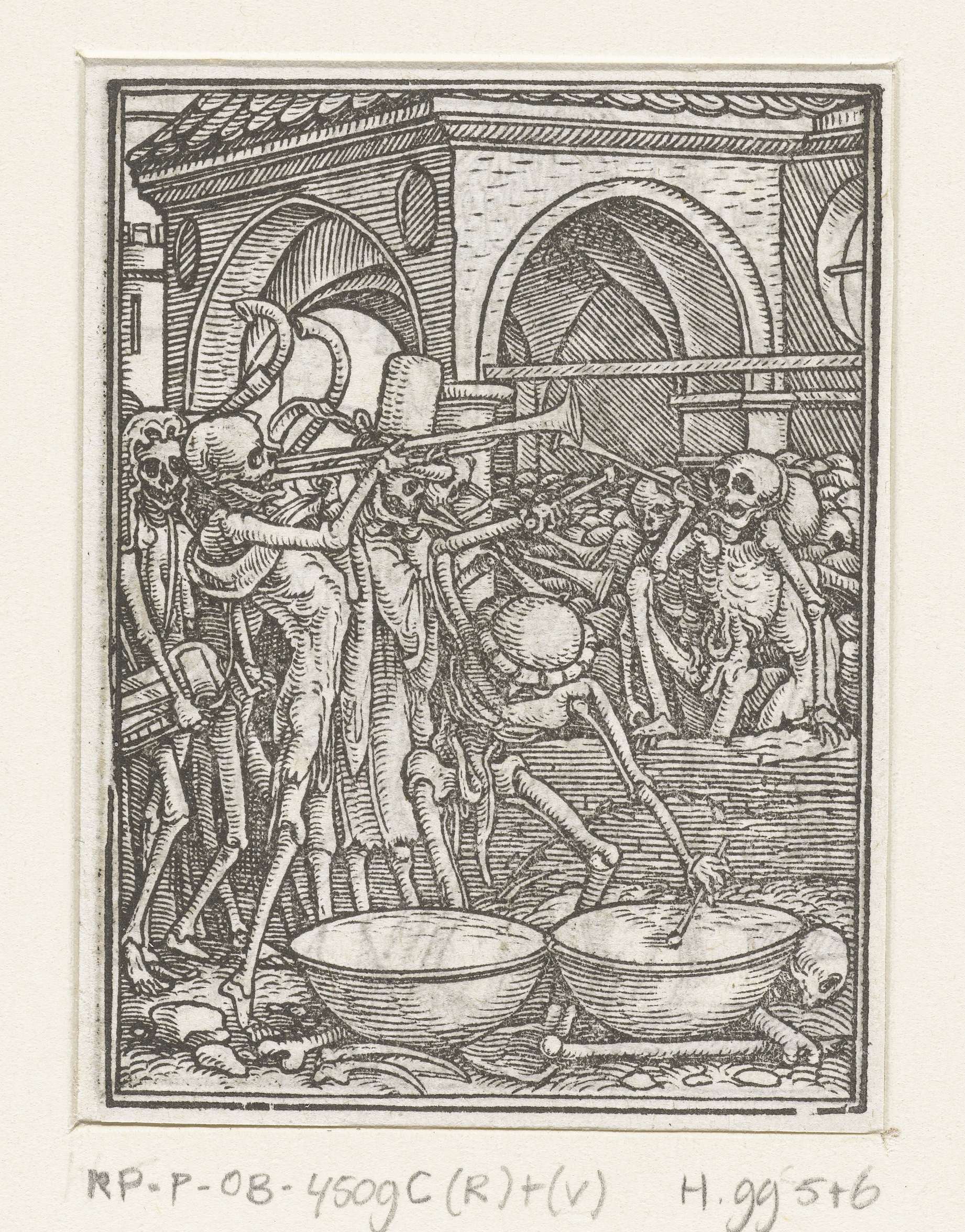
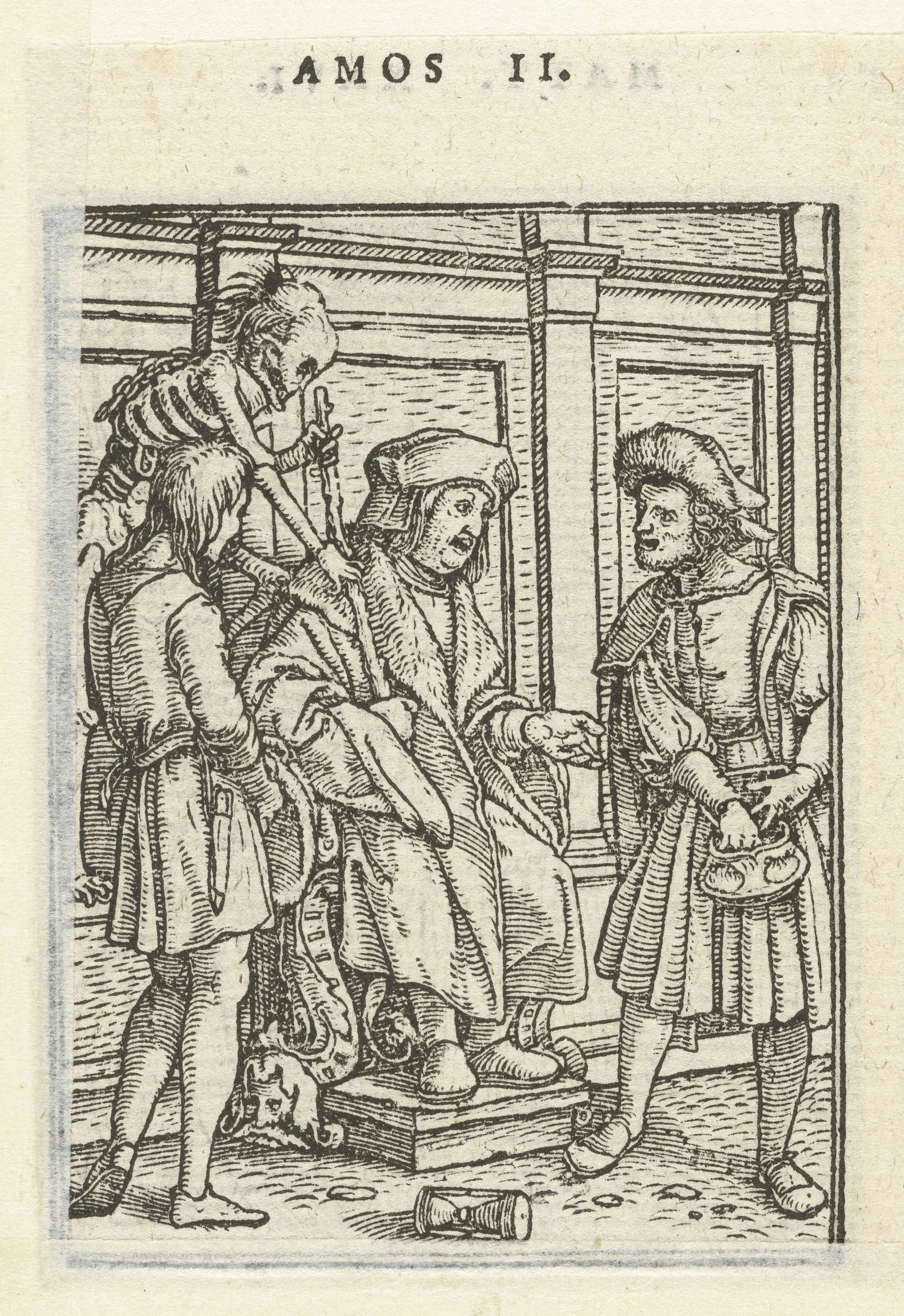
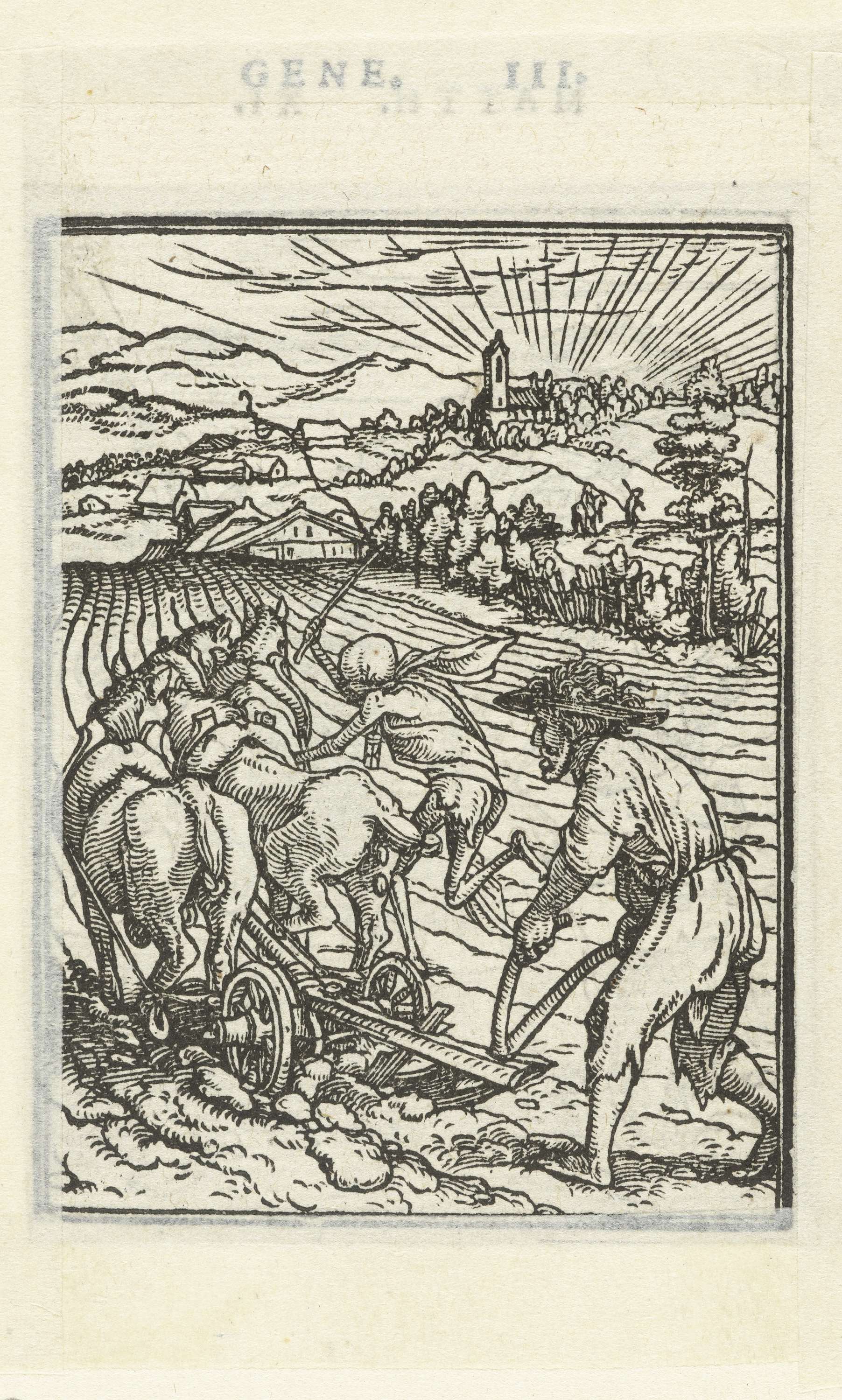
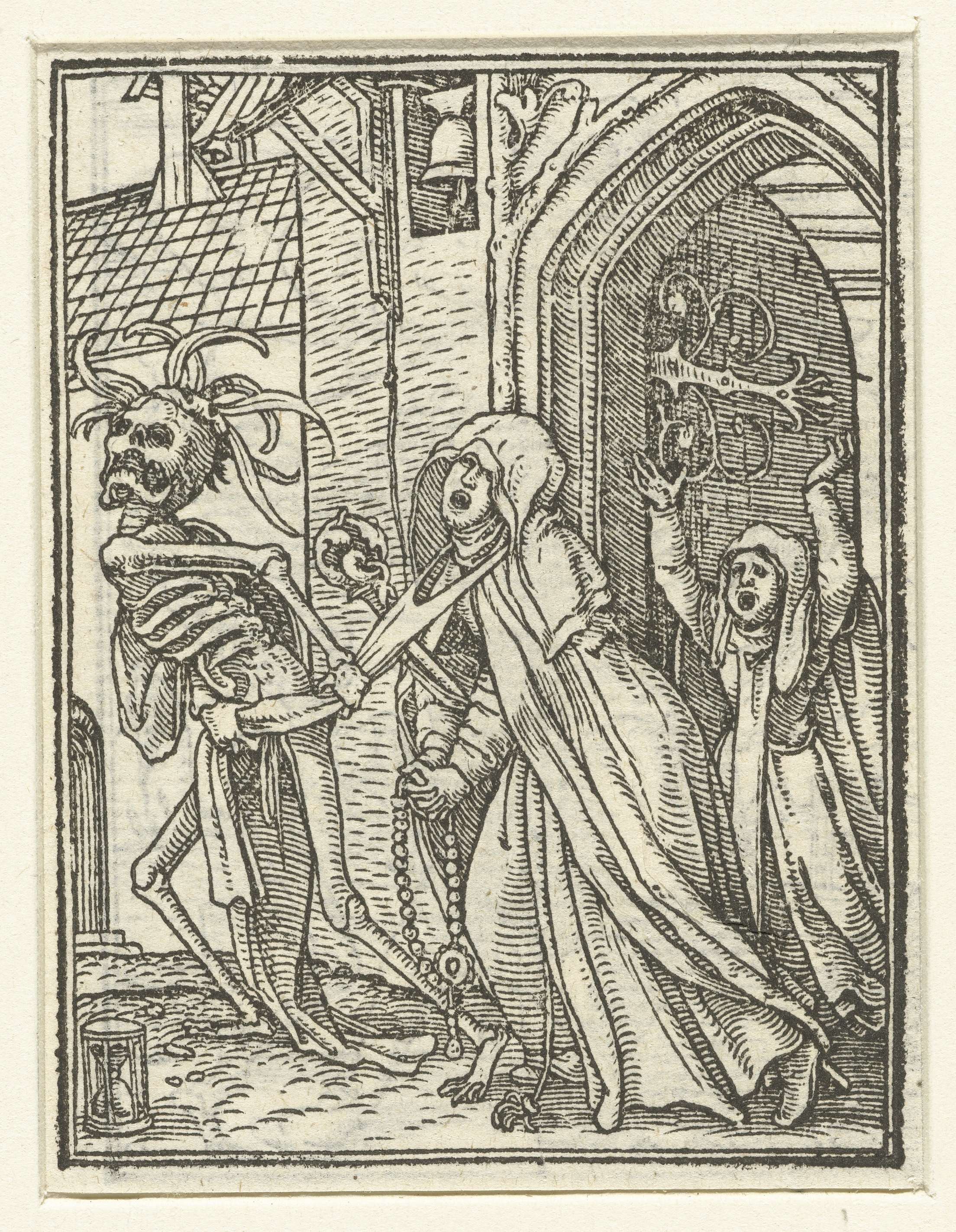
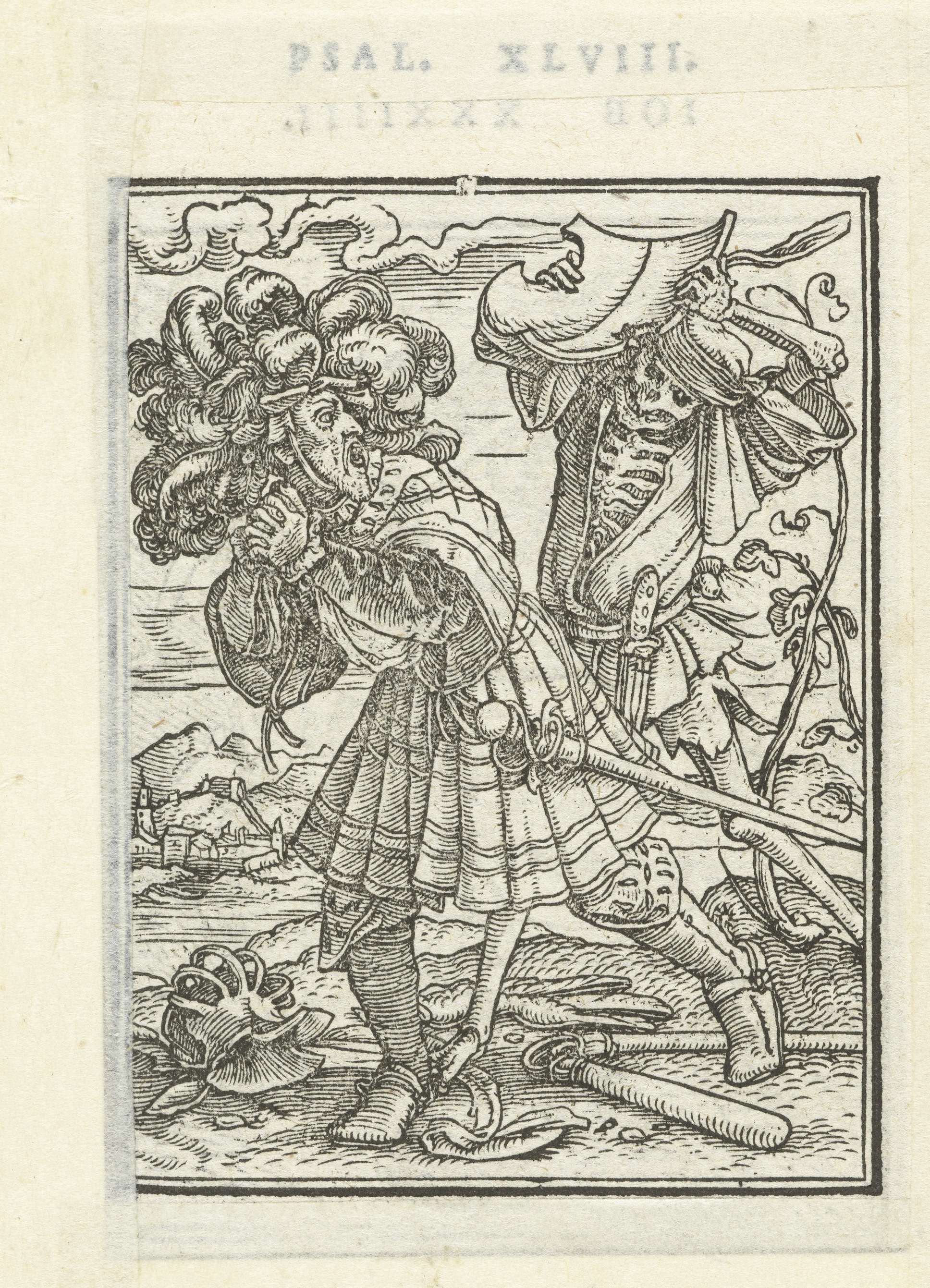
“Is madness a beautiful mask for despair?” In Hans Holbein's Dronken man en de Dood, the viewer is confronted with the raw and unsettling interplay between folly and mortality. The canvas invites introspection, challenging us to examine the fine line between revelry and ruin. Focus on the central figure, a drunken man, whose disheveled appearance contrasts sharply with the looming skeleton beside him. Notice how the light dances over the twisted contours of his face, illuminating the sheen on his wine cup and casting shadows that deepen the sense of impending doom.
The vibrant colors of the man's clothing, marked by reds and golds, burst forth against the pale, lifeless tones of Death, emphasizing the tension between life’s fleeting pleasures and the inescapable end. Hidden within this unsettling tableau are whispers of existential dread and the folly of indulgence. The man's vacant eyes and careless posture reveal a moment of recklessness, while the skeletal figure serves as a chilling reminder of his inevitable fate. Holbein juxtaposes the vibrant spirit of life with the stark reality of death, urging us to confront our own vulnerabilities and the madness that often dances hand in hand with joy.
Created in 1547, this painting emerged during a tumultuous period for Holbein in Basel, where he had returned after a stay in England. The art world was shifting, as Northern Renaissance artists began grappling with themes of humanism, mortality, and the complexity of the human condition. It was a time when the interplay of life and death resonated deeply within society, making this work both a personal reflection and a cultural commentary on the follies of man.