Durham Cathedral and Castle — History & Analysis
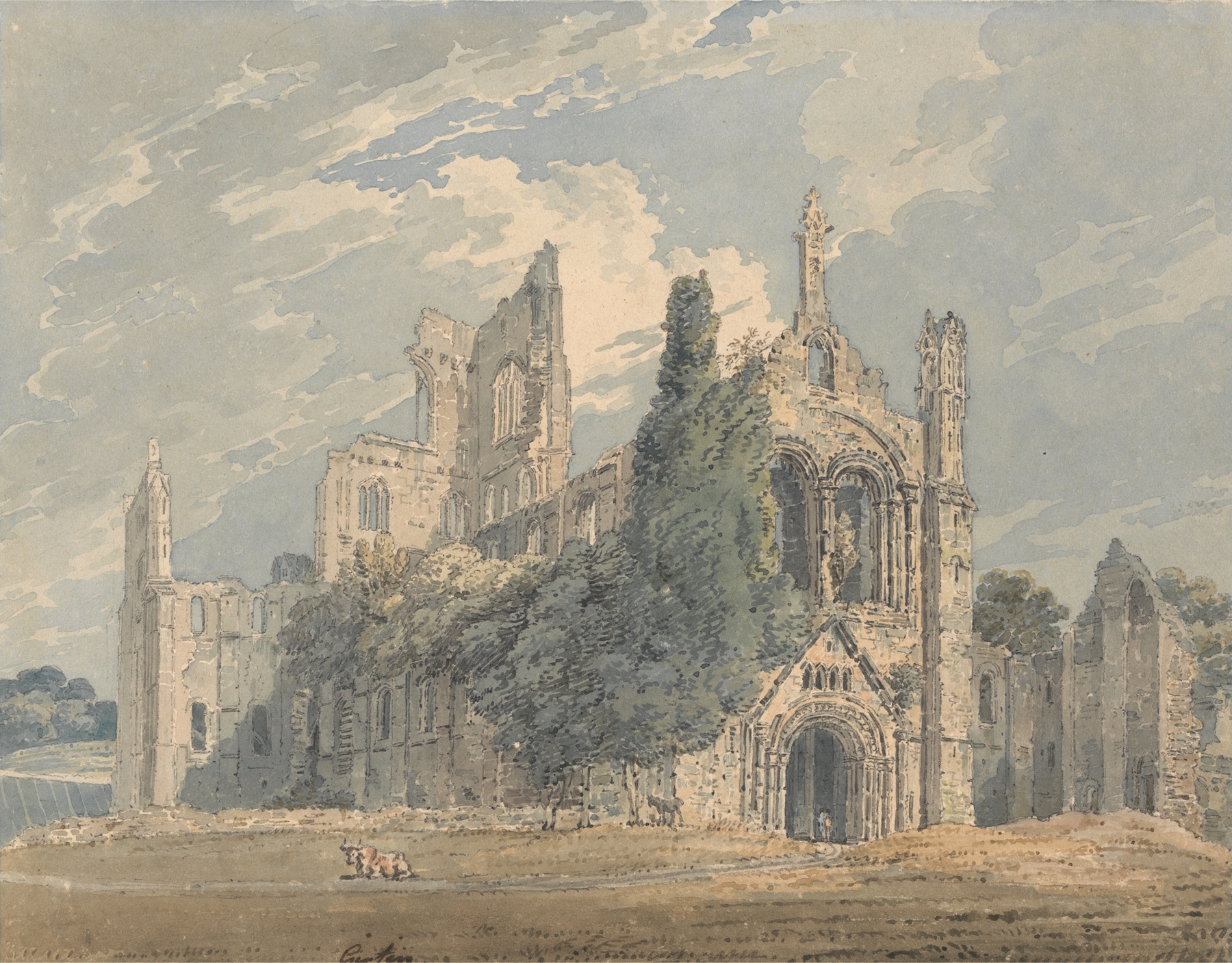
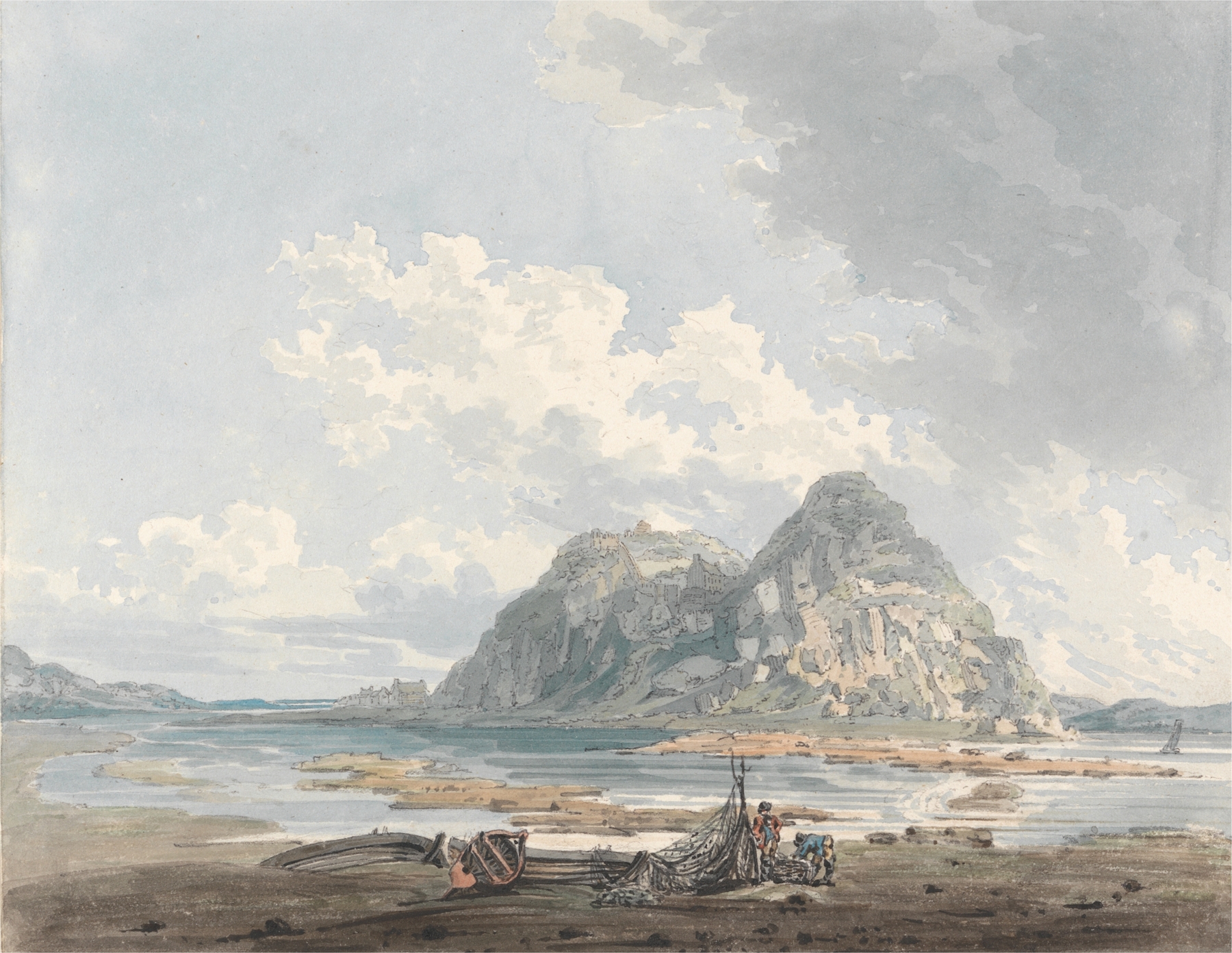
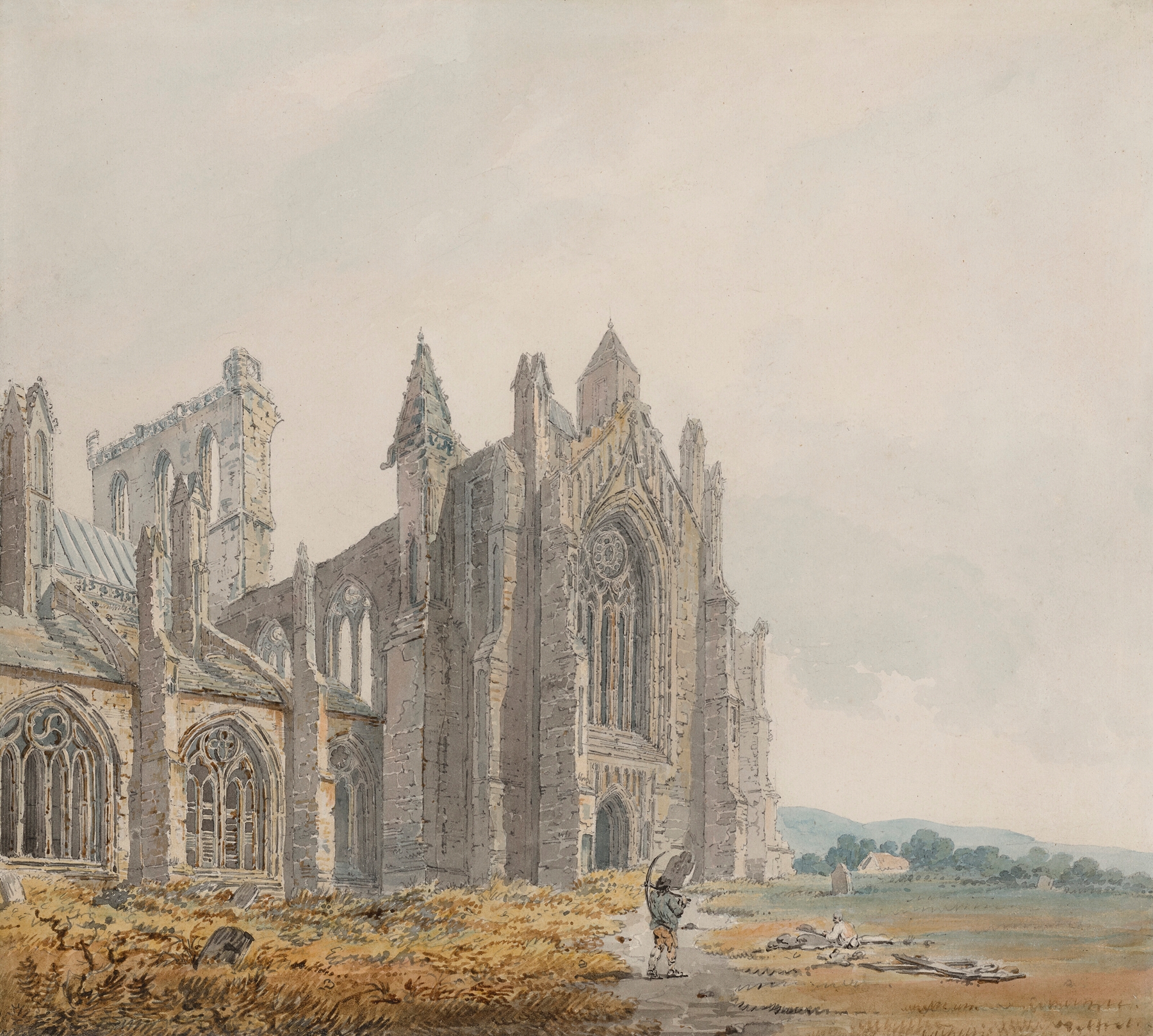
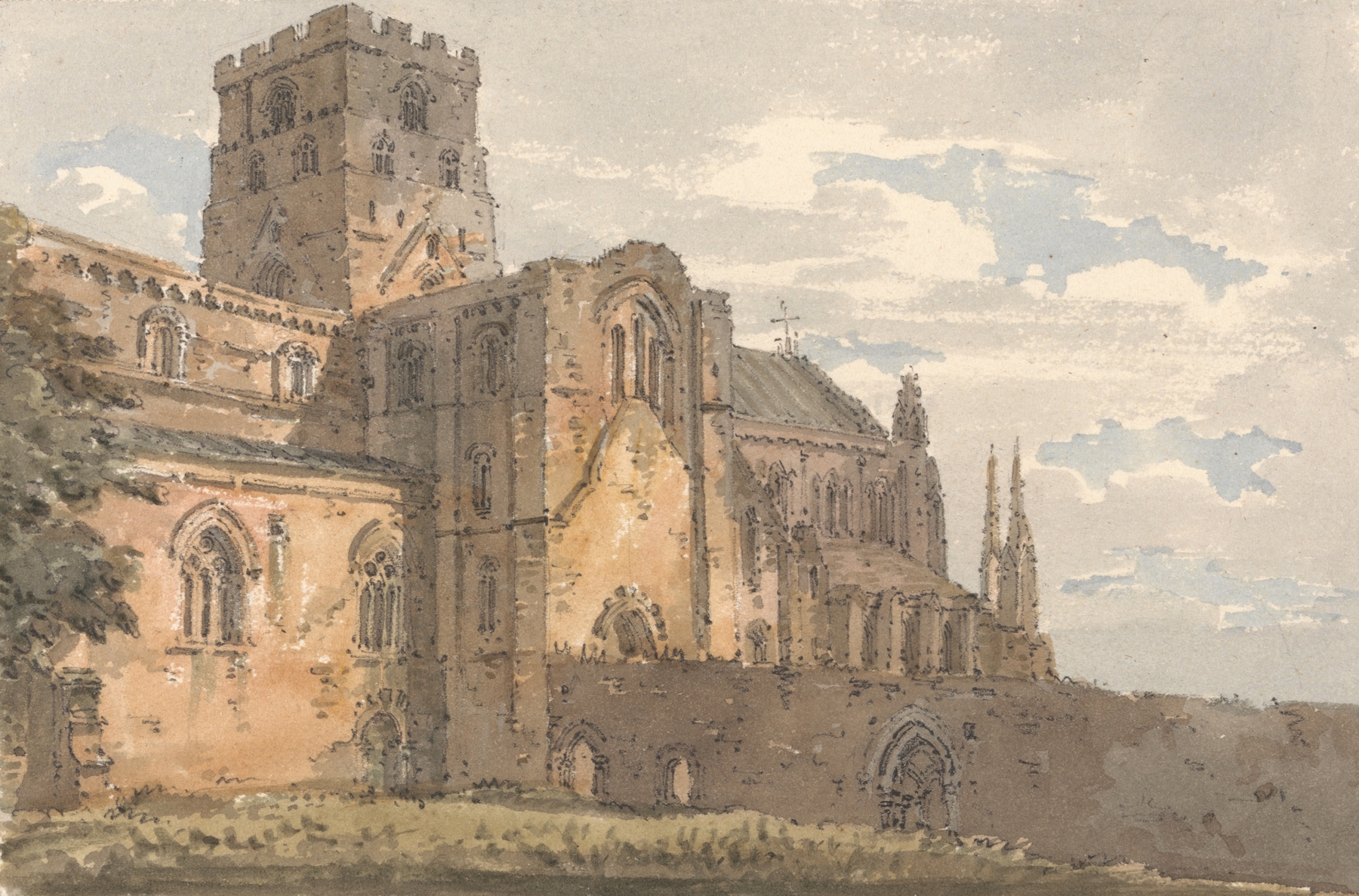
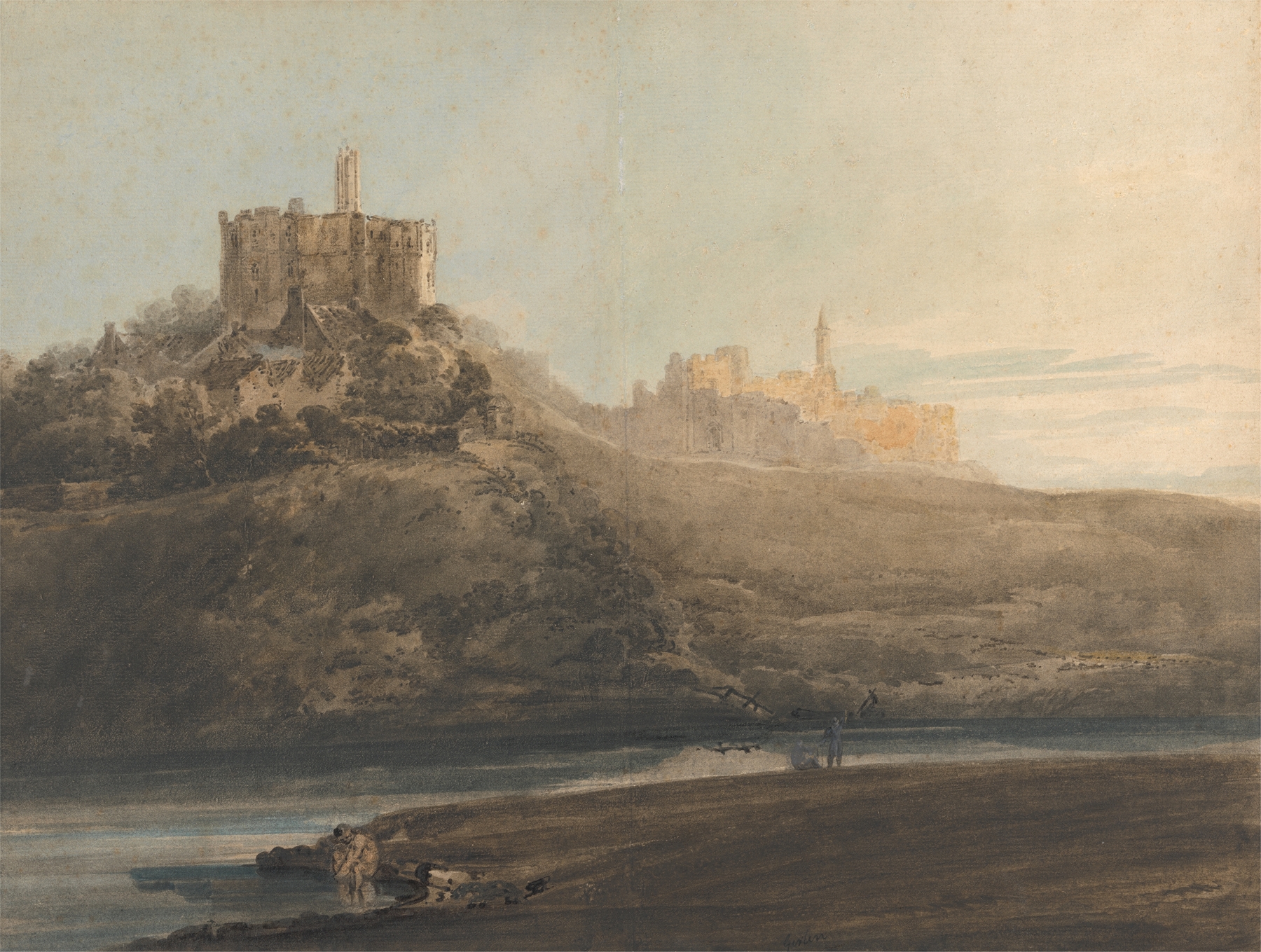
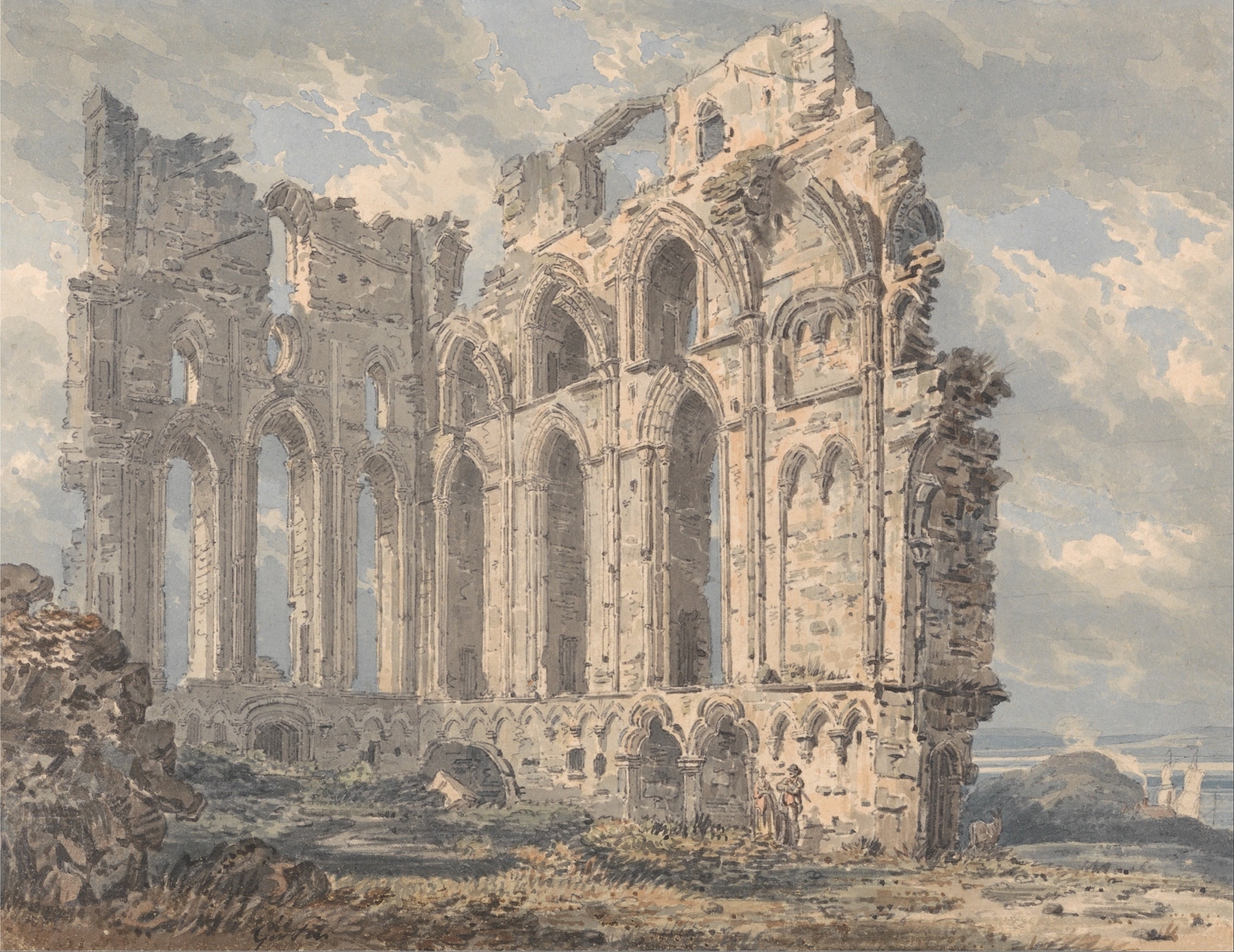
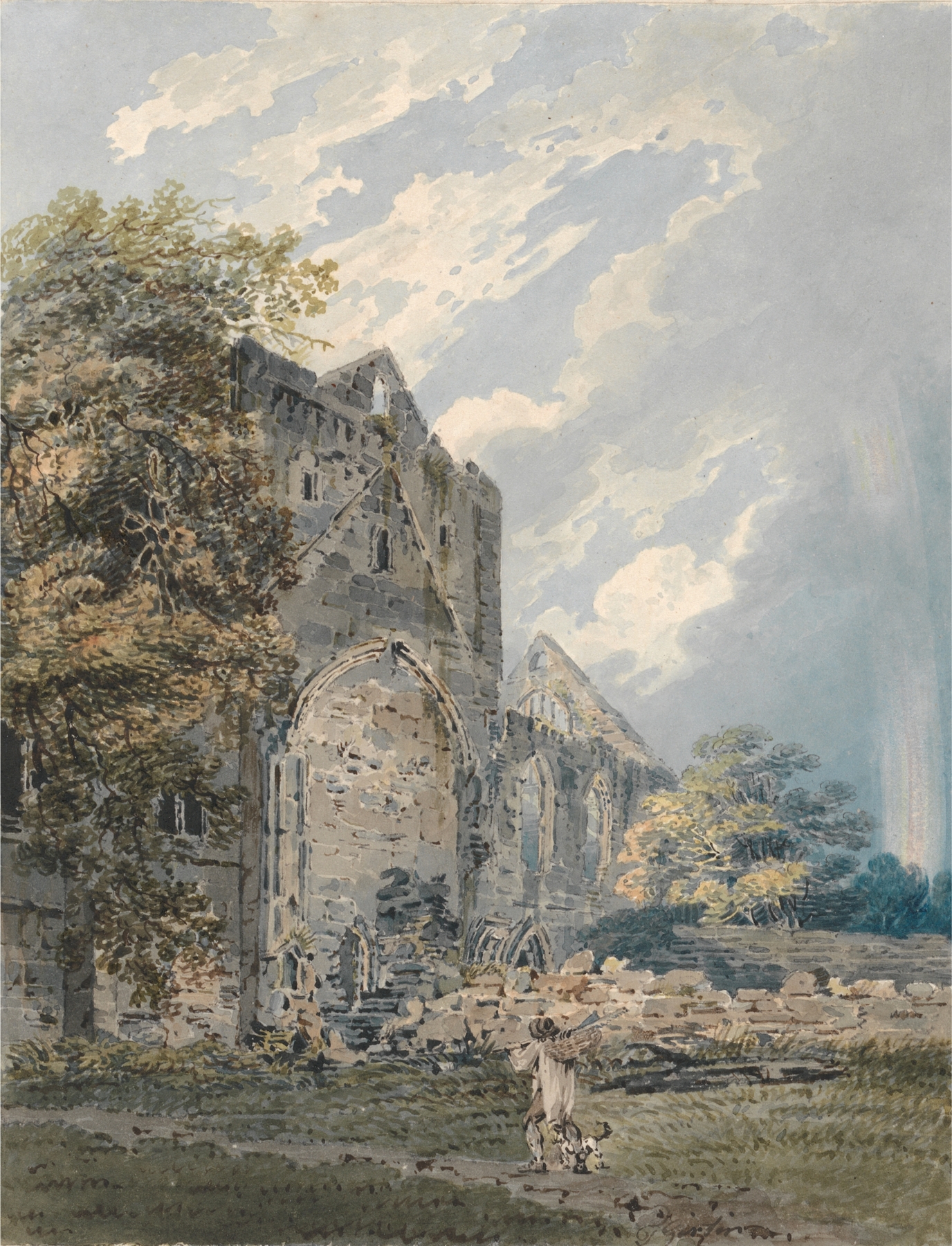
“Every silence here is a confession.” In the hushed shadows of history, echoes of the past linger like whispered secrets, inviting us to uncover the memories embedded in stone and sky. Look to the left at the towering silhouette of the cathedral, its intricate Gothic spires reaching into the muted sky. The soft wash of blues and grays envelops the scene, harmonizing with the gentle greens of the landscape. Girtin’s deft brushwork captures the interplay of light and shadow, creating a serene yet profound atmosphere.
The sweeping perspective draws the eye toward the majestic castle, nestled close, as though they guard the memories of generations past. Within this landscape, contrasts emerge — the rigid, formidable architecture of the buildings juxtaposed against the soft, flowing lines of the river below. The stillness evokes a sense of contemplation, suggesting that time itself halts in the presence of such monumental beauty. Each element, from the greenery to the stone, carries stories of resilience and nostalgia, prompting a reflection on the passage of time and the weight of history.
Around 1800, Girtin painted this view of Durham amidst a flourishing interest in landscape artistry in England, where Romantic ideals began to reshape perceptions of nature and heritage. During this period, he was navigating his own artistic journey, having already established a reputation for his innovative watercolors. The world around him was evolving, with the Industrial Revolution looming, yet he chose to immortalize the grandeur of traditional architecture, creating a poignant connection to what was being lost in this rapidly changing world.