East London — History & Analysis
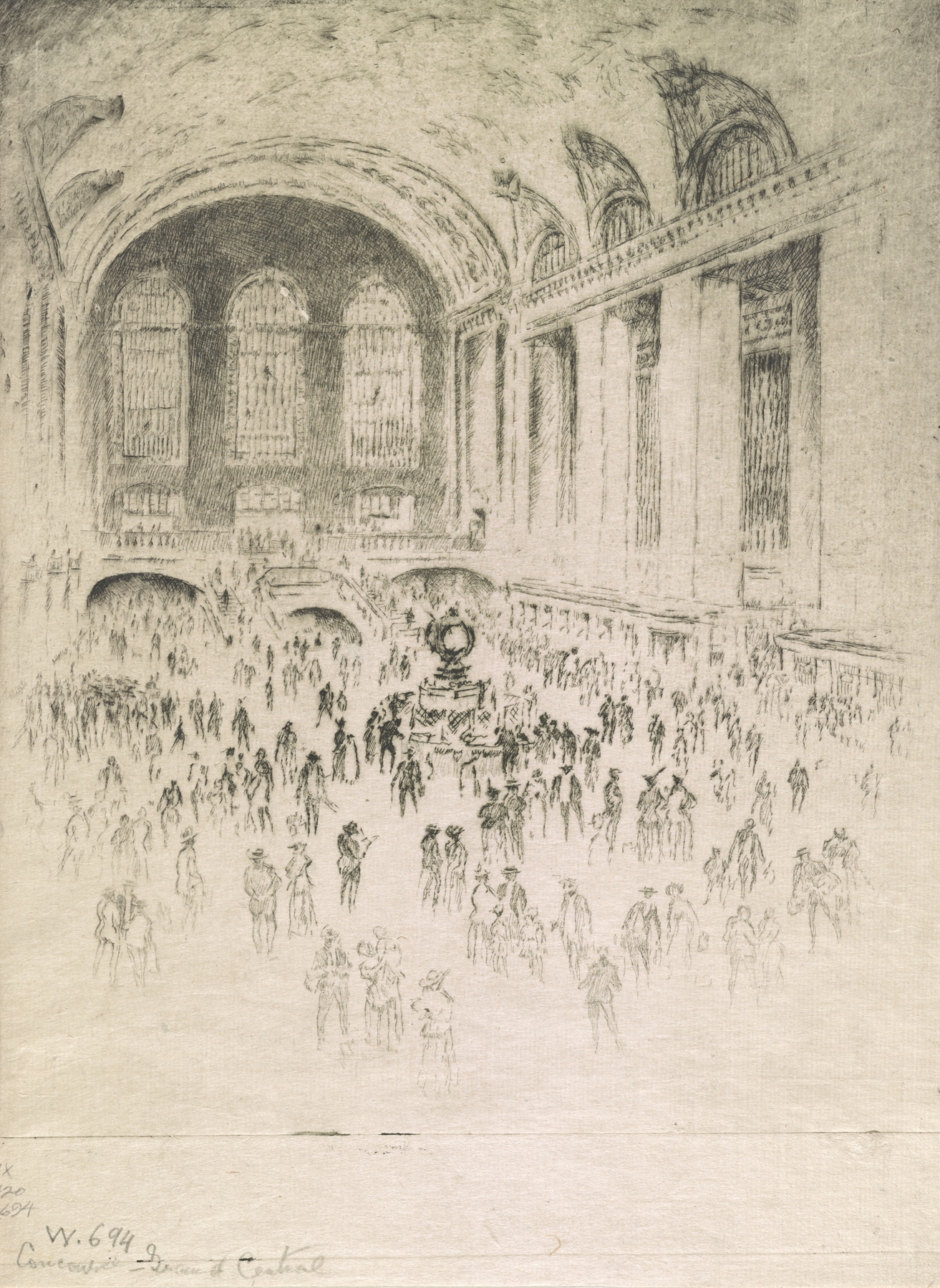
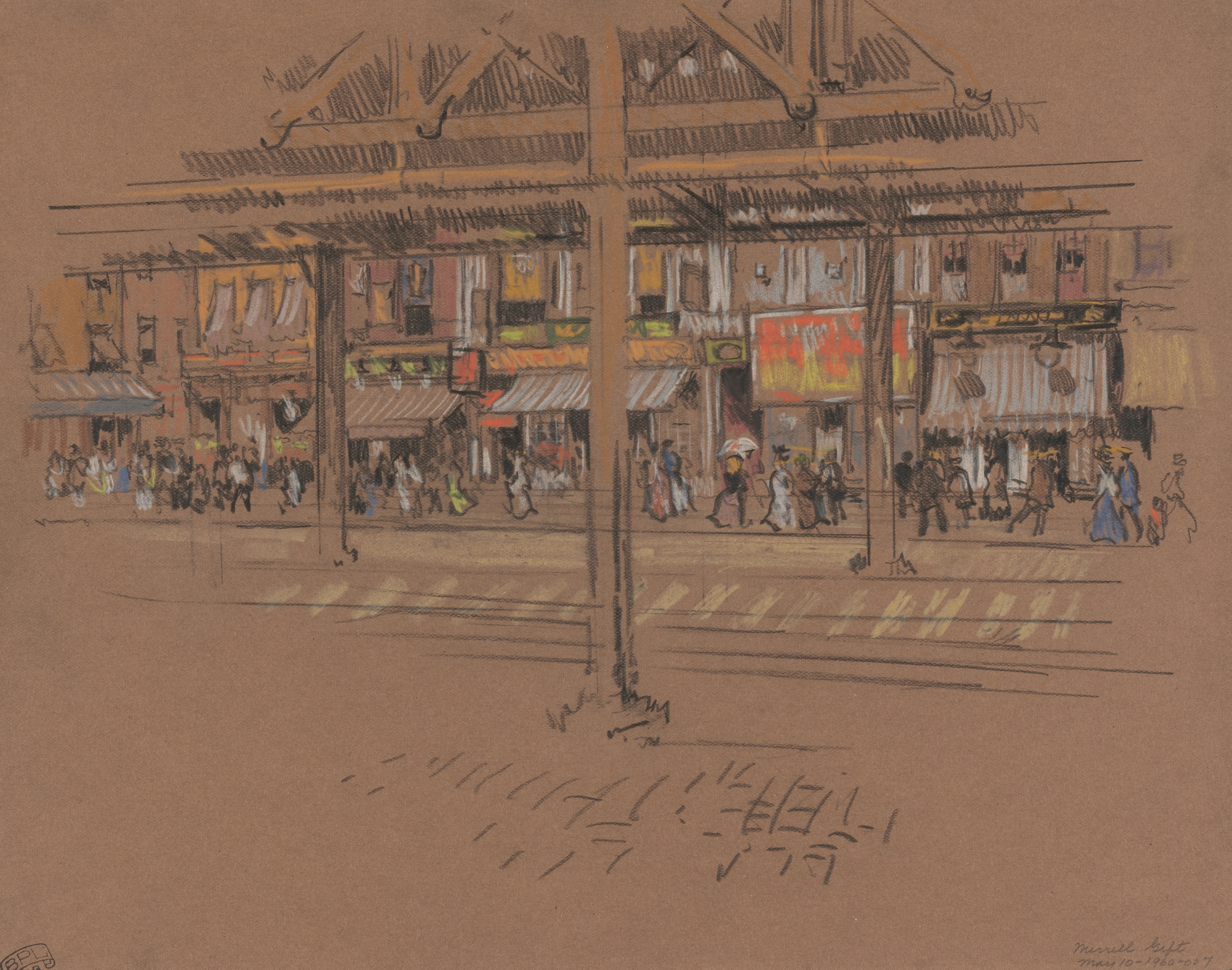
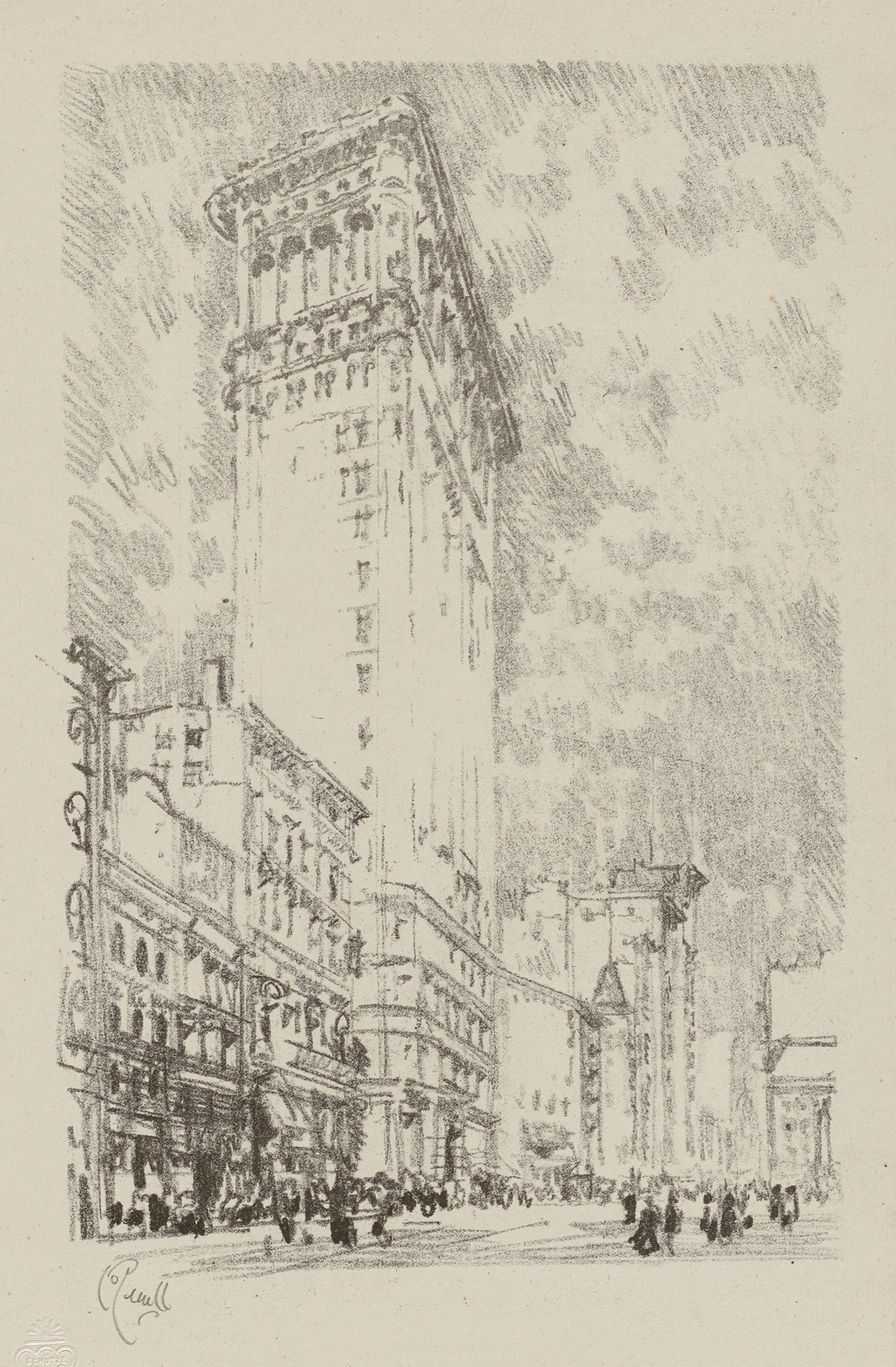
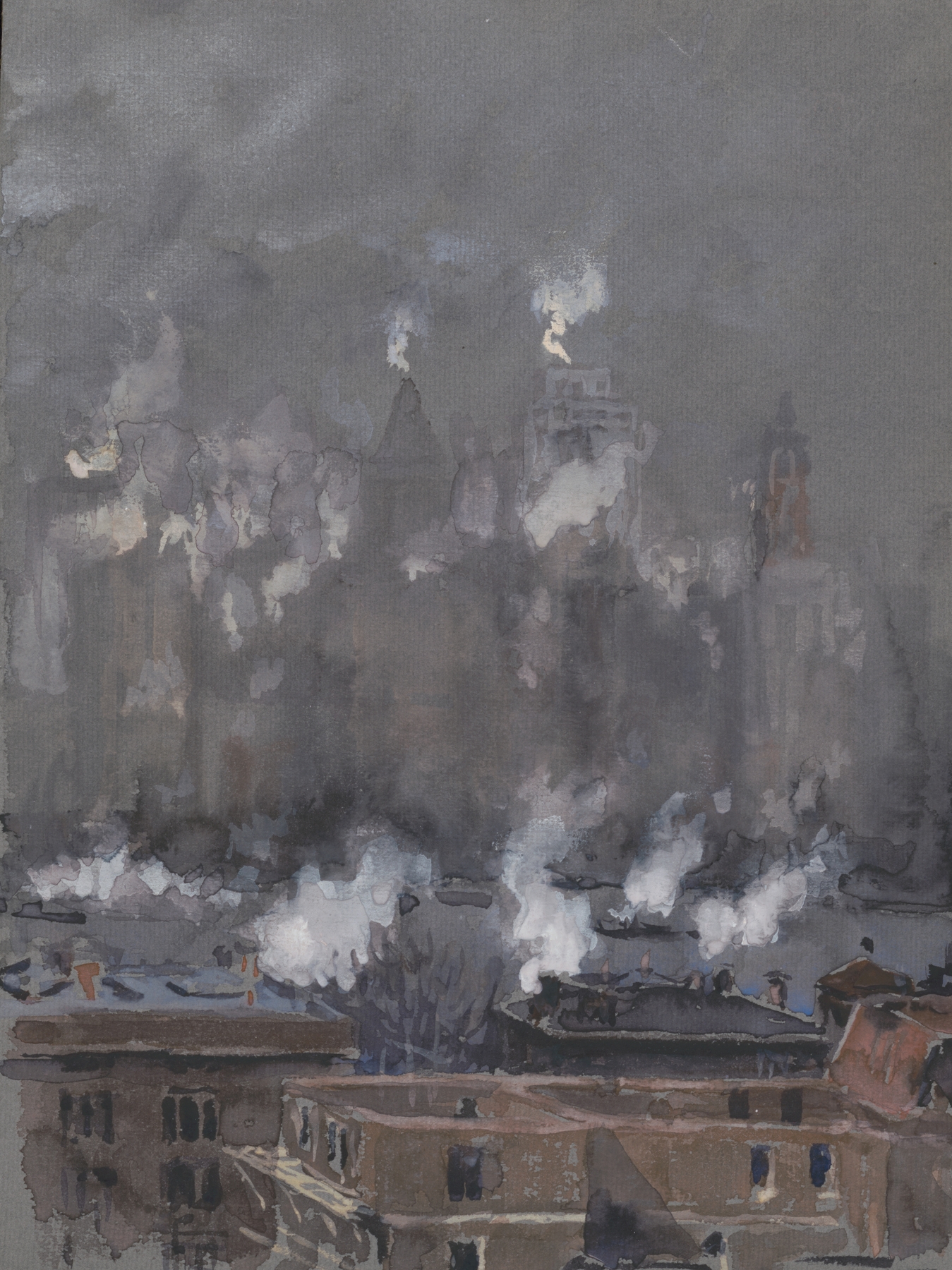
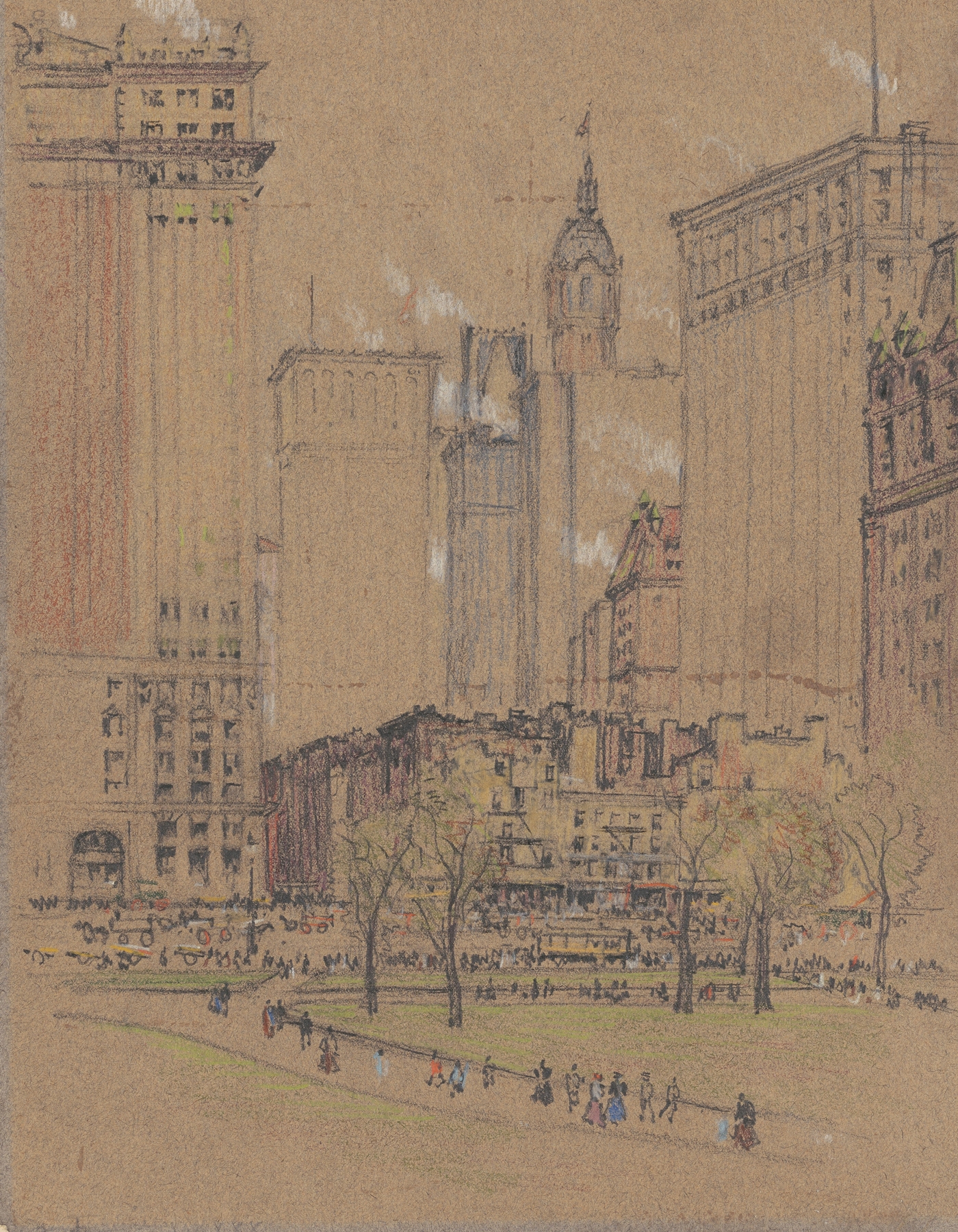
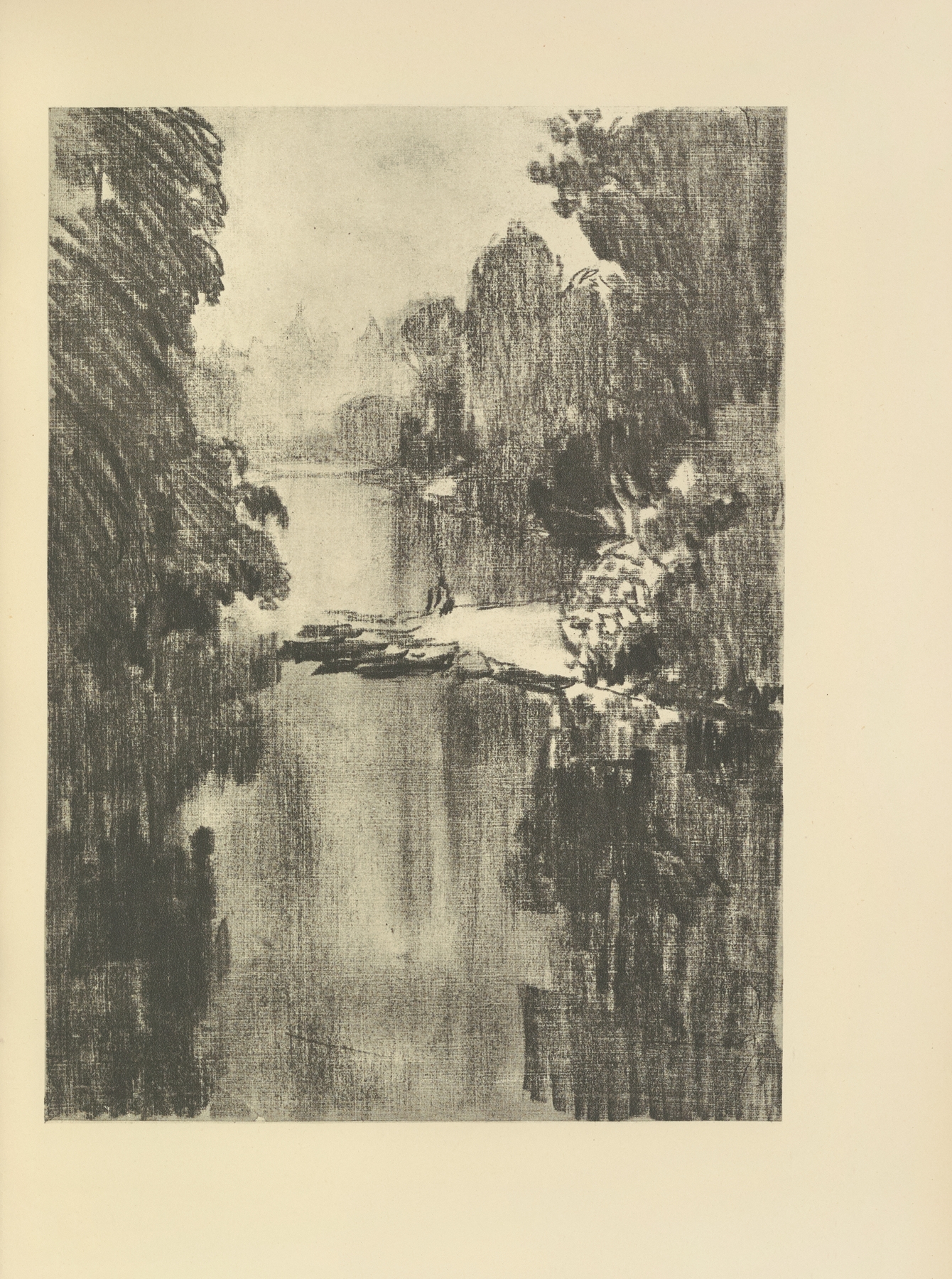
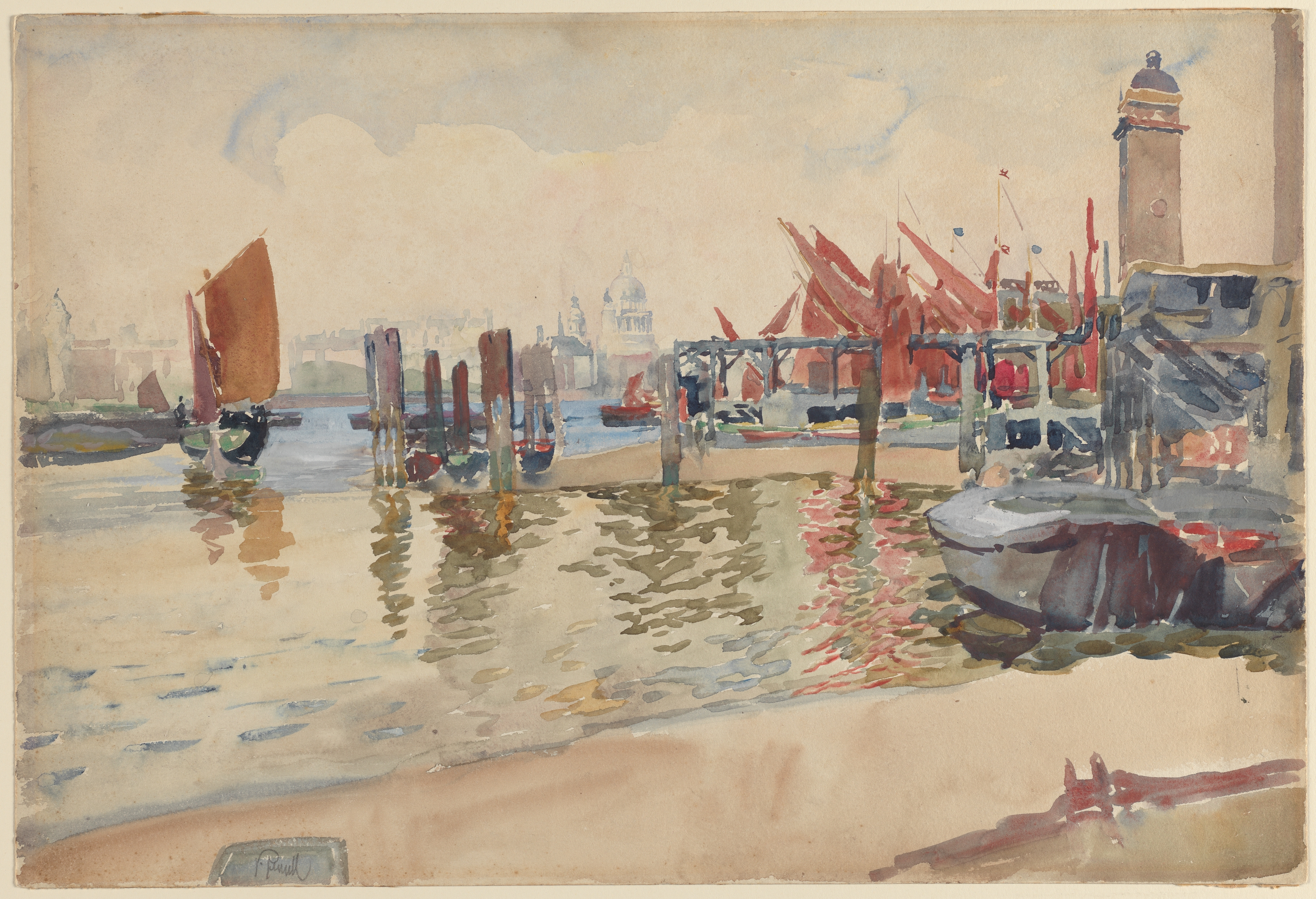
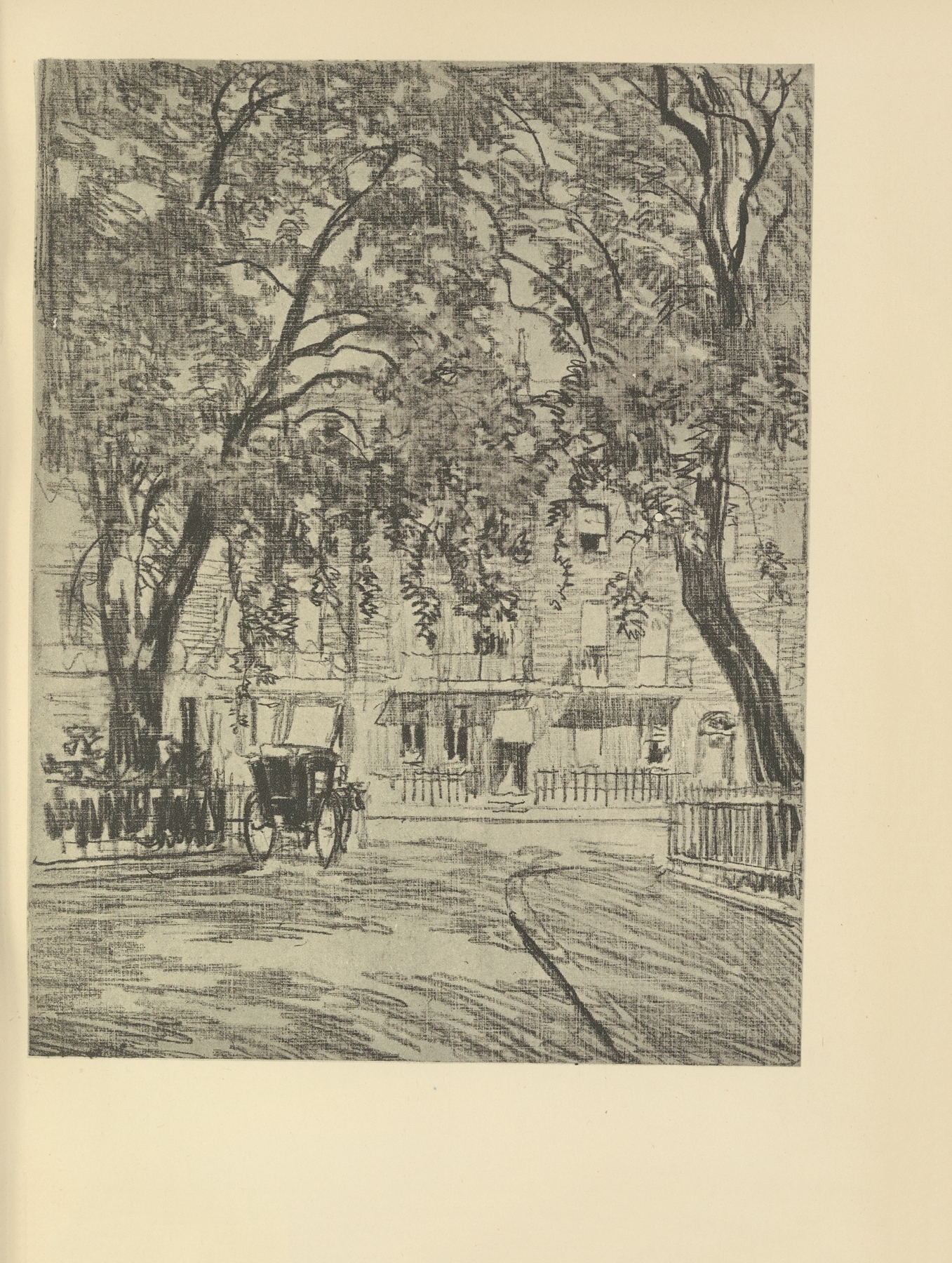
Can beauty exist without sorrow? In East London, the weight of time is palpable, suspended between the bustling life of a city and the echoes of its past. Look to the foreground, where the intricate details of a weathered street draw your eye—a patchwork of bricks and cobblestones, each one a testament to the lives that have tread upon them. Notice how the muted palette of grays and browns echoes the city's industrious spirit, while the delicate interplay of light and shadow on the buildings hints at fleeting moments lost to history.
The composition is a careful balance between the rigidity of urban structures and the organic movement of people, creating a dance that is both chaotic and harmonious. Yet, in this vivid portrayal lies a deeper narrative. The juxtaposition of the bustling street life with the somber architecture suggests an underlying tension—how progress can overshadow memory. Each figure, caught in motion, seems to carry the weight of the city’s forgotten stories, echoing the notion that even in moments of vitality, there exists an inherent melancholy.
The light, despite its struggle to penetrate the thick atmosphere, captures the resilience of this East London landscape, illuminating both beauty and the shadows of its past. Pennell created this work in 1928 while living in a time of significant transition. The post-World War I landscape was marked by industrial growth and social change, as artists began to experiment with new forms and perspectives. This piece reflects his fascination with urban life and the complexities of modernity, establishing him as a significant chronicler of his environment during this dynamic era.