East London – The River Lea — History & Analysis
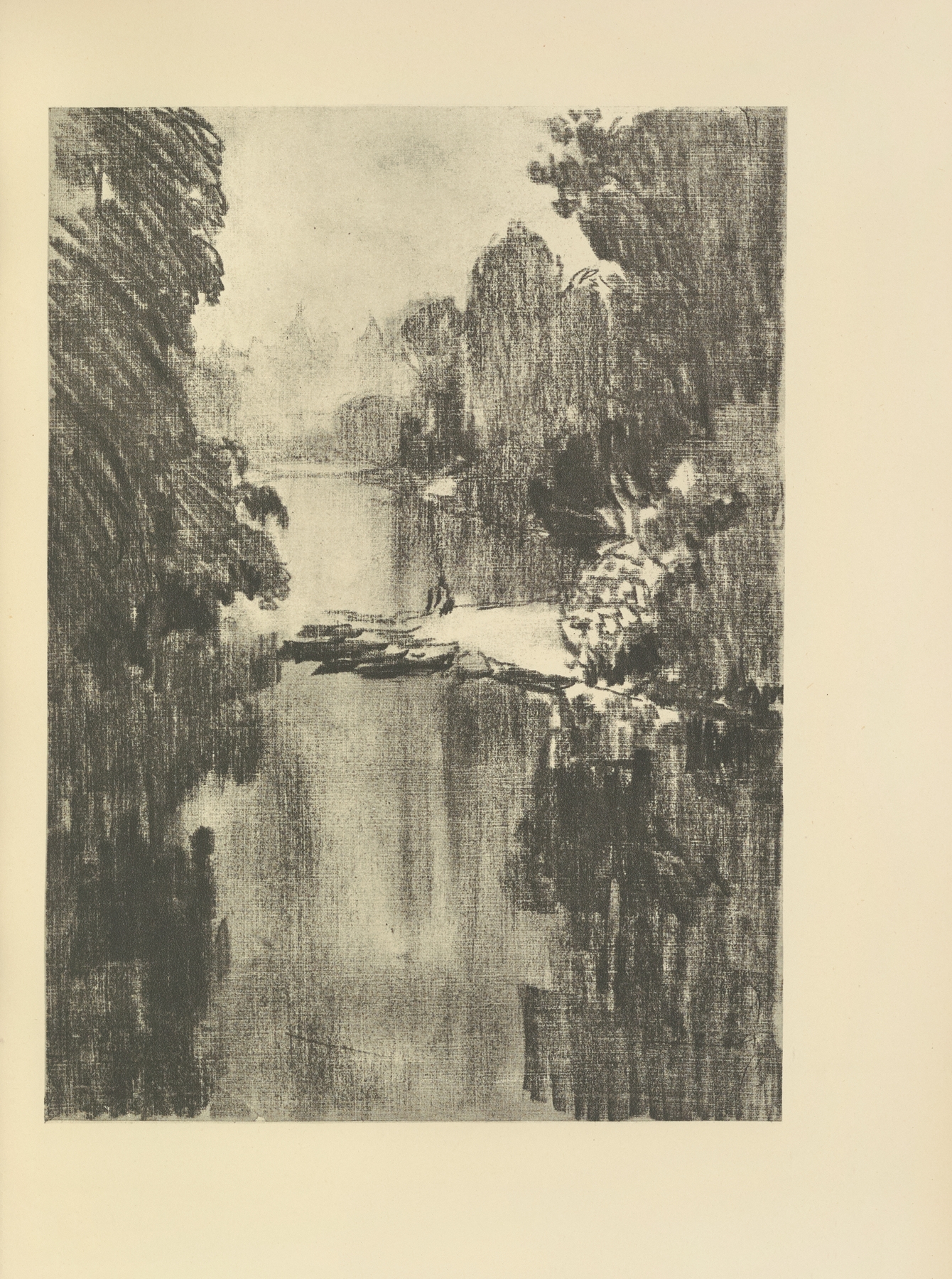
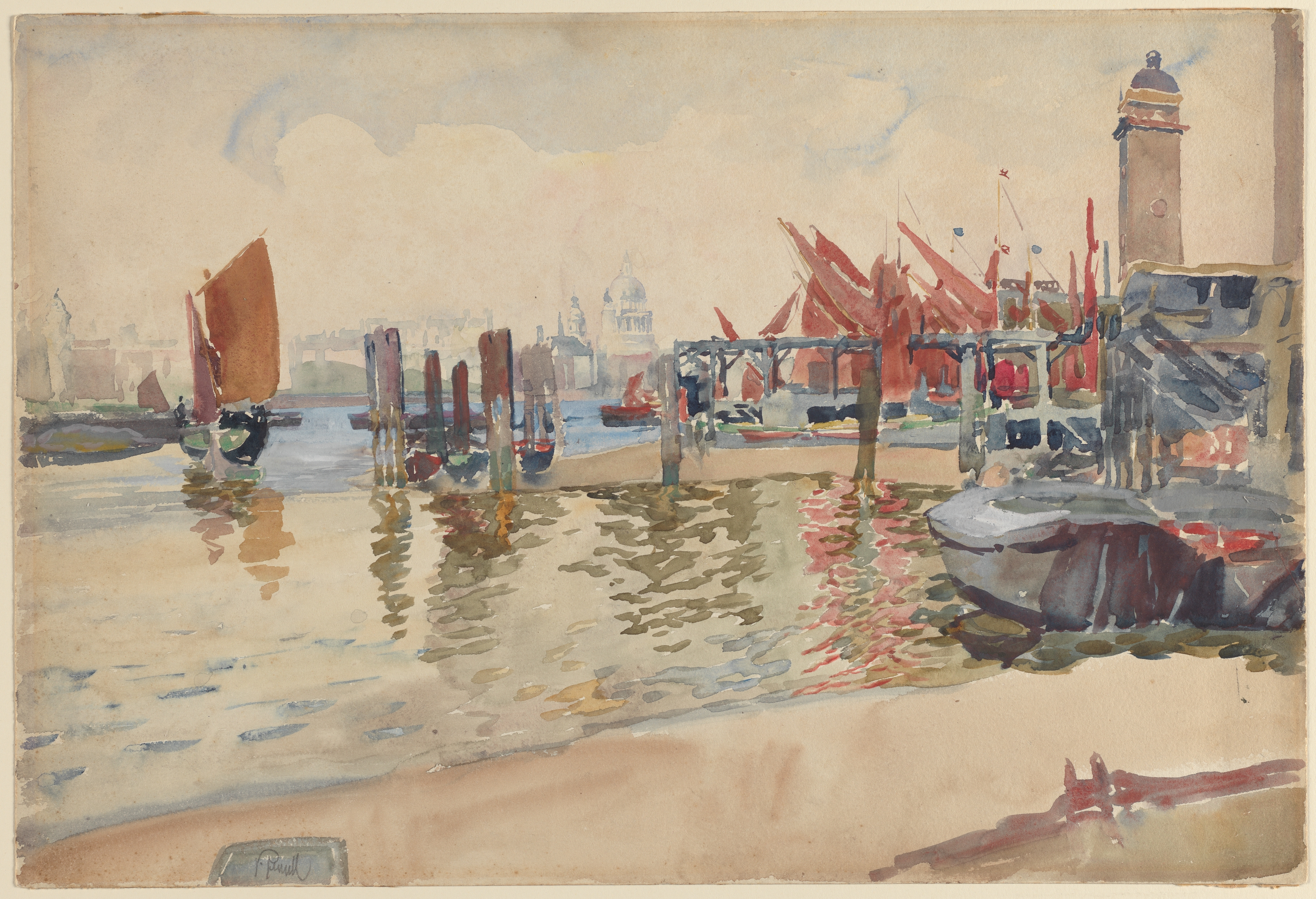
“Every silence here is a confession.” In the echo of the industrial hum, a stillness envelops the East London landscape, whispering secrets of time and toil. Amidst the grandeur of urban decay lies a quiet awe—a testament to resilience, where nature and industry intertwine. Here, the River Lea flows, cradling the weight of history in its gentle embrace. Look to the left at the delicate brushwork that captures the river’s winding course, its surface shimmering under a muted sky.
The palette is a symphony of grays and browns, evoking both the somberness and beauty of a city that breathes with its own pulse. Notice how the stark contrasts between the organic forms of trees and the rigid geometry of factories create a dialogue between the natural and the man-made, inviting you to explore every detail. Beneath the surface of this seemingly serene scene lies an emotional tension between progress and decay. The looming industrial structures stand like guardians of a forgotten era, while the soft ripples of the river remind the viewer of nature’s persistent allure.
Each element, from the lonesome boat to the distant skyline, encapsulates a world in transition, drawing the observer into reflections on change, loss, and continuity. In 1928, Joseph Pennell painted this captivating view of East London during a period marked by rapid industrialization and urban transformation. Residing in London, he was deeply influenced by the shifting landscapes of the city, capturing them with a keen eye for detail. His work emerged amidst a broader artistic movement that sought to document the complexities of modern life, blending realism with an appreciation for the beauty of everyday settings.