Easter Procession, St. Marks — History & Analysis
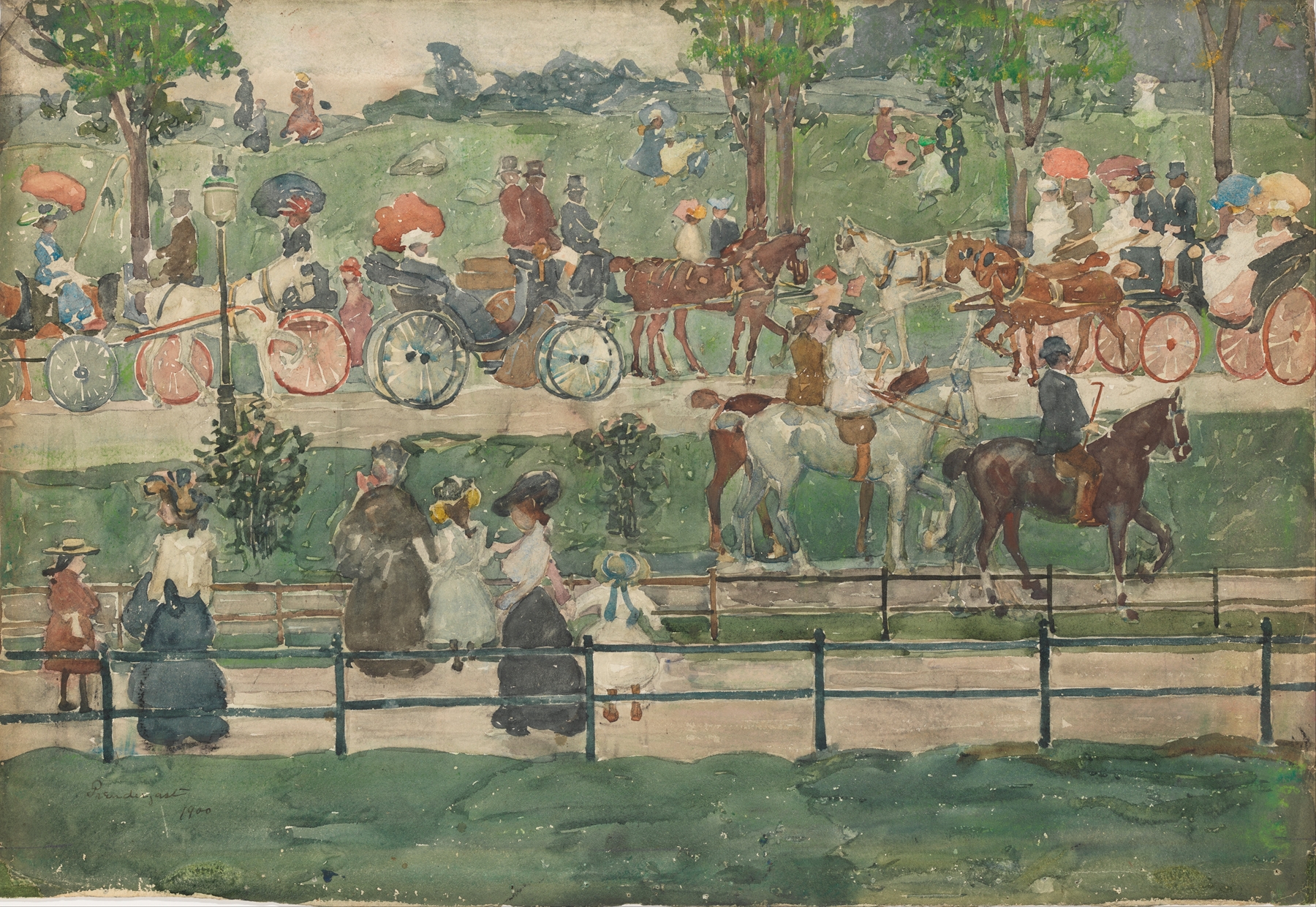
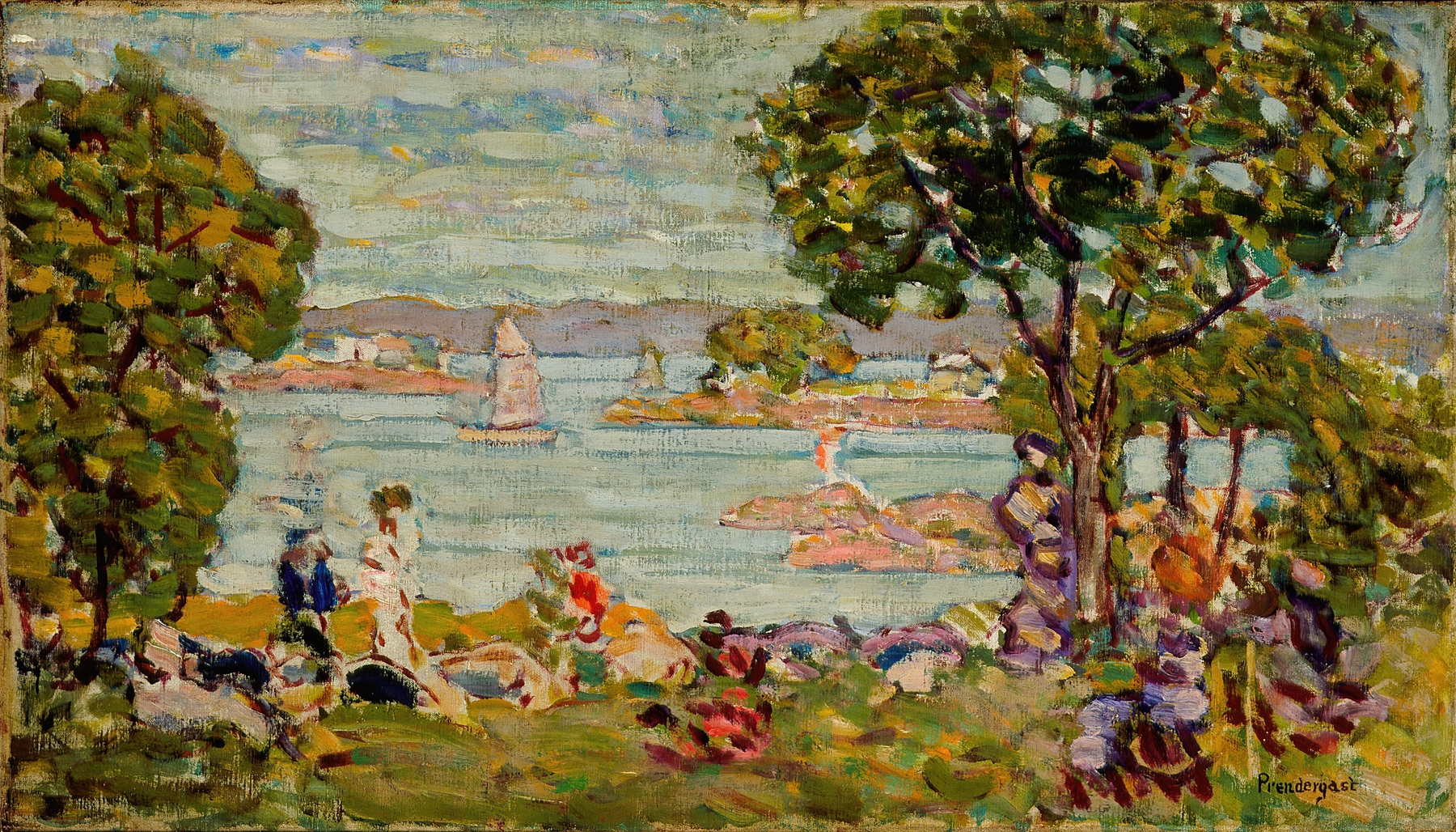
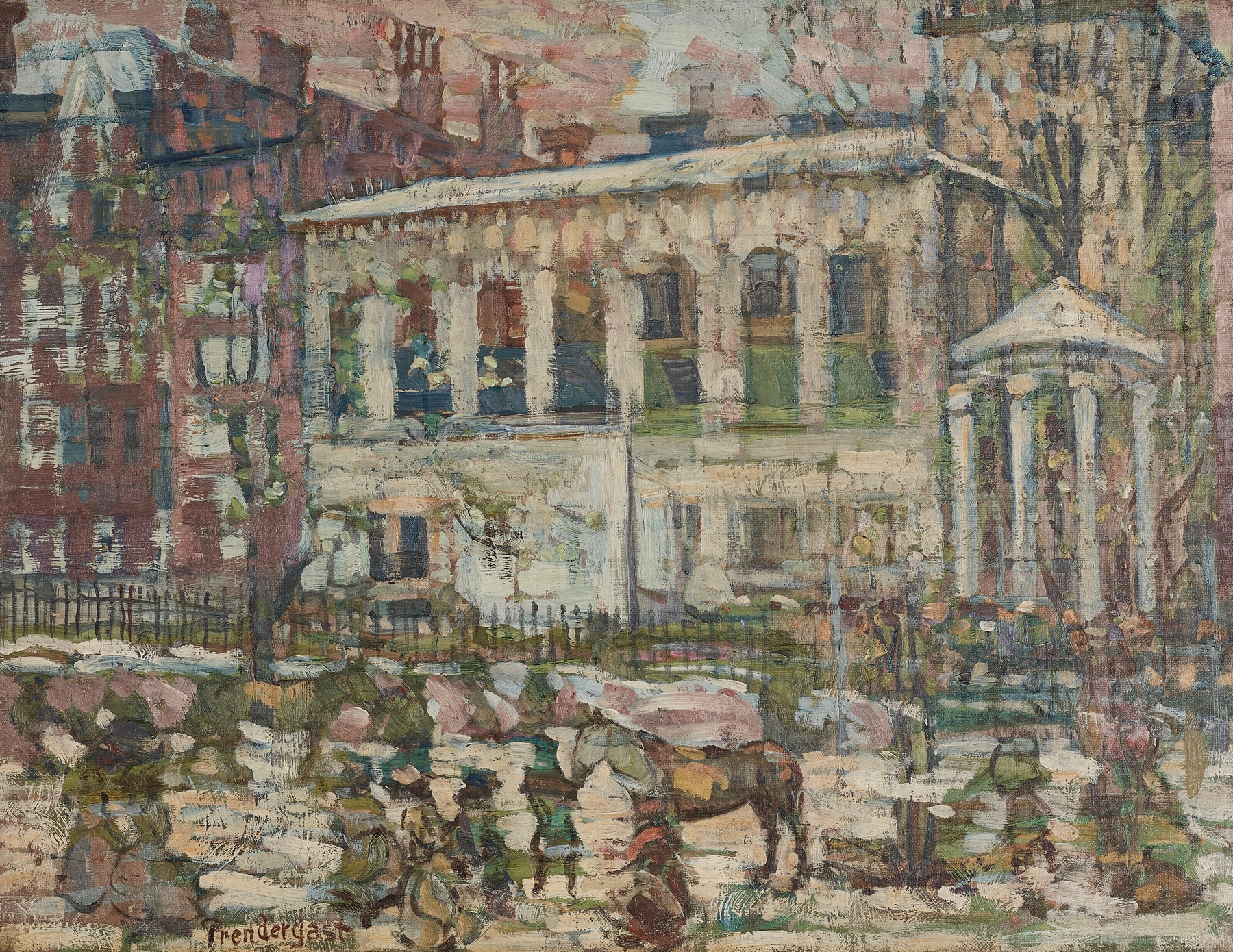
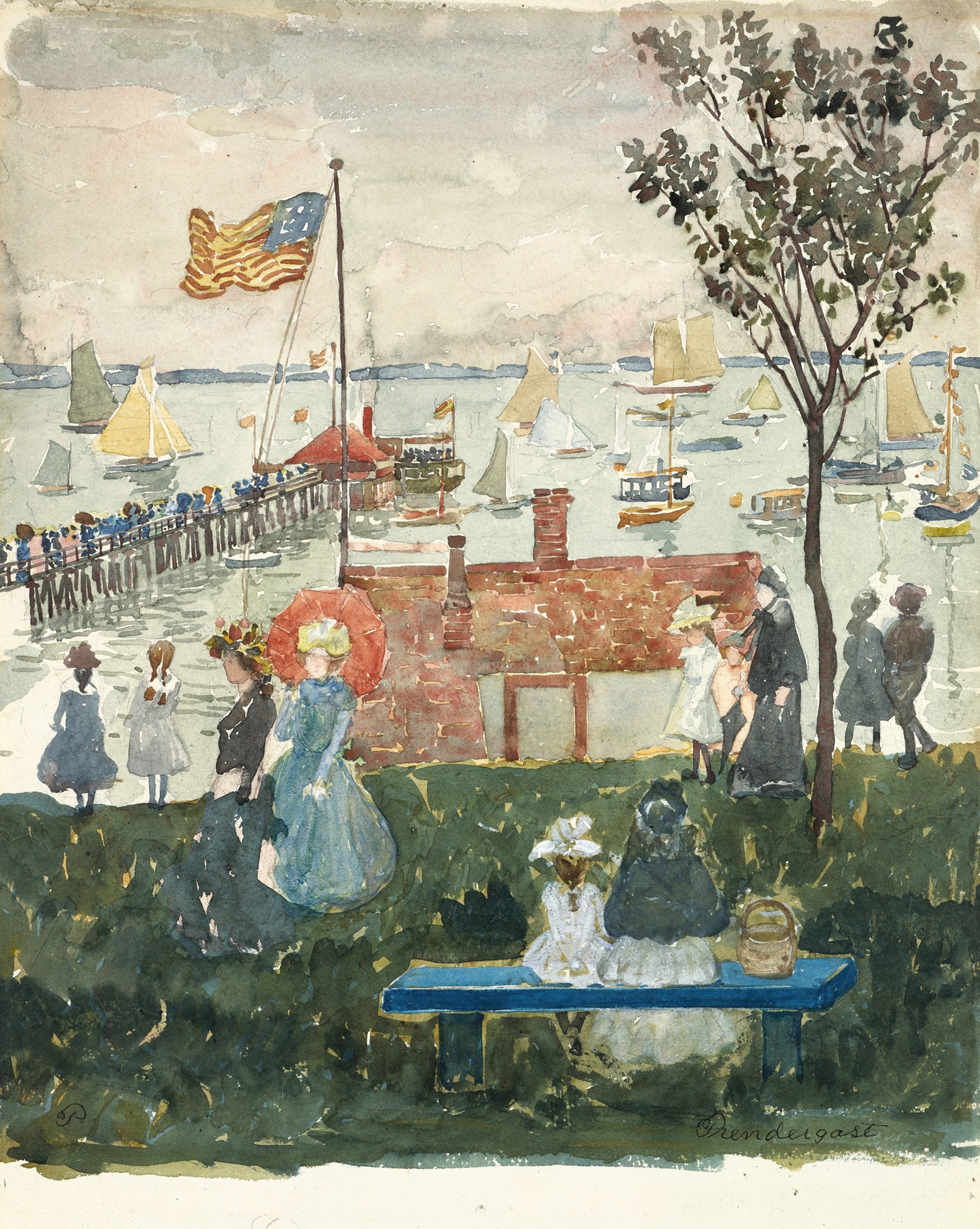
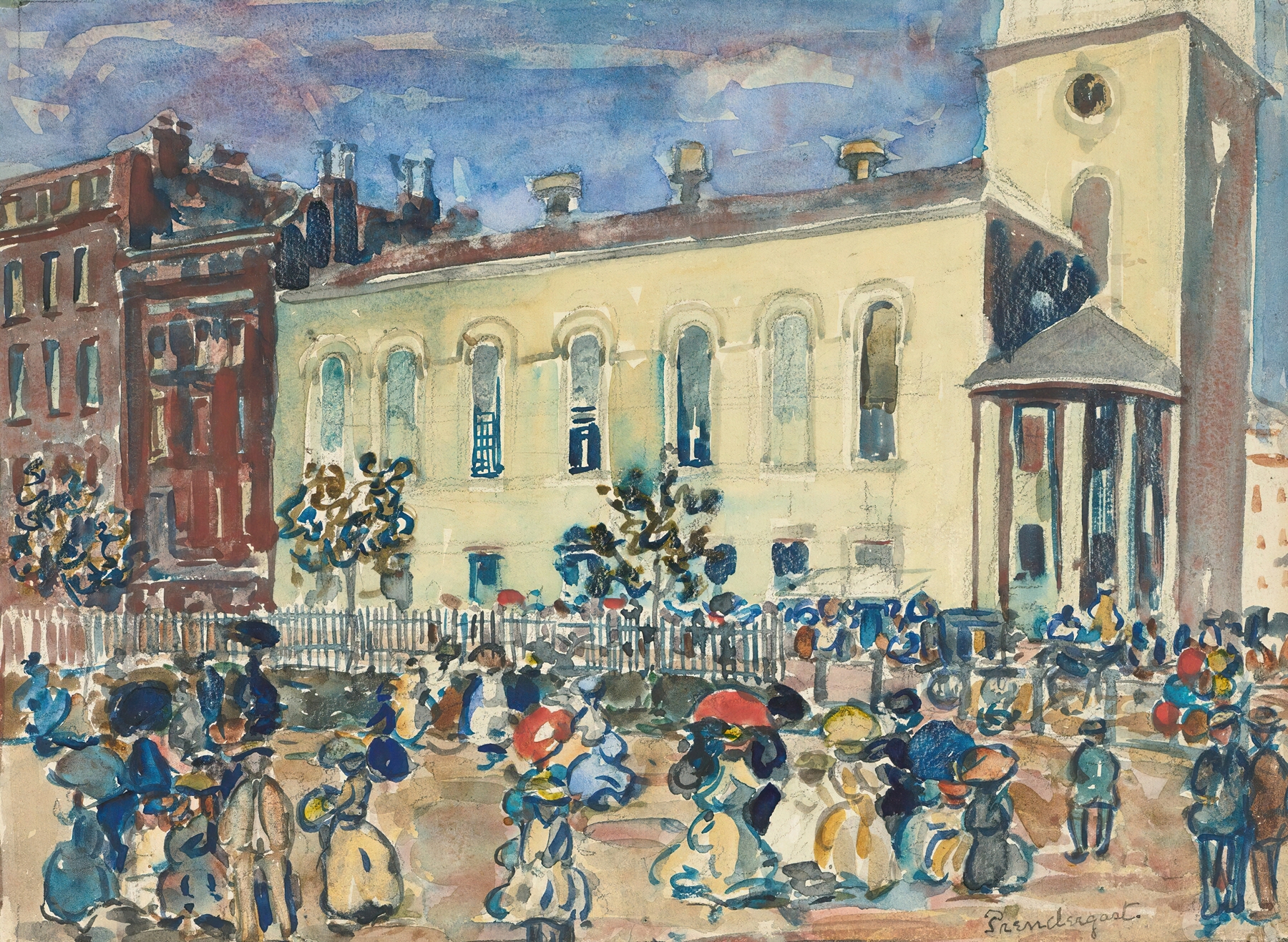
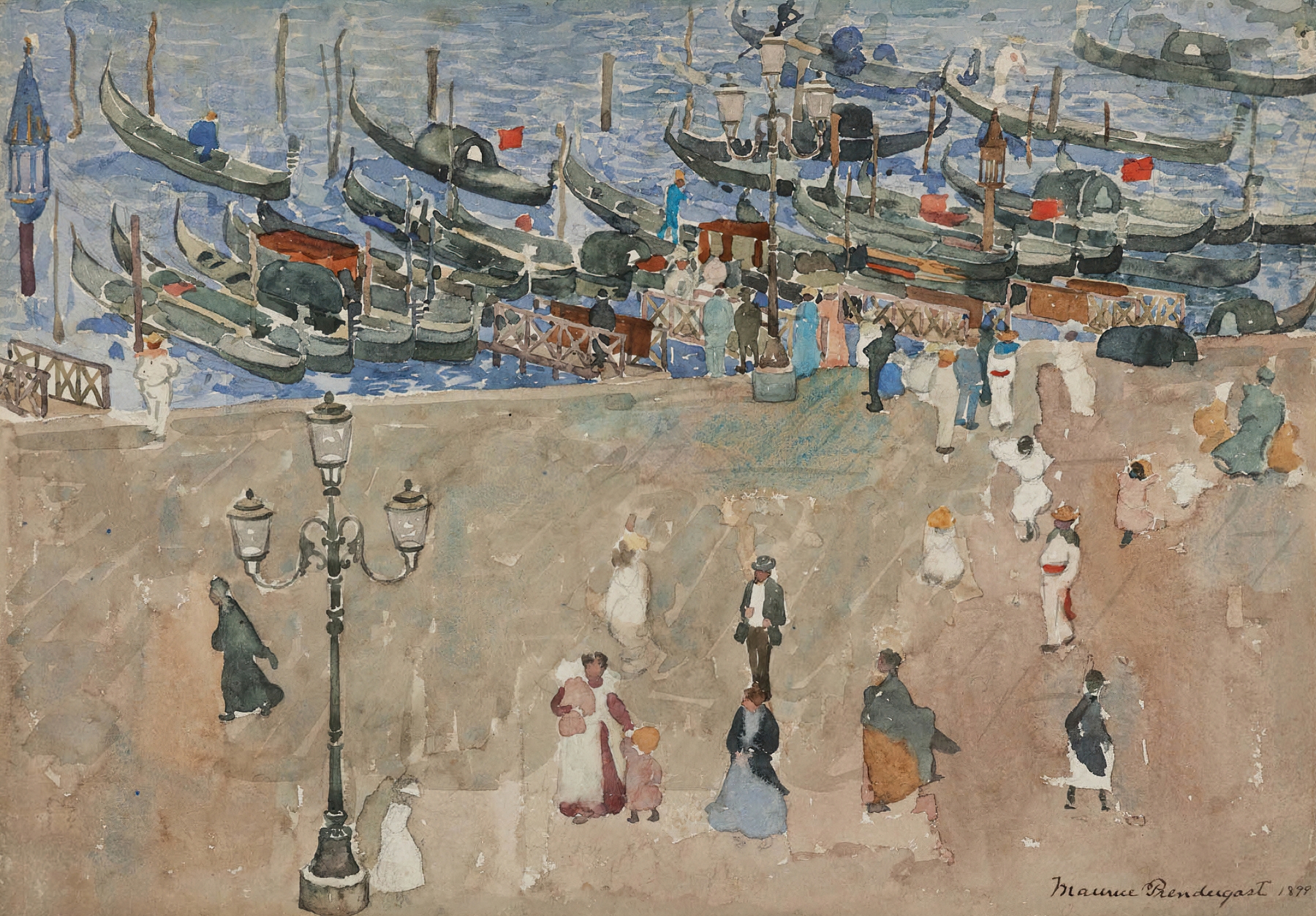
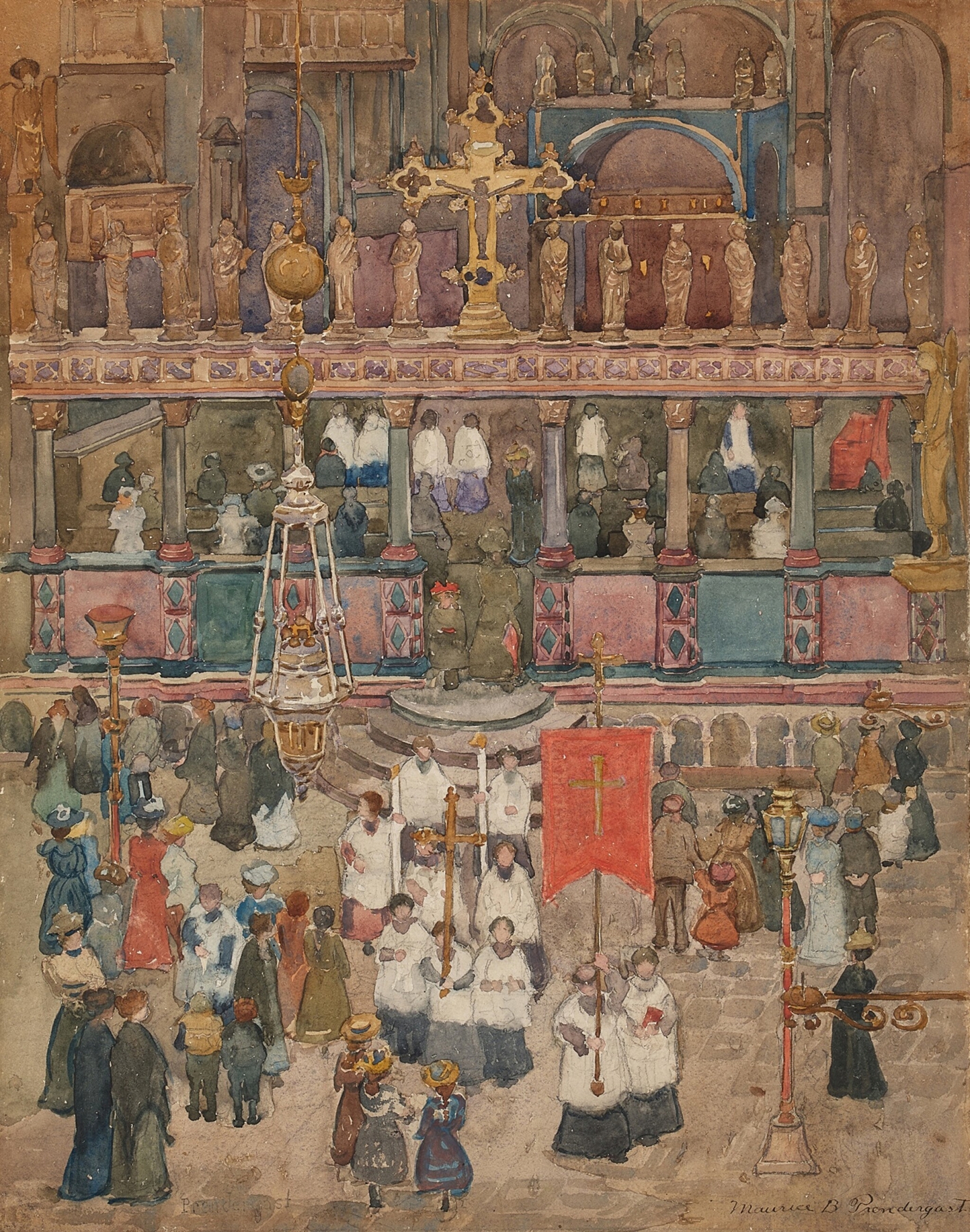
A vibrant crowd flows through the sunlit square, their robes and hats creating a kaleidoscope of colors under the bright sky. Joyful faces are turned upward, a collective breath held in reverence as the Easter procession weaves its way past St. Mark’s Basilica. The air is thick with anticipation, laughter mingling with hushed whispers, while joyous gestures punctuate the stillness of the moment. Look to the left at the animated figures gathered in joyful camaraderie, their bright garments sparkling against the soft blues of the backdrop.
Notice how the light washes over the scene, highlighting the elegant curves of the architecture behind them. The artist’s use of bold brush strokes and vivid colors brings energy to the composition, while the repetition of rounded forms creates a sense of harmony that pulls the viewer in. In this work, ecstatic celebration contrasts with a serene backdrop, emphasizing the joyous reverence of the moment. The interplay between light and shadow reflects a balance between spiritual devotion and earthly pleasure, suggesting that ecstasy can be found in both beauty and faith.
Small details, like the interplay of floral motifs, evoke the blossoming of spring, symbolizing renewal and hope. Created in 1898, this work reflects Prendergast’s deep appreciation for color and light, influenced by the Post-Impressionist movement. At this time, he was actively exploring the intersection of modernity and tradition in art. Living in Boston, he was immersed in a vibrant artistic community that encouraged experimentation, marking a pivotal period in both his personal journey and the broader evolution of American art.