Edelvrouw en de Dood — History & Analysis
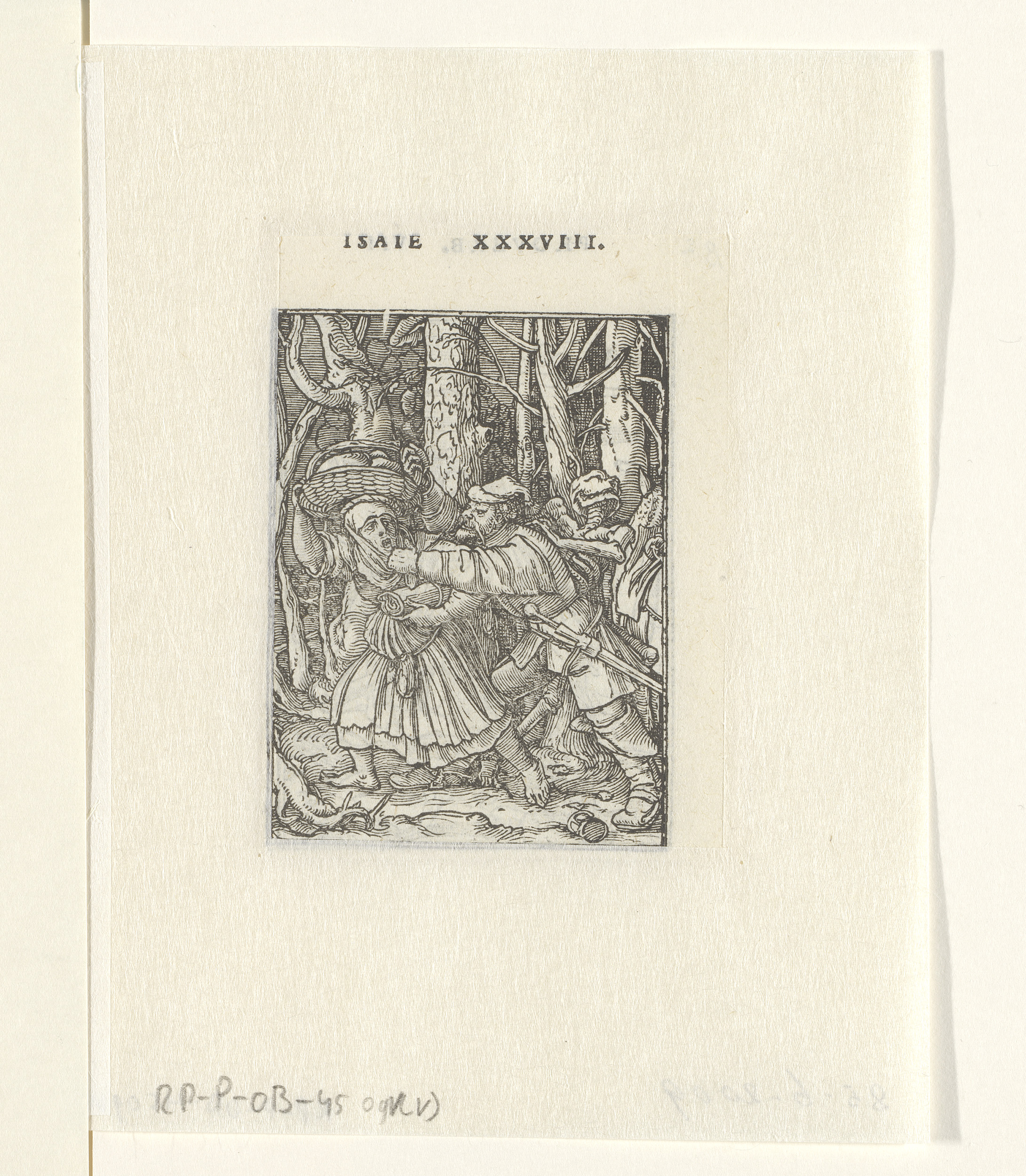
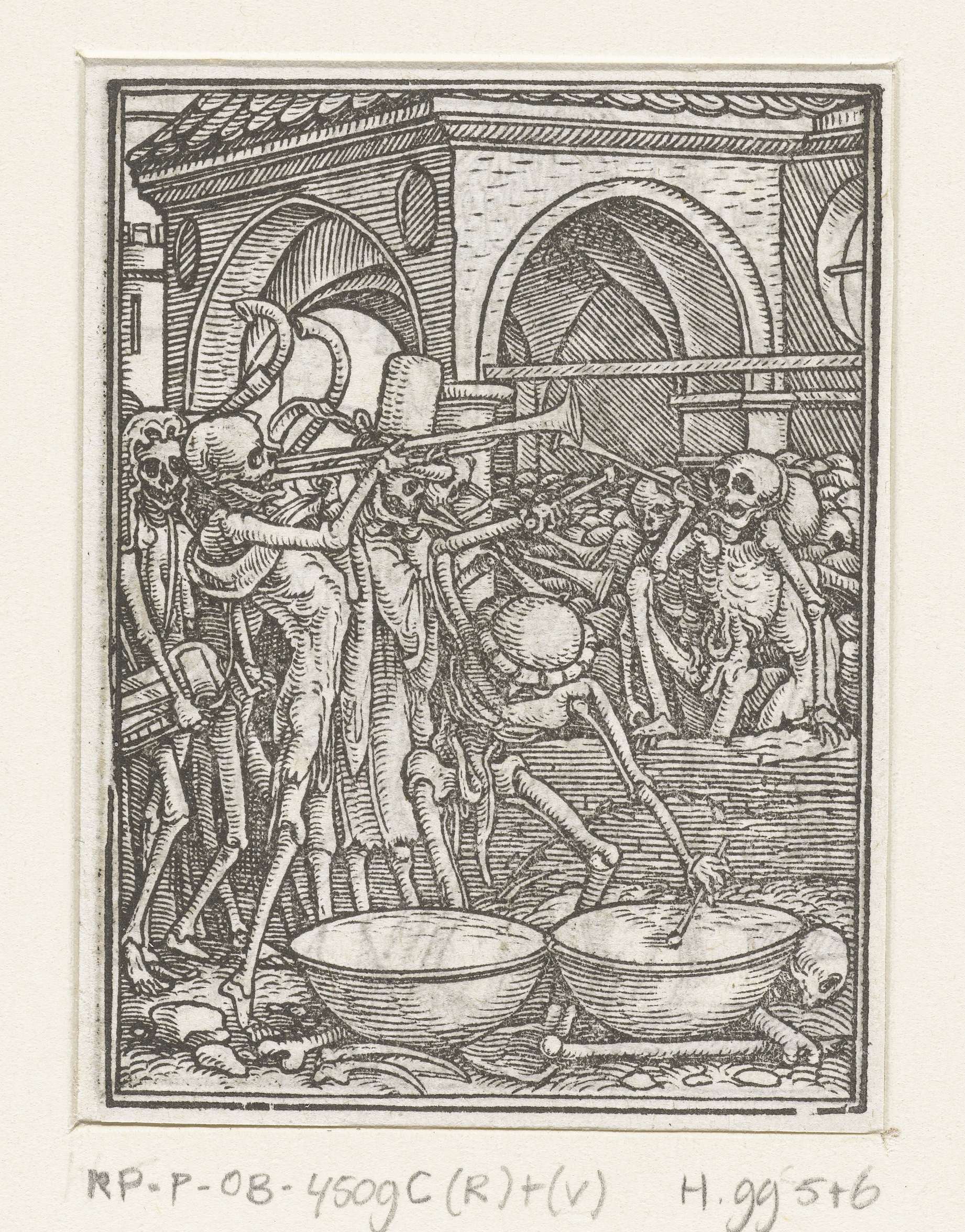
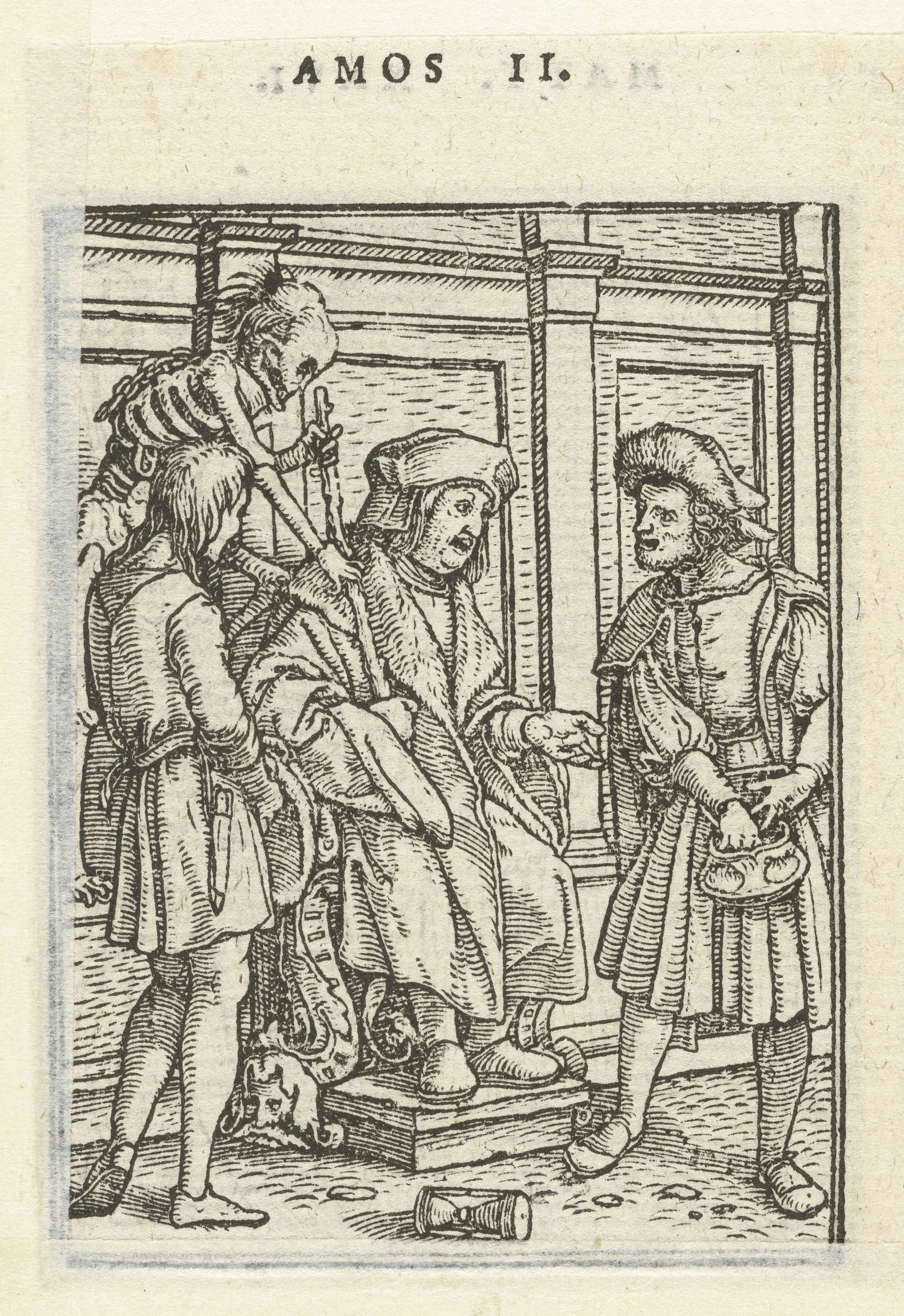
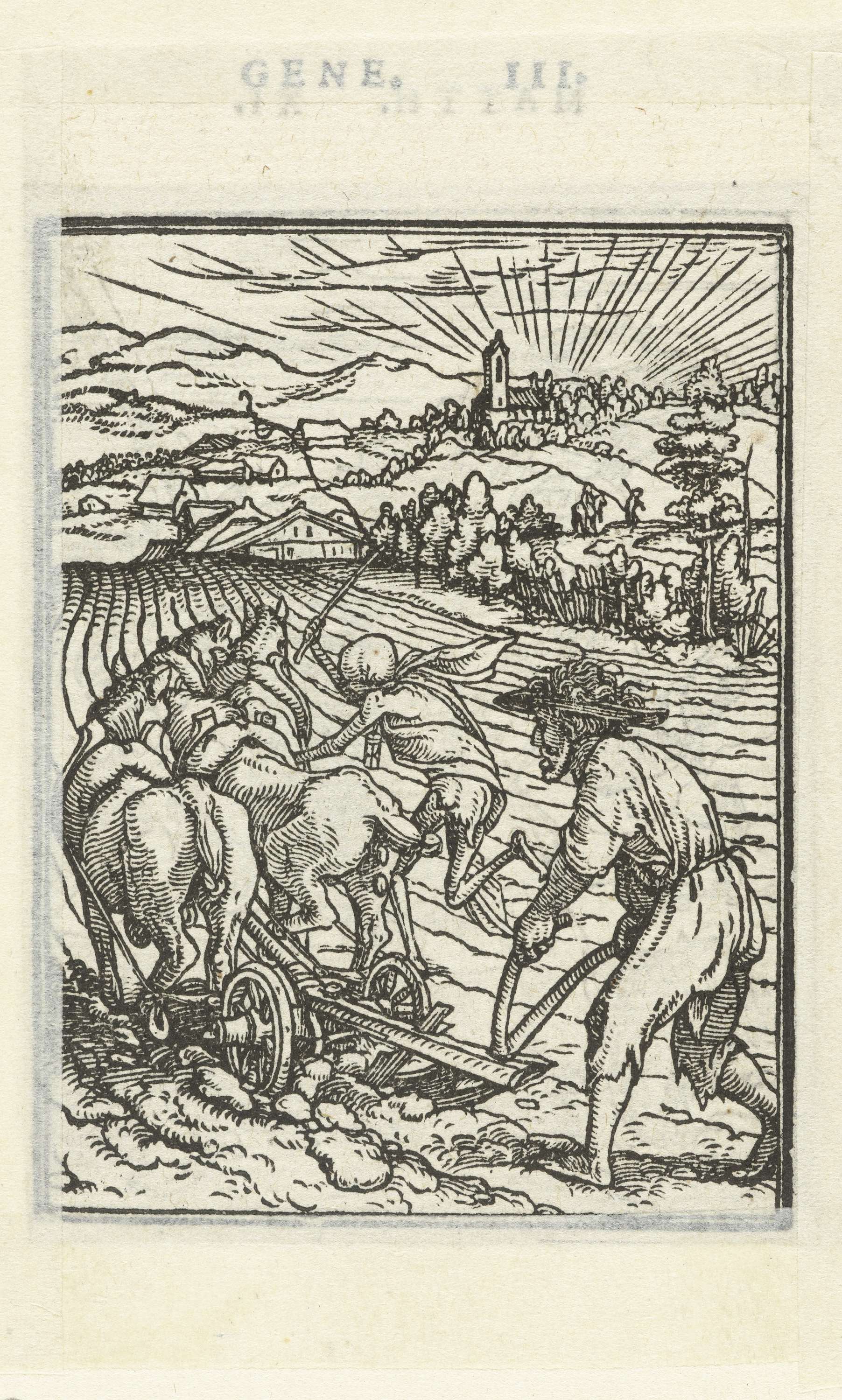
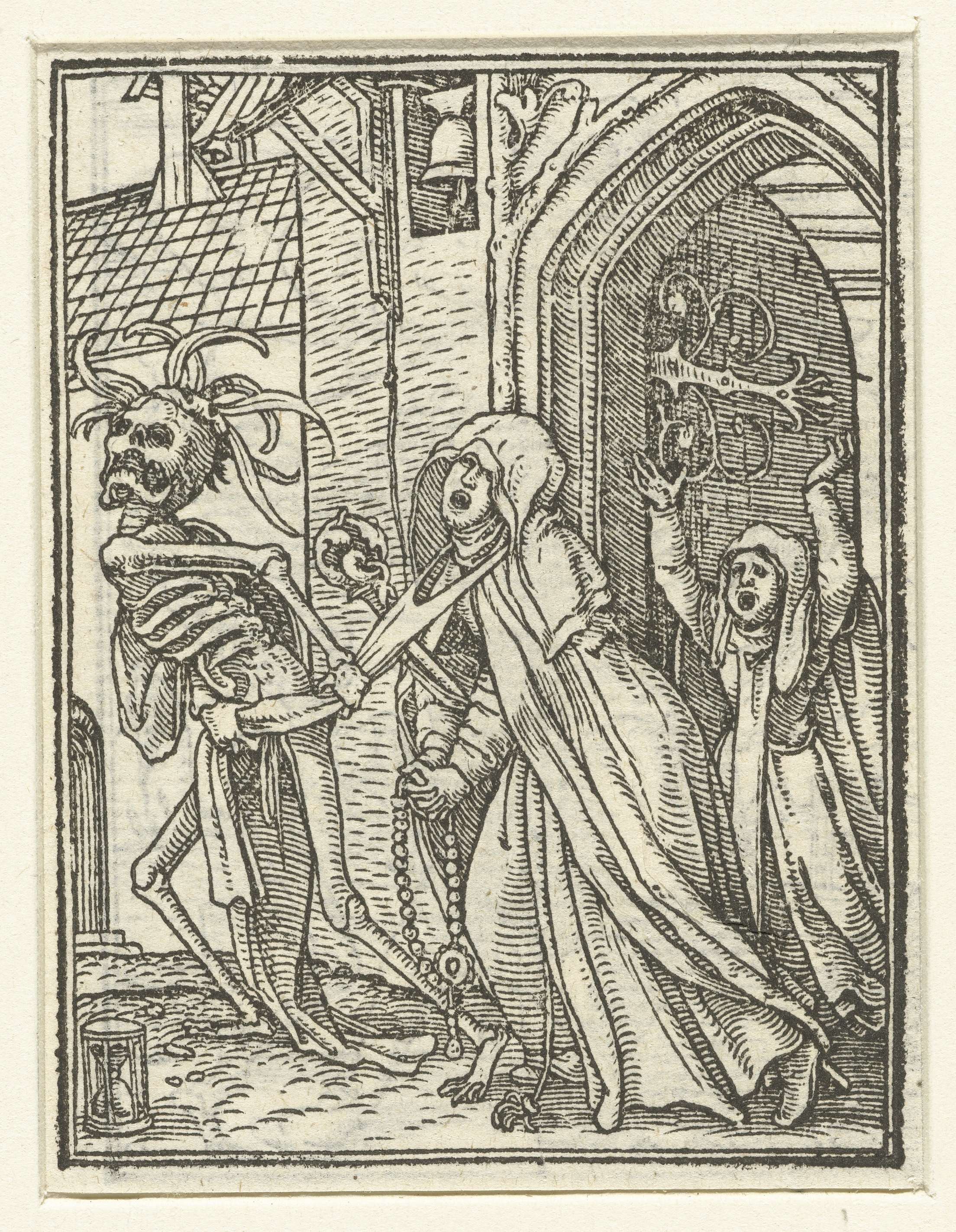
What secret hides in the quiet of the canvas? In Hans Holbein's Edelvrouw en de Dood, a haunting balance between life and mortality invites contemplation, as the viewer is drawn into a delicate negotiation between existence and the inevitable end. Focus first on the serene expression of the woman, elegantly attired, her features a study of grace. The light softly illuminates her face, accentuating the delicate lace of her collar, while the deep, shadowy background envelops her, enhancing the contrast between the vibrancy of life and the stillness of death that lurks nearby.
Notice how the figure of Death is subtly integrated into the composition, merging seamlessly with the elegant drapery, a reminder that life and death exist inextricably linked, balanced within the frame. Delve deeper into the emotional currents at play: the woman's calm demeanor juxtaposed against the ominous presence of Death evokes a sense of acceptance rather than fear. The intricate details of her attire, rich in color and texture, speak of wealth and status, yet also highlight the transience of such earthly concerns. The painting encapsulates a profound truth—though one may adorn themselves in refinement, the specter of mortality remains an inevitable companion, lurking always just beyond the veil of consciousness.
In 1538, Hans Holbein was in England, gaining acclaim as a portraitist for the Tudor court. During this period, Europe was rife with religious upheaval and existential questioning, themes that resonated deeply in his work. Edelvrouw en de Dood reflects not only the personal introspection of the artist but also the broader cultural dialogue surrounding life, death, and the human experience, capturing a moment of introspection that transcends time.