Eichenwald im Solling — History & Analysis
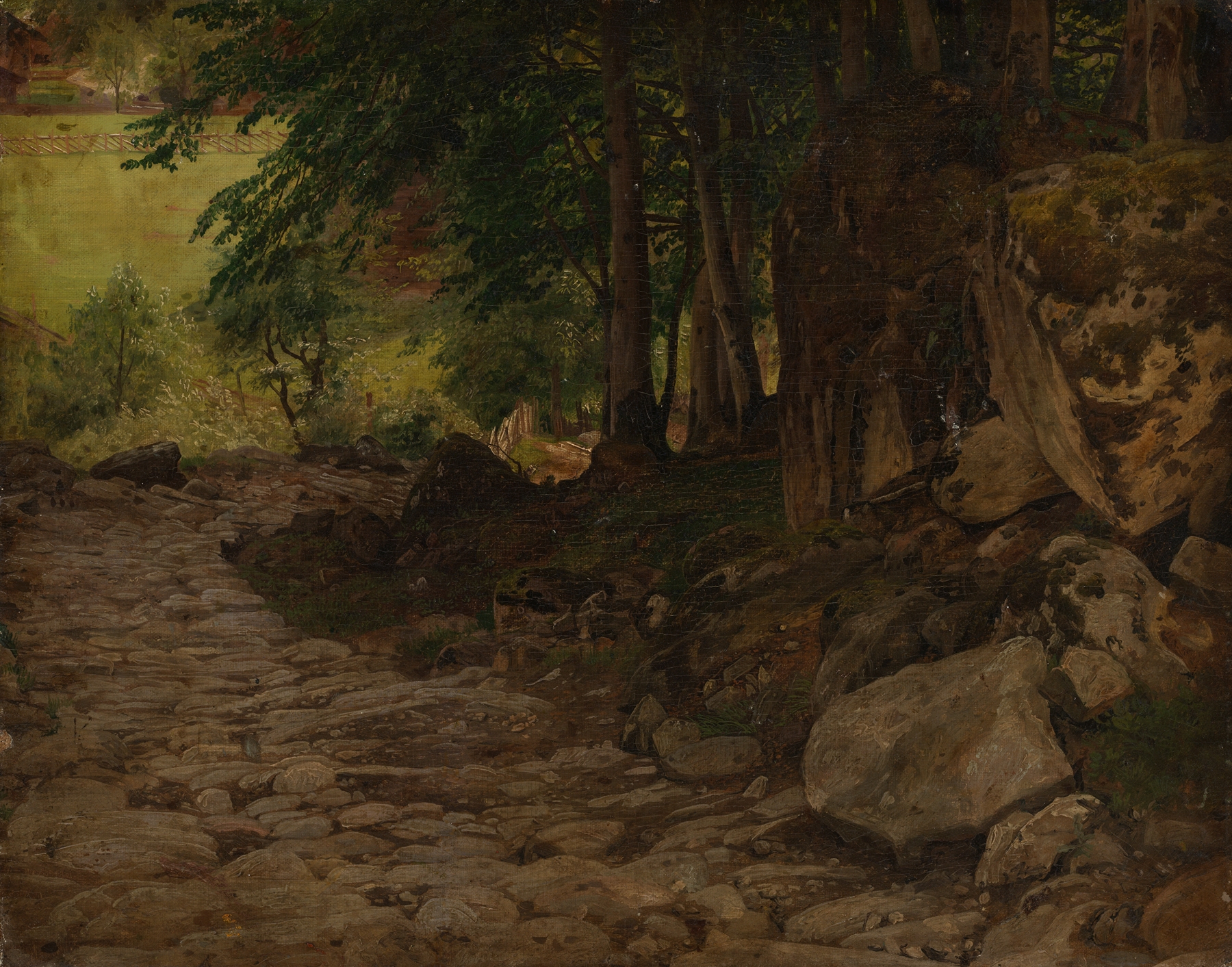
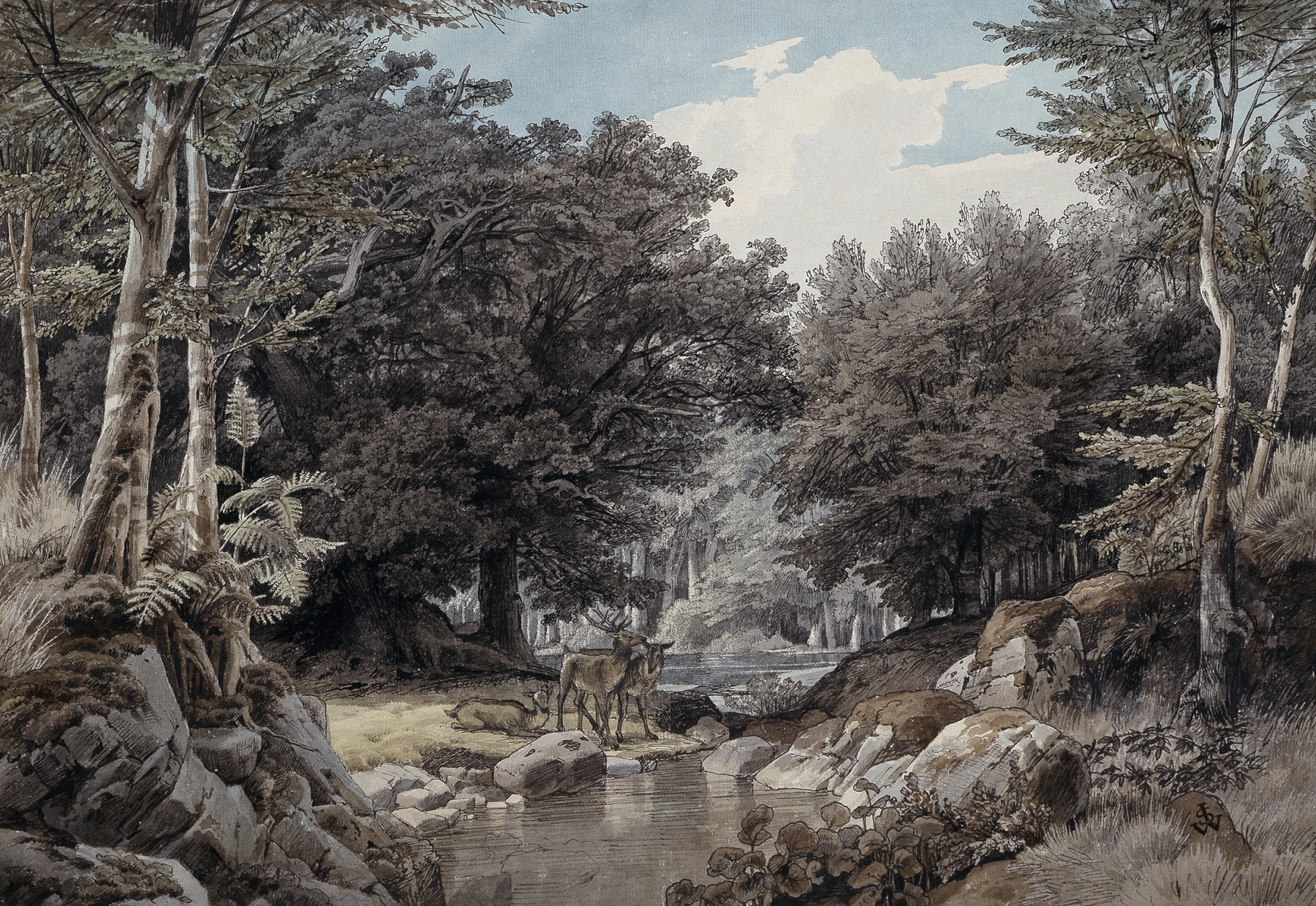
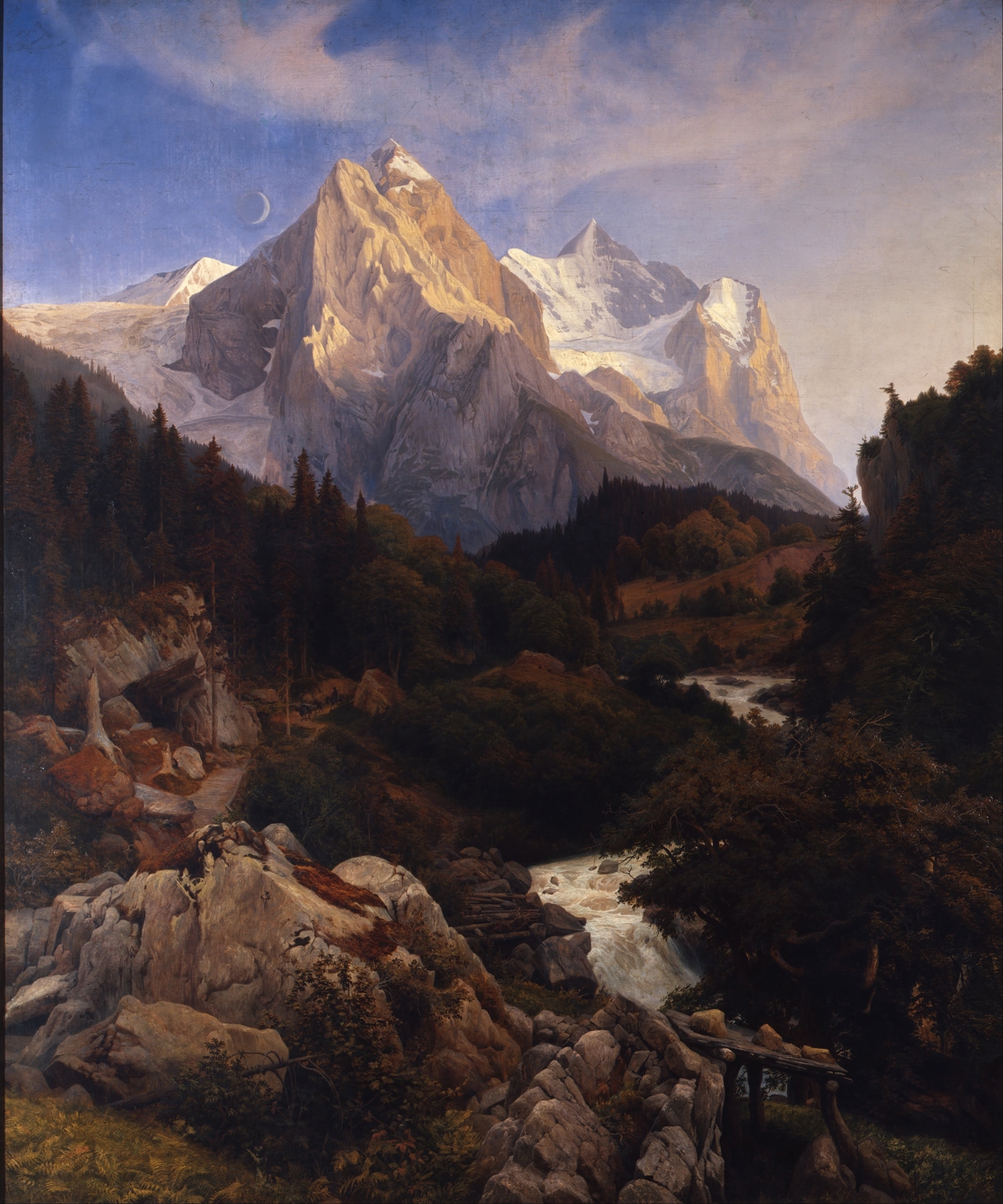
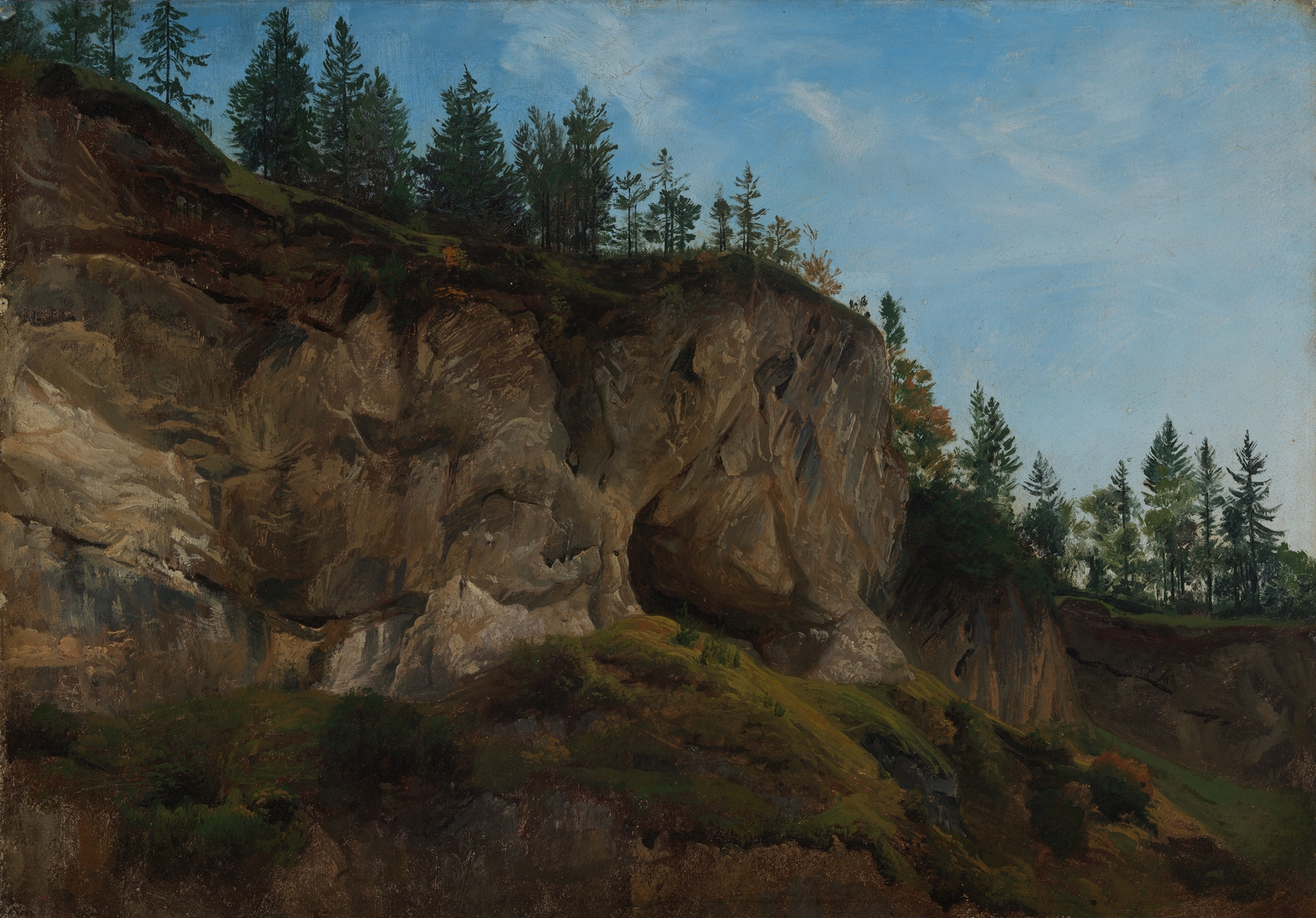
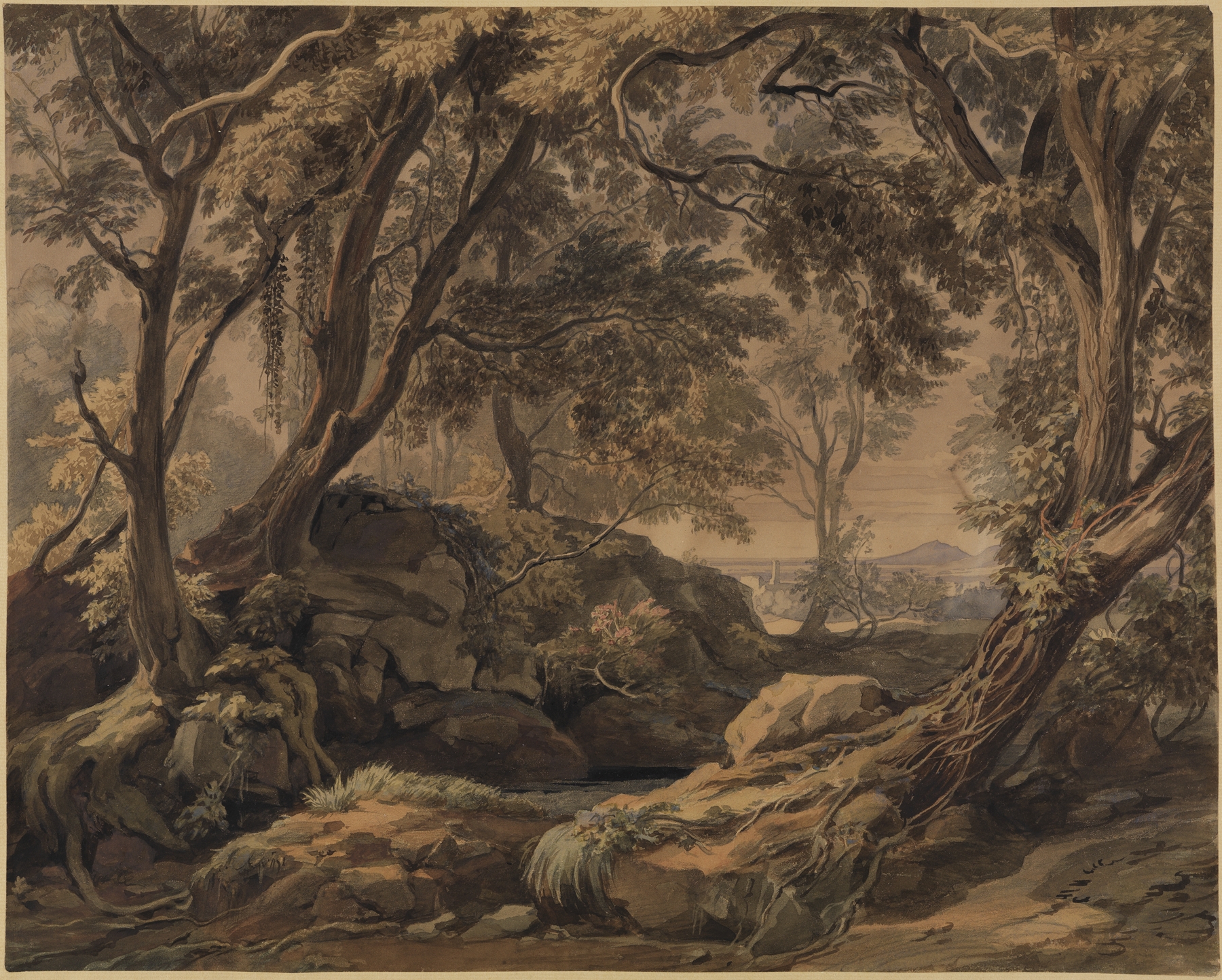
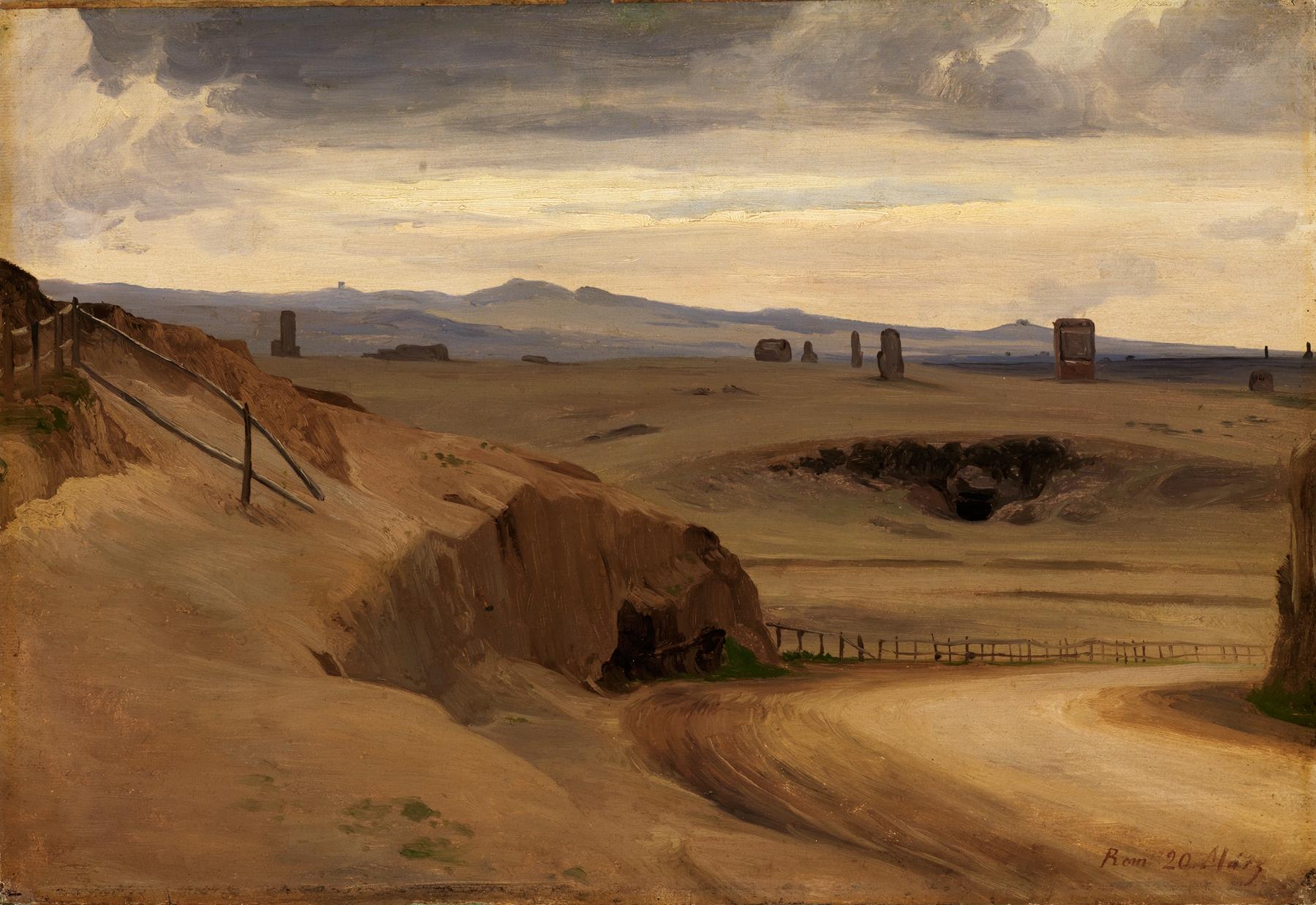
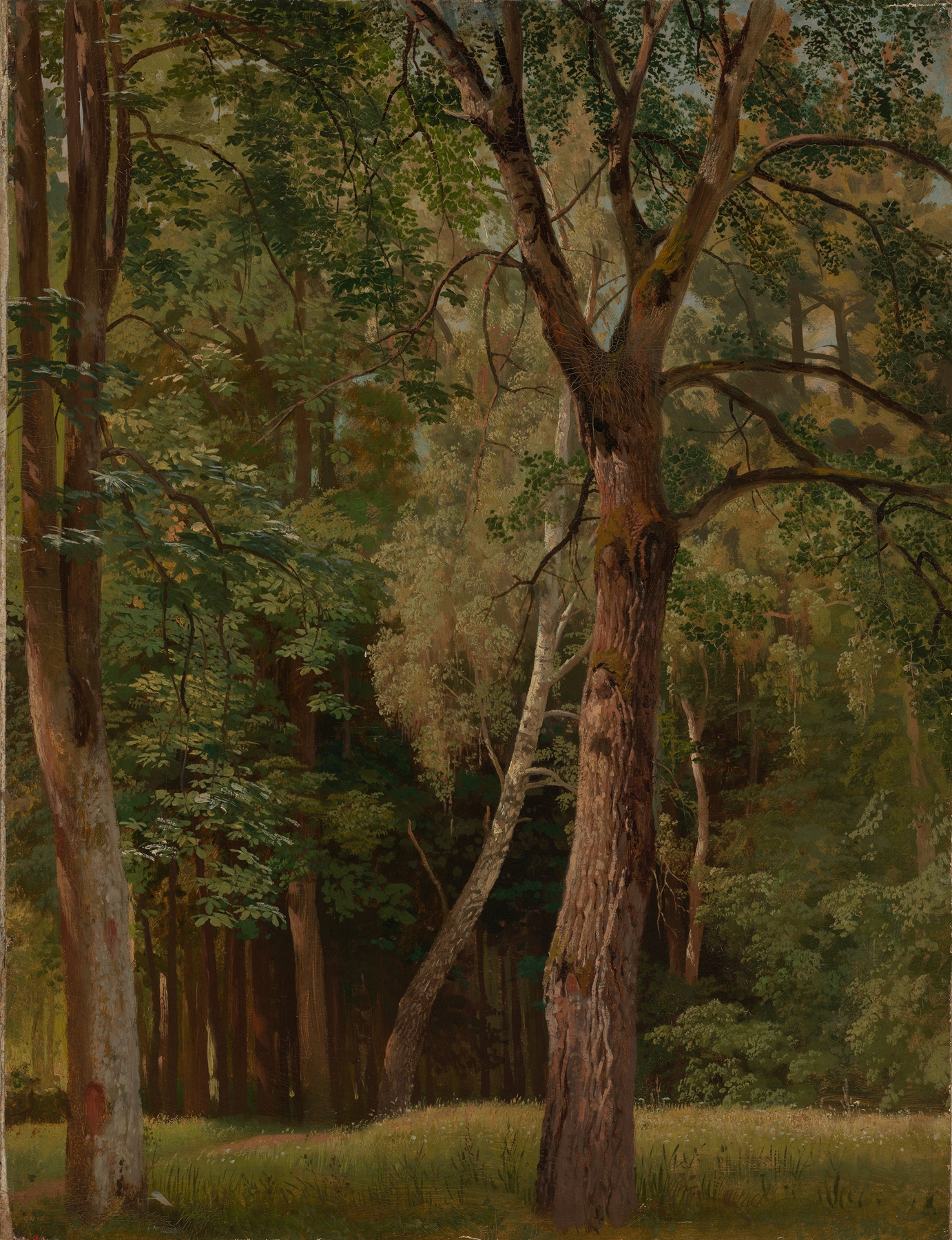
“The canvas doesn’t lie — it simply waits.” In the stillness of nature, time holds its breath as destiny quietly unfolds amidst the trees. Look to the center where a majestic oak stands, its gnarled branches reaching wide, as if embracing the very air it breathes. The interplay of light and shadow dances over the forest floor, inviting the viewer to trace the gentle contours of the underbrush, where hints of vibrant greens peek through the browns of decaying leaves. The subtle brushwork creates a sense of depth, guiding the eye from the foreground to the distant, dreamlike horizon where the sky kisses the treetops.
Beneath the serene facade lies a tapestry of contrasts: the steadfastness of the ancient tree against the ephemeral nature of the surrounding foliage, a reflection of life's transient moments. Each leaf tells a story of resilience, yet the shadows whisper of inevitability, hinting at the cycle of growth and decay inherent in the natural world. The atmosphere is thick with unspoken emotion, inviting introspection and contemplation about the future and the paths we tread.
Johann Wilhelm Schirmer created this piece in the early 1840s while living in Germany, a period marked by the rise of Romanticism in art. His work sought to capture the essence of nature and evoke emotions tied to the human experience, mirroring the shifting sentiments of a society grappling with change. Schirmer's deep respect for the landscape, shaped by the era’s artistic movement, is palpable in this serene portrayal, reflecting both personal and universal truths.