Emerald Bay, Lake Tahoe — History & Analysis
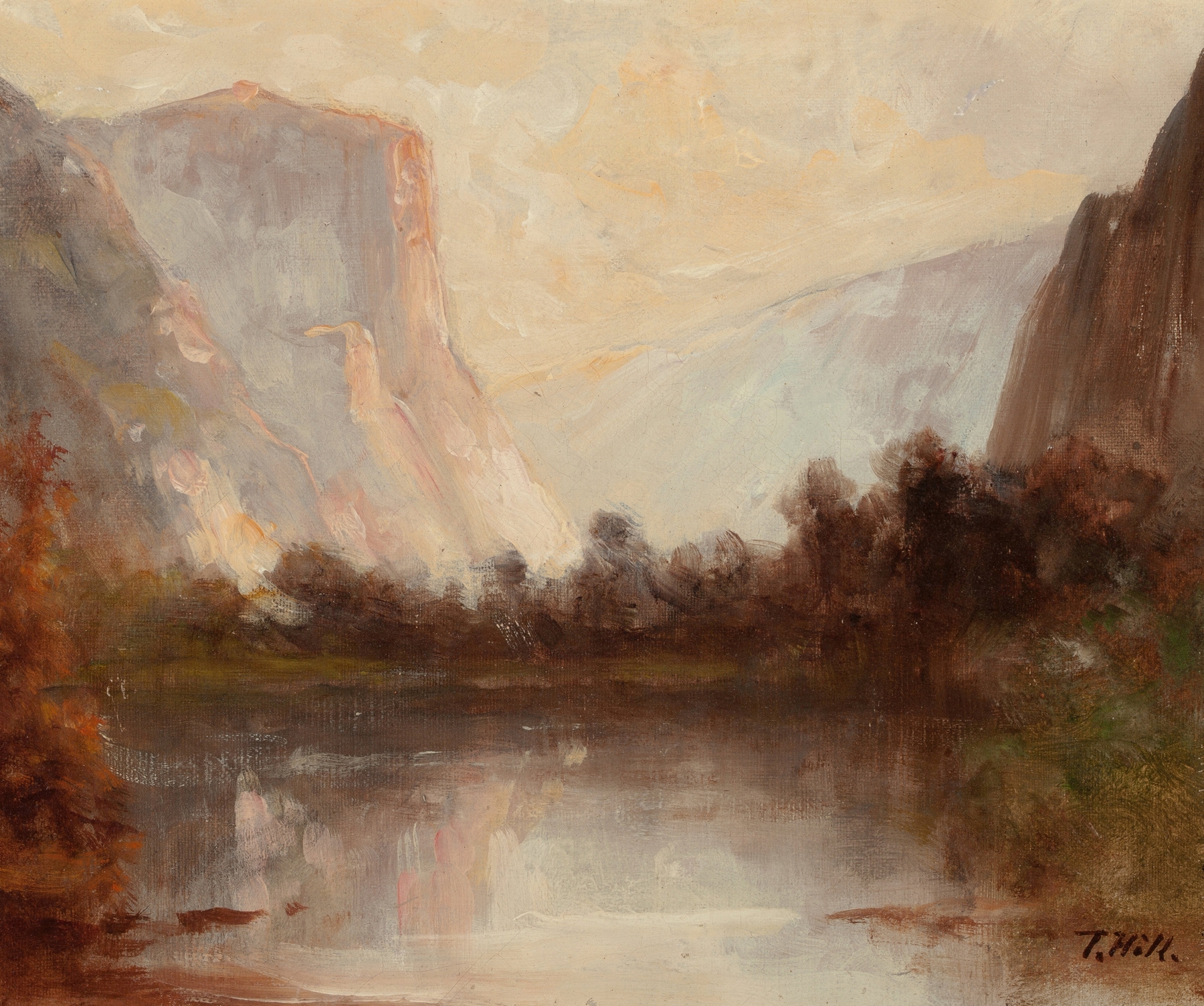
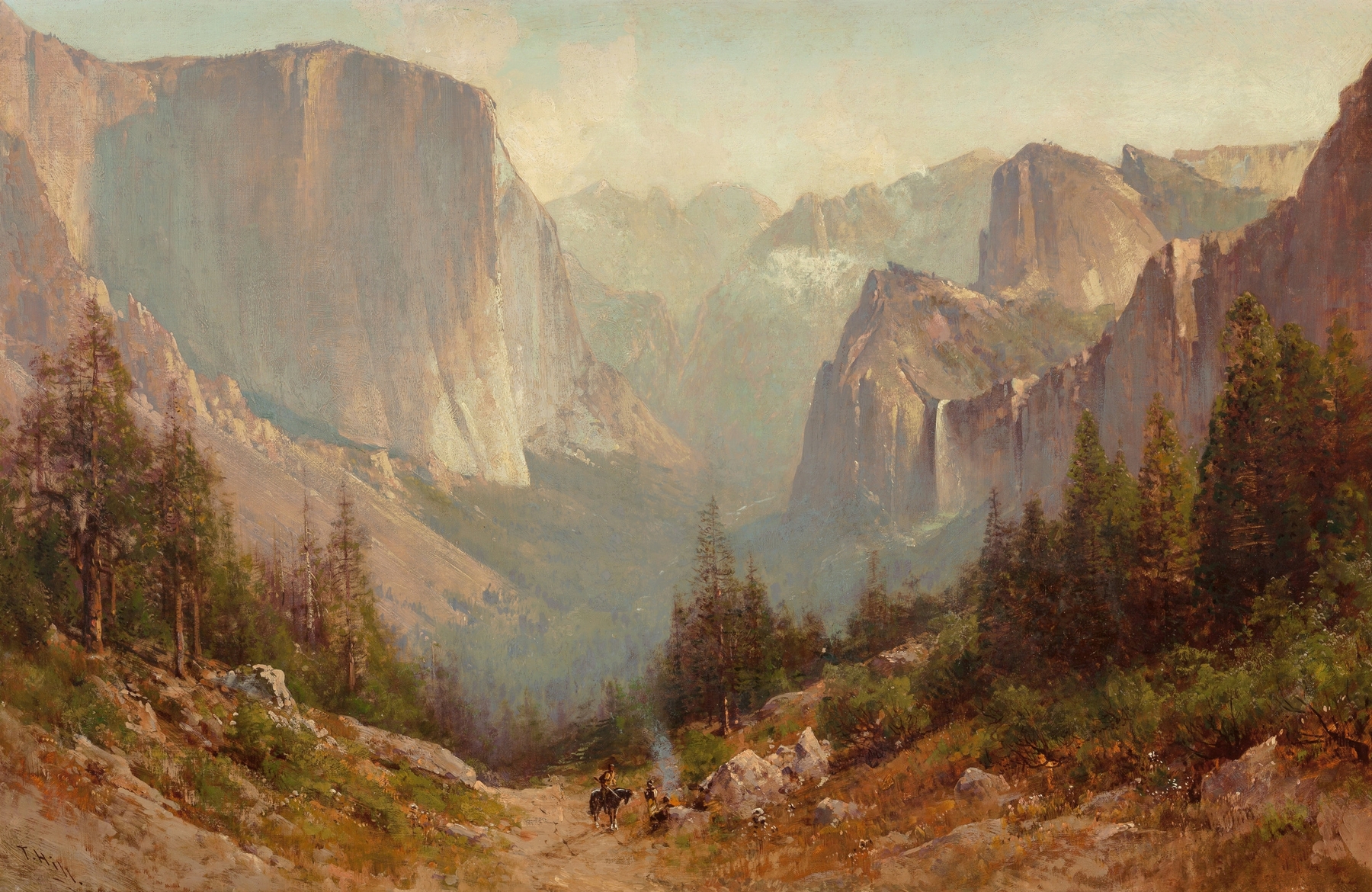
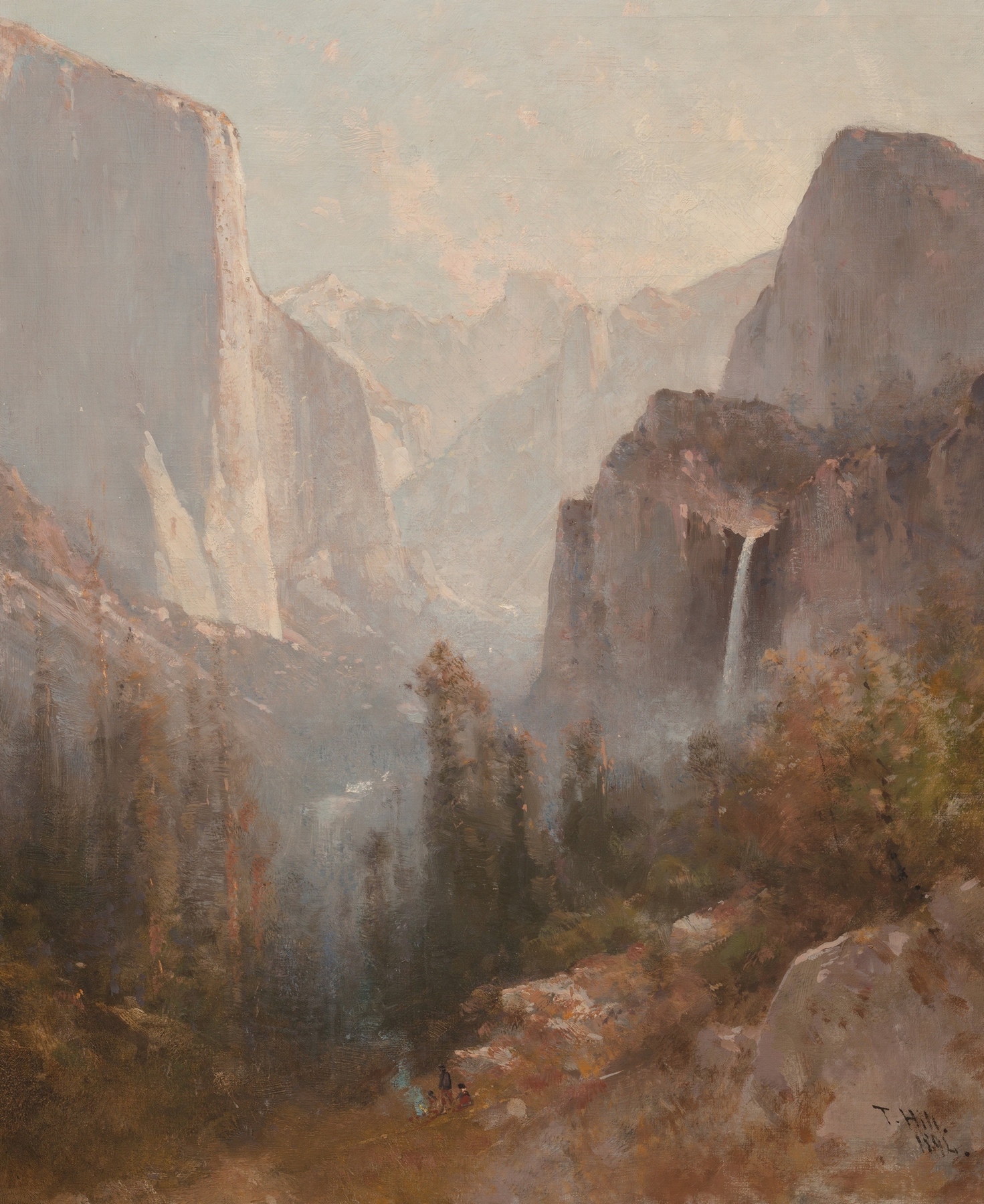
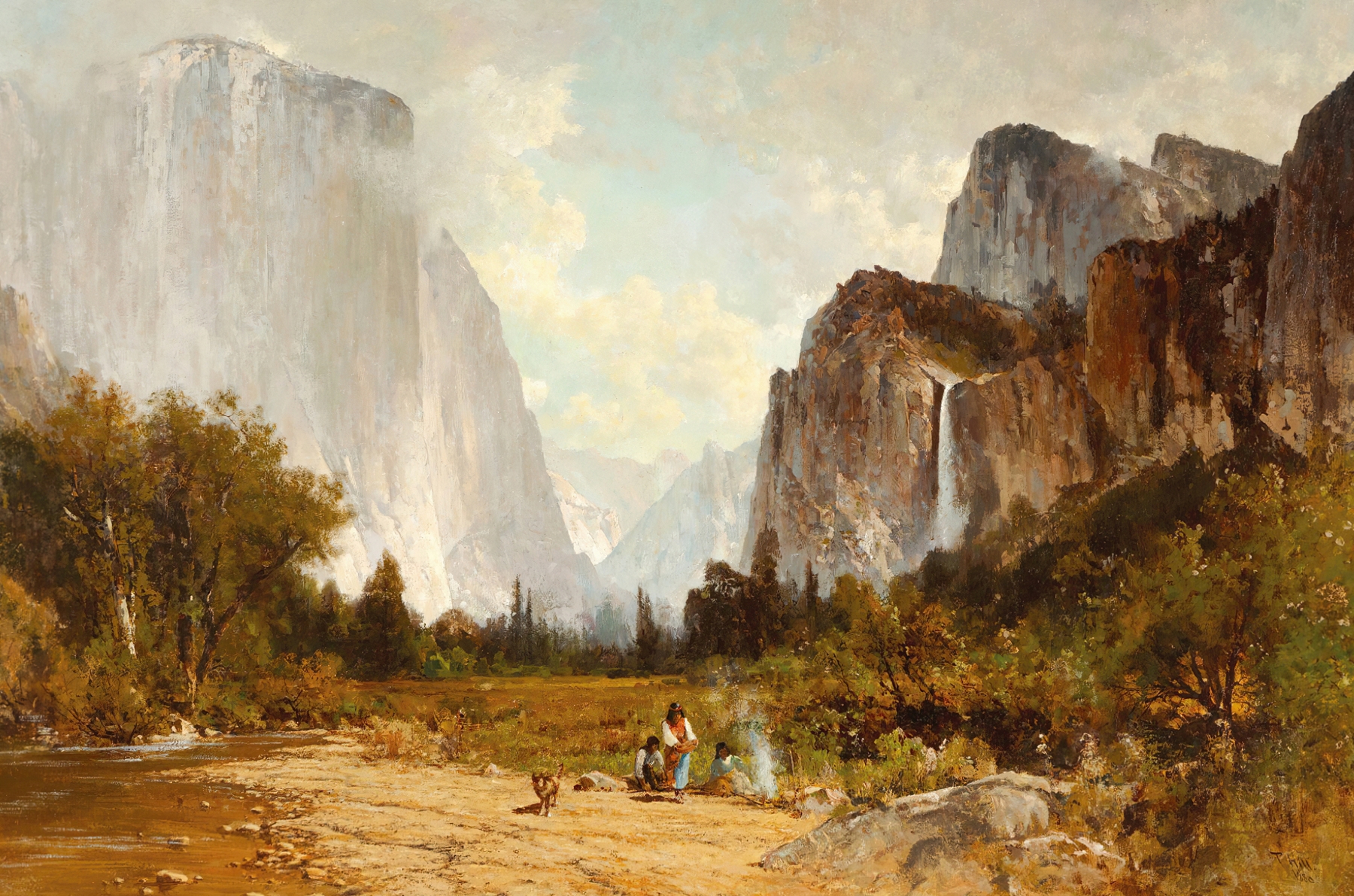
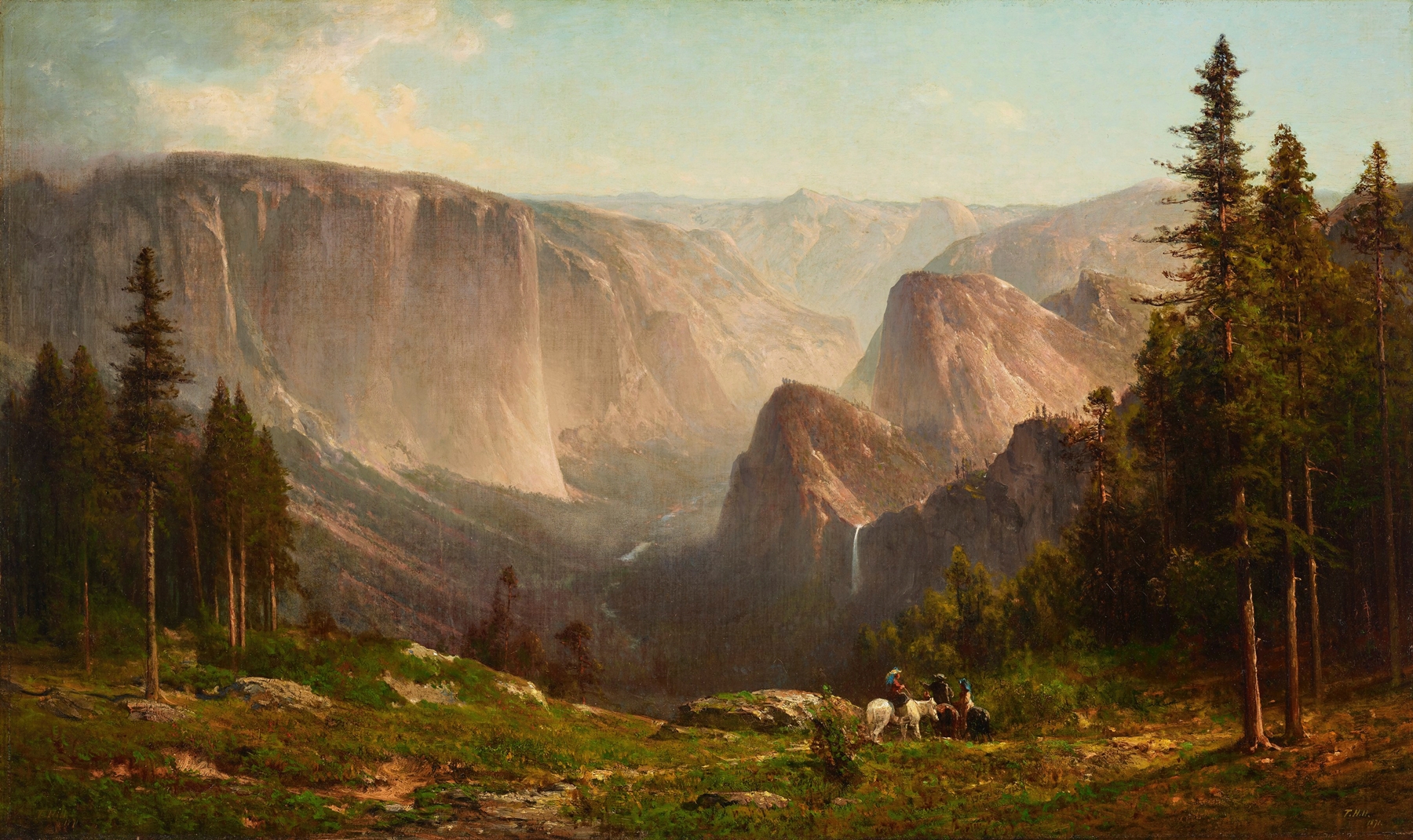
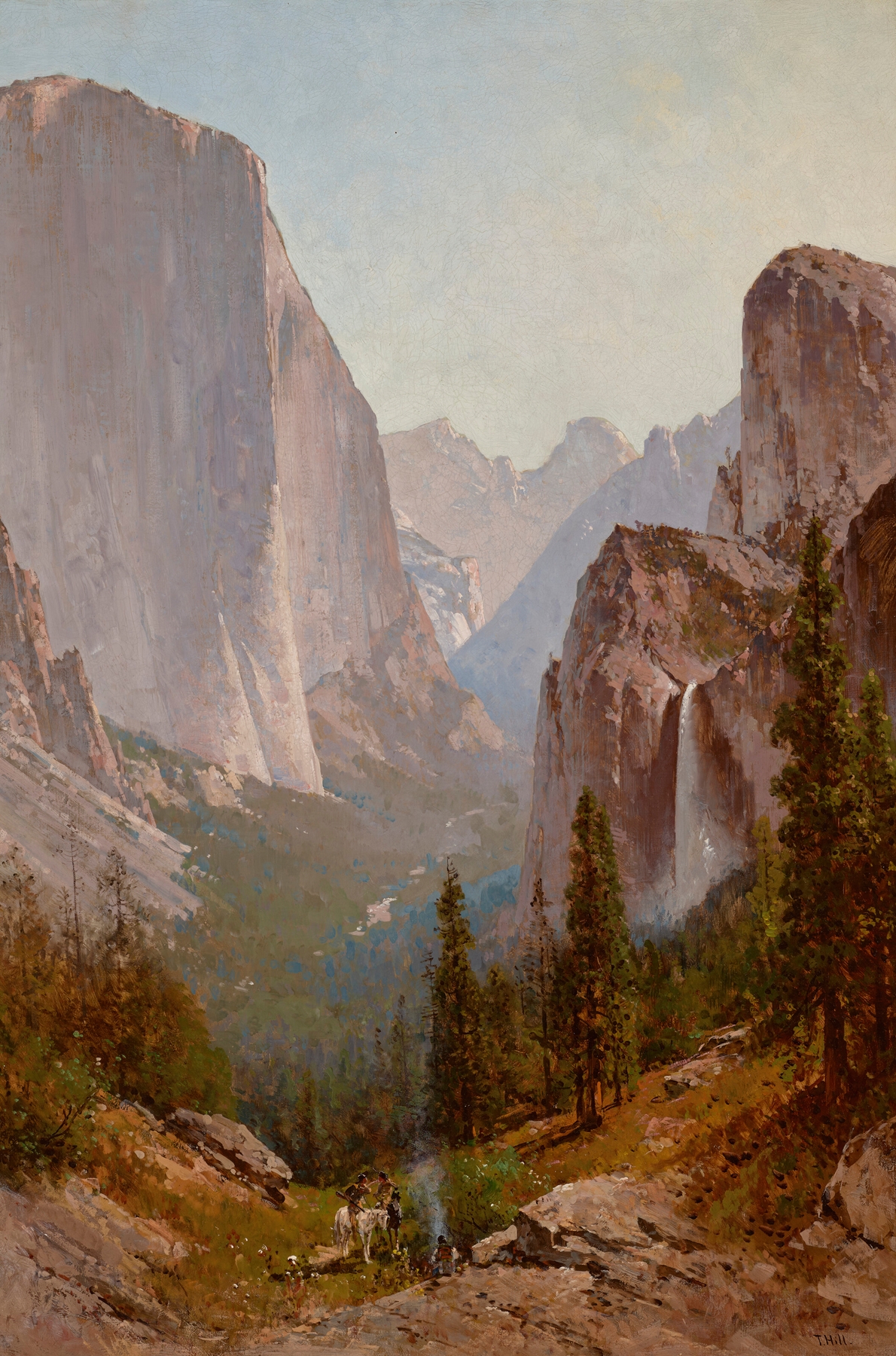
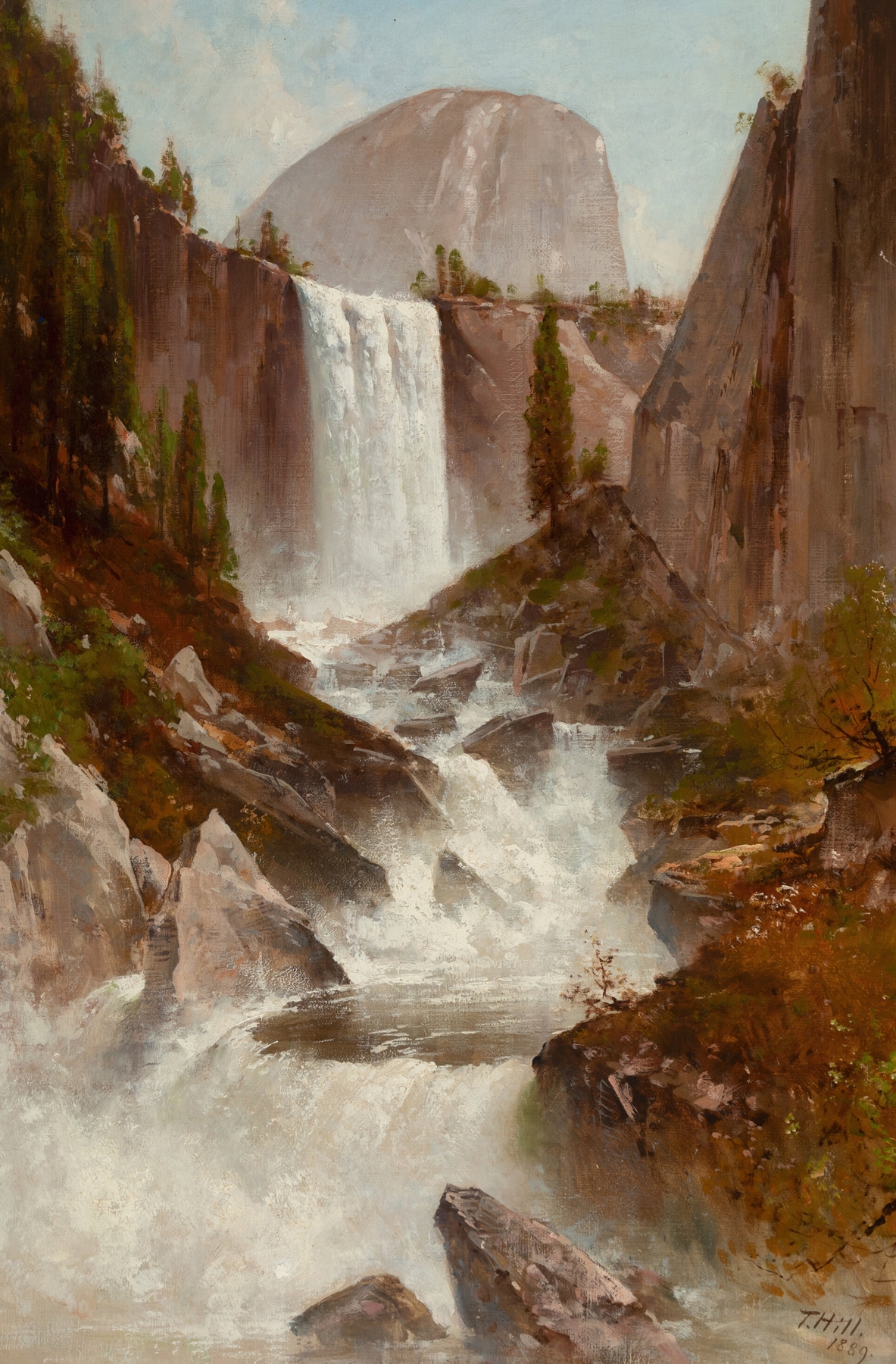
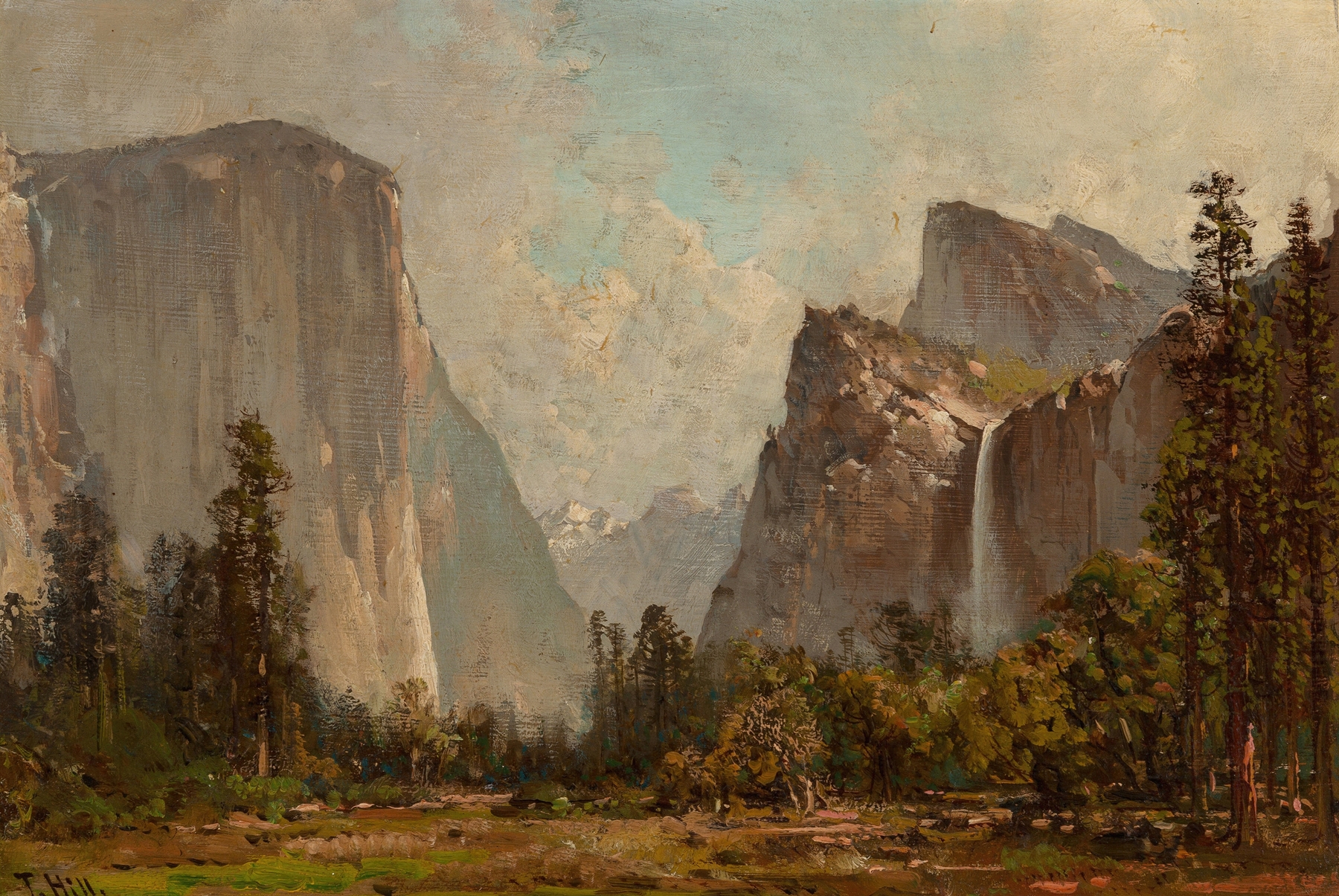
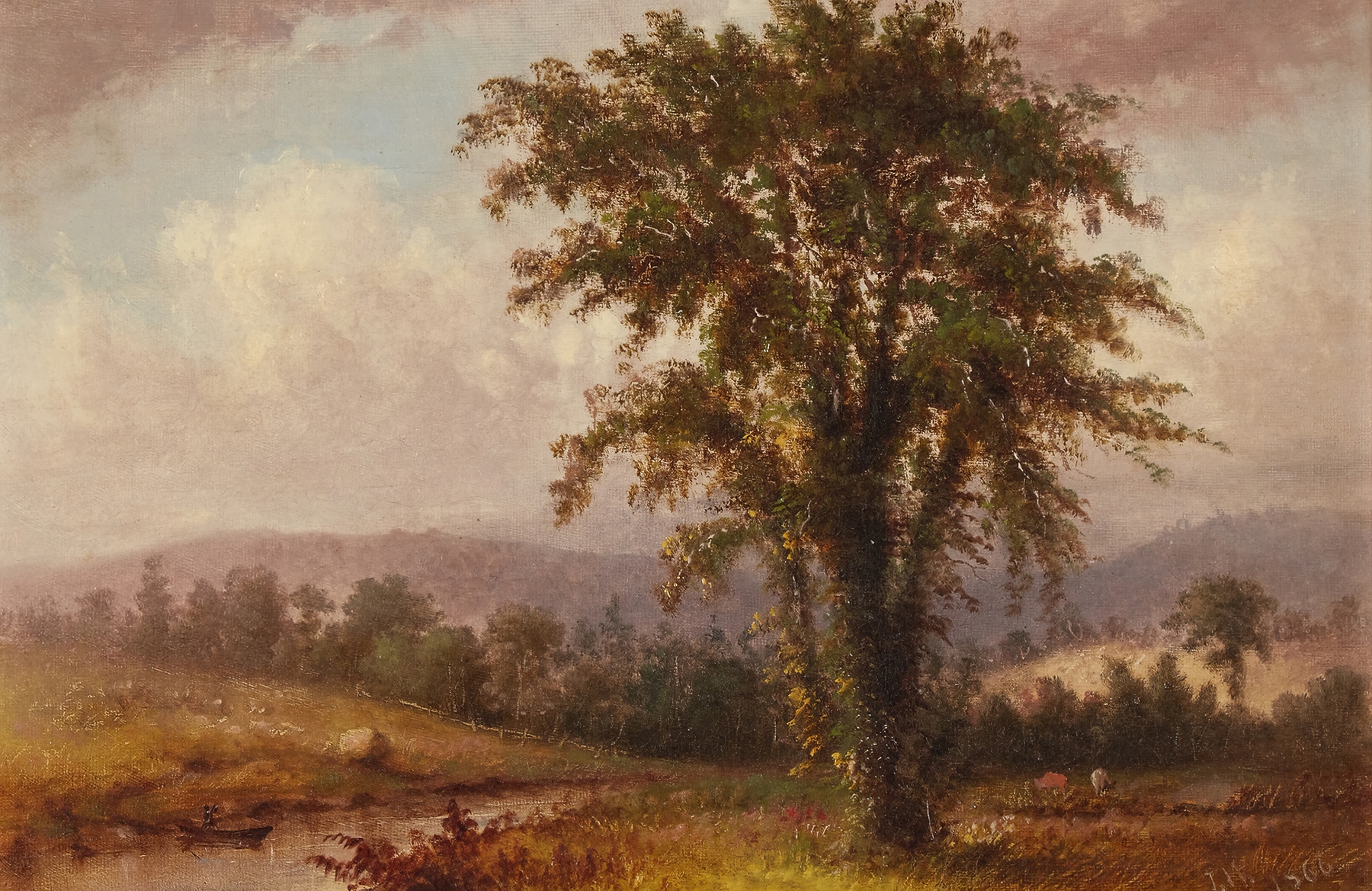
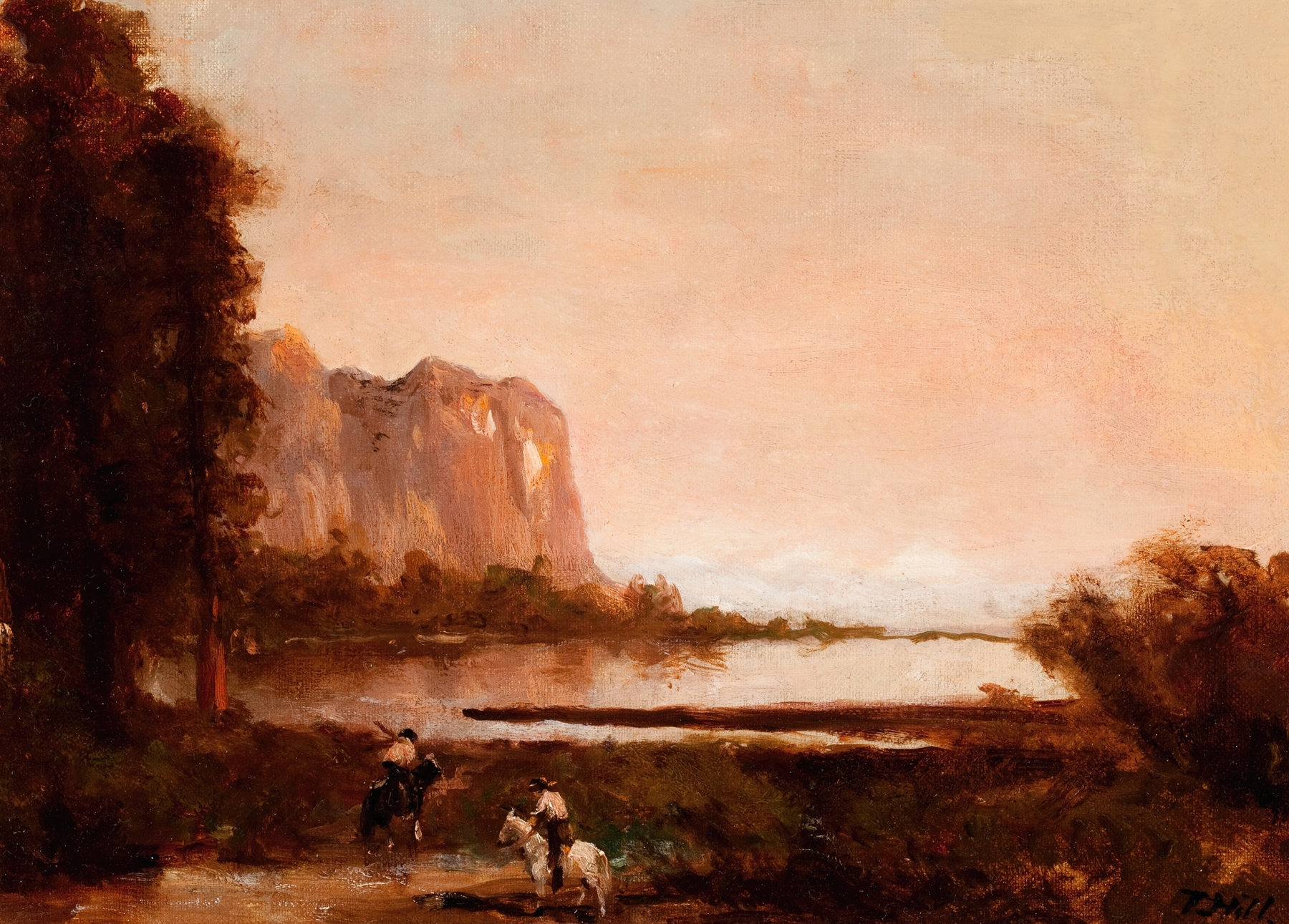
Who listens when art speaks of silence? In the tranquil embrace of Emerald Bay, Lake Tahoe, every brushstroke resonates with a sense of transformation, inviting viewers to pause and reflect. Look to the foreground, where the shimmering lake sprawls across the canvas, its emerald depths contrasting sharply with the rugged granite cliffs that stand sentinel at the water's edge. The light dances delicately upon the surface, illuminating the vibrant hues of green and blue while casting soft shadows that suggest depth and mystery.
Notice how the artist’s meticulous attention to detail in the foliage creates a sense of life, breathing energy into the stillness of the scene. Beneath the serene beauty lies a hidden tension between nature's magnificence and its fleeting moments. The interplay of light and shadow symbolizes the passage of time, hinting at both the permanence of the landscape and the transient nature of human experience. The gentle ripples on the water evoke a sense of calm, yet they remind us of the unceasing flow of life, suggesting that transformation is always at hand, whether in nature or within ourselves.
In 1864, Thomas Hill painted this iconic landscape during a period of growing interest in American naturalism and the depiction of the Western frontier. Living in California at a time when the nation was still grappling with its identity, Hill sought to capture the essence of the American landscape, conveying both its beauty and its enormity. This work emerged amid a vibrant artistic community, drawn to the majesty of the West, as it became increasingly recognized for its cultural and artistic significance.