Yosemite — History & Analysis
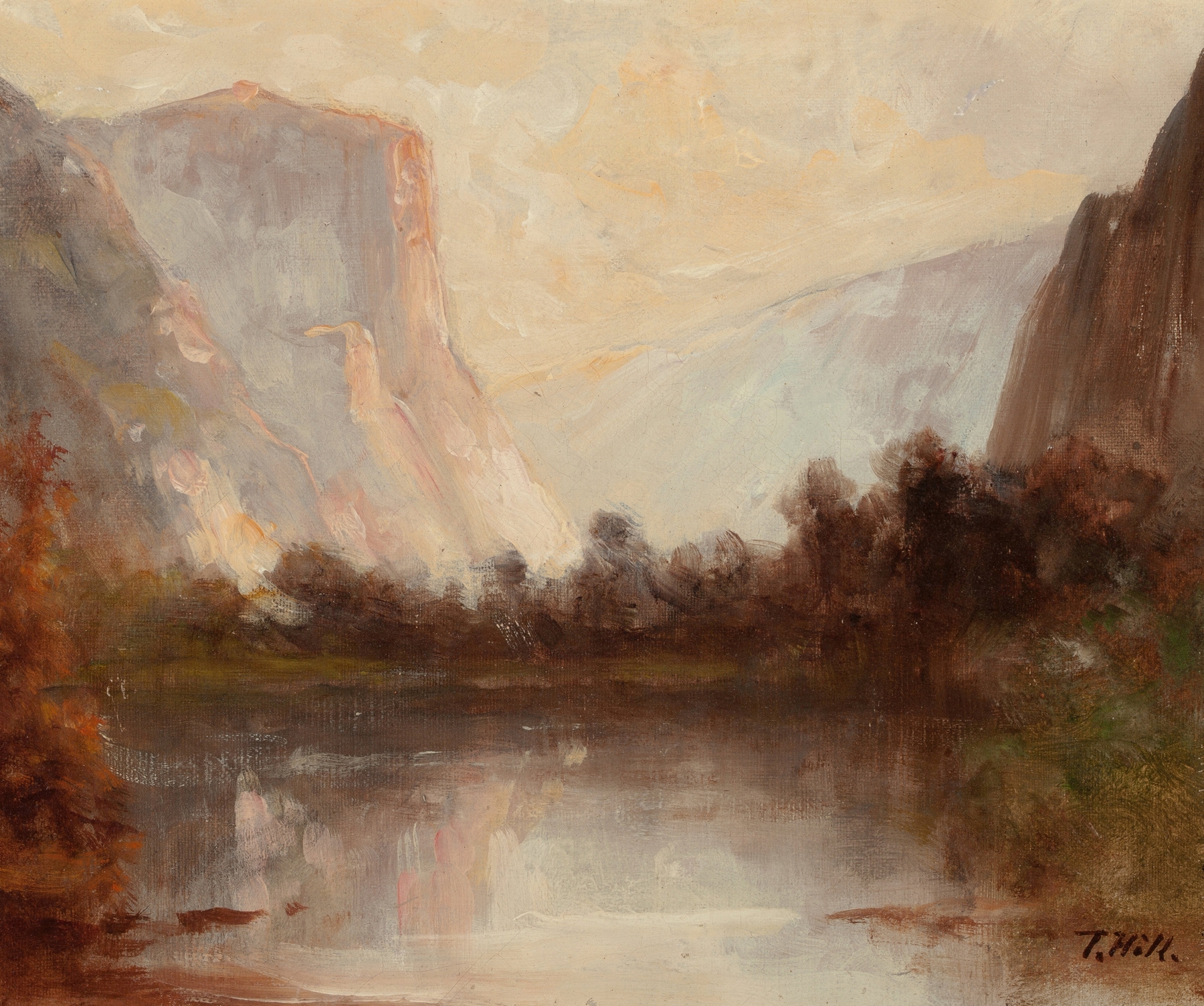
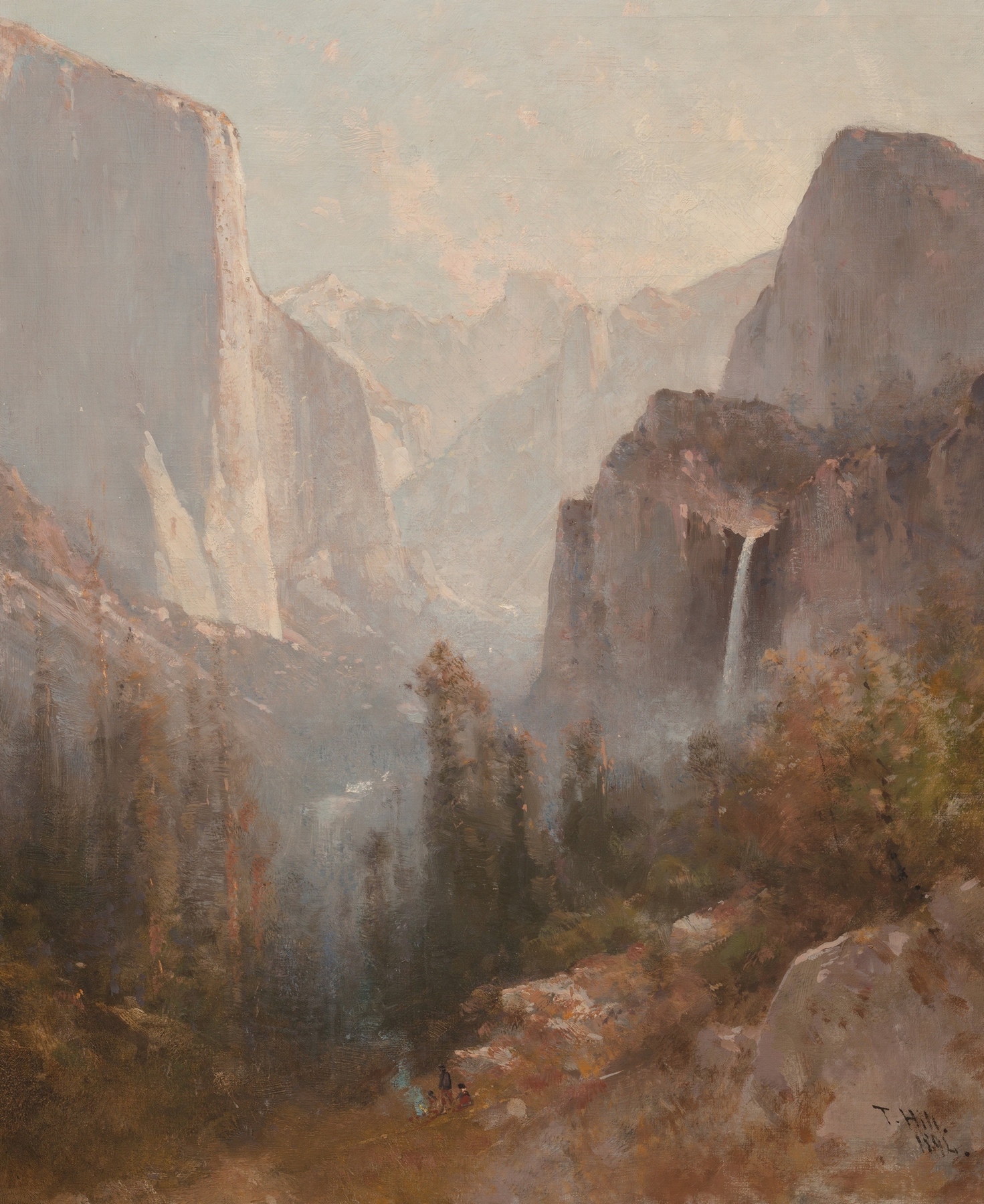
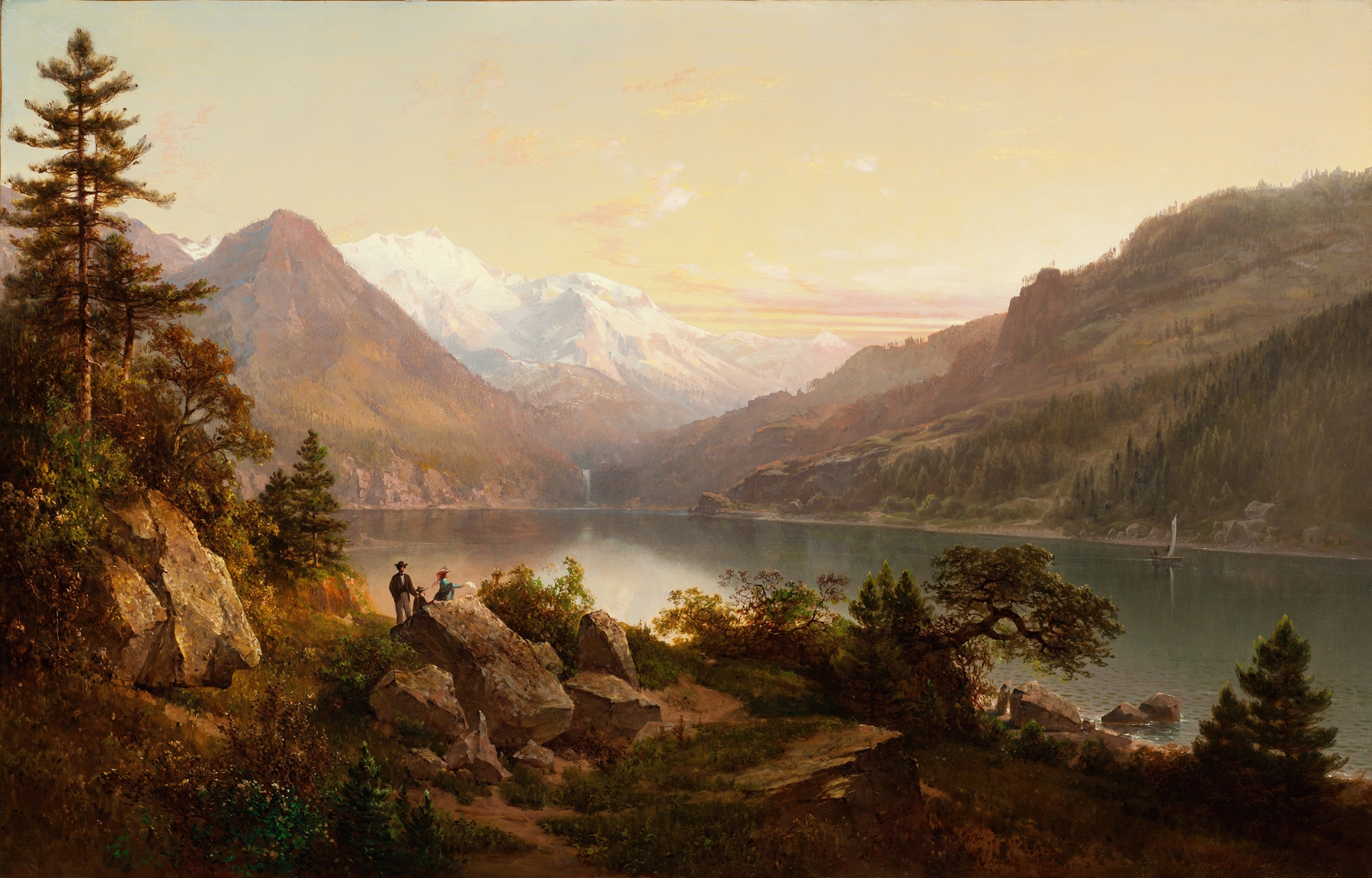
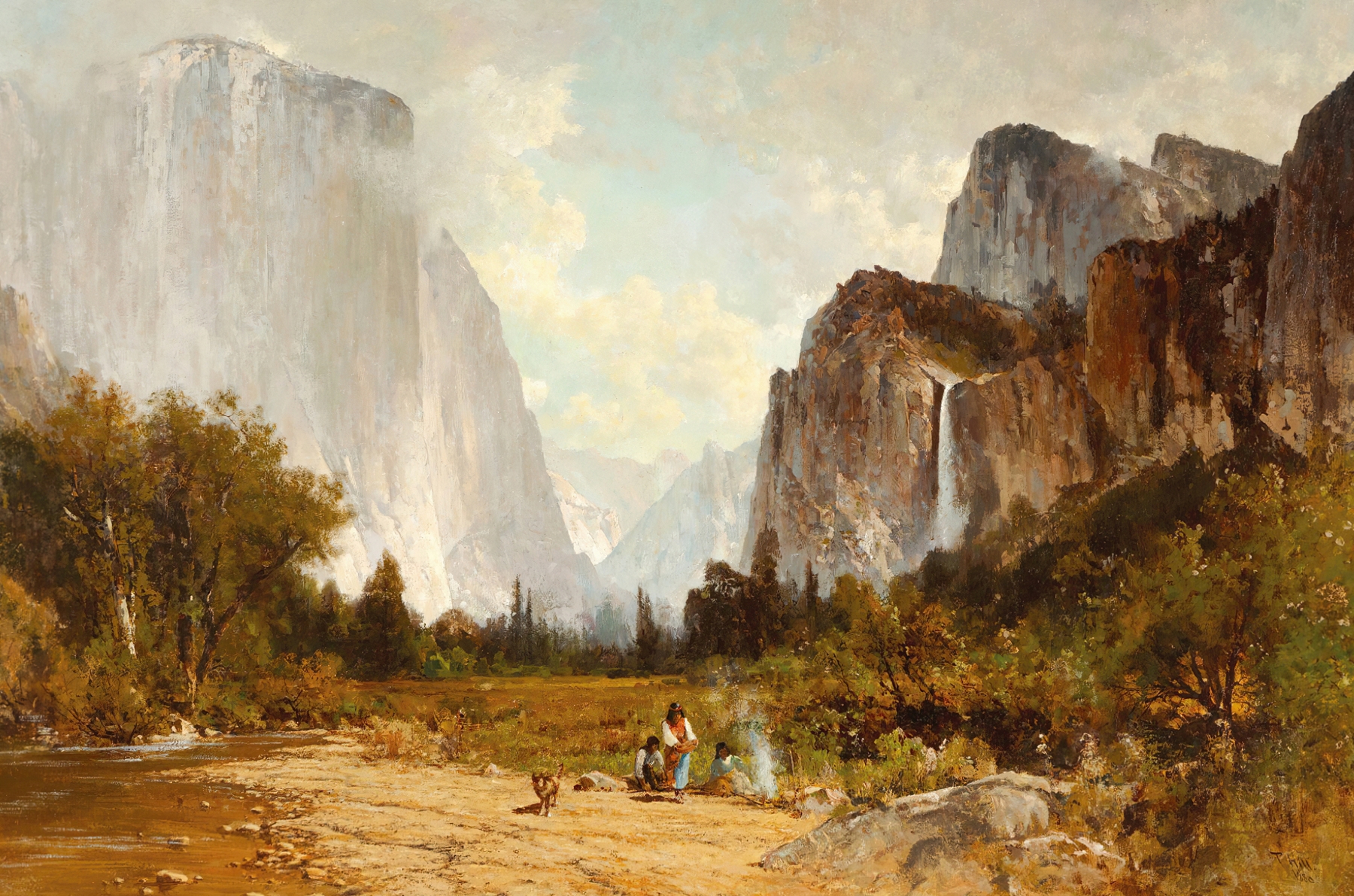
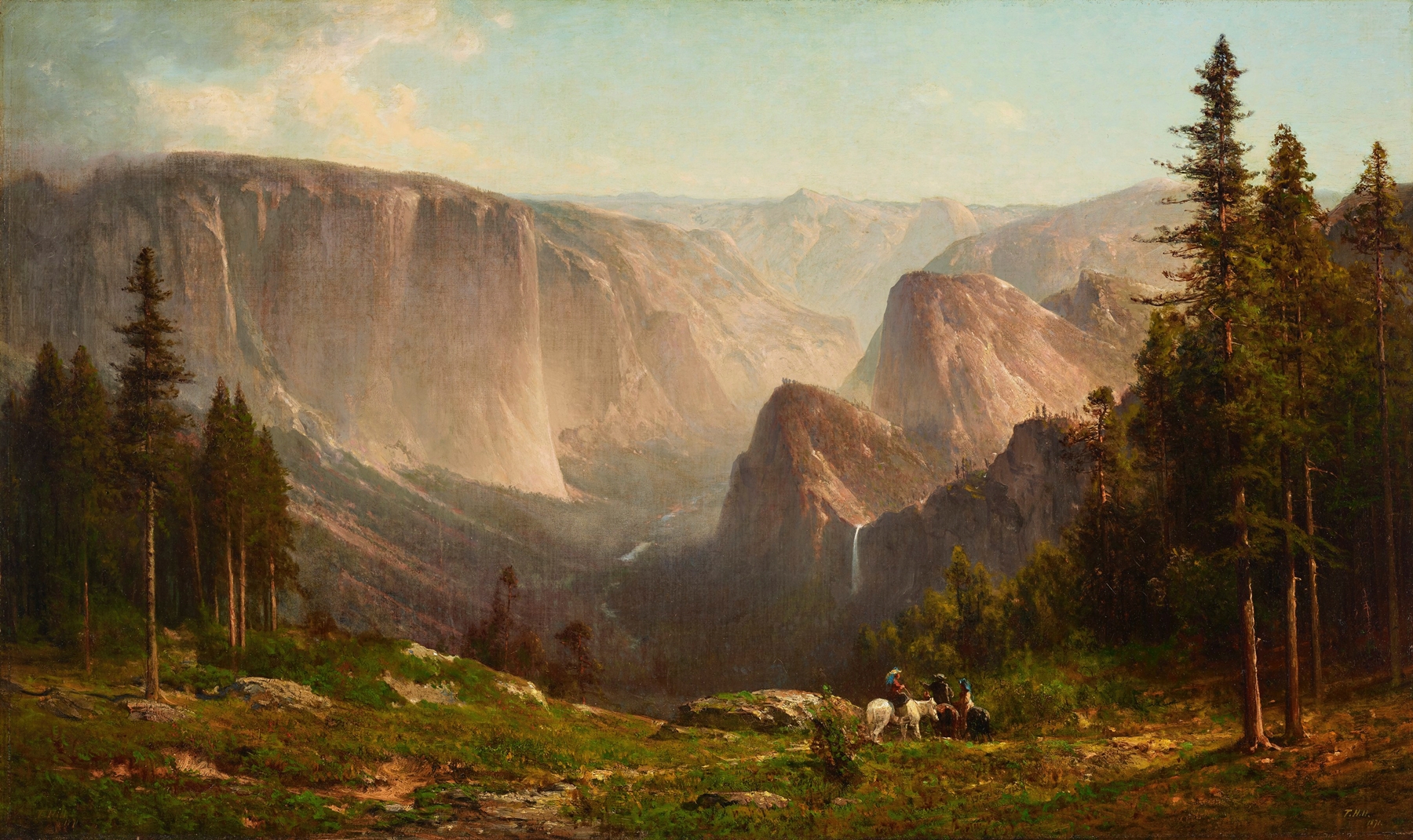
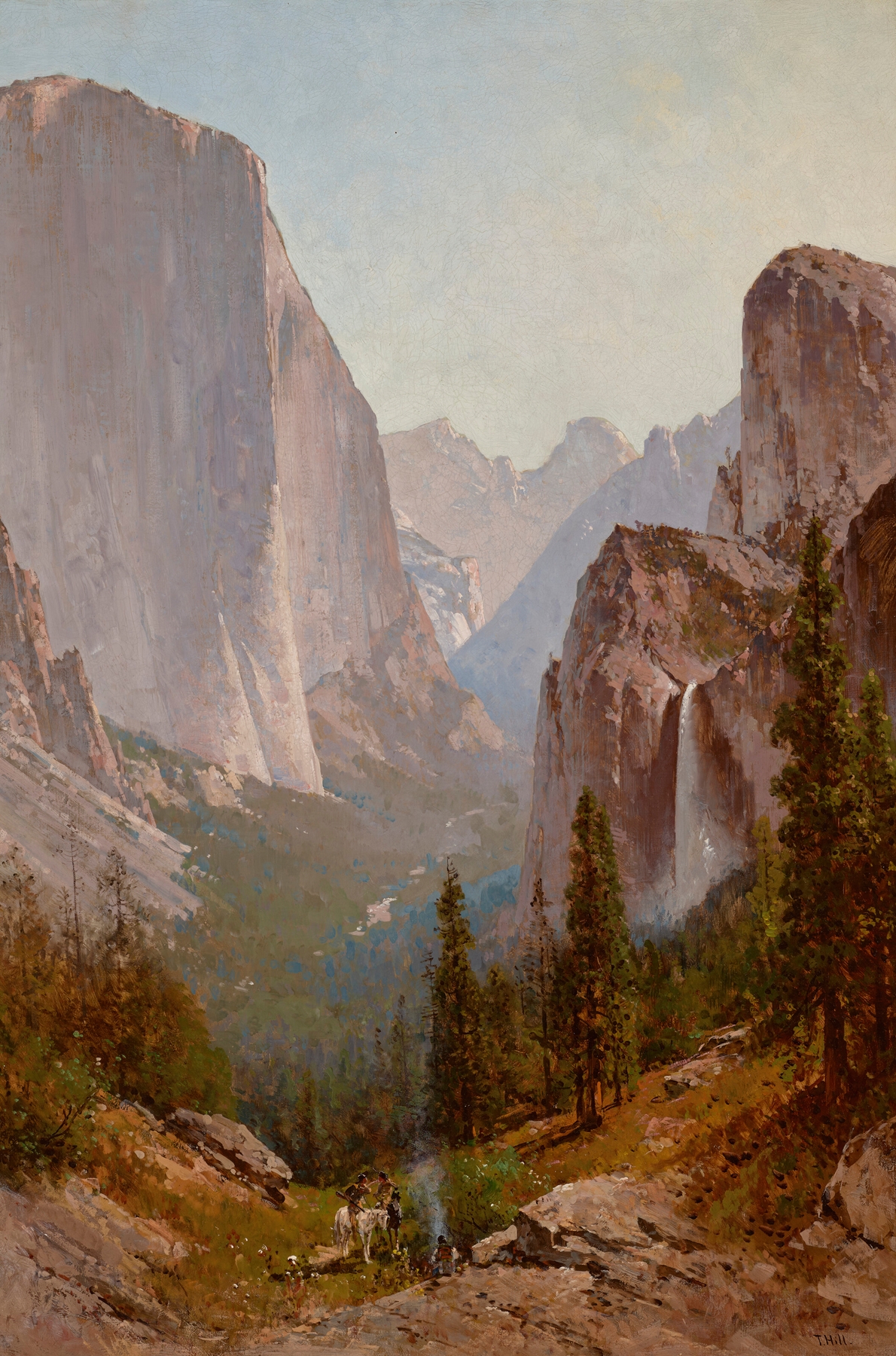
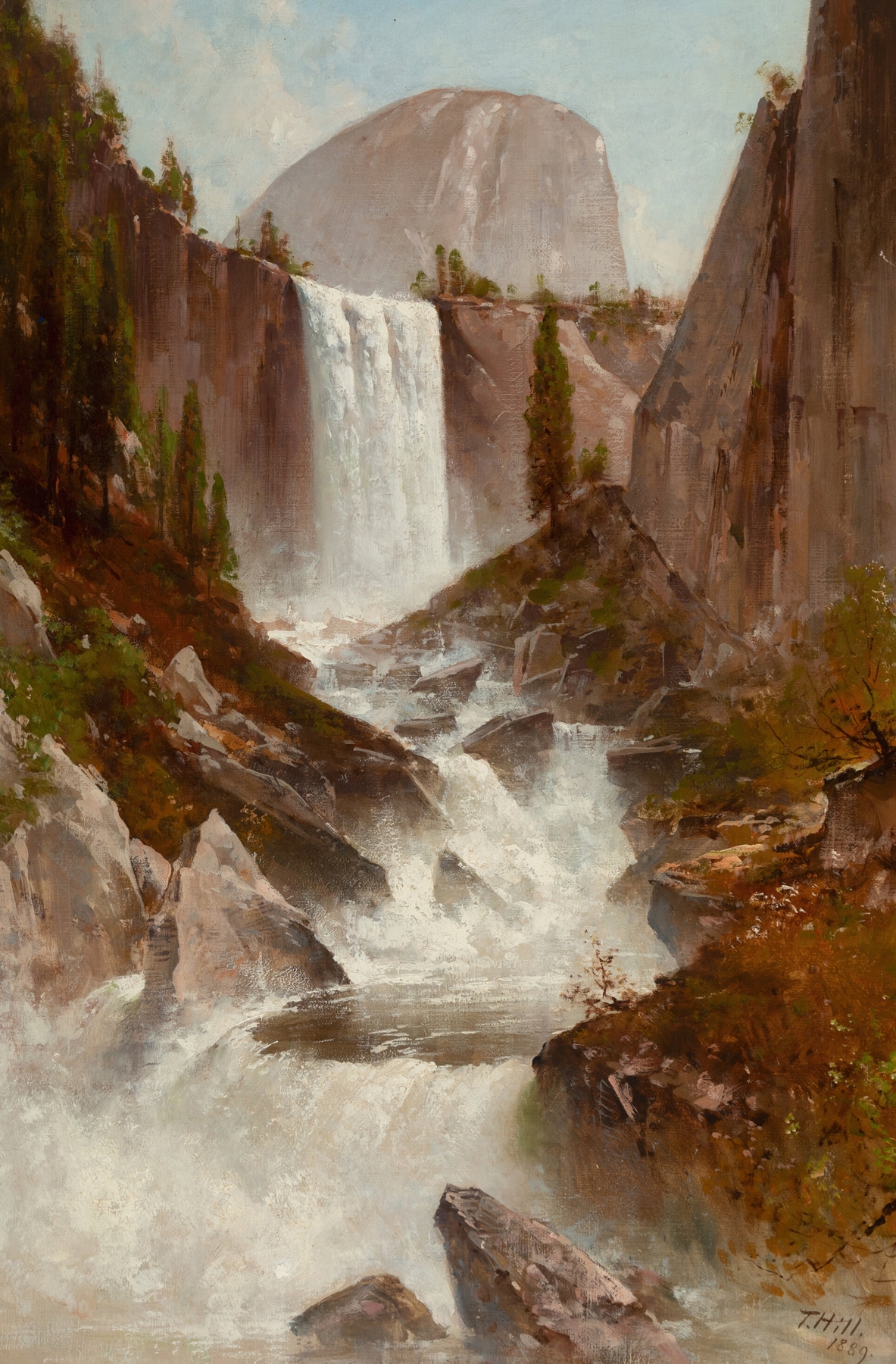
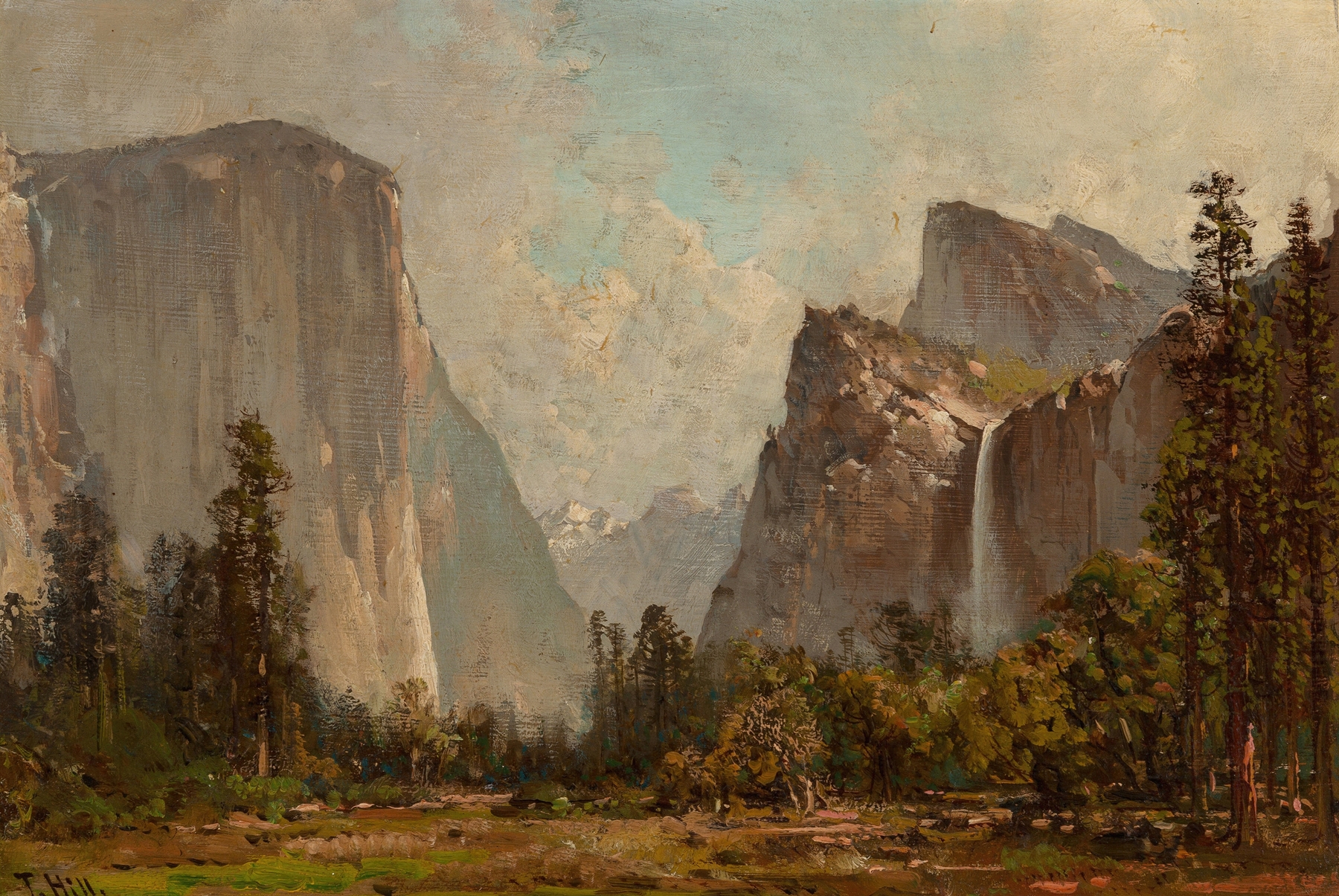
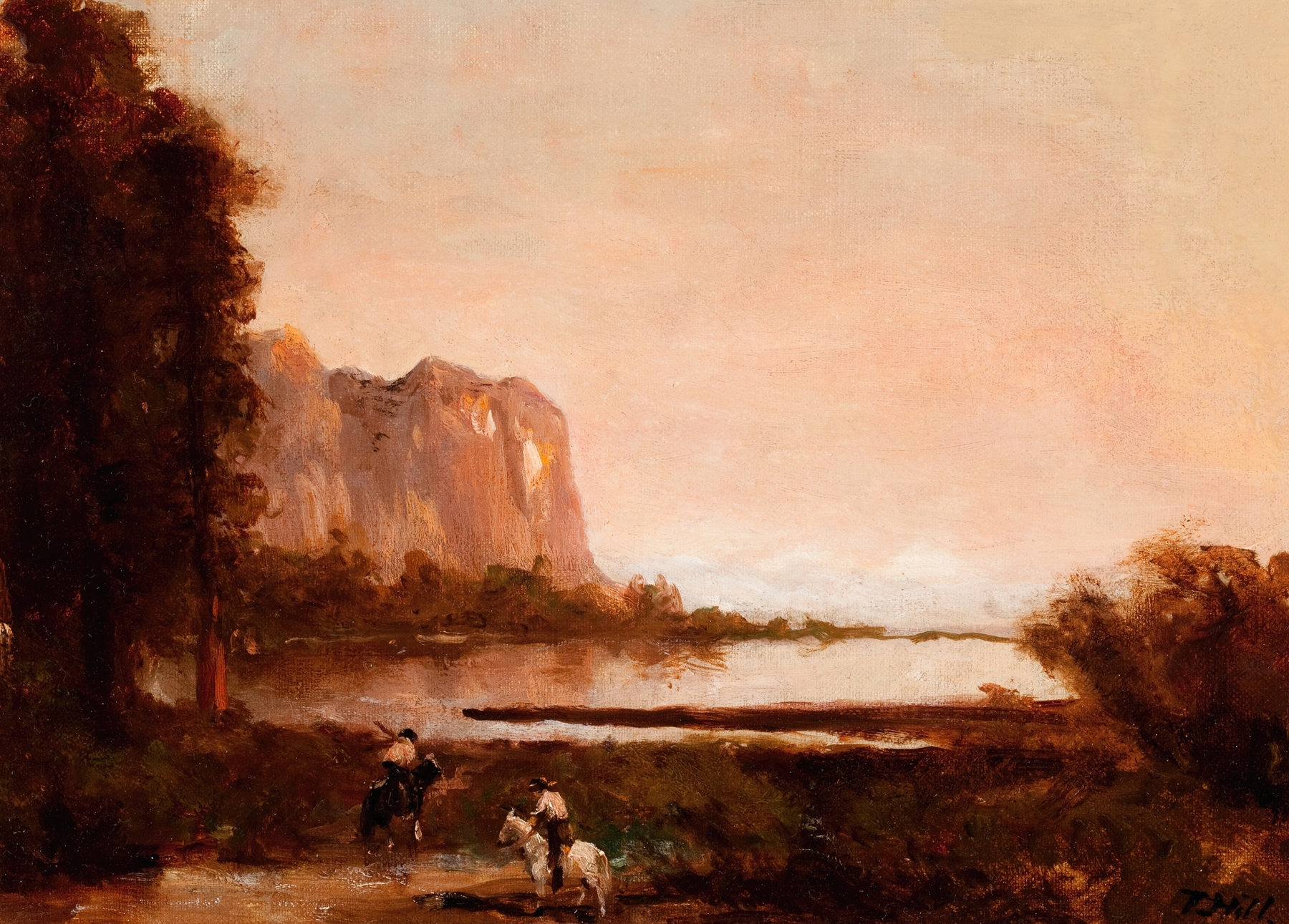
Did the painter know this moment would outlive them? In Yosemite, desire manifests through the breathtaking landscape, a yearning for nature's timeless beauty that echoes through each brushstroke. Look to the canvas's left side, where towering granite cliffs soar majestically into the sky, their surfaces kissed by a golden light. The artist masterfully employs a palette of rich greens, gentle blues, and warm earth tones to create depth and harmony. A shimmering river weaves through the foreground, mirroring the sky’s hues, inviting the viewer to trace its path into the heart of the serene wilderness.
The composition draws the eye upward, capturing the grandeur of the natural world while instilling a sense of calm. Delve deeper into the piece, and you’ll discover contrasts that enrich its emotional pull. The rugged cliffs, symbols of endurance, stand resilient against the soft, flowing waters below, representing a dichotomy between strength and fluidity. Tiny figures nestled in the landscape evoke a sense of scale, amplifying both the majesty and intimacy of the scene, as if they are but whispers in the grandeur of the divine.
This interplay fosters a moment of reflection on humanity's relationship with nature—a shared desire for escape and connection. Created during the late 19th century, when the American landscape movement was gaining momentum, the artist captured Yosemite amid a burgeoning interest in the wilderness. Hill was known for his depictions of the West, influenced by the Romantic era's reverence for nature. As America grappled with industrialization, his work served as a reminder of the untouched beauty that awaited exploration—a desire for preservation and appreciation that resonates even today.